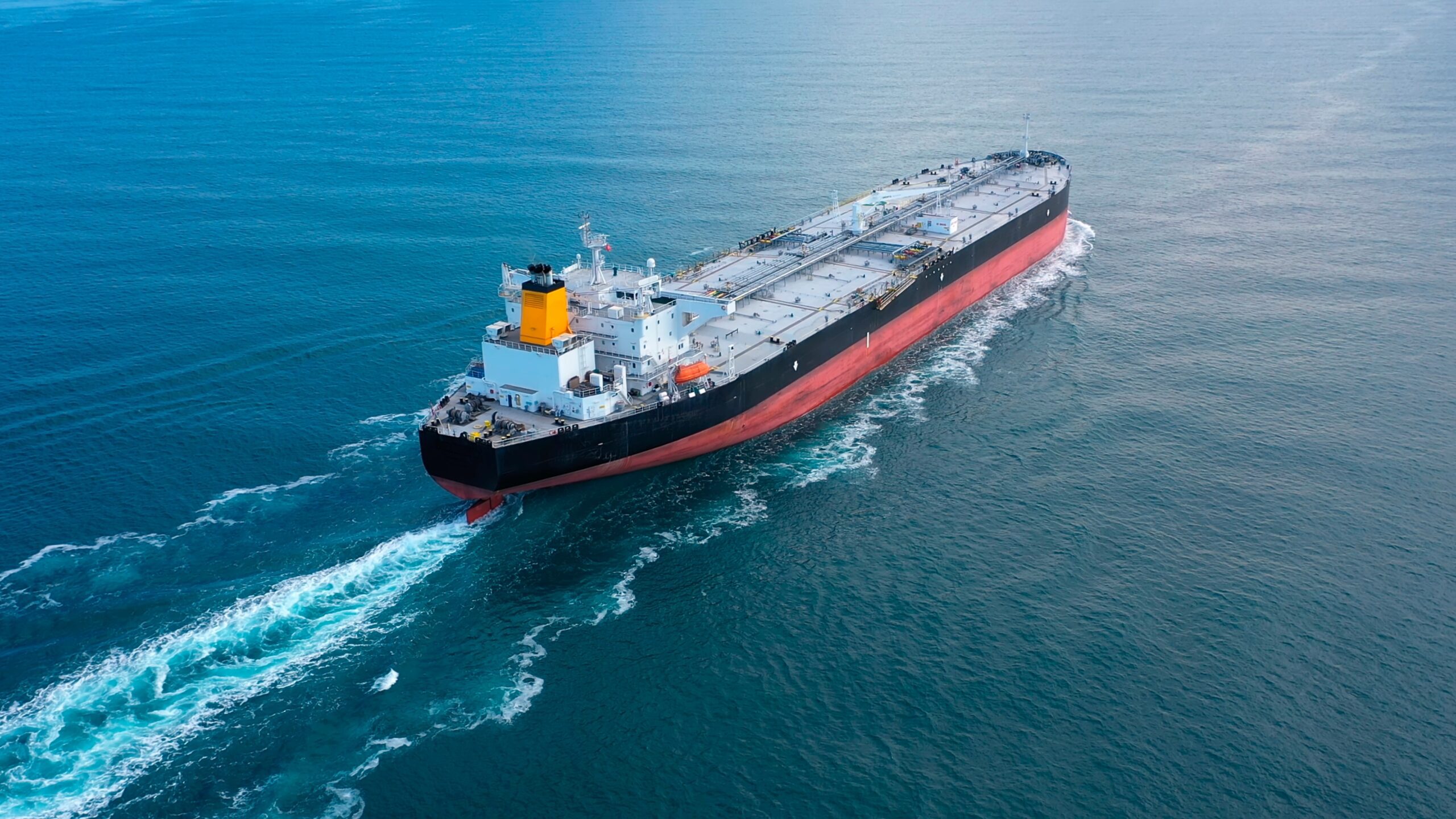
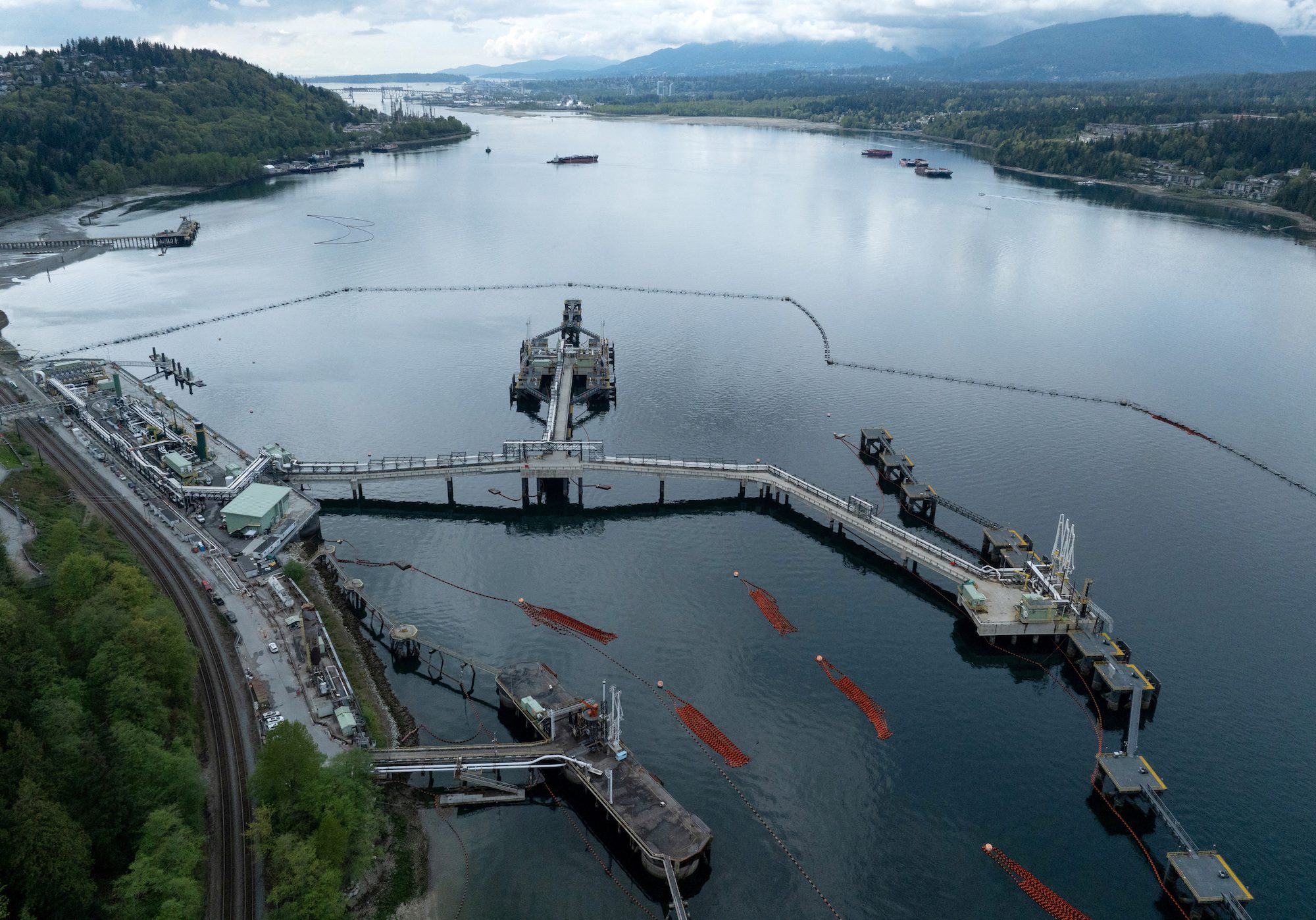
(Bloomberg) – West African crude traders are being forced into offering deep discounts by soaring freight costs and an unfavorable price spread that is eroding Asian buyers’ appetite for the region’s cargoes.
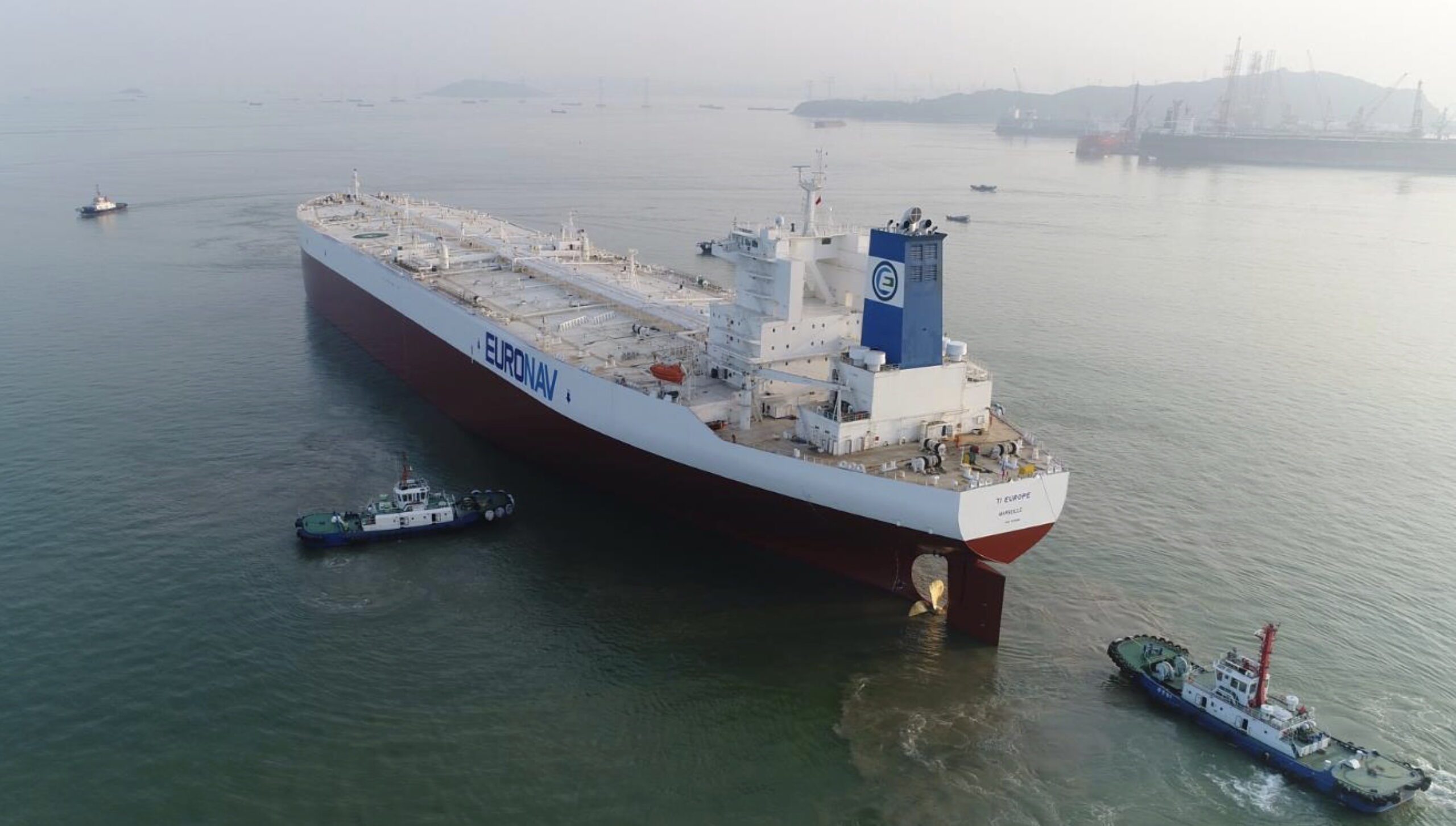
Elevated costs for shipping oil to customers in Asia and Europe are weighing on prices for the region’s supplies, with the principal rate for Asian customers hitting the strongest in more than five years on Friday.
Exports are also being hampered by increases in a widely-watched price spread, the so-called Brent-Dubai Exchange of Futures for Swaps, or EFS. Those gains have made supplies from West Africa, the North Sea and Mediterranean — which are priced against global benchmark Brent — less attractive to refineries in Asia.
“If the EFS won’t budge, then the West Africa premiums need to,” said Neil Crosby, an oil analyst at Sparta Commodities SA. “We have high freight for the long-haul arbitrage East, and the EFS makes the West-East arbitrage hard as well.”
Nigerian crude differentials repriced lower last week and are expected to weaken more soon, he added. Sales into Europe, where refinery maintenance season is limiting crude demand, are also suffering.
West Africa-to-Asia Tanker Rates Surge
A late-March loading cargo of Republic of the Congo’s Djeno crude was offered for sale by Trafigura at $5.40 a barrel below the Dated Brent benchmark late last week in a key pricing window run by Platts, a unit of S&P Global, traders said. Though the offer price was weaker than February supplies, which traded in the spot market at between $3 and $4 below the same benchmark, no buyer emerged.
Shipments from other West African producers like Angola and Nigeria have also been registering weaker levels in recent weeks, according to traders.
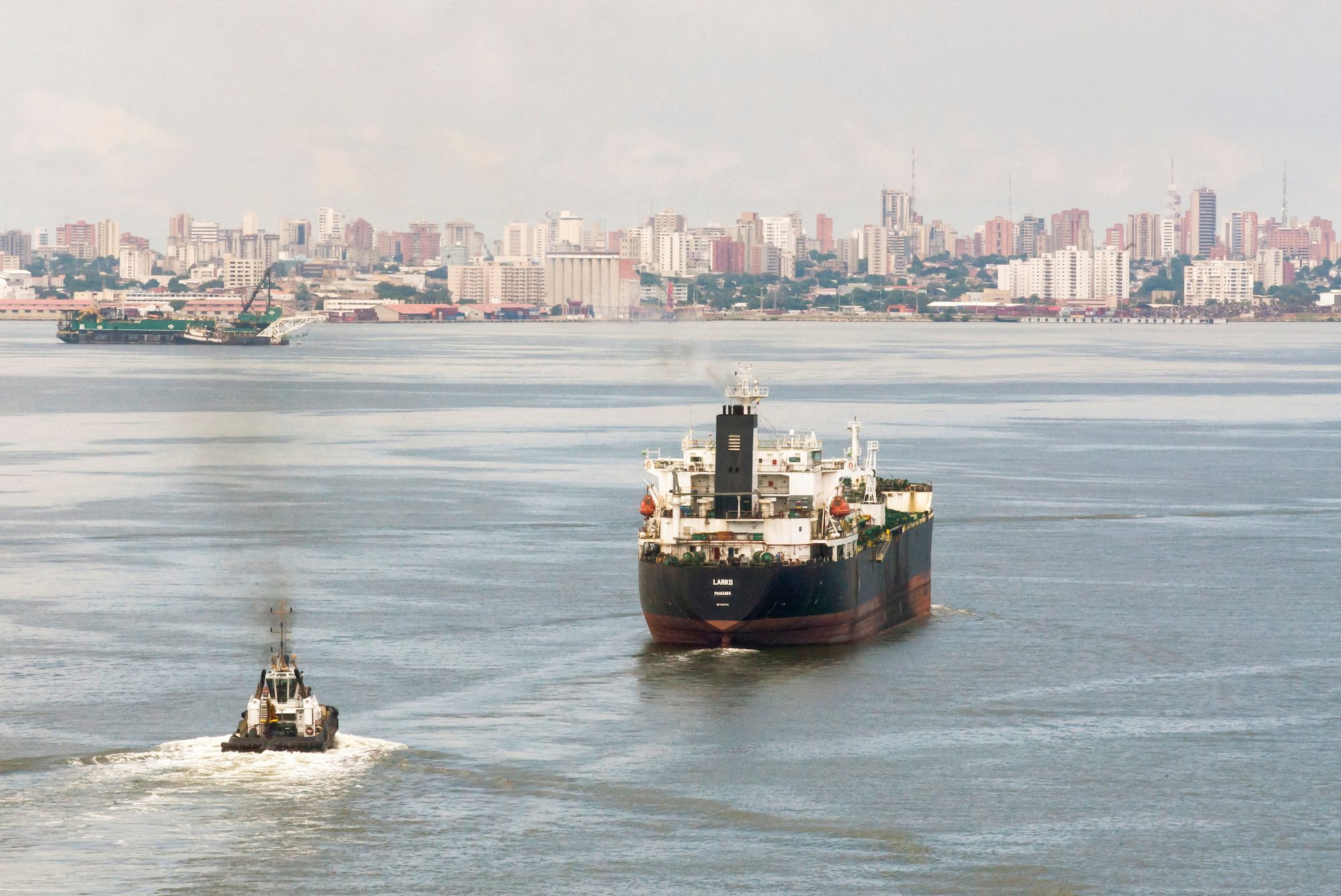
The higher freight rates reflect broader gains in shipping costs, which have climbed this year on swelling supplies, including the return to the market of Venezuelan barrels, as well as the prospect of conflict between the US and Iran.
In the face of higher daily rates, Indian refiners have been opting to take short-haul barrels from the Middle East over supplies from West Africa that have longer, more expensive journeys.
The Brent-Dubai EFS rose as high as $2 a barrel on Friday. That’s up from premiums below 50 cents a barrel for most of the fourth quarter of last year, according to PVM Oil Associates Ltd. data.
Typically, the Brent element of the spread tends to blow out compared with the Dubai end as geopolitical tensions rise, initially at least, given the global benchmark’s greater liquidity, according to Sparta’s Crosby, “even if all the risk to physical supply is in Dubai-linked crude.”
More broadly, daily earnings for supertankers on the benchmark Middle East Gulf-to-China route rose to $157,358 on Friday, the highest since April 2020.
“Tight prompt supply, concentrated fleet control, and elevated geopolitical risk are likely to keep rates supported,” unless cargo flow slows materially, New Delhi-based broker Shiplinks said in a note Friday.
© 2026 Bloomberg L.P.
Editorial Standards · Corrections · About gCaptain
This article contains reporting from Bloomberg, published under license.

 Join The Club