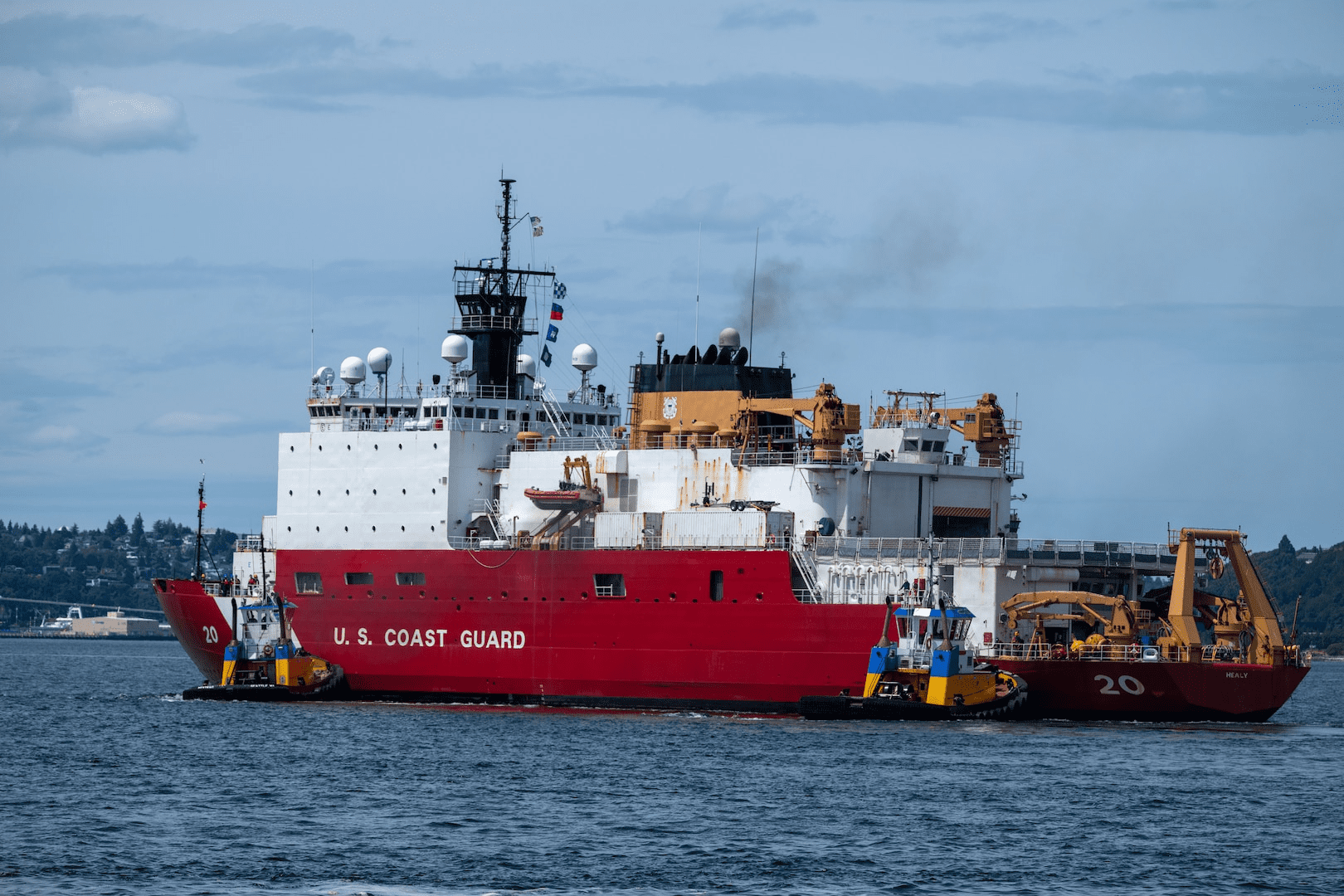
The U.S. Coast Guard Cutter Healy (WAGB 20) returned to its Seattle home port following a 129-day Arctic patrol that underscored growing strategic competition in the far north, where the massive icebreaker monitored Chinese research vessels operating in U.S. territorial waters.
The 420-foot cutter, the largest in the Coast Guard fleet, steamed over 20,000 miles during its deployment supporting Operation Arctic West Summer and Operation Frontier Sentinel, protecting U.S. sovereign rights in the region.
“Healy’s unique and specialized capabilities allow us to operate in the most remote regions conducting the highest priority missions of the Coast Guard,” said Capt. Kristen Serumgard, commanding officer of Healy. “Healy’s dynamic crew of active duty and civilian personnel showcased tremendous adaptability, dedication and resilience, steaming over 20,000 miles through ice-covered waters to complete the mission.”
Monitoring Foreign Research Vessels
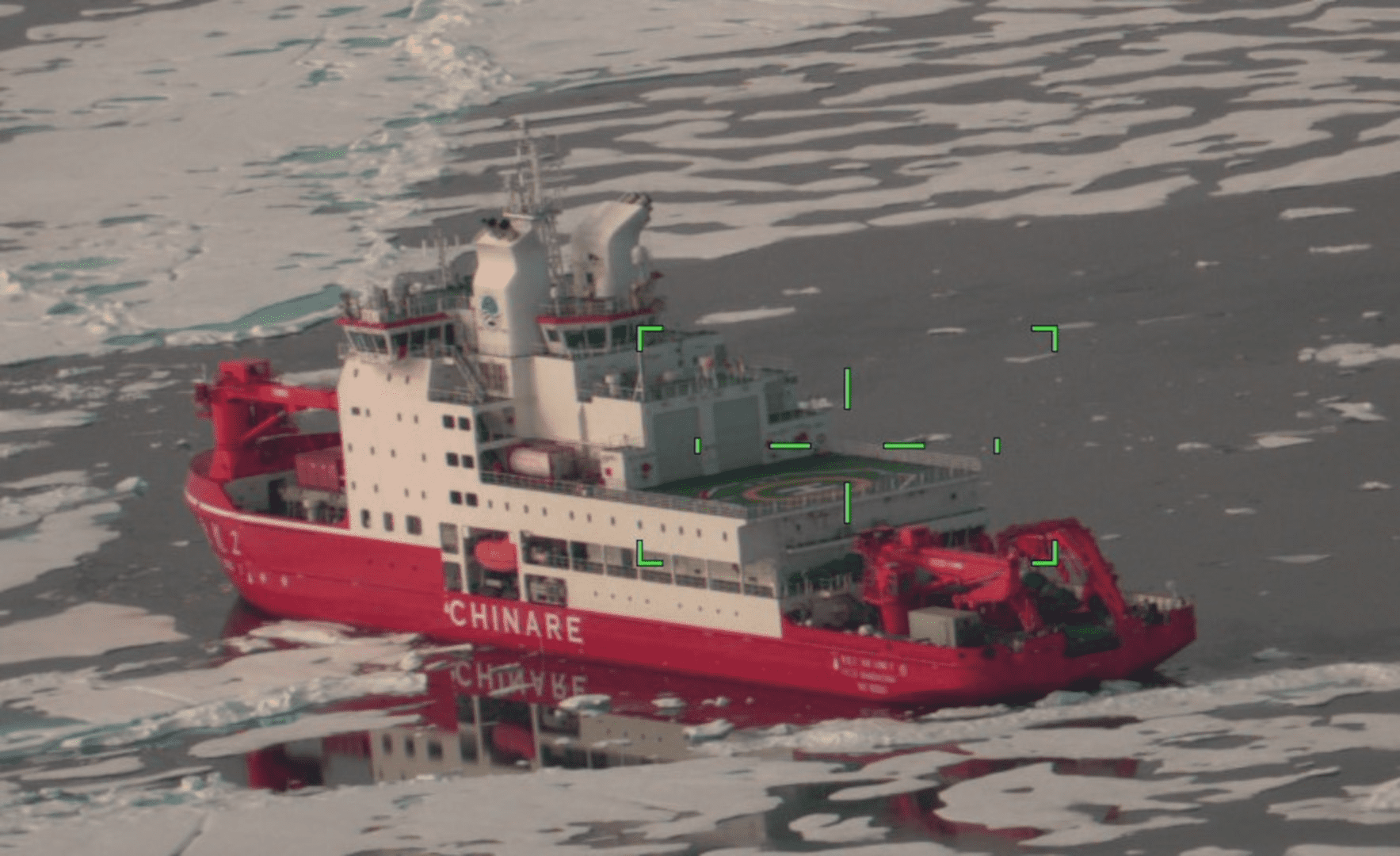
During Operation Frontier Sentinel, Healy queried and monitored three foreign research vessels operating in ice-covered waters over the U.S. Extended Continental Shelf and U.S. Exclusive Economic Zone. The operations come as five China-affiliated research vessels operated in Arctic waters over the summer, prompting the Coast Guard to deploy multiple assets to secure U.S. sovereign interests.
Between August 31 and September 2, the Coast Guard specifically monitored the Chinese-flagged research vessel JIDI, found approximately 265 miles northwest of Utqiagvik, and the Liberia-flagged Chinese research ship Zhong Shan Da Xue Ji Di, located about 230 miles north of Utqiagvik. Both vessels were operating over the U.S. Extended Continental Shelf.
“This operation highlights the value of our ice-capable fleet,” said Rear Adm. Bob Little, commander of the U.S. Coast Guard Arctic District. “The U.S. Coast Guard is controlling, securing, and defending the northern U.S. border and maritime approaches in the Arctic to protect U.S. sovereignty, and Healy’s operations demonstrate the critical need for more Coast Guard icebreakers to achieve that.”
Beyond its security mission, Healy’s crew supported two missions involving the deployment and recovery of subsurface oceanographic equipment throughout the U.S. Arctic, East Siberian Sea, and Laptev Sea in conjunction with the Office of Naval Research, the National Science Foundation, and other partner agencies. The data collected will help build a more cohesive picture of the physical, biological, and chemical properties of the Arctic Ocean.
The cutter also diverted to Western Alaska communities affected by devastating storms, responding to search and rescue and disaster relief needs.
Growing Arctic Presence
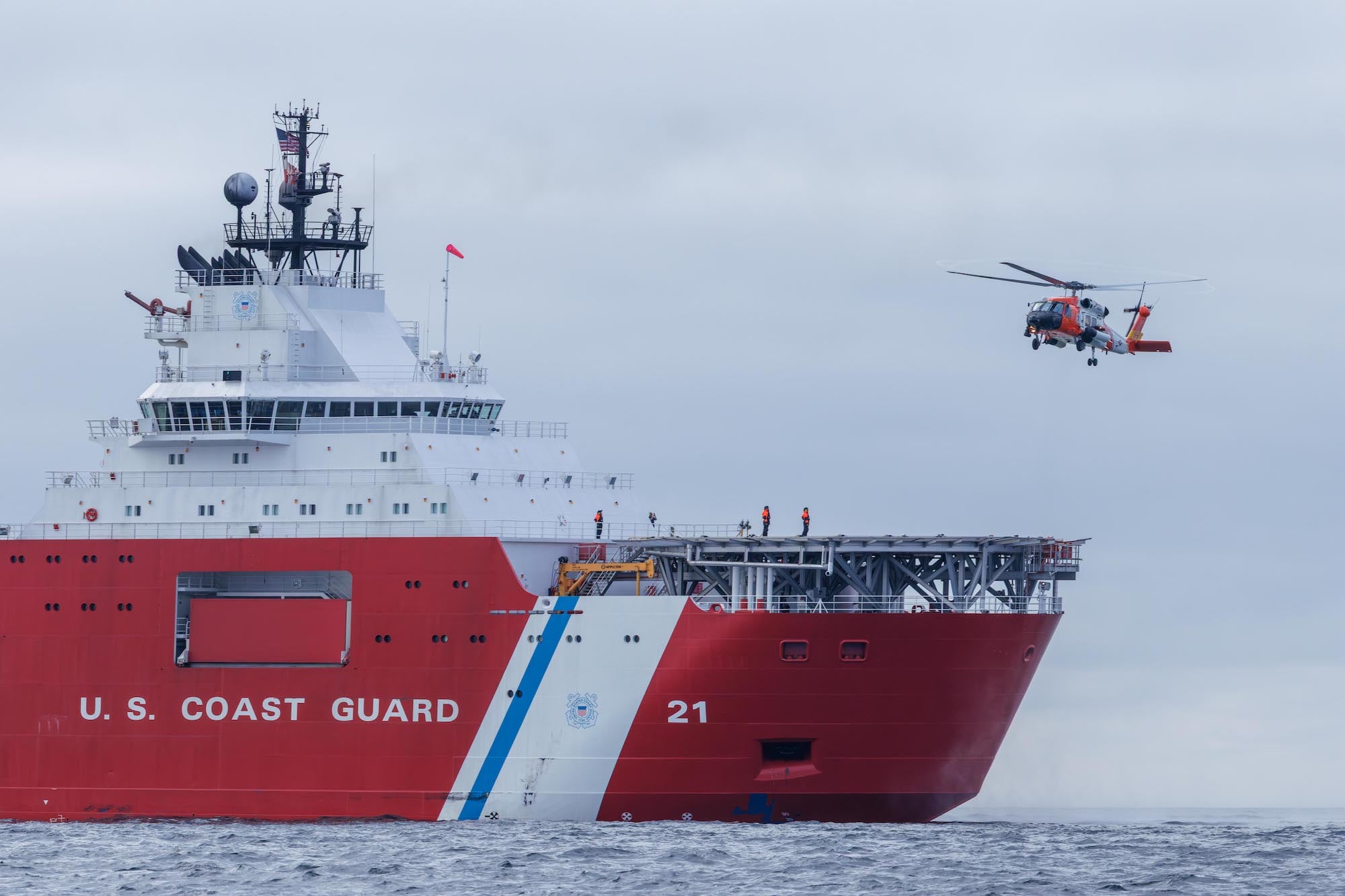
The deployment reflects the Coast Guard’s expanding Arctic operations as the region becomes increasingly accessible and strategically important. In August, the service commissioned the Cutter Storis (WAGB 21) in Juneau, which had been operating in the Bering Sea and Arctic on its 112-day inaugural deployment.
Homeported in Seattle, Healy is designed to break 4.5 feet of ice continuously at three knots and can operate in temperatures as low as -50 degrees Fahrenheit, enabling year-round access to the Arctic Ocean.
The Coast Guard works in conjunction with U.S. Northern Command and Alaskan Command to constantly monitor foreign vessels operating in and near U.S. waters.

 Join The Club