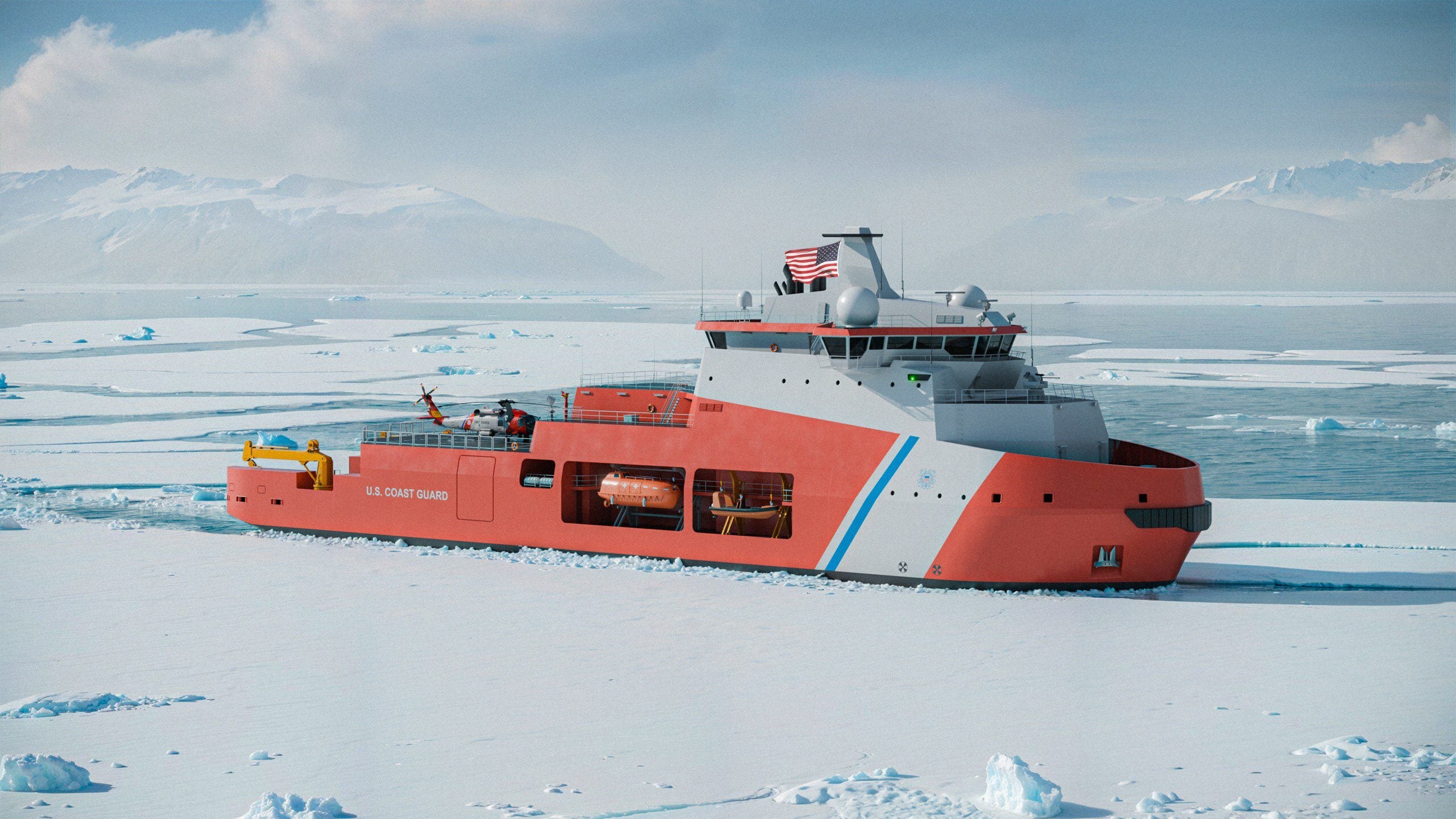
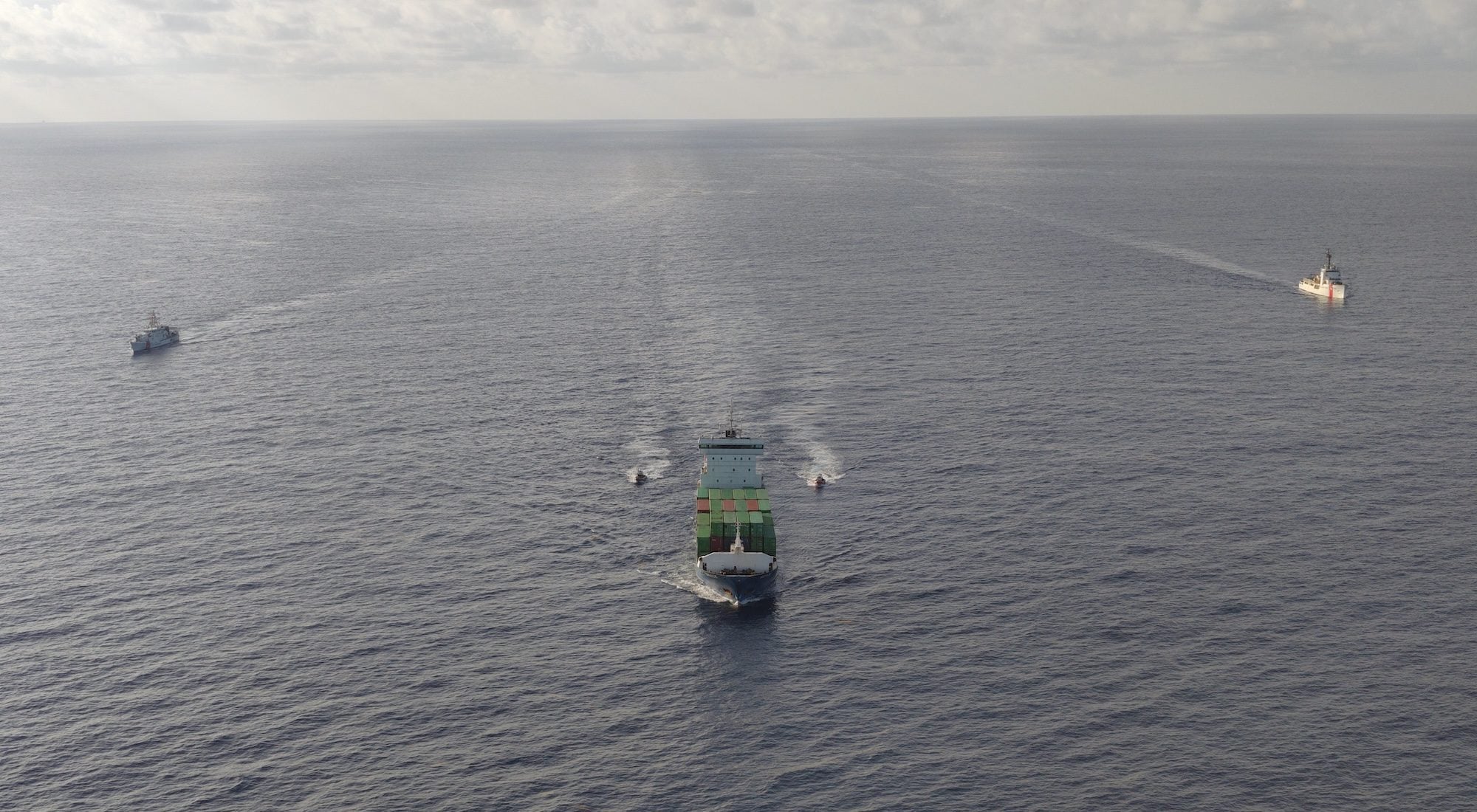
The U.S. Coast Guard said Thursday it will homeport its first two Arctic Security Cutters in Alaska, marking a key step as the service moves to field a new generation of icebreakers aimed at expanding U.S. presence in the Arctic.
The announcement comes as the Coast Guard prepares for delivery of the first Arctic Security Cutters by the end of 2028, with planning already underway to ensure the necessary shoreside infrastructure, housing, and support systems are in place.
“Homeporting these two Arctic Security Cutters in Alaska is a decisive step forward in securing America’s Arctic frontier,” said Homeland Security Secretary Markwayne Mullin. “These vessels will deliver the enduring operational presence our nation needs to protect sovereignty, deter foreign adversaries, and safeguard vital resources.”
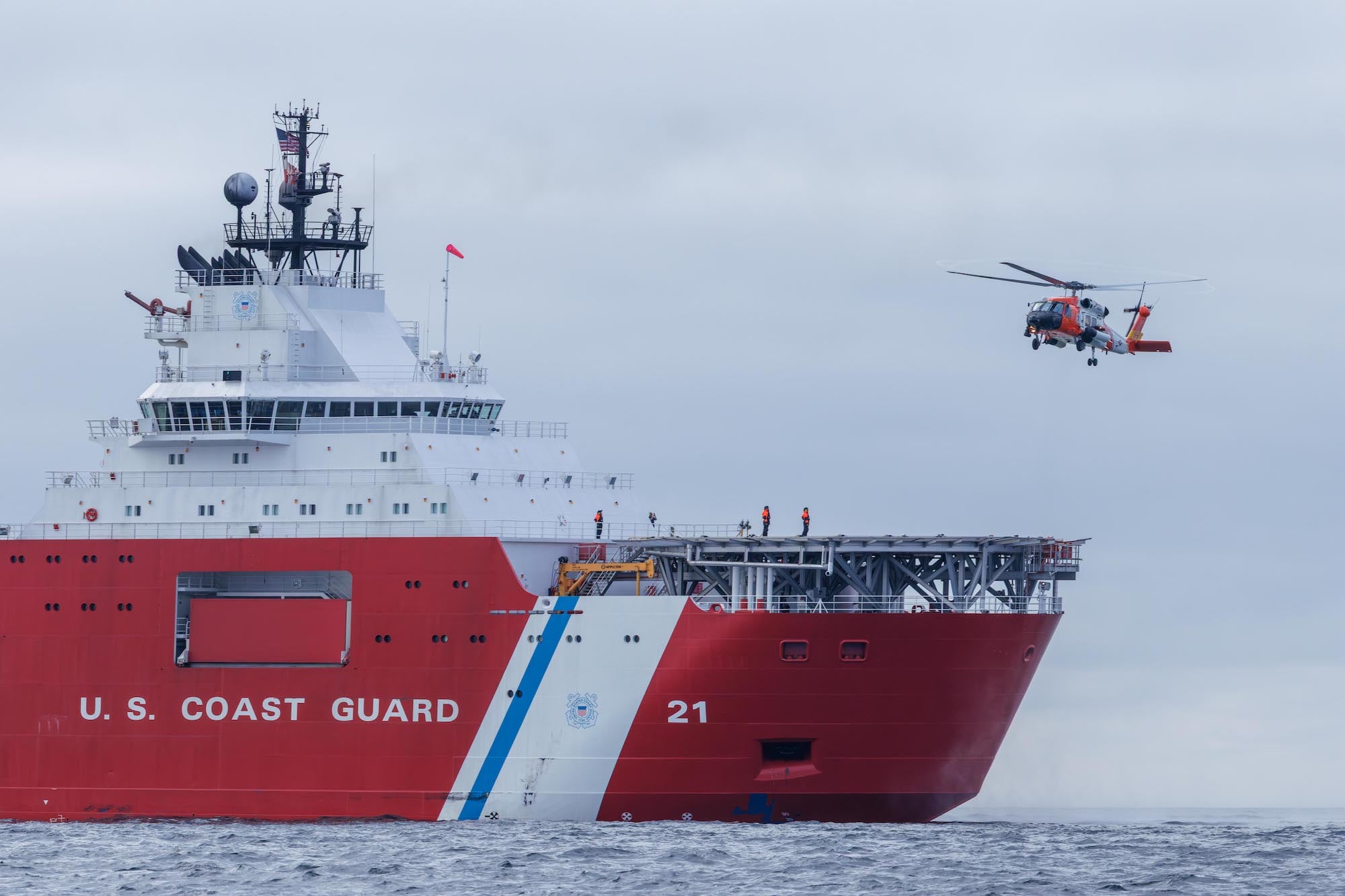
The Coast Guard’s Arctic footprint in Alaska has already begun to take shape with the recent homeporting of the icebreaker USCGC Storis (WAGB-21) in Juneau. The former commercial vessel—brought into service to help bridge the gap ahead of the new Arctic Security Cutters—has been supporting operations across Alaska’s coastal and Arctic regions.
Coast Guard Commandant Adm. Kevin Lunday said positioning the cutters in Alaska will maximize the service’s ability to “defend our northern border and approaches” in a region of growing strategic competition.
The decision builds directly on the Coast Guard’s recent push to rapidly expand its icebreaker fleet. As previously reported, the service has now awarded contracts for all 11 Arctic Security Cutters under a multi-national production framework involving U.S., Finnish, and Canadian partners.
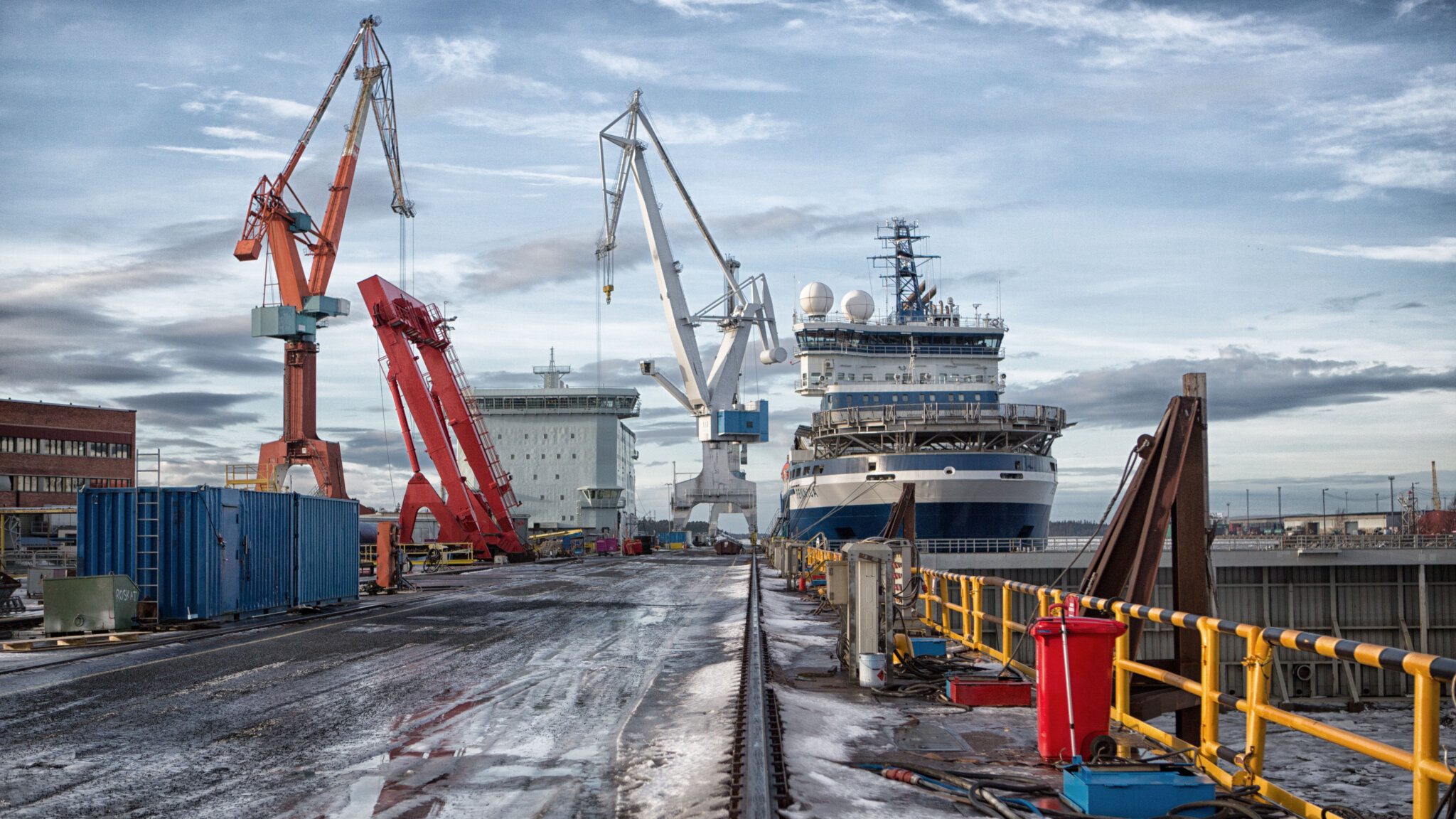
Under that structure, shipbuilders including Bollinger Shipyards, Rauma Marine Constructions, and Davie Defense will deliver the fleet using a mix of foreign and domestic construction. Early vessels will be built in Finland to accelerate timelines, while later hulls shift to U.S. yards—including new production capacity in Texas—as part of a broader effort to rebuild domestic icebreaker capability.
The program is backed by billions in federal funding and stems from international agreements designed to fast-track delivery in response to rising Russian and Chinese activity in the Arctic.
The Arctic Security Cutters are expected to form the backbone of a revitalized U.S. icebreaker fleet, replacing a limited inventory that currently includes just three operational vessels. Designed for year-round operations in polar conditions, the new cutters will support missions ranging from sovereignty patrols and maritime security to search and rescue and scientific research.
While the Coast Guard confirmed Alaska as the homeport for the first two vessels, it has not yet identified a specific base—leaving open questions about where the service will ultimately place the vessels.
Delivery of the first Arctic Security Cutter is expected in early 2028 from Rauma Marine Constructions of Finland, which is contracted to deliver up to two of the vessels.
Bollinger Shipyards will construct up to four cutters domestically in Louisiana with the first U.S.-built vessel slated for 2029. Davie Defense has been contracted to build five Arctic Security Cutters–two in Finland and three in Texas–with the first vessel expected to be delivered in early 2028.

 Join The Club