By Kevin Whitelaw and Wendy Benjaminson
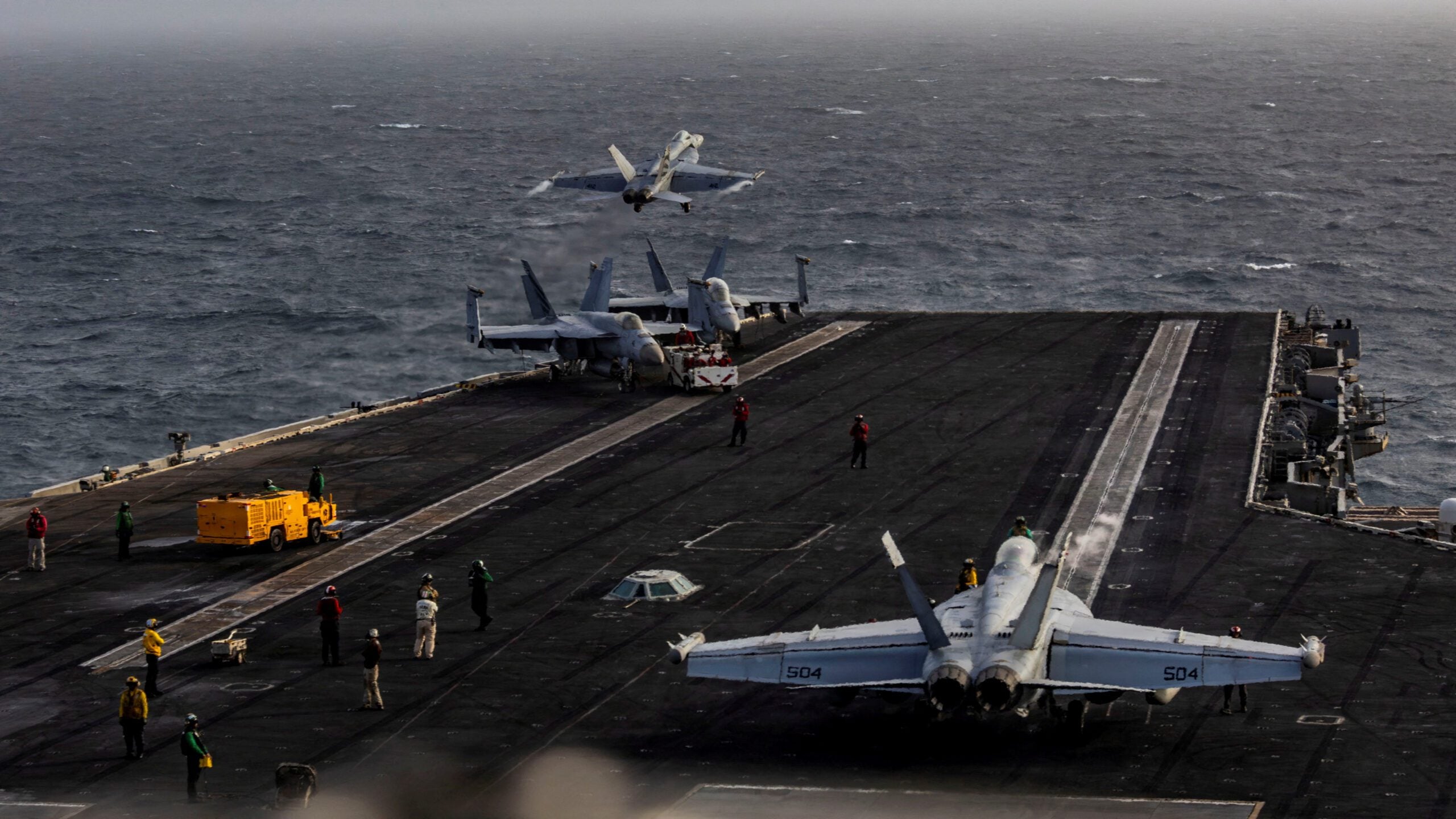
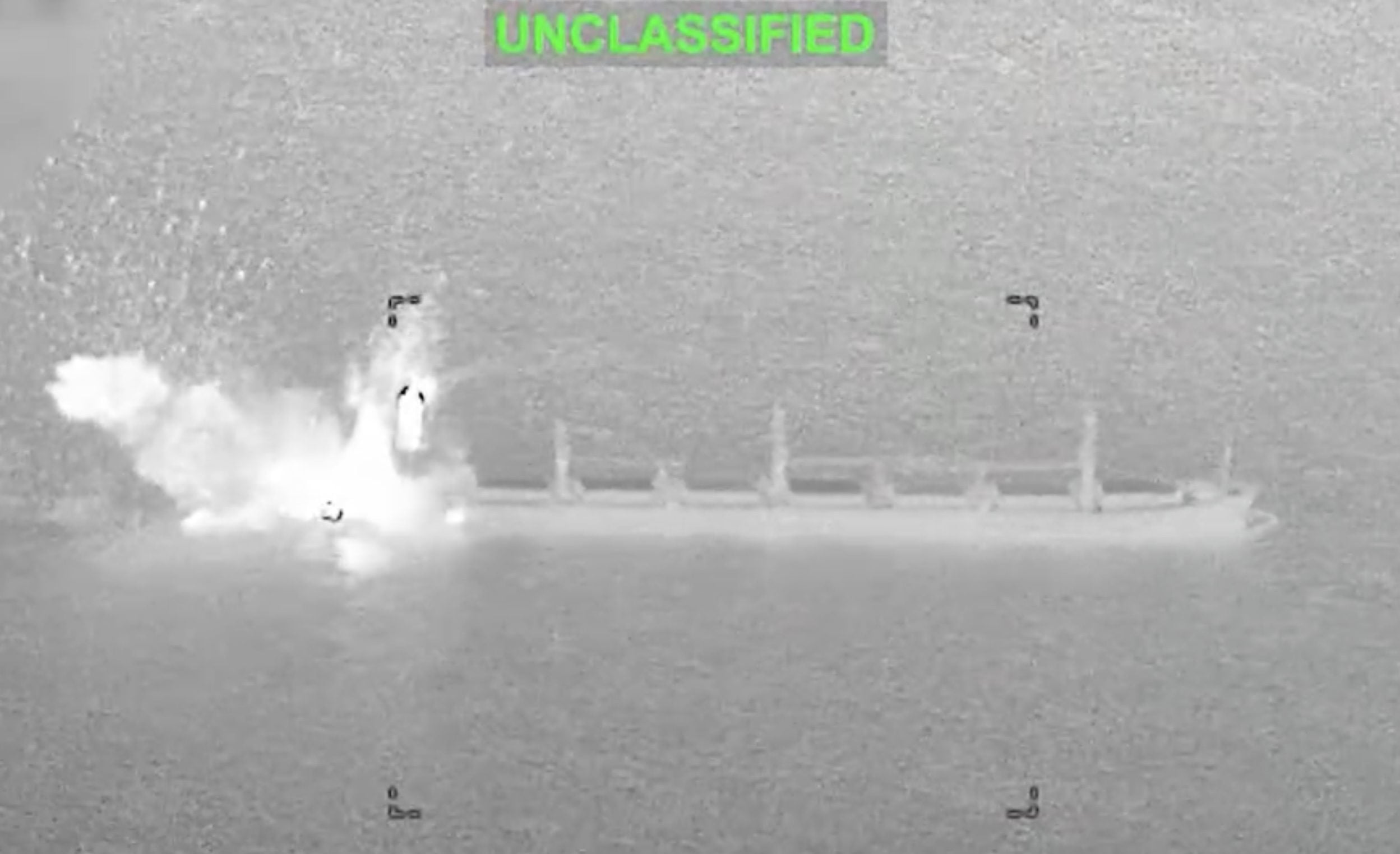
Aug 30, 2026 (Bloomberg) –The US and Iran exchanged strikes for the first time in about a month as American forces hit Iranian rocket launchers and the Islamic Republic responded by firing missiles toward Jordan.
Captain Tim Hawkins, a spokesperson for US Central Command, said Sunday that Iran was preparing to launch rockets carrying mines into the Strait of Hormuz. He added that American “forces are monitoring the area closely and remain prepared to protect the free flow of commerce through this essential waterway.”
Iran’s Islamic Revolutionary Guard Corps launched a missile-and-drone attack on US air bases in Jordan early Monday in retaliation for the American airstrike, state-run IRNA reported in a post on X. Jordan’s military intercepted eight missiles after they breached the kingdom’s airspace, destroying them before they caused any damage, the Jordan News Agency reported.
The end of weeks of relative calm on the military front sent oil prices higher. Brent crude climbed 2.4% to above $90 a barrel.
The US attack was the first military action against Iran since late July, as President Donald Trump has shifted toward an economic pressure campaign aimed at winning concessions from Tehran. Countries with ties to Tehran have so far shrugged off sanctions threats, and analysts have been underwhelmed by early US actions.
Any sustained return to hostilities risks driving up energy costs and stoking inflation, which would unnerve global investors and complicate Republicans’ effort to retain control of Congress in November’s midterm elections. Polls show growing frustration among voters with the war and Trump’s inability to bring it to an end.
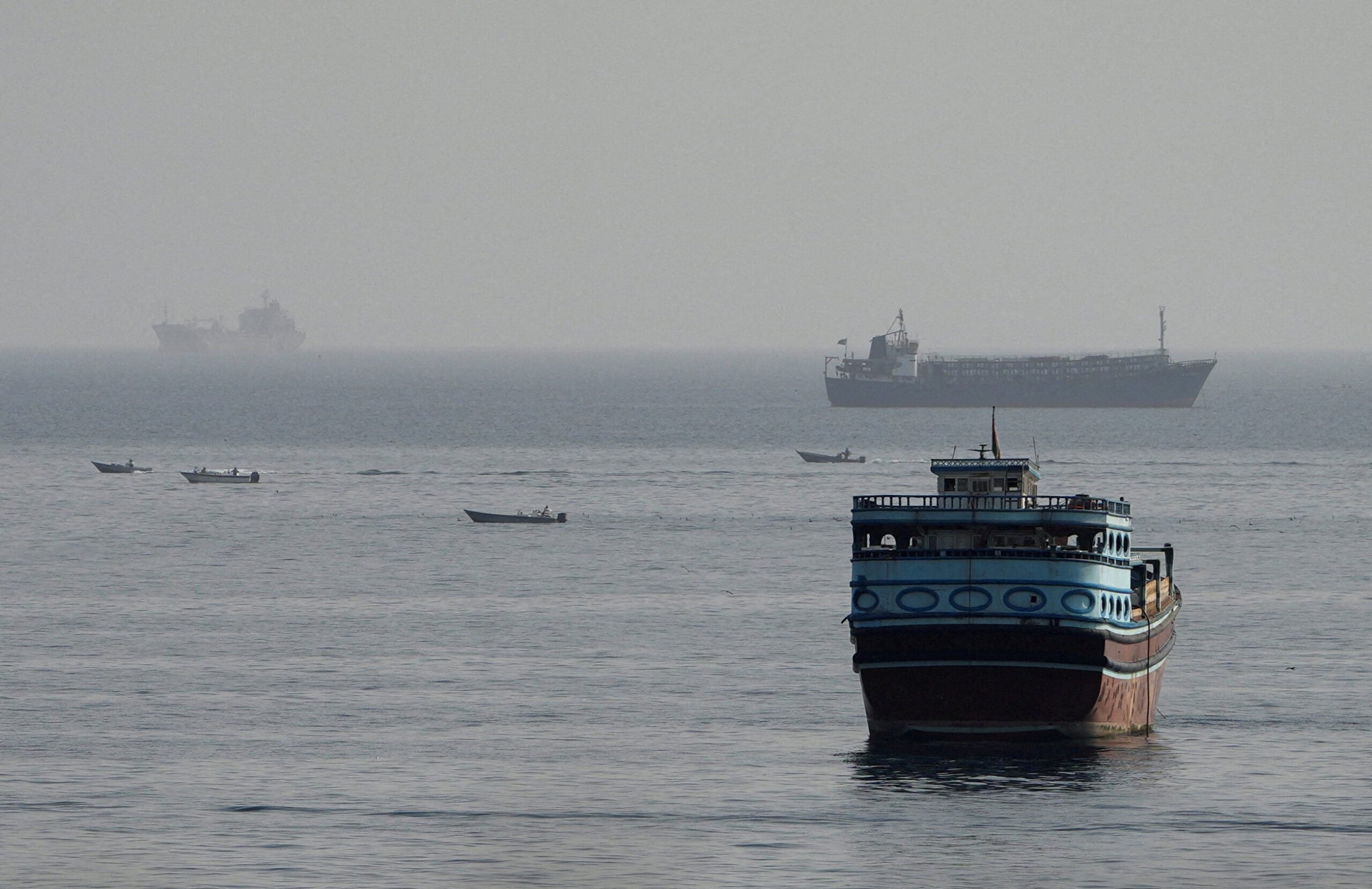
Last week, the US military said it finished clearing mines from shipping routes in the strait, which previously carried one-fifth of the world’s oil and liquefied natural gas. US allies, however, have privately warned that the strait was still likely mined.
Foreign Minister Abbas Araghchi said last week that Iran remains open to resuming diplomacy with the US, but argued that progress depends on Washington abandoning its pressure campaign.
Following what he described as “creative discussions” with Qatar, a mediator in the conflict, Araghchi said in a social media post that progress “hinges on US understanding of one simple fact: Pressure doesn’t work.”
Treasury Secretary Scott Bessent promised an “economic onslaught” against Iran and its trading partners. That includes China, which buys 90% of Iran’s oil. He said the White House would be discussing with allies their plans to stop buying Iranian products, but so far there have been no agreements to do so.
Bessent told the Associated Press ahead of the Group of 20 finance ministers meeting in North Carolina that the US would impose sanctions this week on a second bank that does business with Iran. Last week, Treasury proposed a rule that would sever the Emirati branches of Banque Misr, Egypt’s second-largest bank, from the US financial system.
“This is going to be financial violence if we have to,” Bessent said.
© 2026 Bloomberg L.P.

 Join The Club