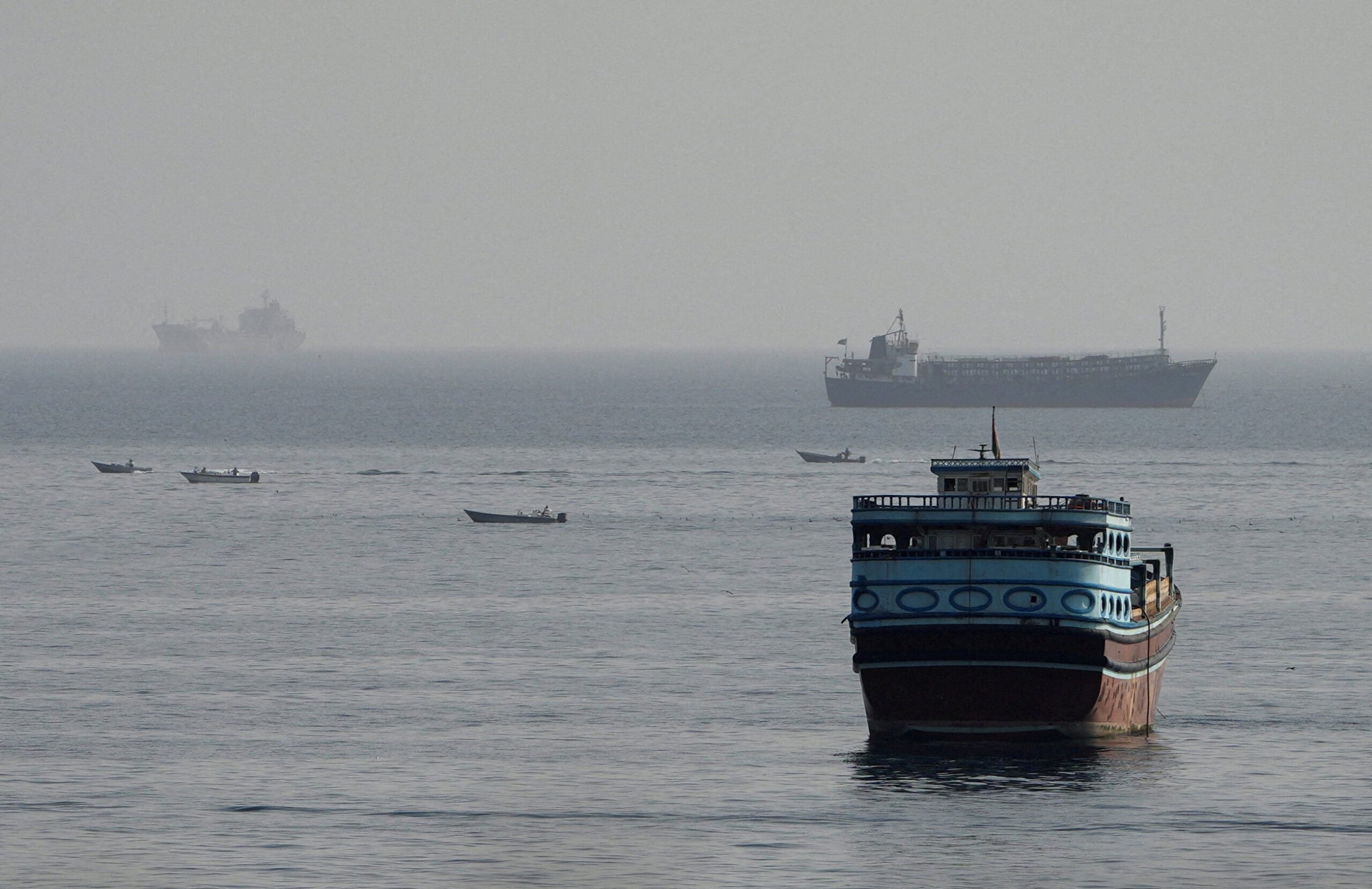
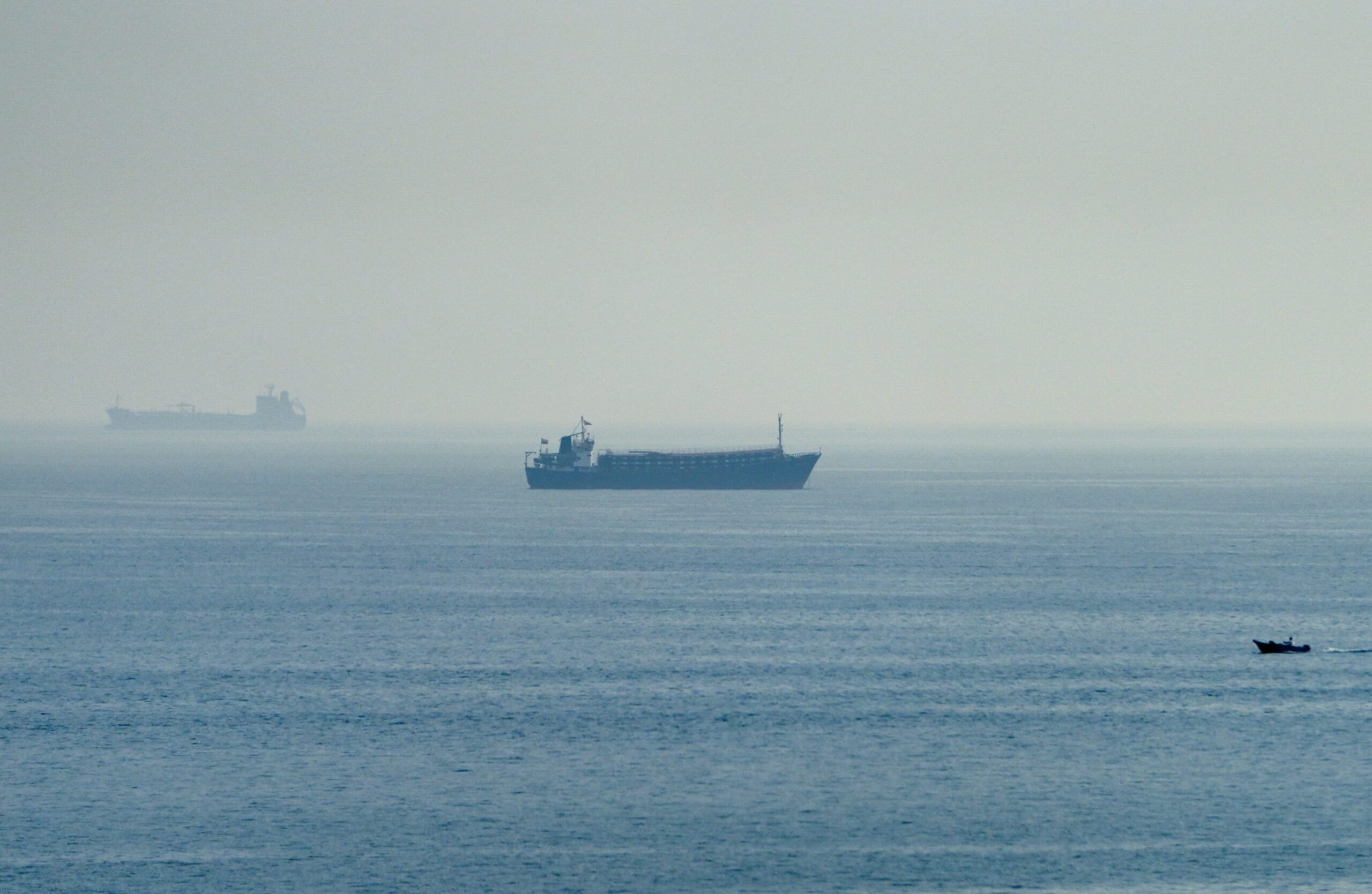
A commercial vessel was struck by a projectile in the Persian Gulf on Friday, sparking a fire onboard in the second reported attack on shipping inside the Gulf in just three days, as violence spreads beyond the Strait of Hormuz.
The United Kingdom Maritime Trade Operations (UKMTO) said it received reports from multiple sources that a vessel was struck at approximately 1000 UTC, about 13 nautical miles west of Al Jazeera, United Arab Emirates.
The strike caused a fire that has since been extinguished. The condition of the crew, extent of damage and any environmental impact remain unknown, according to UKMTO Warning 160-26.
Authorities are investigating the incident. UKMTO has not identified the vessel or publicly established responsibility for the attack.
The incident follows an October 7 attack on a tanker near the coast of Qatar, marking the second time in three days that a vessel has been struck inside the Persian Gulf rather than while transiting the Strait of Hormuz.
The geographic shift is significant. Much of the recent violence against commercial shipping has been concentrated along the southern Omani route through Hormuz, where vessels have continued to face projectile attacks despite U.S. efforts to facilitate safe passage.
According to maritime security analyst Martin Kelly, the October 7 attack near Qatar was the first reported Iranian strike against a vessel inside the Gulf, away from Hormuz, since September 9.
On that day, two vessels were attacked at separate locations inside the Gulf. The HERCULES STAR (IMO 9916135) was struck approximately 24 nautical miles northwest of Port Rashid, UAE, killing two seafarers, while the NEW ANDROS(IMO 9294252) was hit about 28 nautical miles southeast of Al-Faw, Iraq.
The latest incidents suggest a renewed geographic spread of the violence as attacks on commercial shipping have accelerated since late September. While Iran has been responsible for attacks on shipping during the conflict, UKMTO has not publicly attributed Friday’s strike.
The latest attack comes amid a sharp increase in reported incidents involving commercial shipping.
In its weekly maritime security overview, released Friday, UKMTO documented 11 attacks during the seven-day period ending October 7, including 10 in the Strait of Hormuz and one in the Arabian Gulf.
UKMTO said 41 of 59 incidents involving commercial shipping since July 6 have occurred along the southern route through Hormuz. The agency also acknowledged that additional incidents are known but cannot be independently verified.
Despite the deteriorating security situation, commercial traffic through the Strait has shown modest signs of recovery.
UKMTO recorded 275 combined inbound and outbound transits during the latest seven-day reporting period, up from 247 the previous week and 239 three weeks earlier. The figures include both AIS-observed vessel movements and U.S.-reported facilitated transits, which UKMTO says it cannot independently verify.
Traffic nevertheless remains approximately 75% below pre-conflict levels.
The Joint Maritime Information Center continues to classify the threat level in the Strait of Hormuz as SEVERE, indicating hostile action is highly likely, while the Arabian Gulf and Gulf of Oman remain at MODERATE.
The latest attacks raise additional concerns for commercial operators weighing a return to normal shipping activity in the region. While much of the focus has been on securing passage through Hormuz, the incidents near Qatar and the UAE show that vessels operating farther inside the Persian Gulf are also exposed to attack.
UKMTO has urged vessels to transit with caution and report suspicious activity as authorities investigate the latest strike.

 Join The Club