(Bloomberg) —
For a sign of just how extraordinary oil shipping costs have become, consider this: It’s now more expensive to hire a tanker from the US to China than to launch a rocket into space.
That journey costs about $80 million, compared with $74 million for a standard SpaceX Falcon 9 launch, shipbroker Gibson said this week. The same amount of money could have bought a near-identical tanker outright earlier this year.
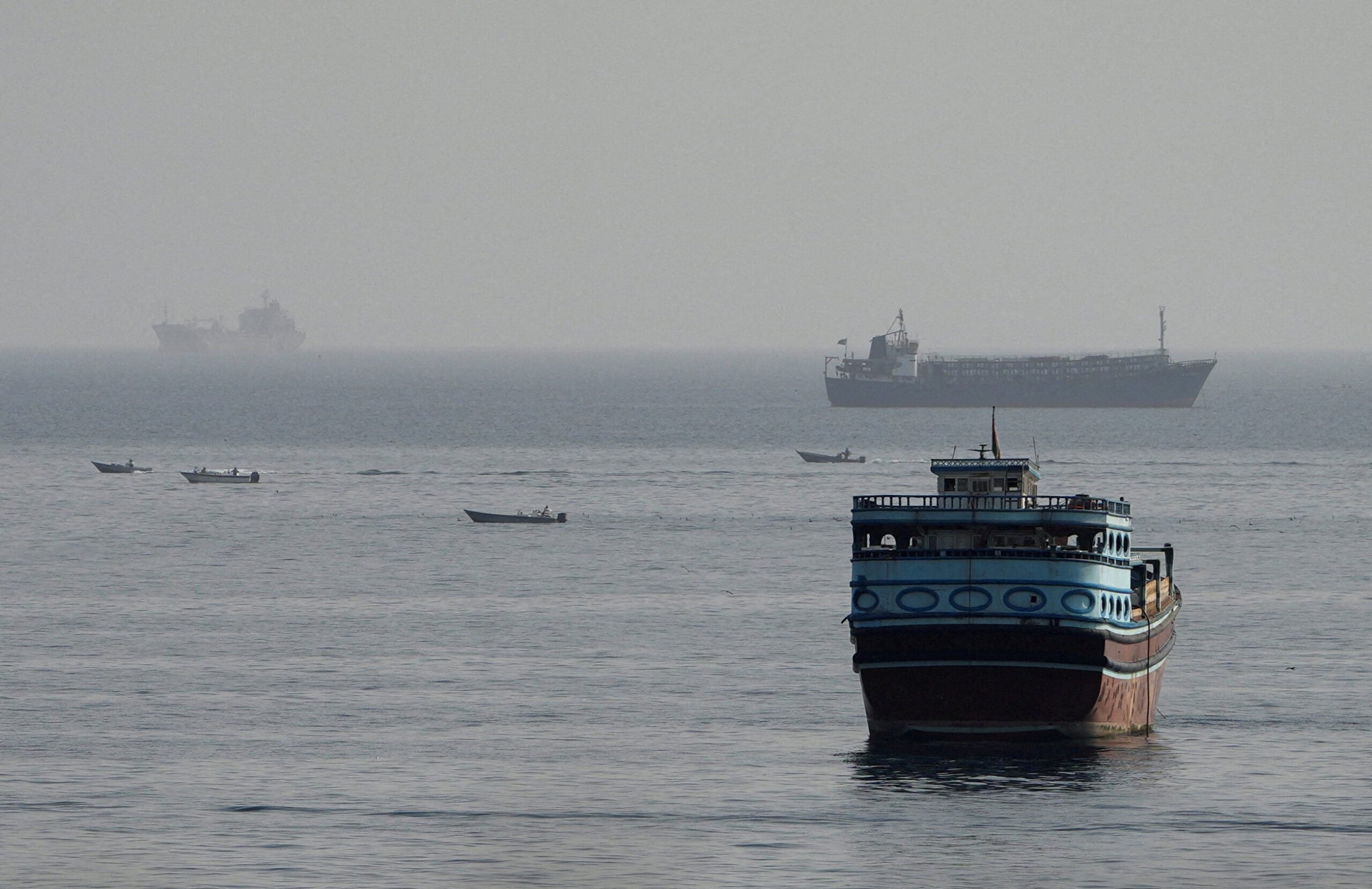
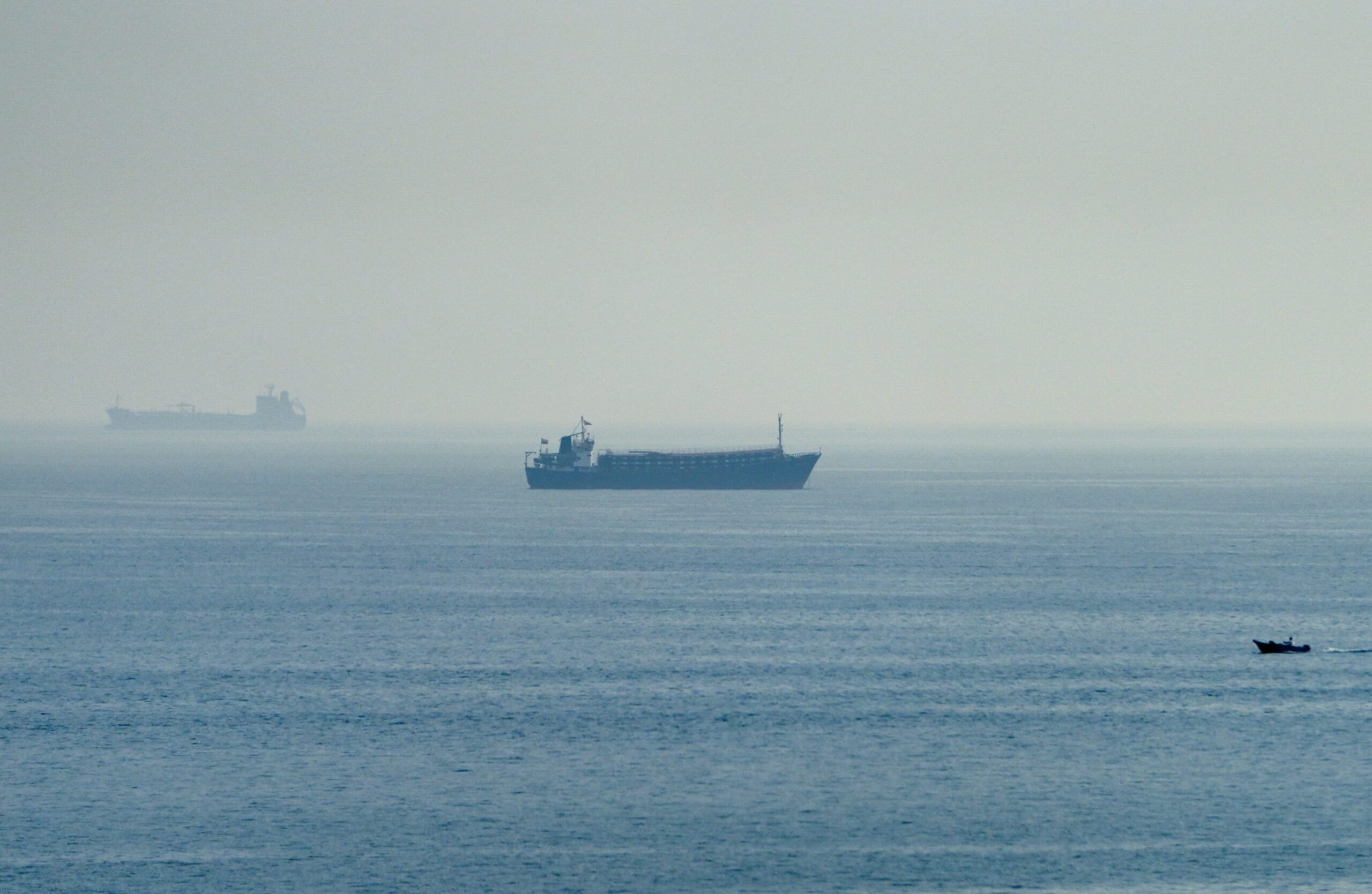
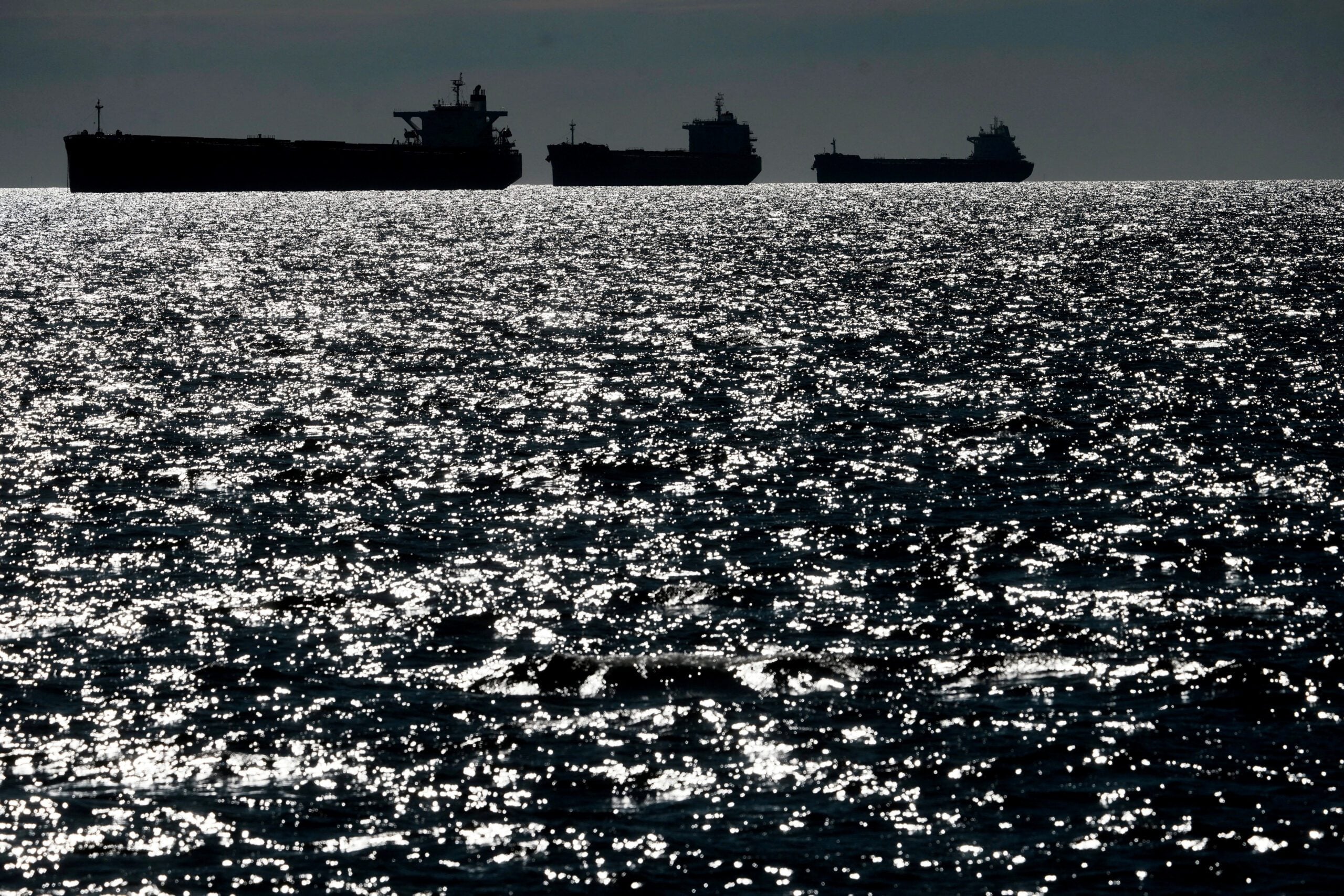
The eye-watering prices are the result of a global tanker shortage that is getting worse with every additional barrel of oil flowing through the Strait of Hormuz. For weeks now, supertanker markets have been in the middle of a boom the likes of which industry veterans have never seen. Brokerage SSY says that, even after adjusting for inflation, rates are now the highest since the first supertankers hit the world’s oceans in the 1960s — surpassing the tanker wars of the 1980s, when Iran and Iraq attacked commercial shipping in the Persian Gulf.
“There’s really not quite enough shipping to go around,” Russell Hardy, chief executive officer of Vitol Group, the world’s biggest independent oil trader, said at a conference this week. “We’ve had pretty parabolic pricing.”
The surge is a fresh complication for an oil market that has spent months adapting to the historic disruption caused by the Iran war. Higher shipping costs are making crude more expensive for buyers, eating into refining margins and adding to inflationary pressures in energy markets.
At the heart of the boom is a simple problem: There aren’t enough tankers to efficiently carry all the barrels that need transporting. Middle Eastern producers have been increasingly reliant on shuttling oil out of Hormuz onto other ships as the Iran war rewires the region’s trade flows. Those journeys are at times adding about a week to each voyage, stretching out the global fleet. Their impact has grown as shipments through Hormuz recover to about 80% of pre-war levels, according to industry executives.
The stop-start nature of those trade flows has made the shortage even more acute. When traffic through Hormuz collapsed, tankers spent weeks sailing empty from the Middle East to other parts of the world in search of business. Now that Gulf shipments are recovering, vessels have to reposition again — a process that can take weeks. The effective pause in Iranian exports to China has added to the strain, forcing Chinese buyers to source more crude elsewhere and increasing demand for tankers operating in the mainstream market.
Iranian attacks that put ships out of service for repairs are tightening capacity further, while some vessels are adding thousands of miles to their journeys around Africa to avoid Houthi attacks.
“We’ve certainly seen extraordinary freight markets before, but the speed, magnitude and breadth of this rally are remarkable,” said Lauren Gallinari, head of business intelligence at shipbroker MJLF & Associates.
Freight Squeeze
What was once a small midstream cost is now huge when measured relative to overall crude prices. This week, one booking was agreed from the US at a rate that equates to a transport cost of $41 a barrel, when the average for the same route last year was $4.50. That’s about 45% of the price of West Texas Intermediate futures, which traded near $91 a barrel on Friday.
For tanker owners, those soaring freight costs are translating into a windfall. The rally is making millions for the narrow cadre of often-secretive shipowners who dominate the market, including an enigmatic South Korean tycoon as well as a pool of Greek families and Norwegian magnates. When rates hit new heights earlier this month, the mood in the tanker market was that there was little end in sight to the rally. Many owners are still bullish over the short term, and up to now, those who bet against them have been wrong.
“With little additional capacity available, freight becomes increasingly dependent on what charterers can afford to pay,” Clarksons Securities analysts wrote.
The volatility has become so extreme that traders can struggle to estimate shipping costs within even several dollars a barrel, Vitol’s Hardy said.
The industry is already adapting. Cargoes from West Africa and South America that would usually be shipped on a supertanker are being split onto two smaller Suezmax ships, while oil producers are looking to buy vessels or lock in long-term hires in a bid to shield themselves from the volatility. Middle Eastern producers including Iraq, the UAE and Kuwait have all been in the market to purchase tankers in recent weeks.
Those workarounds are spreading the squeeze. Average daily earnings for Suezmax vessels have jumped to more than $680,000, about five times their level at the start of the month. Rates for ships hauling gases like propane are near records, having more than tripled since the end of last year.
Buying a way out is increasingly costly as well. The value of a new oil tanker on the second-hand market has climbed to $240 million, the highest on record, according to Clarkson Research Services Ltd., a unit of the world’s largest shipbroker, and more than 60% above its level at the end of last year.
For oil producers, soaring freight costs are starting to reshape the economics of where their crude can competitively be sold. In West Africa, where exporters rely heavily on refiners about 10,000 miles away in China, crude values are tumbling as sellers discount cargoes to offset the rising cost of getting them there.
In a trading update this week, Shell Plc said that some of its third-quarter results will see an effect from “an increase in variable components of long-term shipping leases in the current macro environment.” It made a similar disclosure earlier this year. Meanwhile, the value of the world’s largest listed shipping companies has soared to a fresh record north of $70 billion.
The key question now is how much further the rally can go before it makes the business of buying crude, shipping it across the world and turning it into fuels unprofitable.
At the moment, a shortage of diesel means refining margins are hefty, but surging freight is starting to erode that cushion. While European refiner Repsol reported margins of $36 a barrel in the third quarter, analysts at RBC say those numbers contracted in October to about $15, partly as a result of high tanker costs. If freight keeps climbing, refiners could eventually respond by cutting how much crude they process.
“The market is going from strength to strength,” said Tor Svelland, founder of hedge fund Svelland Capital, who began his career as a freight trader. “At a certain point, refineries can easily take a breather. When you go from 5% of the value of a cargo to 50%, trade flows will stop.”
© 2026 Bloomberg L.P.

 Join The Club