By Arsalan Shahla and Alisa Odenheimer
May 26, 2026 (Bloomberg) –US and Iranian forces clashed near the Strait of Hormuz overnight, highlighting the tension between the two sides even as they tout progress toward an interim peace deal.
The strikes came hours after US President Donald Trump reiterated that negotiations with Tehran to extend their ceasefire and reopen the strait were proceeding, and just before Iran’s Supreme Leader Mojtaba Khamenei published a statement warning that the “nations and lands of the region will no longer be a shield for American bases.”
The 56-year-old supreme leader, who hasn’t been seen in public since his appointment in March, didn’t suggest there were new stumbling blocks in the talks or criticize the US for the clashes on Monday night. But the exchange underscored the confusion that’s characterized the talks since a ceasefire was struck early last month.
Read More: Iran’s Supreme Leader Faces Toughest Test Yet: Balance of Power
There’s “a lot of talking back and forth” about “specific language in the initial document, so it’ll take a few days,” US Secretary of State Marco Rubio told reporters in India on Tuesday morning.
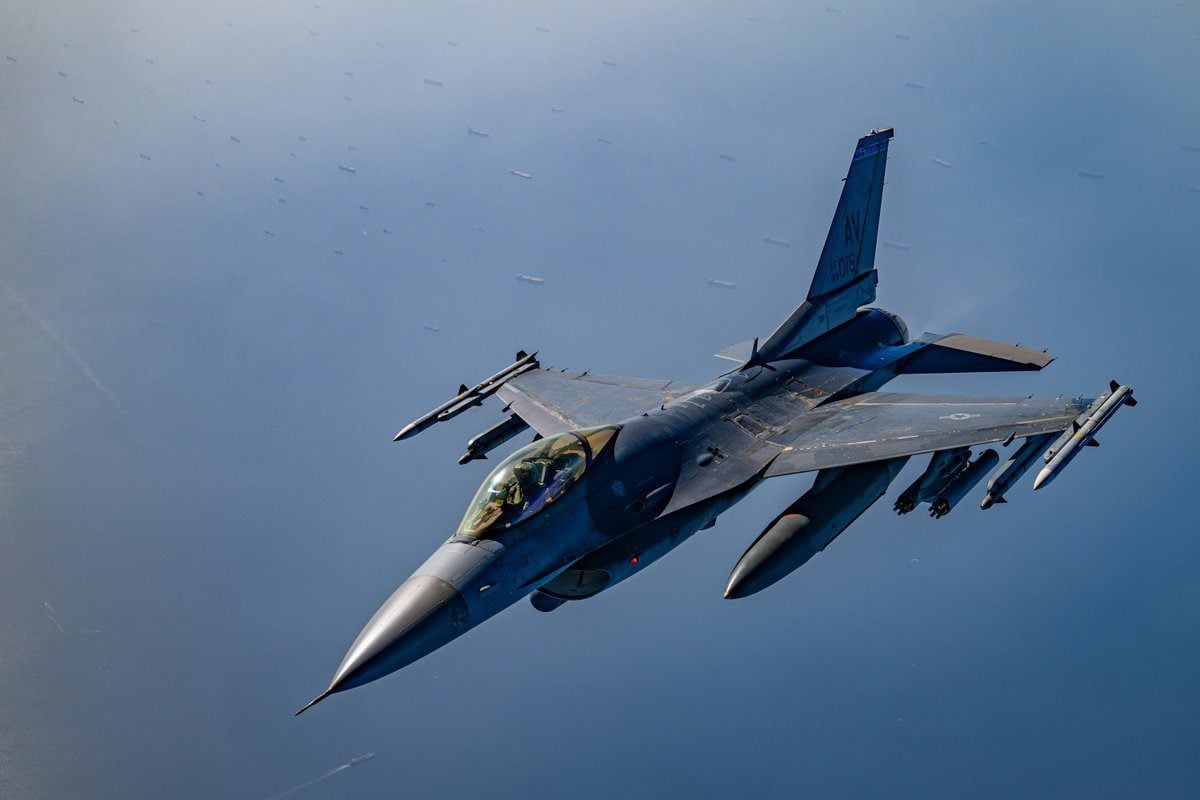
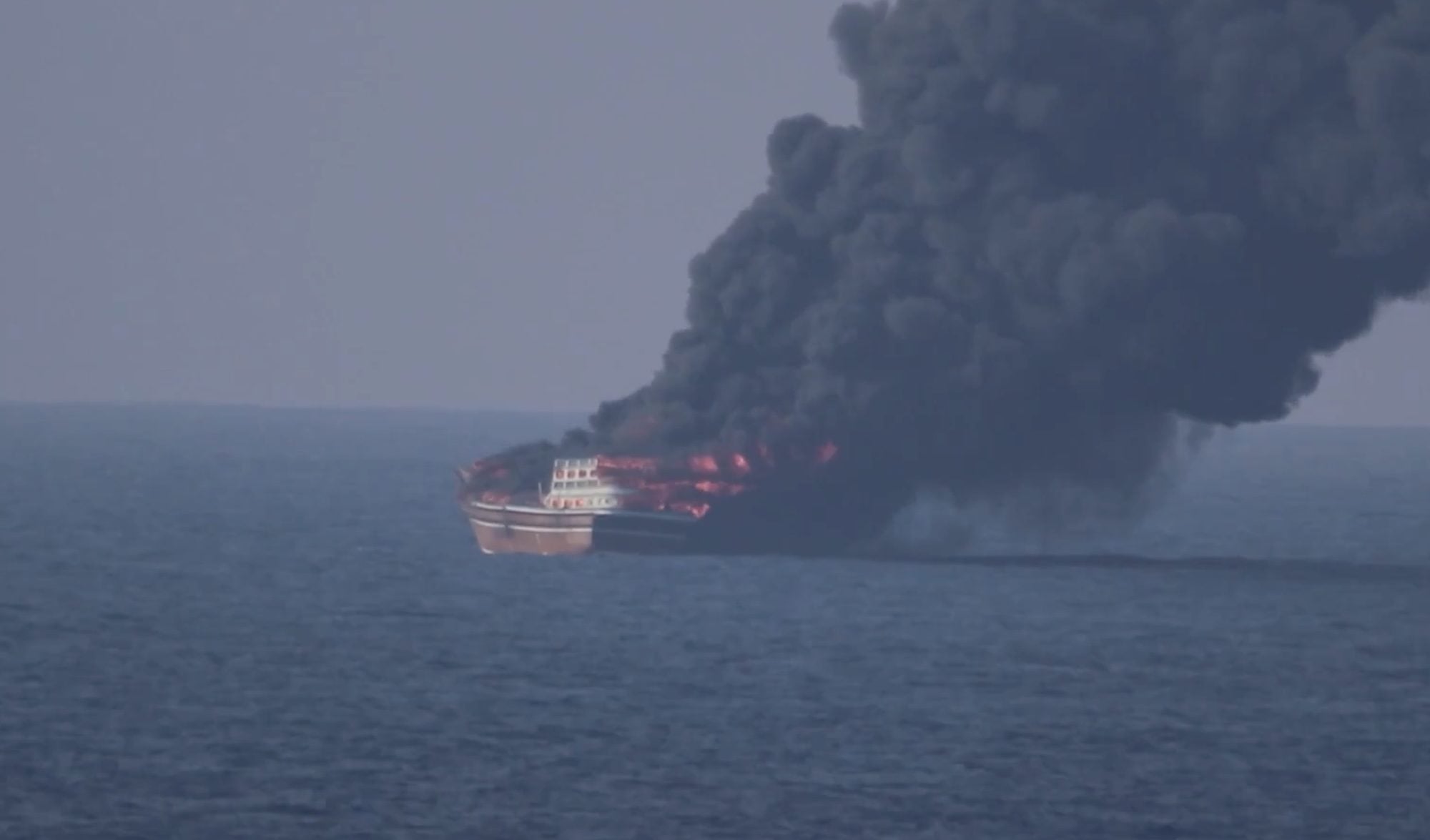
The US military said it conducted self-defense strikes in southern Iran, targeting missile-launch sites and boats attempting to lay mines, while the Islamic Revolutionary Guard Corps said it fired at an F-35 fighter jet and several drones after they entered Iranian airspace.
The IRGC claimed it shot down an unmanned MQ-9 Reaper drone and forced the other aircraft to flee. Several Iranian personnel were killed in the attacks on vessels near Larak Island in the Strait of Hormuz, Iran’s state-run Nour News reported, without providing further details. Israel’s military said it wasn’t part of the US operation.
Rubio said Trump would either agree to a good deal or make no deal at all. The president is under pressure from Iran hawks in the US, including Republican Sen. Lindsey Graham. They are concerned the emerging deal, which may see the US unfreeze billions of dollars of Iranian funds and lift a blockade of Iranian ports, concedes too much and want more strikes to further weaken the Islamic Republic’s military.
Trump has to balance those pressures with the increasing unpopularity among Americans of the war, which began with a US-Israeli bombardment of Iran in late February. The conflict and Iran’s effective closure of Hormuz have caused energy prices to soar and are pushing up inflation globally.
Brent crude rose 3.8% to just below $100 a barrel on Tuesday, though it’s still down this week on signs an interim deal is closer.
Read More: UAE Joins Saudis, Qatar in Urging Trump Not to Restart War
Arab states including Saudi Arabia, the United Arab Emirates and Qatar have urged Trump to continue with diplomacy. They fear a return to hostilities would cause Iran to revert to firing drones and missiles on their countries, as it did before the April truce, causing tens of billions of dollars of damage and killing scores of people.
On Monday, Trump, in a Truth Social post, urged Saudi Arabia, Qatar and other countries to join the Abraham Accords and recognize Israel. That appears unlikely unless Israel takes steps toward allowing a Palestinian state, which its government has ruled out.
Beyond the frozen funds, other obstacles to a US-Iran pact include whether Tehran will allow ships free passage through the Strait of Hormuz. The US, Arab states and Europe say it must, but Iranian officials say they want to charge fees for navigation services.
Read More: Iran in Talks With Oman Over Permanent Hormuz Toll System
Trump also wants Iran to commit to handing over or destroying its stocks of highly-enriched uranium, which the US fears could be used to build an atomic bomb. Iran has publicly rejected that, though it’s also signaled it may send the stocks to a third country, with Russia and China being the most likely candidates.
Read More: Israel to Intensify Lebanon Strikes Amid US-Iran Deal Talks
Lebanon, where Israel is fighting Iran-backed Hezbollah militants, is another sticking point. Iran insists on a ceasefire there too, while Israel has said it must be allowed freedom of action.
Late Monday, Prime Minister Benjamin Netanyahu said Israel will intensify strikes on Lebanon, where its invasion has killed thousands of people and displaced more than a million.
An Iranian delegation headed by Parliament Speaker Mohammad Bagher Ghalibaf traveled to Doha for consultations with senior Qatari officials on Monday. The Iranian central bank governor, Abdolnaser Hemmati, was part of the group and was set to discuss the release of frozen Iranian funds, the Fars news agency reported.
Even if the sides can reach an interim agreement, which will probably see the ceasefire extended by around two months, they would then need to go into complicated negotiations over Iran’s nuclear program. The war could still restart if those were to break down.
© 2026 Bloomberg L.P.

 Join The Club