Drawing on Yemen monitoring and the Black Sea Grain Initiative, the UN looks to replicate past wartime shipping lifelines
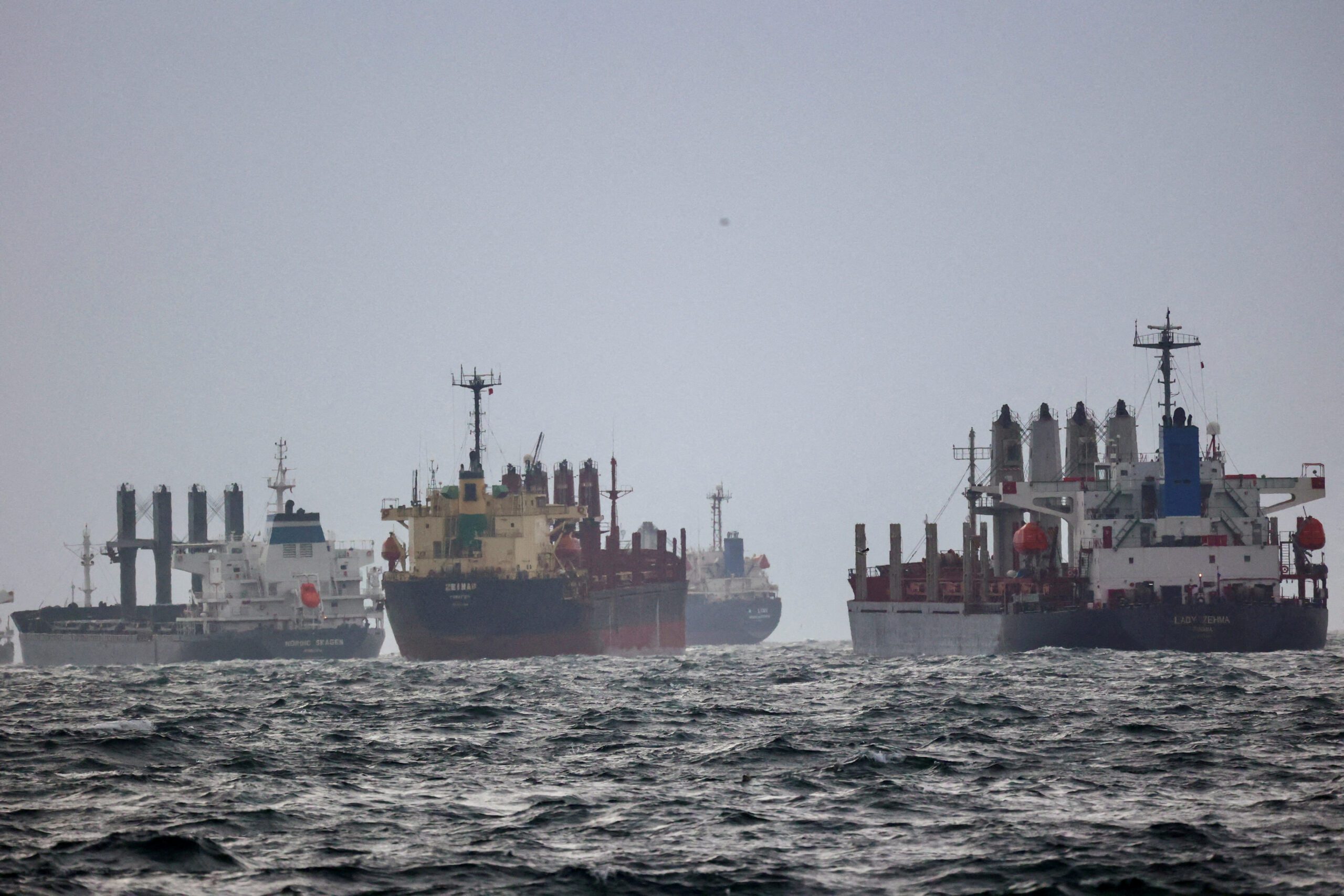
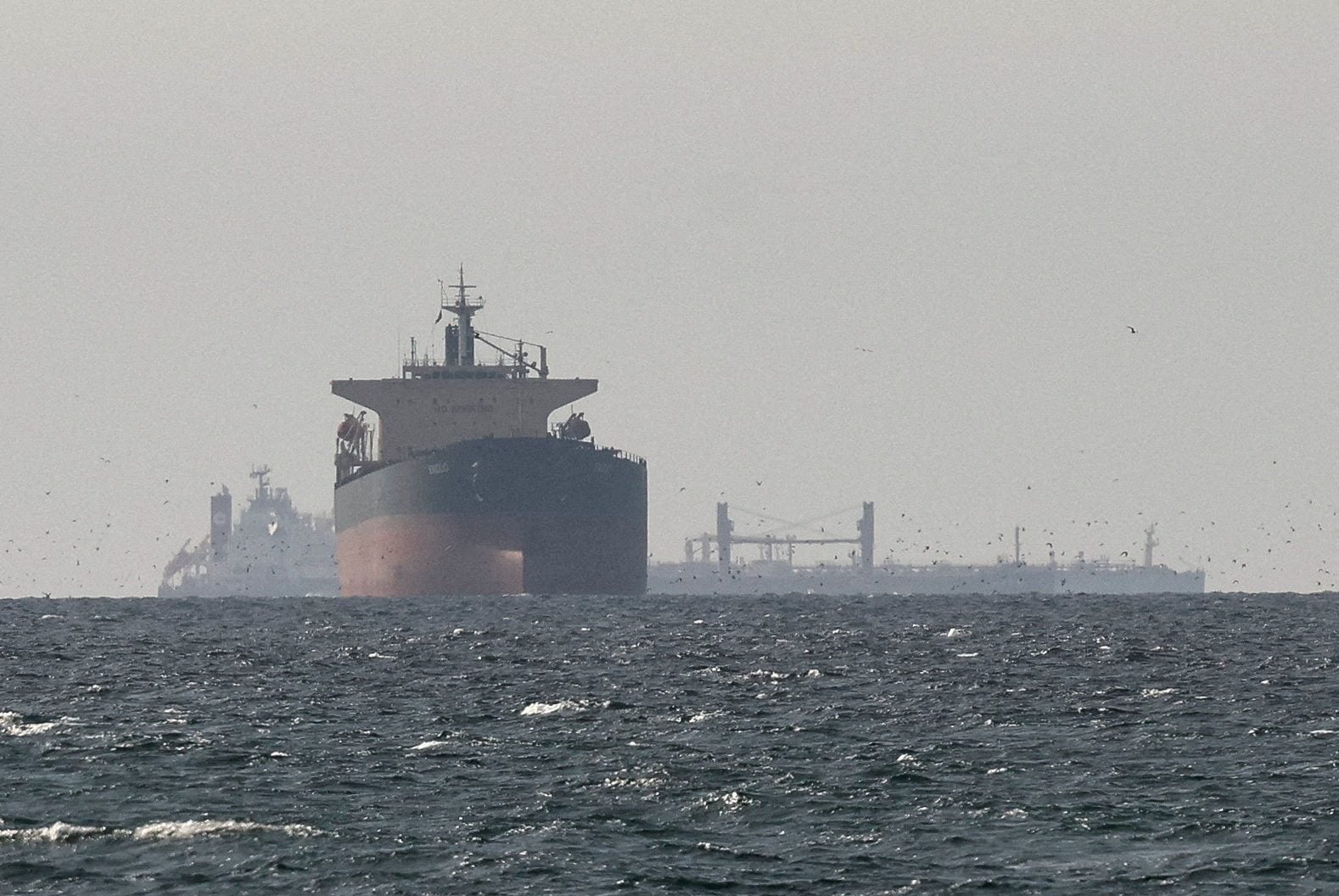
The United Nations is stepping up efforts to contain the fallout from the escalating crisis in the Strait of Hormuz, advancing a new humanitarian-focused shipping mechanism as thousands of vessels remain effectively trapped inside the Gulf.
In a note to correspondents issued Friday, UN Secretary-General António Guterres warned that continued disruption to maritime trade through Hormuz risks triggering cascading impacts on global food systems—particularly fertilizer supply chains—if immediate mitigation measures are not implemented.
The move builds on a parallel effort led by the International Maritime Organization, which earlier this month proposed a “safe maritime corridor” to help vessels exit high-risk waters without relying on naval escorts. That plan emerged as hundreds of ships and thousands of seafarers remain stranded in the Gulf amid sustained attacks, insurance withdrawals, and operational paralysis.
From Evacuation Corridor to Sustained Trade Mechanism
While the IMO-led corridor is designed as an urgent, short-term evacuation pathway for stranded mariners, the UN’s newly announced “Hormuz mechanism” appears aimed maintaining limited but critical trade flows through the strait even as the conflict continues.
UN officials say the framework will draw on earlier conflict-era shipping arrangements, including the UN Verification, Inspection and Monitoring Mechanism for Yemen and the Black Sea Grain Initiative—both designed to keep essential cargo moving through contested waters.
A dedicated task force—led by Jorge Moreira da Silva of the United Nations Office for Project Services and including United Nations Conference on Trade and Development and the International Chamber of Commerce—has been tasked with developing technical solutions to facilitate the movement of fertilizers and related raw materials.
The focus reflects mounting concern that prolonged disruption in Hormuz could quickly translate into agricultural shortfalls, particularly in import-dependent economies already facing elevated costs and supply constraints.
Shipping Stalemate Forcing New Approaches
The IMO-led evacuation corridor and UN-led trade mechanism underscore the reality that traditional solutions to reopening Hormuz are proving difficult to implement.
Naval escort operations, long seen as the most direct way to restore confidence, have struggled to gain broad international backing. Several key U.S. allies have declined to commit warships, citing legal mandates and escalation risks, leaving policymakers searching for alternatives that reduce risk without further militarizing the waterway.
Unlike broader efforts to fully reopen the strait, the UN initiative is explicitly framed around humanitarian priorities—starting with fertilizers, a critical input for global food production. “The immediate goal is mitigation,” the UN said, signaling that the mechanism is designed less as a commercial reopening and more as a targeted intervention to prevent downstream crises.
If successful, the framework could also serve as a confidence-building measure among member states, potentially opening space for broader diplomatic progress. To that end, the Secretary-General’s Personal Envoy, Jean Arnault, has been tasked with leading political engagement alongside the technical work of the task force.
Whether either effort can be implemented safely in an active conflict zone—and whether Iran will support or tolerate such frameworks—remains uncertain. But with thousands of ships still waiting and global supply chains beginning to feel the strain, the pressure to move critical cargoes is rapidly building.
Editorial Standards · Corrections · About gCaptain

 Join The Club