Commercial vessels operating in and around the Strait of Hormuz face the risk of being treated as hostile targets if they fail to comply with U.S. military instructions, according to a pair of new maritime security advisories issued Thursday by the Joint Maritime Information Center (JMIC).
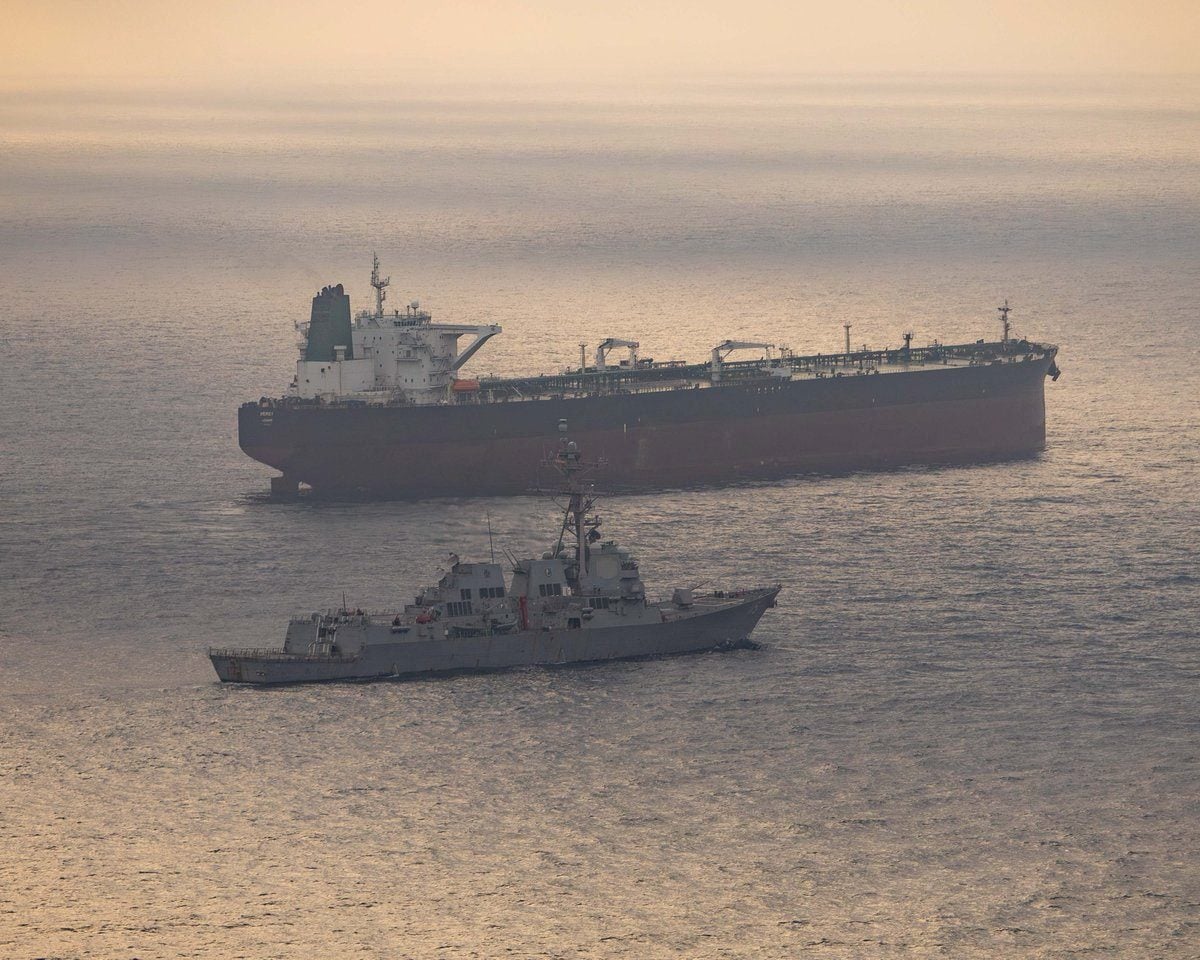
The warnings come as the U.S. Navy expands military operations near the Strait of Hormuz and continues enforcing a blockade of Iranian ports amid the ongoing conflict with Iran.
In one of the strongest warnings issued to commercial shipping since the crisis began, U.S. Naval Forces Central Command (NAVCENT) said vessels that do not comply with directions from U.S. forces “may be determined to be an imminent threat and subject to proportionate measure of self-defense in accordance with international law.”
The advisory also states that any vessel observed engaging in or supporting mine-laying activities “will be targeted by U.S. forces in self defense.”
The warning was included in JMIC Advisory Note 005-26, which announced military operations north of Oman’s Musandam Peninsula, a strategically important area overlooking the Strait of Hormuz. The advisory accuses Iran of attempting to exert illegal control over the waterway and of conducting mine-laying operations that endanger commercial shipping.
Mariners were instructed to avoid the Strait of Hormuz Traffic Separation Scheme, coordinate transits with the U.S. Navy’s Naval Cooperation and Guidance for Shipping (NCAGS) program, maintain a continuous watch on VHF Channel 16, and comply immediately with instructions from U.S. forces.
JMIC maintained its regional maritime threat level at CRITICAL, warning vessel operators to expect increased naval activity, heightened force protection measures, VHF hailing by military units, and congestion near anchorage areas.
A second advisory, JMIC Note 006-26, reaffirmed that the U.S.-led blockade of Iranian ports remains in effect throughout the Arabian Gulf, Strait of Hormuz, Gulf of Oman, and North Arabian Sea.
According to the notice, all traffic inbound to or outbound from Iranian ports remains subject to blockade enforcement. The advisory further states that vessels participating in ship-to-ship transfers intended to circumvent the blockade may also be considered in violation.
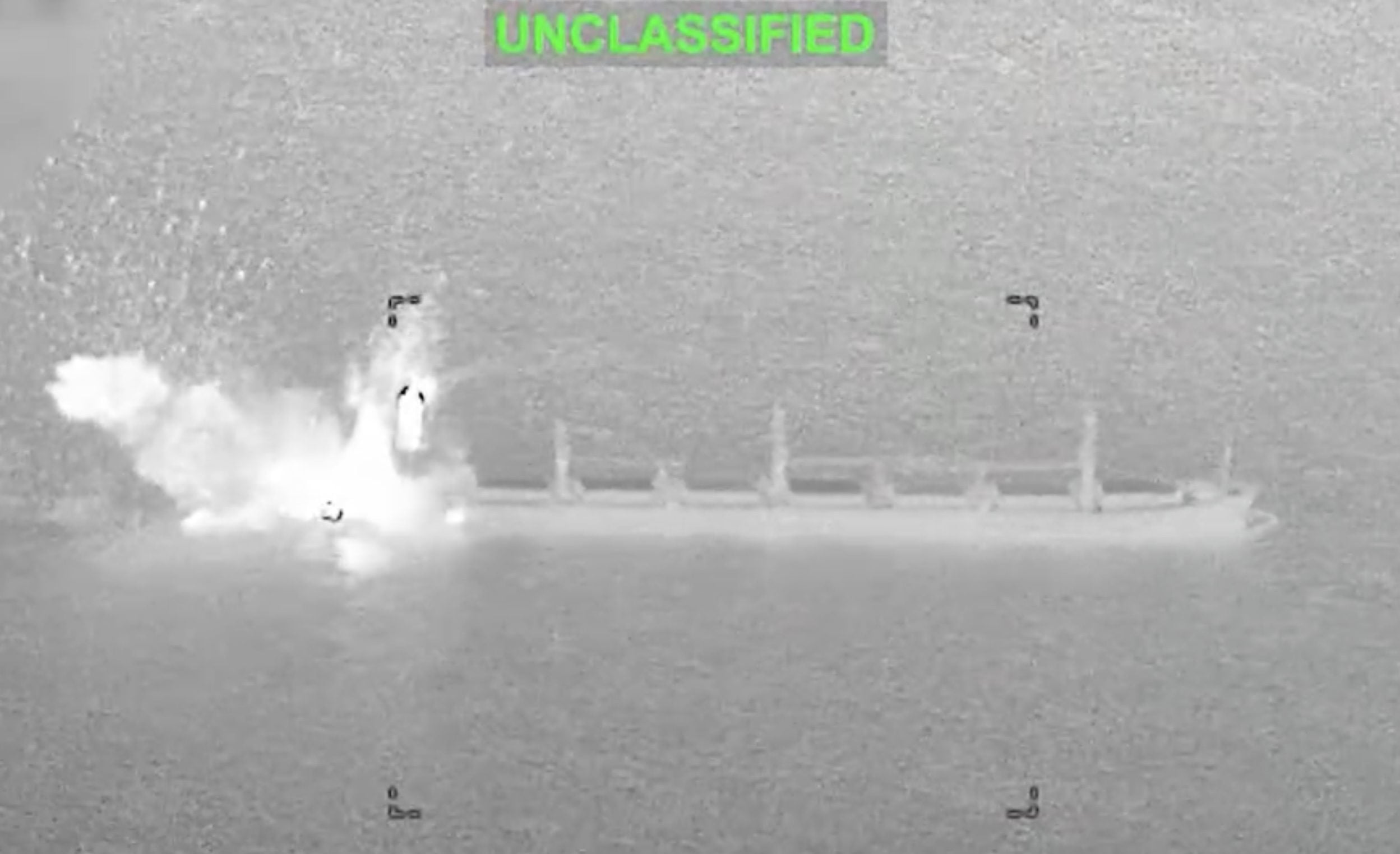
The blockade notice warns that enforcement actions may include “disabling and destructive fires” against vessels that fail to demonstrate immediate compliance with blockading forces.
While the U.S. Navy said neutral merchant shipping remains free to navigate international waters, it cautioned that it cannot guarantee the safety of vessels operating near ongoing military operations. Ships transiting the region were advised to clearly communicate their intentions, respond promptly to military hails, and maintain a standoff distance of at least 30 nautical miles from U.S. naval units to reduce the risk of misidentification.
The advisories underscore the increasingly dangerous environment facing commercial shipping in one of the world’s most important maritime chokepoints. Despite ongoing diplomatic efforts aimed at easing tensions, military authorities continue to warn that the threat to merchant vessels in and around the Strait of Hormuz remains severe.

 Join The Club