By Mia Gindis and Charles Gorrivan (Bloomberg) — US oil prices ended Monday’s session above $100 a barrel for the first time since the US and Israel launched a war against Iran as President Donald Trump threatens further escalation of attacks, including on critical energy infrastructure.
West Texas Intermediate futures rose more than 3% to settle just below $103 a barrel, the highest since July 2022. The $100 price level is a key threshold closely watched by traders and other market participants. Global benchmark Brent, meanwhile, is on track for a record percentage gain in March, and average US retail gasoline prices are hovering just below $4 a gallon.
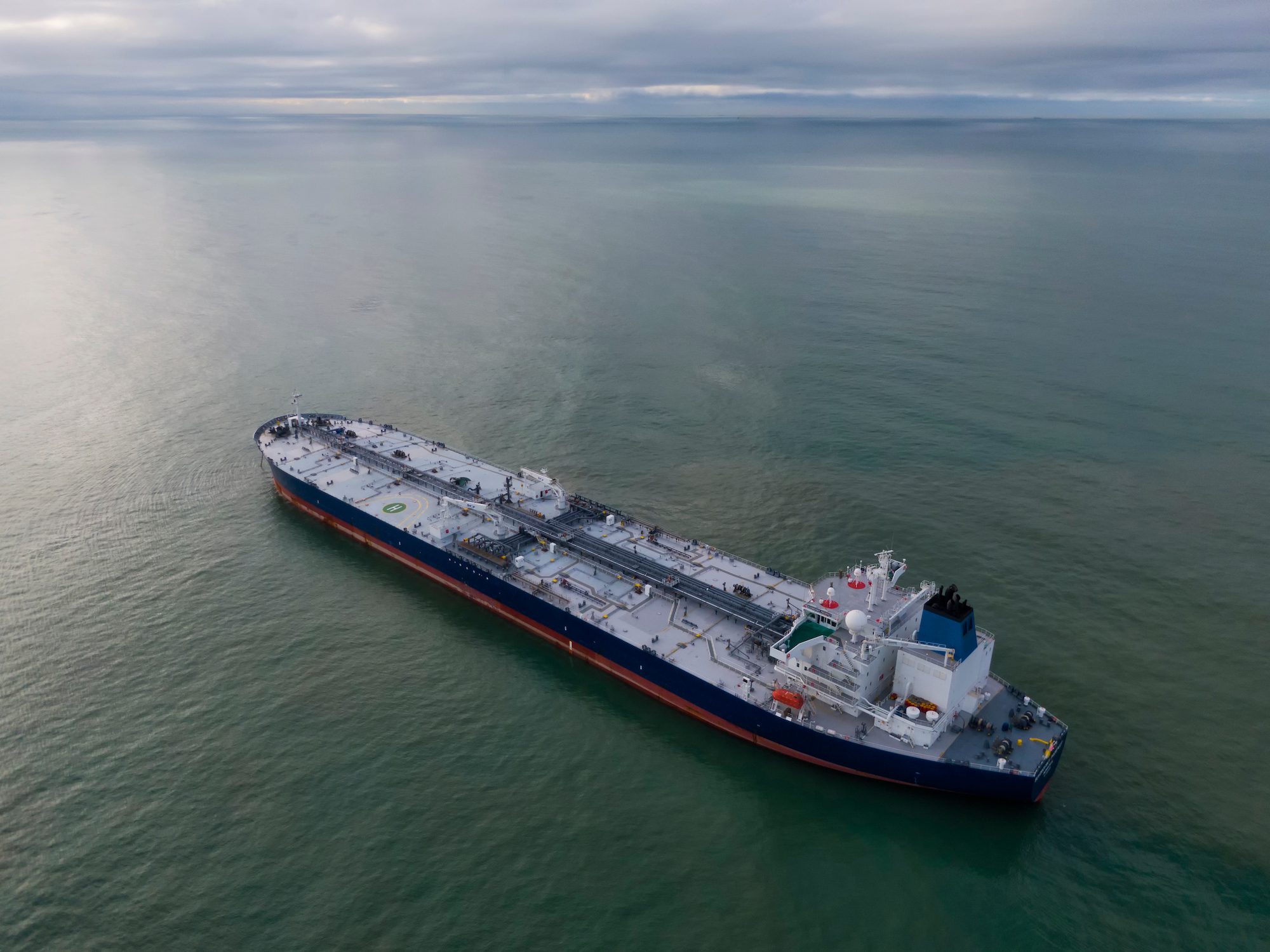
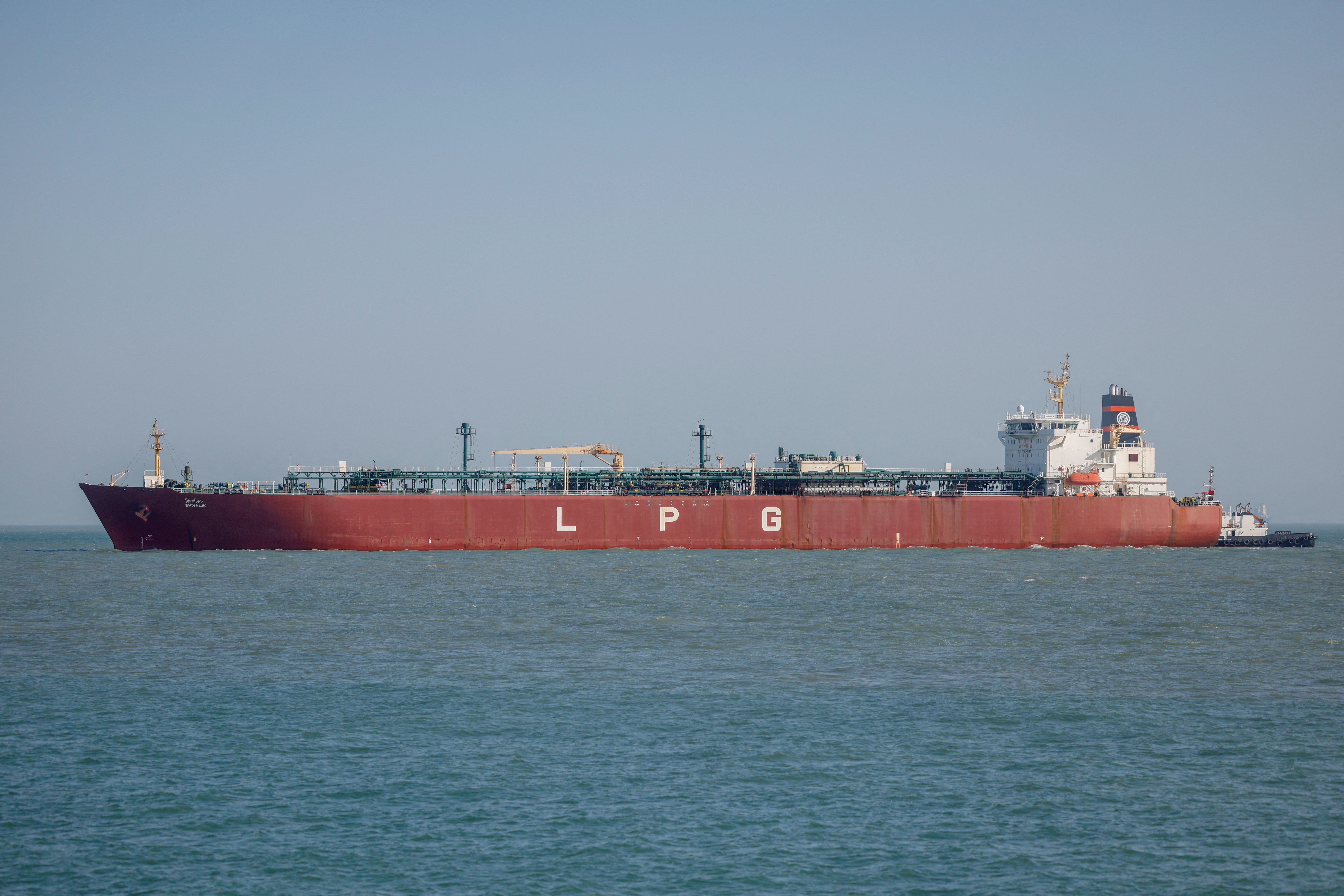
The war in the Middle East has upended global markets and triggered concern about a simultaneous spike in inflation and slowdown in economic growth. The critical Strait of Hormuz is choked off for all but a fraction of vessel traffic, paralyzing energy shipping. And uncertainty remains wide — any major damage to Persian Gulf energy infrastructure stands to send oil prices even higher and increase costs for consumers and businesses.
“The $100-dollar mark presents a totemic level not only for energy markets, but also for cross-asset investors,” said Frank Monkam, head of macro trading at Buffalo Bayou Commodities. Investors will see this as raising risk levels for “inflation, growth and policy volatility,” he said.
Fuel prices are already surging. Average US retail gasoline prices stood at $3.99 a gallon as of Sunday, according to the American Automobile Association. If pump prices cross the $4 a gallon mark, it would be the first time that they’ve breached that psychological level since 2022. That would add pressure on Republicans in the months ahead of the November midterm elections, which are expected to hinge on voters’ concerns about the cost of living.
In a Truth Social post, Trump said that if a deal with Iran isn’t reached shortly and “if the Hormuz Strait is not immediately ‘Open for Business,’ we will conclude our lovely ‘stay’ in Iran by blowing up and completely obliterating all of their Electric Generating Plants, Oil Wells and Kharg Island.”
The latest US threats represent a further escalation as the conflict enters its fifth week, threatening the outlook for future production despite a diplomatic push by Washington last week and separate peace talks over the weekend in Pakistan.
Iran’s oil exports are almost completely dependent on Kharg Island, a small outpost in the Persian Gulf. The island is the loading point for around 90% of the country’s crude shipments.
WTI closing above $100 is “clearly indicating that we are not in a deescalation mode, but quite the opposite,” said Claudio Galimberti, chief economist of Rystad Energy. Still, both Iran and the US “have an incentive to reach this cease fire. And I think we, we should not discount the ability to get there relatively quickly,” he said.
Crude prices were also bouyed on Monday as more US troops arrived in the region and the Iran-backed Houthi militants in Yemen entered the war. Traders are warning that an even bigger increase in energy prices is on the way if the conflict doesn’t end soon.
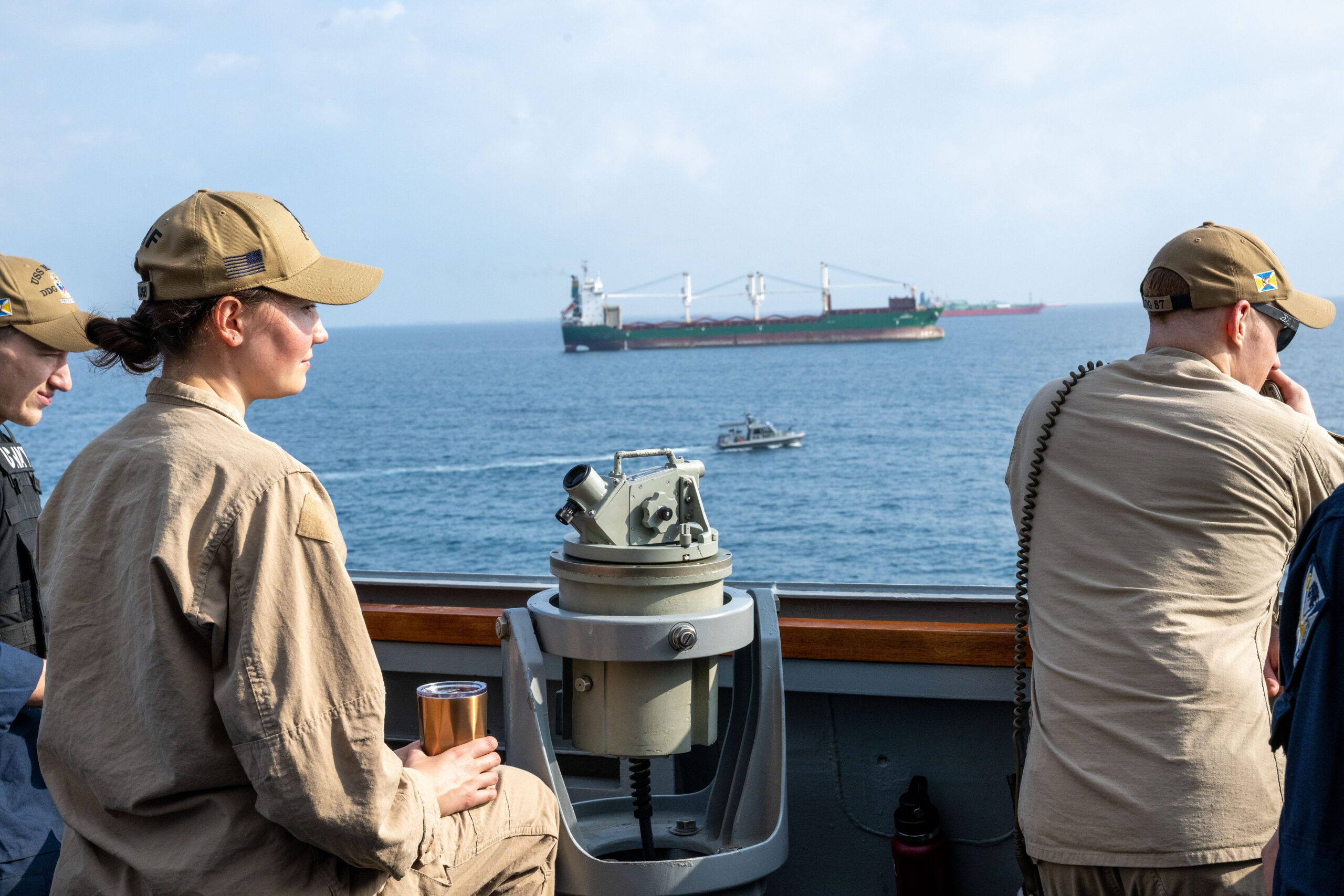
Treasury Secretary Scott Bessent said in an interview Monday on Fox News that the US is going to retake control of the Strait of Hormuz over time, and there will be freedom of navigation — whether it is through US escorts or a multinational escort.
Still, traders remain skeptical.
“Their talk-down-of-the-day tactic is growing old,” said Darrell Fletcher, managing director for commodities at Bannockburn Capital Markets.
The Strait of Hormuz handles about a fifth of the world’s oil flows in normal times. Tehran has moved to formalize its control of the artery, barring most vessels, while allowing a handful to pass, including from Pakistan, Thailand and Malaysia. In a symbolically significant move, two state-owned Chinese container ships were trying to exit Hormuz on Monday.
Light holiday trading on Monday also made the market more vulnerable to exaggerated swings, Fletcher said.
Brent futures were volatile on Monday amid the thin liquidity, with traders increasingly staying on the sidelines to avoid extreme headline-driven price swings. Front-month May futures fluctuated as investors closed out those positions ahead of the contract expiring on Tuesday, closing near $113 a barrel.
Banks have been scrambling to calculate how the war — and prices — may evolve. Macquarie Group Ltd. said last week futures may hit $200 a barrel if the conflict drags on till June and Hormuz stays shut in a scenario with 40% odds.
© 2026 Bloomberg L.P.
Editorial Standards · Corrections · About gCaptain
This article contains reporting from Bloomberg, published under license.

 Join The Club