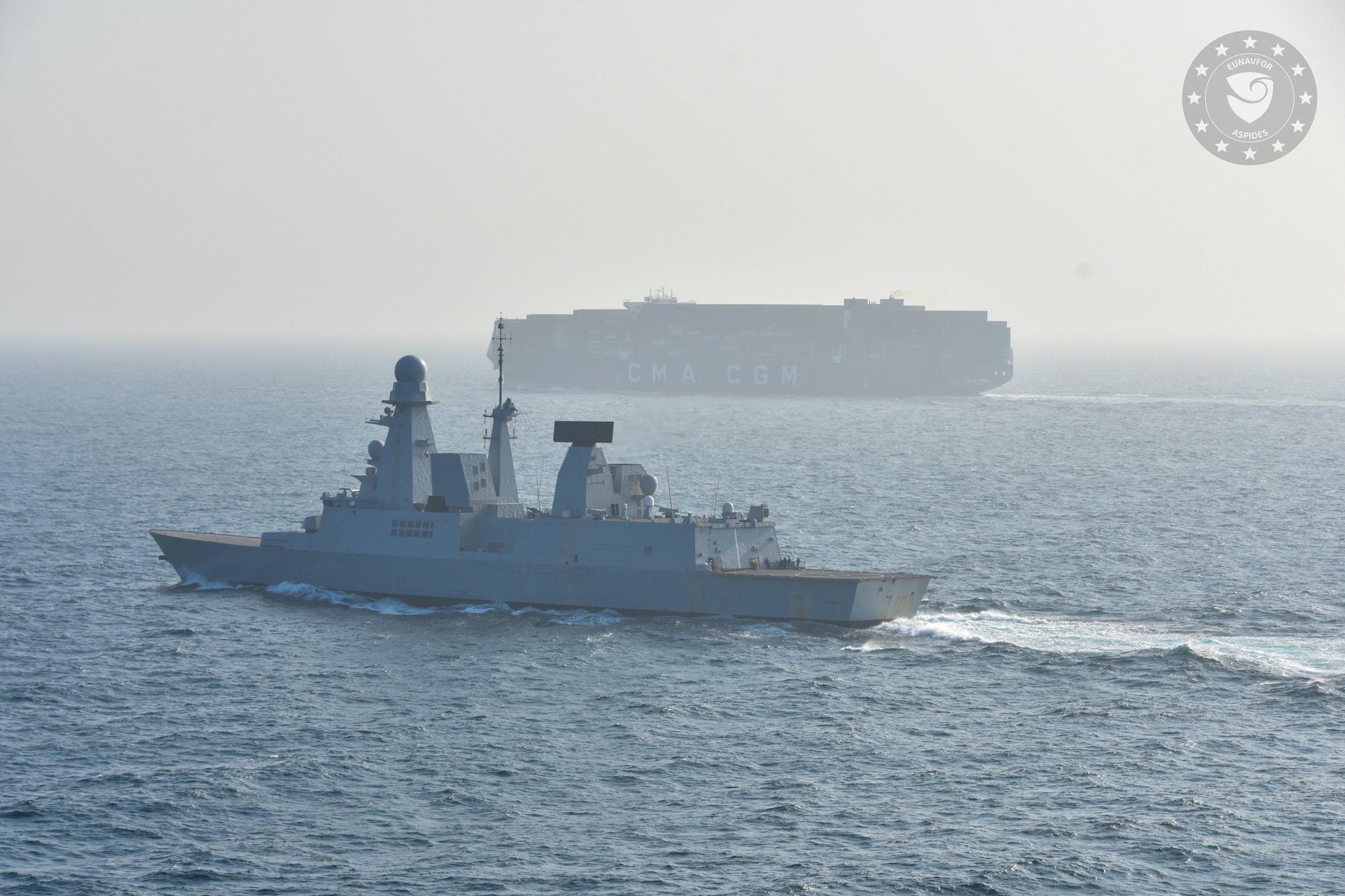
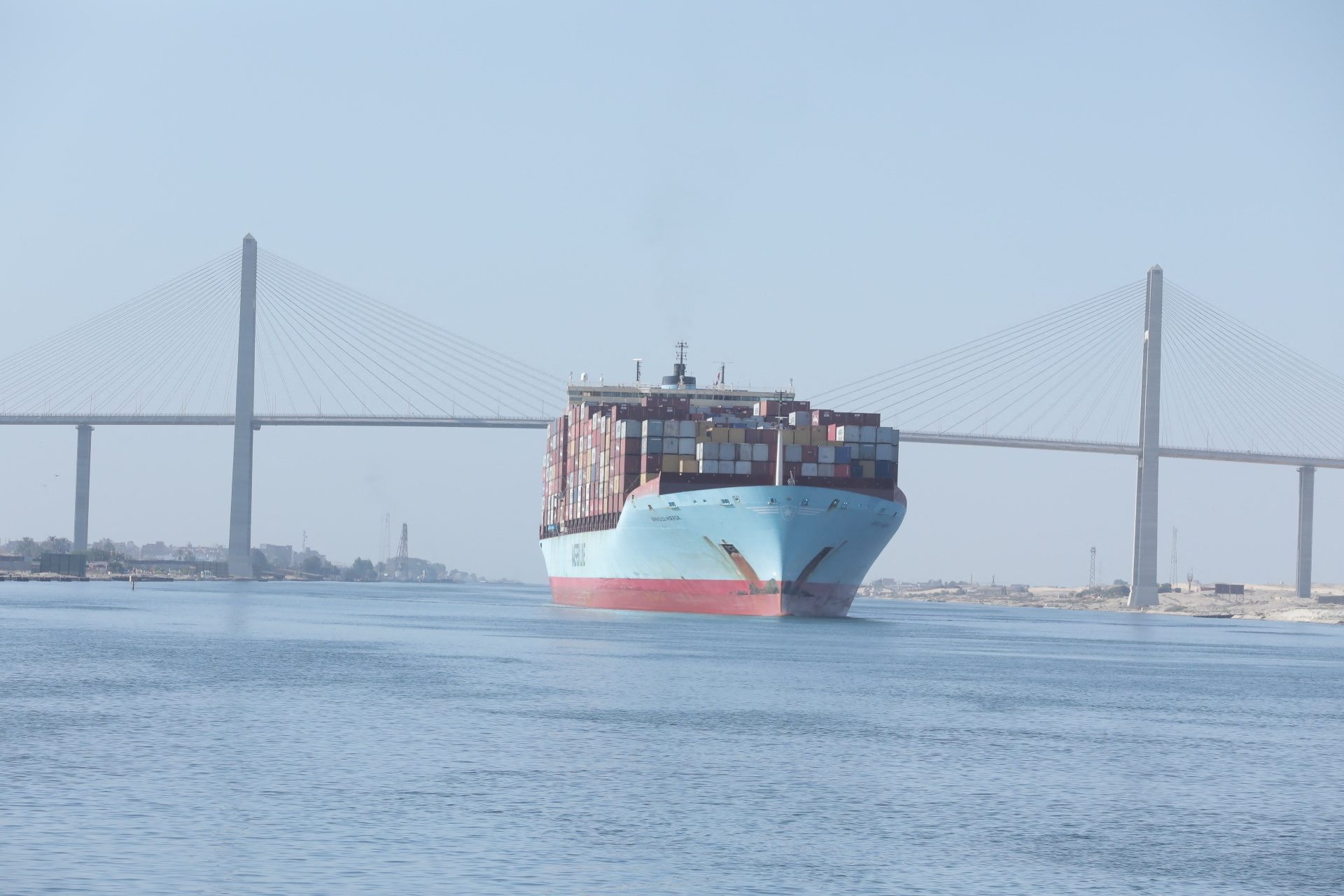
The Federal Maritime Commission says it is closely monitoring new surcharges being introduced by ocean carriers amid the escalating security crisis around the Strait of Hormuz, warning that emergency fees must still comply with U.S. shipping regulations.
In a statement released Wednesday, the Commission said it is reviewing new charges implemented by container lines responding to disruptions in the Gulf to ensure they comply with the Shipping Act of 1984.
“Under its statutory authority, the Commission ensures that rates, charges, and rules that common carriers have implemented as a result of the threats to commercial shipping in the Strait and neighboring waters do not violate the Shipping Act,” the agency said.
The notice comes as shipping lines begin adding fuel and conflict-related surcharges tied to rising energy costs, war-risk premiums, and operational disruption across Middle East trade lanes.
A.P. Moller – Maersk on Wednesday announced a temporary global Emergency Bunker Surcharge (EBS) to address fuel availability and price volatility linked to the crisis. The surcharge will apply globally beginning later this month and could add roughly $200 per 20-foot container and $400 per 40-foot container, with higher charges for refrigerated equipment.
Separately, carriers have also begun introducing regional emergency freight increases on Gulf cargo, with surcharges in some trades reported as high as $1,800 per 20-foot container and $3,000 per 40-foot container on shipments moving to or from Persian Gulf ports.
Industry analysts say such charges are common during geopolitical disruptions as carriers attempt to recover rising costs tied to fuel spikes, insurance premiums, vessel rerouting, and operational delays.
Tariff Rules Still Apply
Despite the emergency measures, the FMC emphasized that existing tariff regulations remain in force.
Under Commission rules, carriers must generally provide 30 days’ notice between publishing and implementing tariff changes that increase costs to shippers.
However, carriers may request a Special Permission (SP) from the Commission allowing the waiting period to be shortened if they can demonstrate good cause. The FMC reviews and votes on these requests.
Even then, tariff charges must already be in effect at the time cargo is received by the carrier or its agent.
Shippers Urged to Review Contracts
The Commission also reminded shippers that many service contracts incorporate carrier tariffs directly, meaning newly published charges may apply depending on contract terms.
If disputes arise, the FMC noted that alleged breaches of service contracts must generally be resolved through court proceedings, unless both parties agree to alternative dispute resolution.
At the same time, the Commission retains authority to investigate potential violations of the Shipping Act, including unreasonable discrimination, unjust practices, or refusal to deal. Violations can result in civil penalties or damages awarded to affected shippers.
The regulator encouraged shippers who believe a carrier may be acting improperly to file a complaint with the agency or contact its Office of Consumer Affairs and Dispute Resolution Services.
The statement comes as commercial shipping through the Strait of Hormuz remains severely disrupted amid the ongoing conflict involving Iran. The strategic waterway normally handles roughly 20% of global oil shipments, and attacks on merchant vessels and the withdrawal of some war-risk insurance coverage have sharply reduced traffic through the corridor.
Editorial Standards · Corrections · About gCaptain

 Join The Club