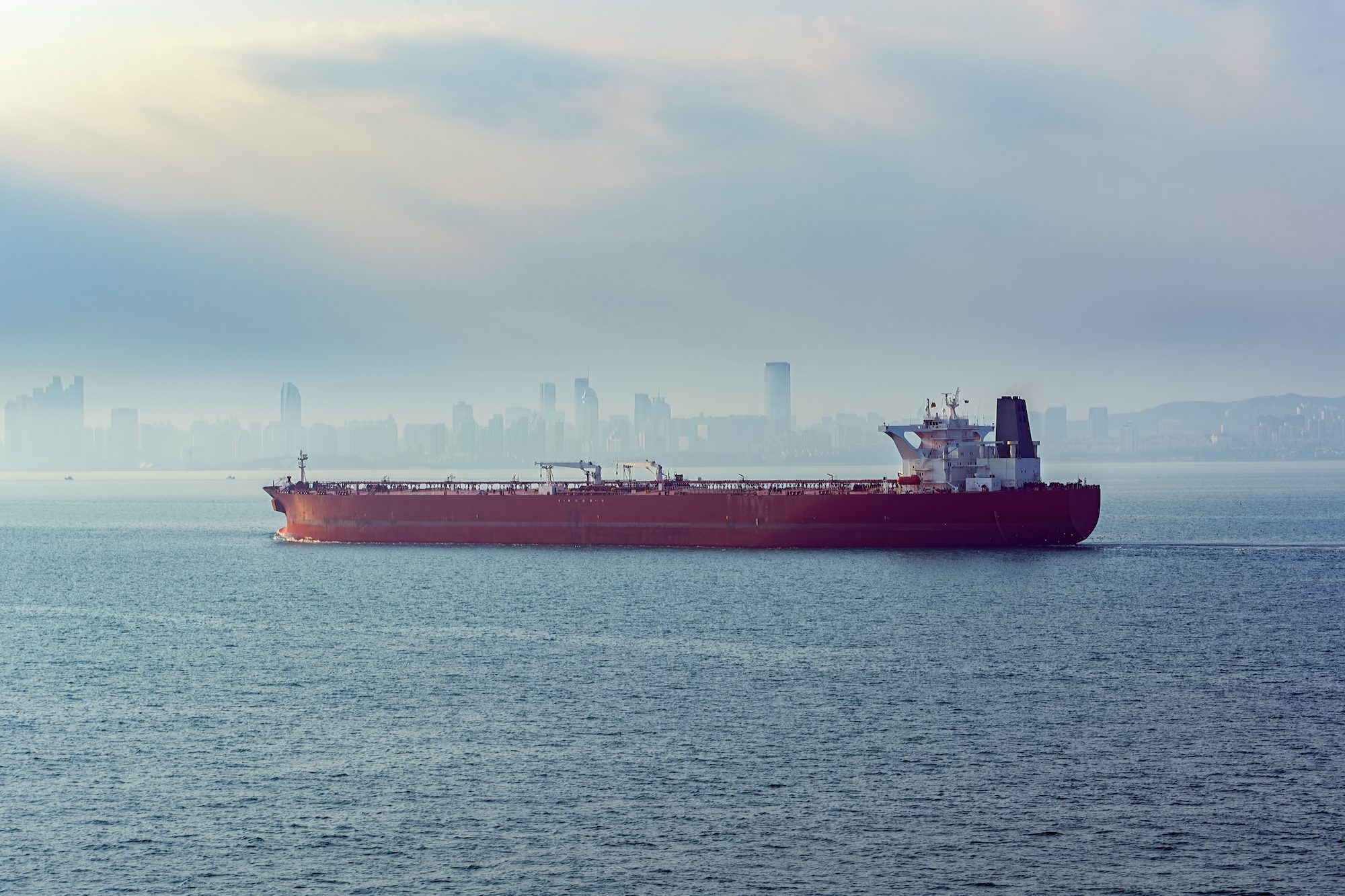
The U.S. Treasury Department has issued a new sanctions wind-down authorization allowing certain Russian oil cargoes already at sea to complete their voyages, as global energy markets struggle with disruptions tied to the escalating conflict around the Strait of Hormuz.
The authorization, issued Thursday by the Treasury’s Office of Foreign Assets Control (OFAC), permits transactions necessary for the sale, delivery, or offloading of Russian-origin crude oil or petroleum products already loaded on vessels. The license remains in effect through April 11, providing a one-month window for cargoes already underway to reach their destinations.
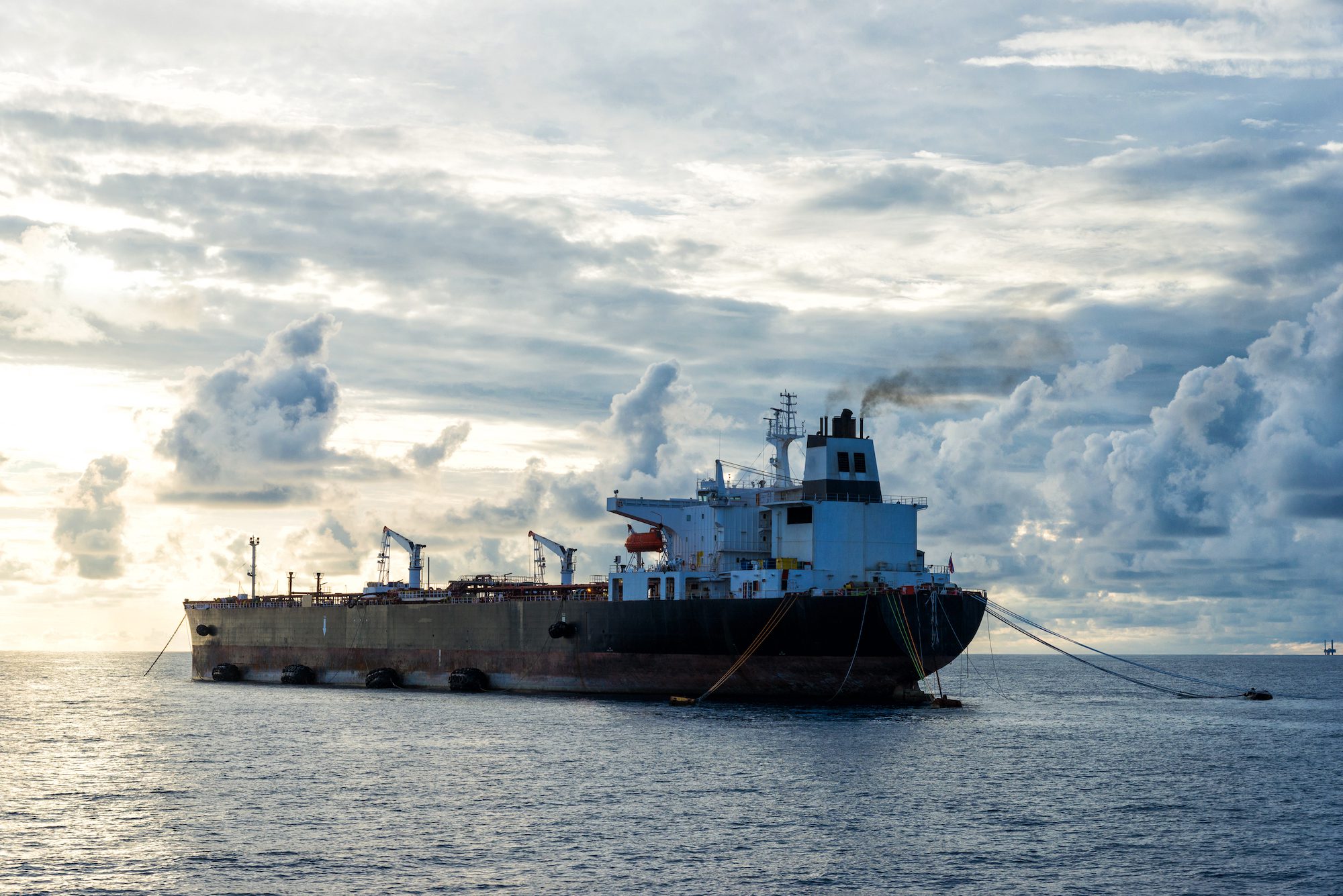
OFAC said the authorization covers routine maritime services required to complete those voyages, including bunkering, vessel management, crewing, insurance, classification, piloting, and salvage operations.
At the same time, the license makes clear it does not authorize transactions involving Iran, except where strictly necessary to complete deliveries covered by the authorization.
The measure follows a pattern seen repeatedly since Western sanctions were imposed on Russian energy exports after Moscow’s 2022 invasion of Ukraine. At the time, the United States and its allies introduced sweeping restrictions on Russian oil trade—alongside temporary “wind-down” licenses designed to allow cargoes already loaded to be delivered without triggering immediate disruptions to global supply.
Those policies eventually evolved into the G7 price cap system, which allowed Russian crude and petroleum products to continue flowing to global markets under Western shipping and insurance services so long as cargoes were sold below a set price threshold.
Oil Markets Under Extreme Pressure
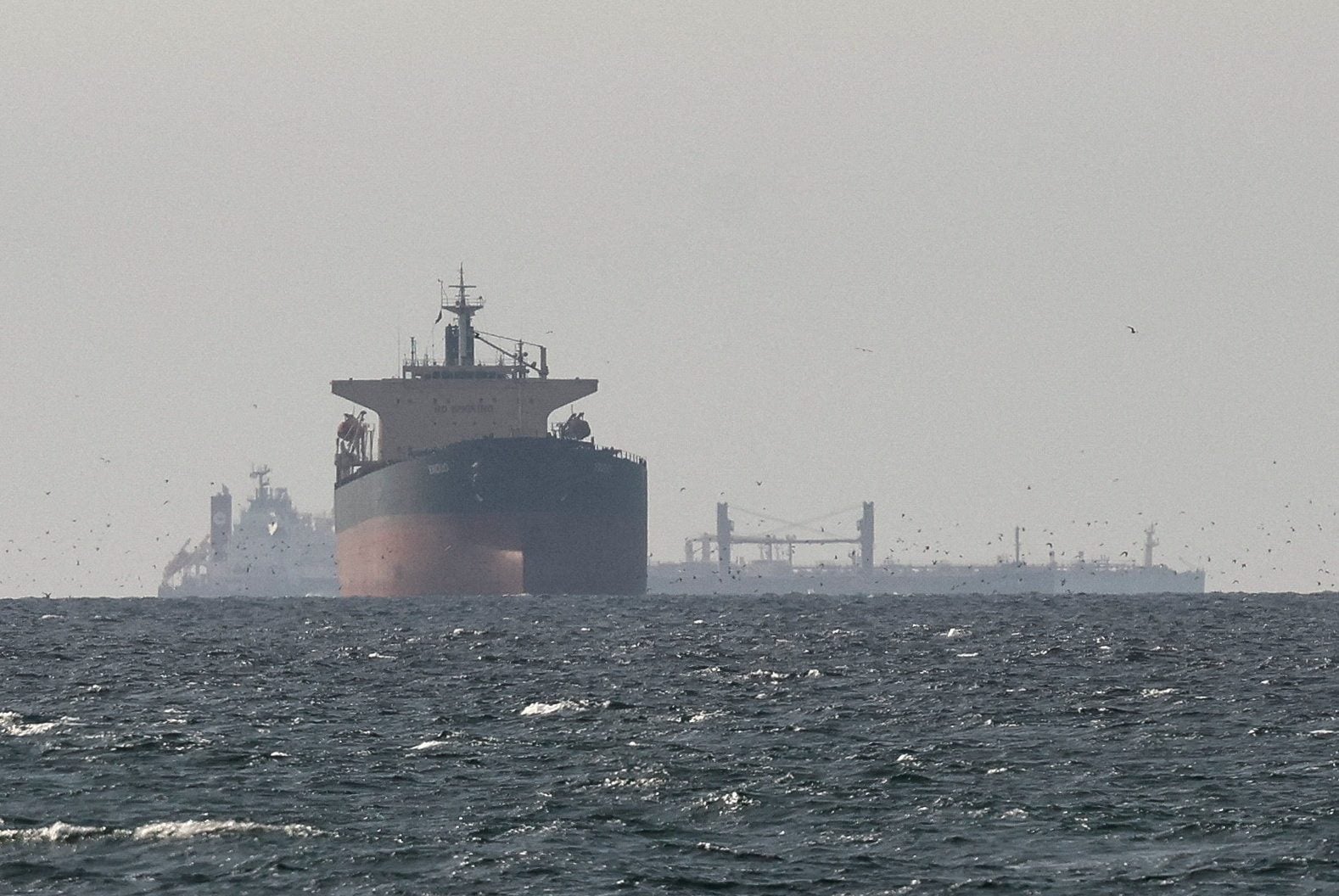
The latest authorization comes as the maritime and energy industries face a far larger shock: the near-collapse of shipping through the Strait of Hormuz, the strategic chokepoint that normally carries roughly 20% of global seaborne oil flows.
Missile, drone, and naval attacks on merchant vessels tied to the widening U.S.–Israel conflict with Iran have driven shipowners out of the region, insurers to withdraw war-risk coverage, and vessel traffic through the strait to a fraction of normal levels.
With Gulf producers cutting exports and oil prices surging, energy analysts warn the disruption could become one of the largest supply shocks the oil market has ever faced if shipping flows through Hormuz remain constrained.
Editorial Standards · Corrections · About gCaptain

 Join The Club