The United States is allowing Iranian oil tankers to transit the Strait of Hormuz despite the ongoing maritime conflict in the Persian Gulf, a move aimed at preventing a deeper shock to global oil supplies as tanker traffic through the chokepoint remains severely disrupted.
Speaking Monday in an interview with CNBC’s Squawk Box, U.S. Treasury Secretary Scott Bessent said Washington has permitted Iranian oil shipments to continue leaving the Gulf in order to keep global markets supplied.
“The Iranian ships have been getting out already, and we’ve let that happen to supply the rest of the world,” Bessent said during the interview in Paris, where he is attending trade talks with China.
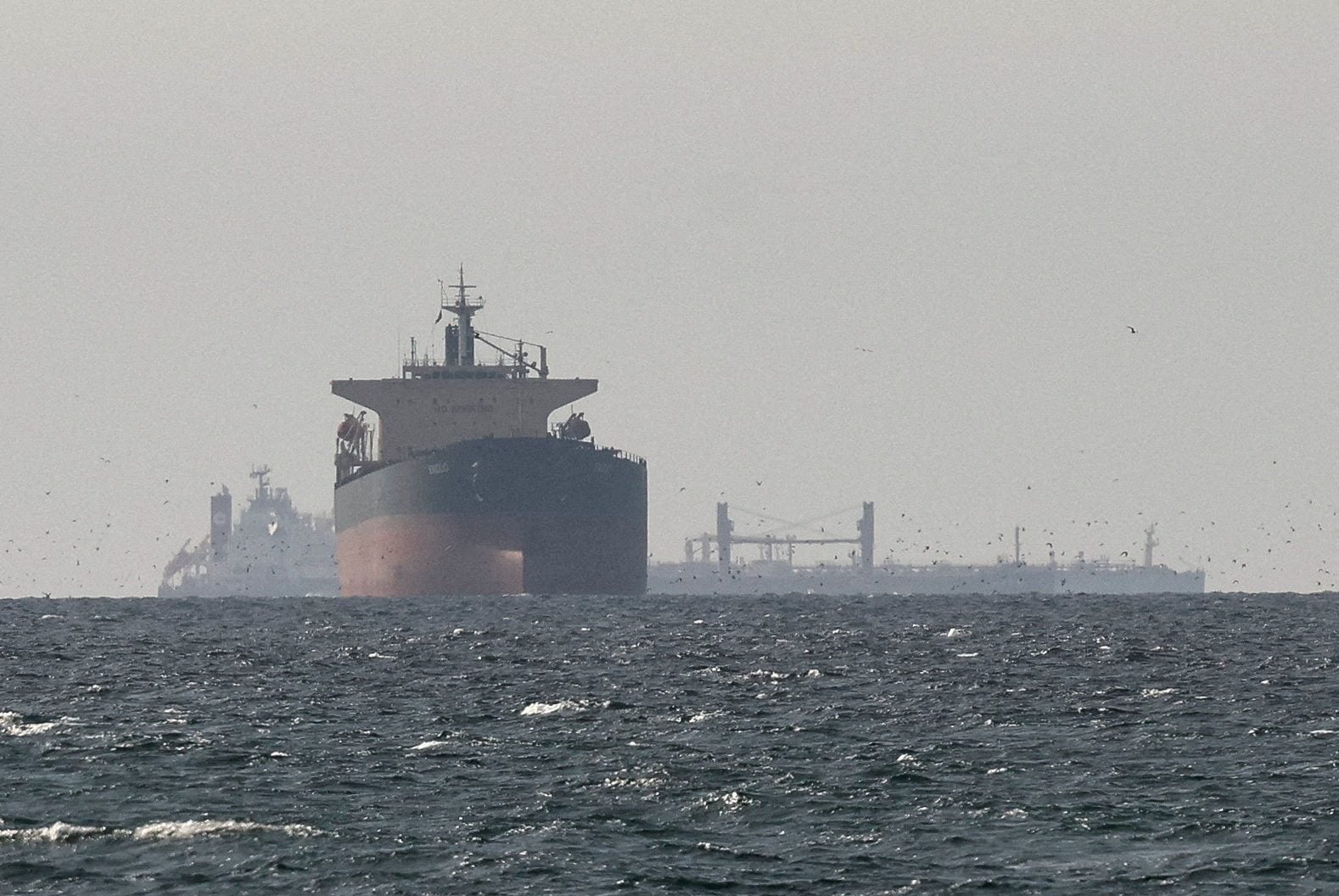
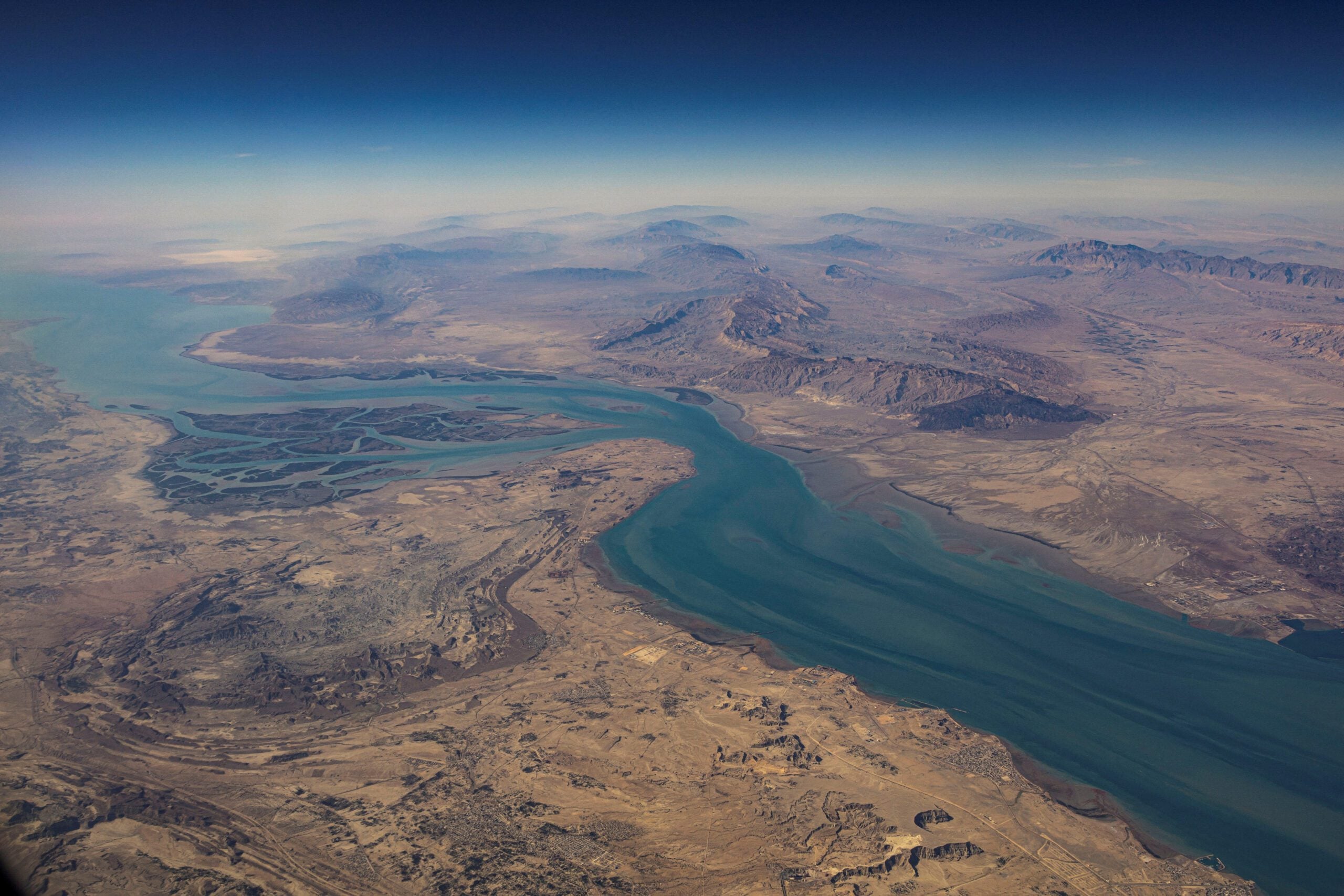
The comments come as commercial shipping through the Strait of Hormuz has collapsed following a wave of attacks on merchant vessels linked to the escalating U.S.–Israel war with Iran. The narrow waterway—through which roughly 20% of the world’s seaborne oil supply normally passes—has seen tanker traffic plunge as shipowners avoid the region due to missile, drone, and maritime drone threats.
Despite the deteriorating security environment, Iran has continued exporting crude through the strait.
First Non-Iranian Tanker Seen Crossing Strait With AIS Active
Signs of limited commercial traffic returning to the waterway emerged over the weekend.
According to vessel-tracking data from MarineTraffic, the Aframax tanker Karachi—carrying Abu Dhabi’s Das crude—became the first non-Iranian cargo tanker observed transiting the Strait of Hormuz while broadcasting AIS signalssince the maritime crisis intensified.
Tracking data shows the 237-meter tanker entered Iran’s Exclusive Economic Zone on March 15 at 11:33 UTC and crossed the strait at 14:43 UTC, later emerging into the Gulf of Oman at approximately 9.6 knots.
The transit seems to suggest that certain vessels may be receiving informal or negotiated safe passage, potentially coordinated with Iranian authorities.
Maritime security analyst Martin Kelly, head of advisory at EOS Group, wonders if the transit route may indicate a form of Iranian traffic control emerging inside the strait.
“We could be seeing the start of a verification process by Iran whereby ships must be approved to transit via the Strait of Hormuz by calling between Larak and Qeshm?” Kelly told gCaptain, noting the tanker followed a route that would normally not be used by vessels attempting to leave the Gulf unnoticed.
“At least two other vessels conducted transit via the same route,” Kelly added.
Escorts Not Yet Underway
The limited resumption of tanker movements comes as Washington continues pressing allied nations to help secure shipping lanes through the strait.
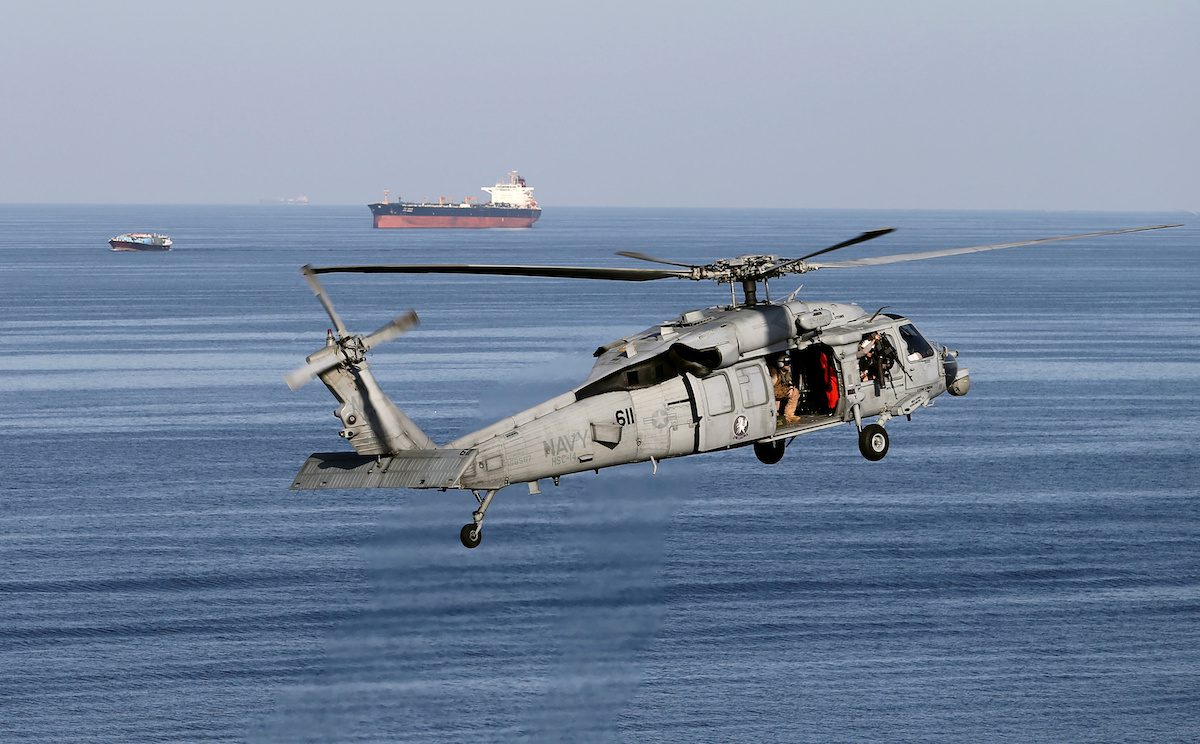
President Donald Trump has called on countries that depend on Gulf energy supplies to deploy naval forces to help protect commercial shipping, but no multinational escort operation has yet begun.
Some ships are instead coordinating with regional navies after exiting the chokepoint. Two Indian LPG carriers reportedly rendezvoused with the Indian Navy in the Gulf of Oman following their outbound transits, though they were not escorted during the passage itself.
Oil Markets React to Supply Shock
The ongoing disruption has already sent shockwaves through energy markets.
According to the International Energy Agency, the conflict has triggered what could become the largest supply disruption in the history of the global oil market, with flows through the Strait of Hormuz falling sharply from roughly 20 million barrels per day before the war.
Oil prices have surged about 40% since the conflict began two weeks ago, with Brent crude hovering around $102 per barrel and U.S. West Texas Intermediate near $95 on Monday.
Bessent said the administration expects tanker traffic to gradually recover before U.S. and allied naval escorts are formally implemented.
“We think there will be a natural opening,” Bessent said, adding that shipments supplying India and some Chinese vessels have already begun leaving the Gulf.
The Treasury secretary predicted oil prices could ultimately fall well below $80 per barrel once the conflict ends, though he acknowledged there is no clear timeline for the war’s conclusion.
For now, however, the world’s most important oil chokepoint remains volatile—caught between active maritime attacks, limited tanker movements, and an emerging geopolitical struggle over who will ultimately secure the sea lanes.
Editorial Standards · Corrections · About gCaptain

 Join The Club