By Weilun Soon, Ruth Liao and Serene Cheong
Mar 4, 2026 (Bloomberg) –President Donald Trump says the US will ensure the free flow of energy through the Persian Gulf with insurance guarantees and even naval escorts. But the shipping industry sees it — at best — as only a partial solution to a historic crisis.
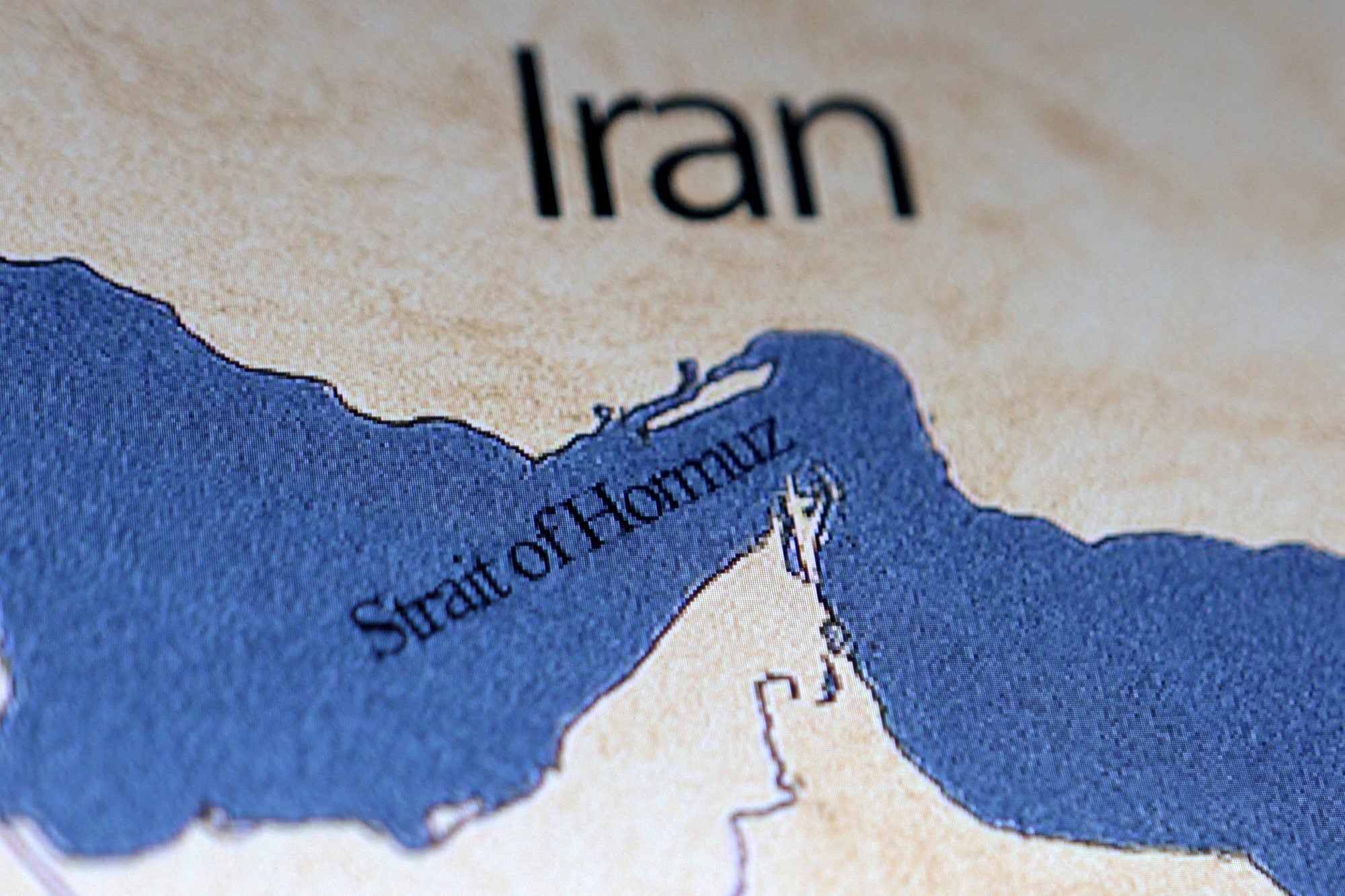
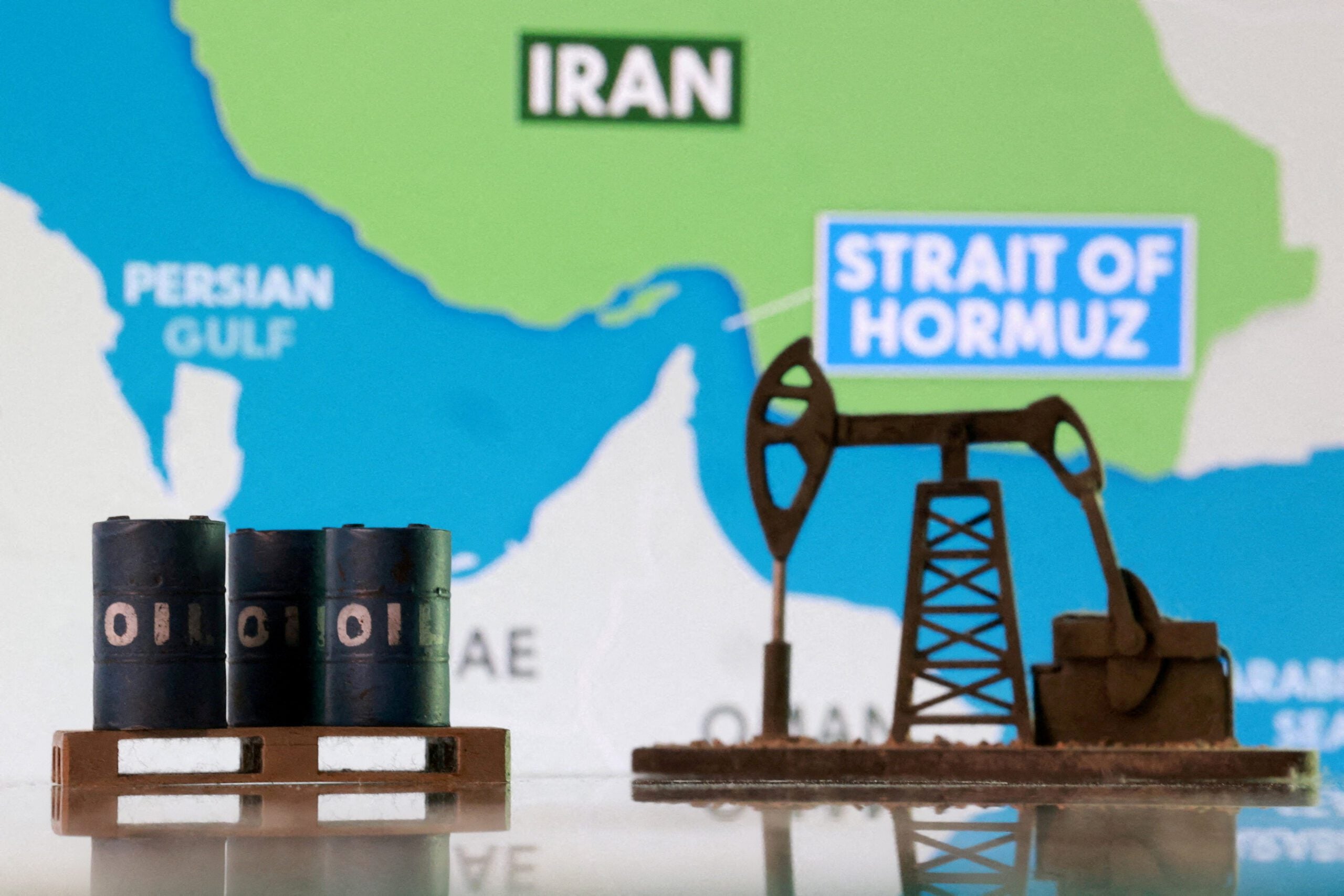
US and Israeli strikes on Iran over the weekend have triggered a spiraling regional conflict and multiple attacks on vessels have now effectively closed off the Strait of Hormuz. Without transit through the critical waterway, seaborne trade between some of the world’s biggest oil and gas producers and the rest of the world is all but cut off.
“Nothing is sure and we need immediate clarity,” said Khalid Hashim, managing director of Precious Shipping Pcl, a Thai firm that owns bulk carriers. “Lives are at risk, cargoes at are risk, ships are at risk. We need immediate cover that protects us from all this,” he said.
The company currently has some ships in the Persian Gulf, and has been struggling to secure war-risk cover before they sail from the region, he said.
With ships unable or unwilling to transit the strait, producers cannot export, supertanker costs are skyrocketing and storage at many Persian Gulf refineries is filling up fast. The world’s largest insurance mutuals have withdrawn war risk insurance cover for ships in the area.
“The core thing shipowners are thinking about is the real risk of loss,” said Karnan Thirupathy, partner at Kennedys Law LLP who specializes in the commodities, shipping and insurance sectors. “No one goes into the trade if the risk of loss is simply too high.”
The effects have been swift. Iraq, the biggest Middle Eastern oil producer after Saudi Arabia, has already begun huge cuts to output and faces even deeper reductions, in the clearest sign yet of stress on suppliers in the region.
Trump’s solution involves tapping the US International Development Finance Corporation — an institution that typically helps the private sector to provide finance for developing countries — which will in turn support charterers, shipowners and key maritime insurers.
“While President Trump’s comments about insurance and tanker escorts caused a pullback in oil prices, we question how much planning has been done on the insurance backstop thus far and think there could be a number of challenges in executing this plan quickly,” RBC Capital Markets LLC analysts said in a note.
There is some international precedent. In November 2023, a facility was set up with partners including Lloyd’s insurers and the Ukrainian government to provide affordable war risk insurance for ships underpinning Ukraine’s maritime exports, particularly grain cargoes. And the DFC has provided some assistance with war risk reinsurance, something it could repeat.
Still, an updated US-organized version to cover oil, gas and fuels across the Persian Gulf would be on a far larger scale, and more complex, given the number of producers and consumers involved. Several shipowners said they would also be wary of tying their fortunes to a volatile US administration.
Read More: Trump’s War on Iran Has Traders Staring Down an Energy Crisis
Oil prices did pare some of their gains after Trump’s announcement on Tuesday, although the market has resumed its march higher. With limited details on hand, shipowners say they were cautious about both the insurance provision and the cost. They asked not to be named as they are not authorized to speak to the media.
Several also said an issue of confidence could not easily be solved with the US navy, given Iran’s continued strikes and limited capacity for what could be tight escorts, especially as many tankers are neither US-owned nor US-flagged. Houthi attacks in the Red Sea have also continued despite intervention, they pointed out.
“The US is currently leading the campaign against Iran, and a key question will be whether there are enough Navy assets to both escort ships as well as continue operations against Iran,” RBC said in the note.
A limited solution to get some traffic moving would also take time to put in place — something neither producers nor consumers necessarily have.
“This is welcome news, but clearly it won’t happen overnight,” said Warren Patterson, head of commodities strategy at ING Groep NV. “Naval escorts would be helpful, but again, this effort will take time. Naval escorts will be sitting ducks to Iranian attacks.”
(Updates with a shipowner’s comment in third paragraph)
© 2026 Bloomberg L.P.
Editorial Standards · Corrections · About gCaptain
This article contains reporting from Bloomberg, published under license.

 Join The Club