By Bloomberg News
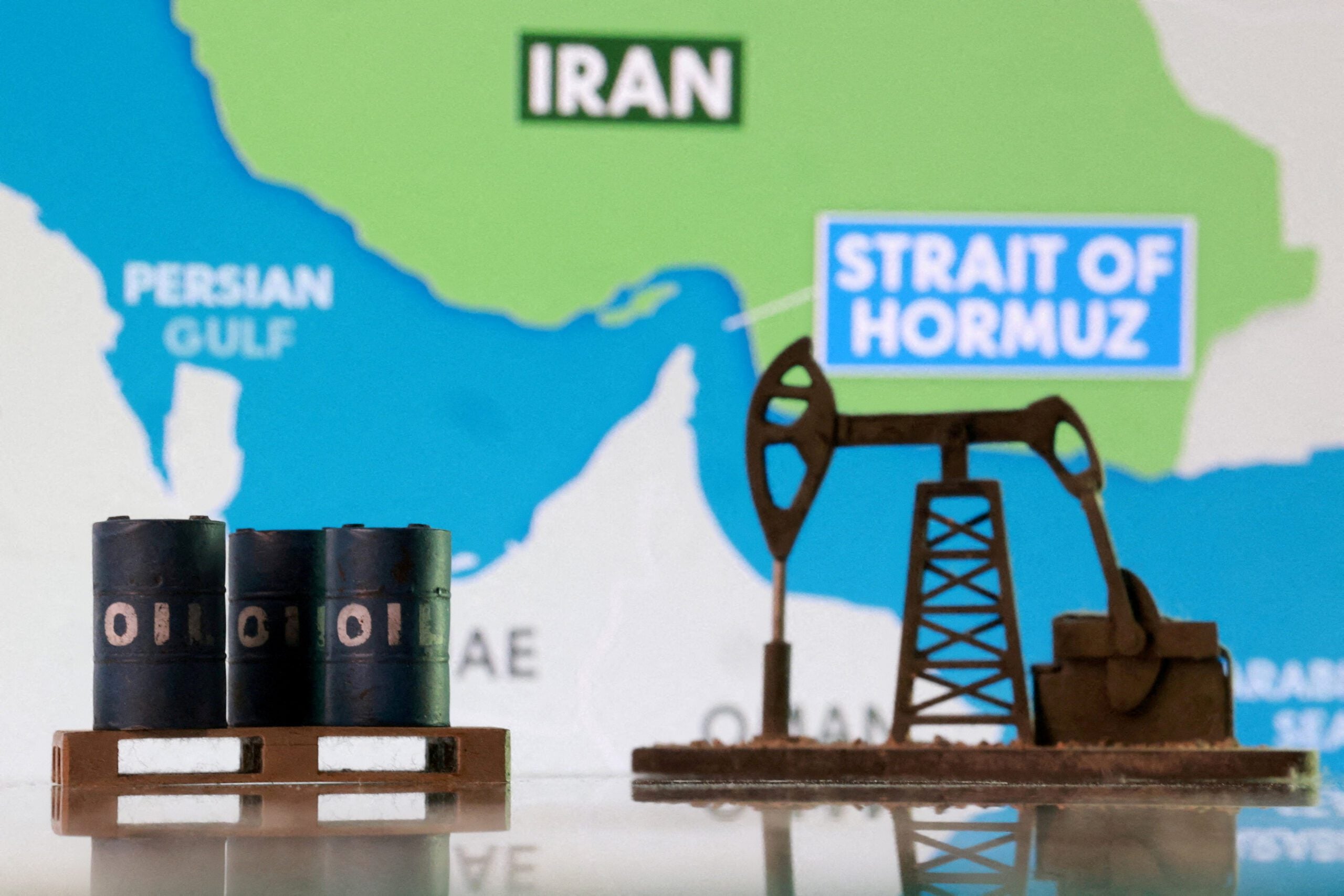
Mar 3, 2026 (Bloomberg) –China has called on all sides of the Iran war to ensure the safe passage of ships through the Strait of Hormuz, the most direct call to date from the Islamic Republic’s top economic partner for continued trade through the waterway.
Tanker traffic through the energy chokepoint effectively halted after the US and Israel began a bombing campaign over the weekend that has prompted Iran to respond with strikes across the region.
As the world’s largest oil and gas importer, China is among the most exposed nations — while it has ample reserves, almost half of its crude imports transited the strait in December.
“China urges all parties to immediately cease military operations, avoid escalating tensions and safeguard the safety of navigation in the Strait of Hormuz,” Foreign Ministry spokeswoman Mao Ning said Tuesday during a regular press briefing in Beijing.
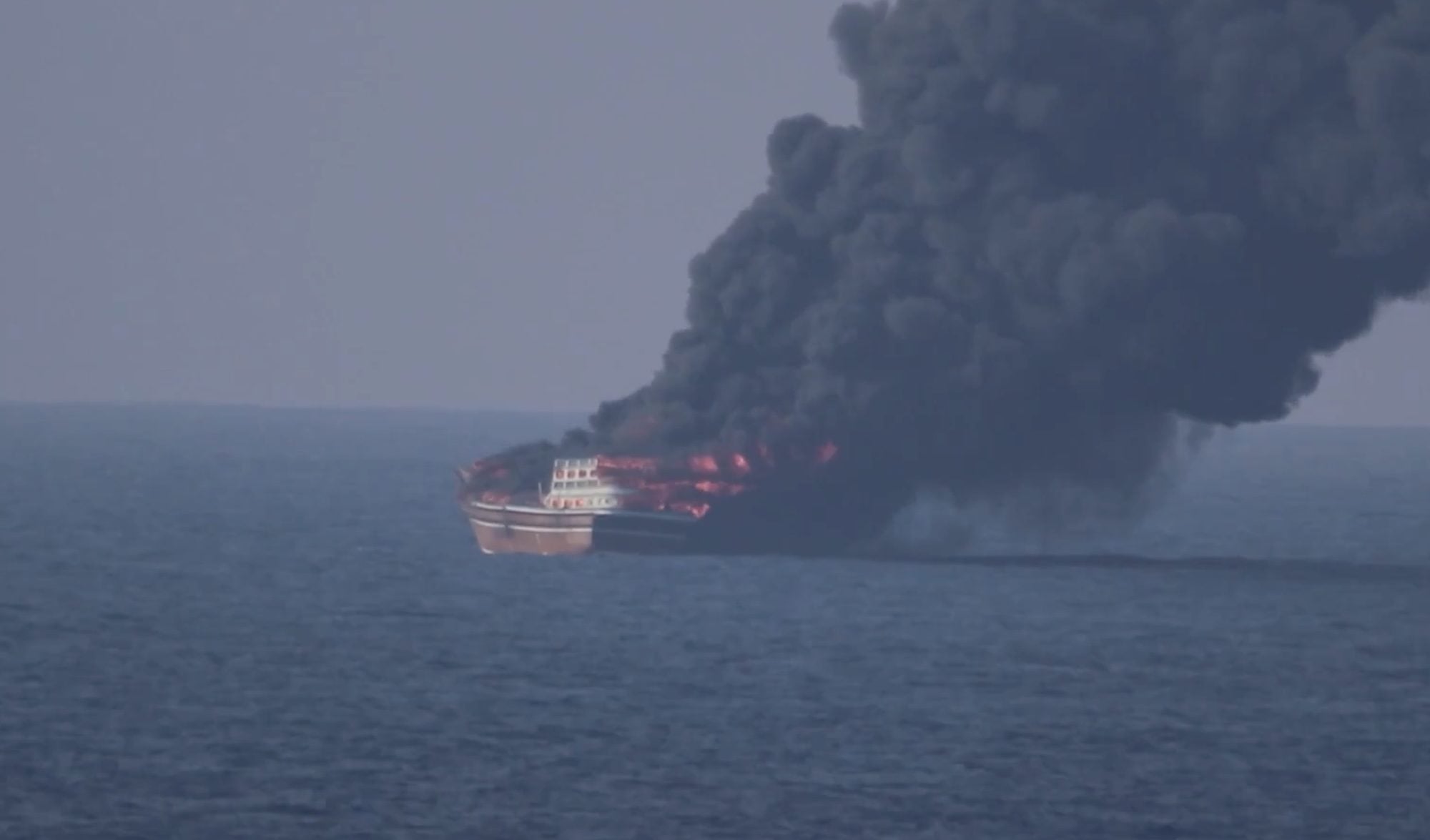
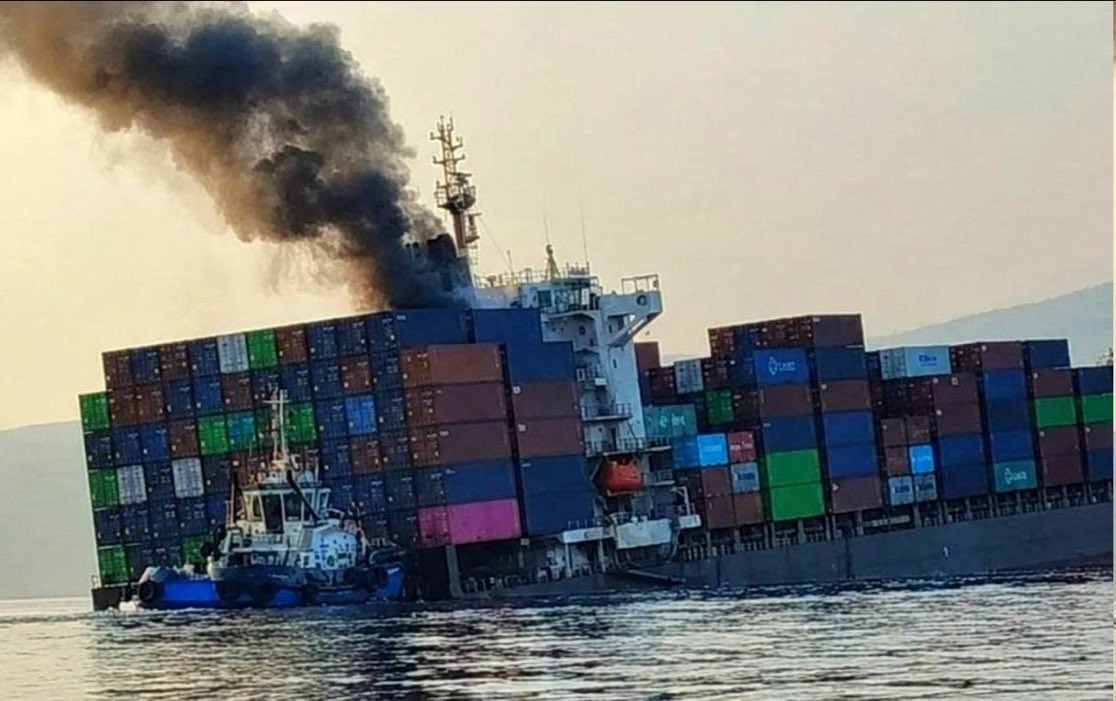
Senior gas executives said earlier that China has been pressuring Iranian officials behind the scenes, urging them to avoid action that would disrupt Qatari gas exports or other energy shipments making their way through the strait. So far, at least four commercial ships have reportedly been damaged.
China has been a lifeline for Iran, as the buyer of the vast majority of the country’s oil — but the world’s second-largest economy depends on the wider Persian Gulf region for both oil and gas supplies, and cargoes of both require transit through the narrow waterway.
Explainer: Why China Is Unlikely to Rally Behind Embattled Iran
Qatar, which accounts for a fifth of global liquefied natural gas, is a particular concern. After an Iranian drone attack on Monday, Qatar halted production at Ras Laffan, the world’s largest LNG export facility — the first complete halt in nearly three decades of operation.
Government officials are pressing senior Iranian counterparts to ensure Tehran does not attack oil and LNG tankers traversing the Strait, and instead allows supplies to flow, according to executives at the state-owned firms who have been briefed by government officials.
The executives said Iranian officials had also been asked to avoid striking exporting hubs like Qatar, which alone supplies 30% of China’s LNG, a significant portion of the total even accounting for output arriving by pipeline and from other sources. They asked not to be named as the conversations were not public.
China has until now made mostly broad public statements on Iran. Foreign Minister Wang Yi told his counterpart Abbas Araghchi on Monday that while Beijing supported efforts to safeguard national security, Tehran should pay attention to the “reasonable concerns” of its neighbors, according to a statement from the Foreign Ministry.
That readout did not mention energy supplies.
At an earlier regular briefing, a Chinese Foreign Ministry spokesperson had said the country was “deeply concerned” over the conflict’s spread.
On the Wire
Chinese smelters continue to churn out record quantities of copper, swelling stockpiles and threatening to slow the metal’s powerful gains. The impact on China’s economy from the war on Iran looks manageable at this point, with a potential mild boost to inflation from a rise in oil prices, said Bloomberg Economics. Geopolitically, the damage may be larger and more lasting.
China’s five-year plan will help dictate how fast the top polluter can cut greenhouse gas emissions and the extent of new support for clean technology, policy settings that are critical to determining the world’s success in tackling climate change.
For decades, China’s leader have largely ignored calls to rebalance the economy toward consumption as they pursued an investment-heavy, export-oriented growth strategy.
© 2026 Bloomberg L.P.

 Join The Club