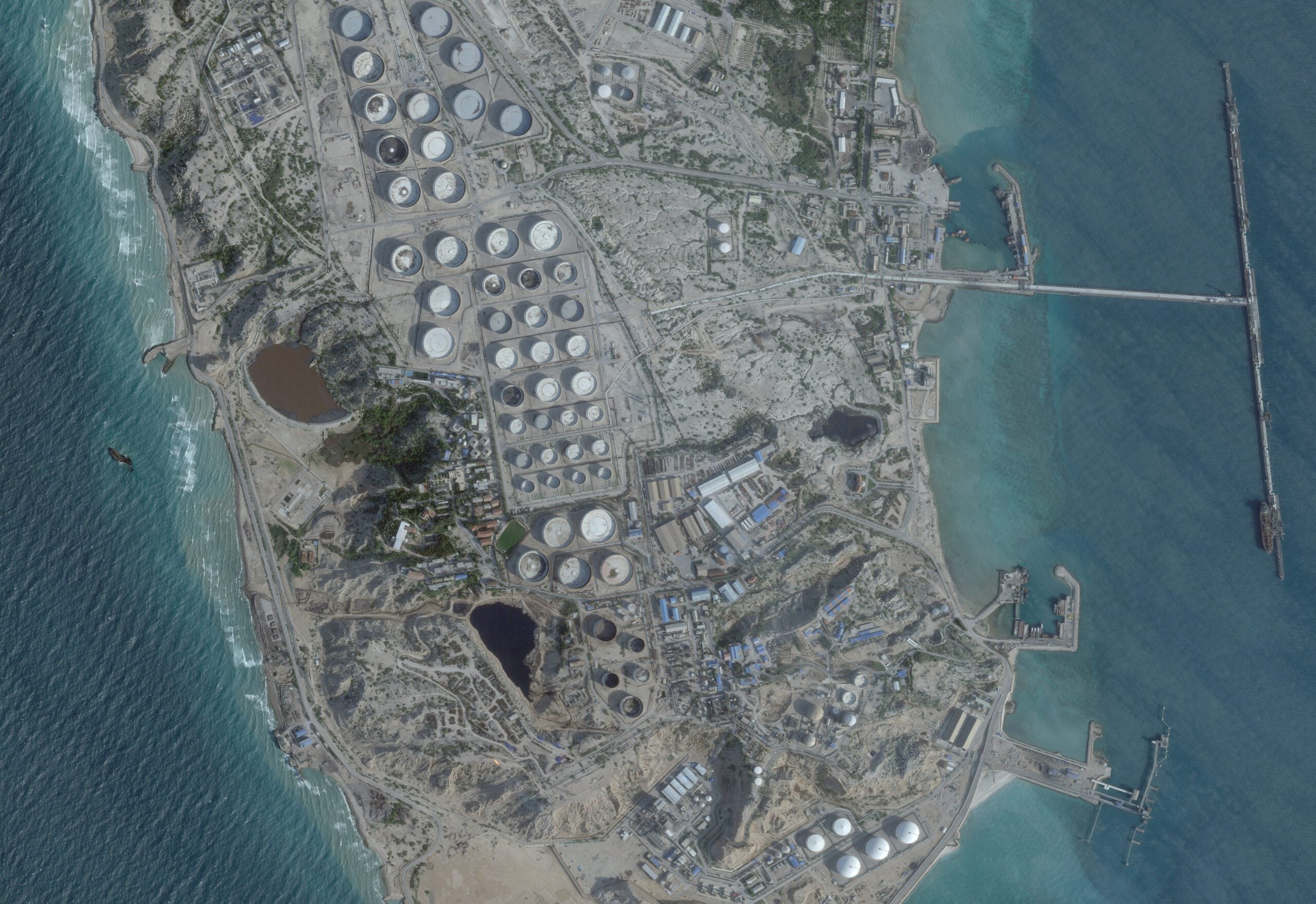
President Donald J. Trump said Friday that U.S. forces carried out a major airstrike against military targets on Iran’s Kharg Island, a strategic oil export hub in the Persian Gulf, while warning Tehran that any interference with commercial shipping through the Strait of Hormuz could prompt the United States to reconsider sparing the island’s oil infrastructure.
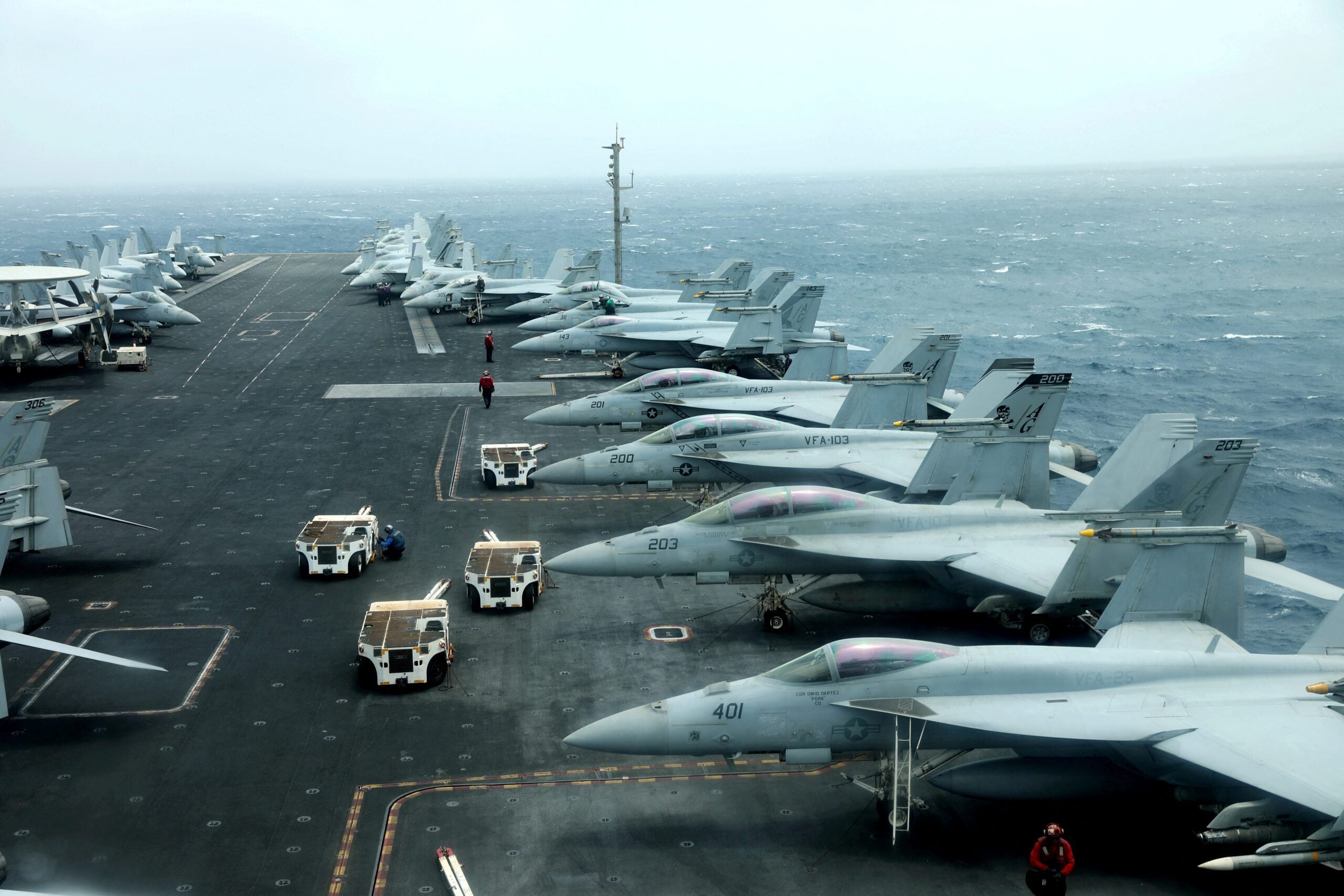
In a post on Truth Social, Trump said that United States Central Command had executed “one of the most powerful bombing raids in the history of the Middle East,” claiming U.S. forces had “totally obliterated every military target” on the island.
“Our weapons are the most powerful and sophisticated that the world has ever known,” Trump wrote, adding that he had chosen “for reasons of decency” not to destroy oil facilities on the island.
However, the president issued a clear warning tied directly to maritime security in the Persian Gulf.
“Should Iran, or anyone else, do anything to interfere with the Free and Safe Passage of Ships through the Strait of Hormuz, I will immediately reconsider this decision,” Trump wrote.
Strategic Oil Hub
Kharg Island is widely regarded as Iran’s most important oil export terminal, historically handling the majority of the country’s crude shipments.
The island hosts extensive storage tanks and deep-water loading terminals that allow large crude carriers to load Iranian oil bound for global markets. Because of its central role in Iran’s energy exports, Kharg has long been viewed as one of the most strategically significant energy facilities in the region.
Even under heavy sanctions, Iran continues to export significant volumes of crude—much of it transported by so-called “shadow fleet” tankers—making the facility a critical node in the country’s economic lifeline.
Hormuz Shipping Crisis
Trump’s comments come as maritime traffic through the Strait of Hormuz has collapsed amid escalating attacks on commercial vessels linked to the widening Middle East conflict.
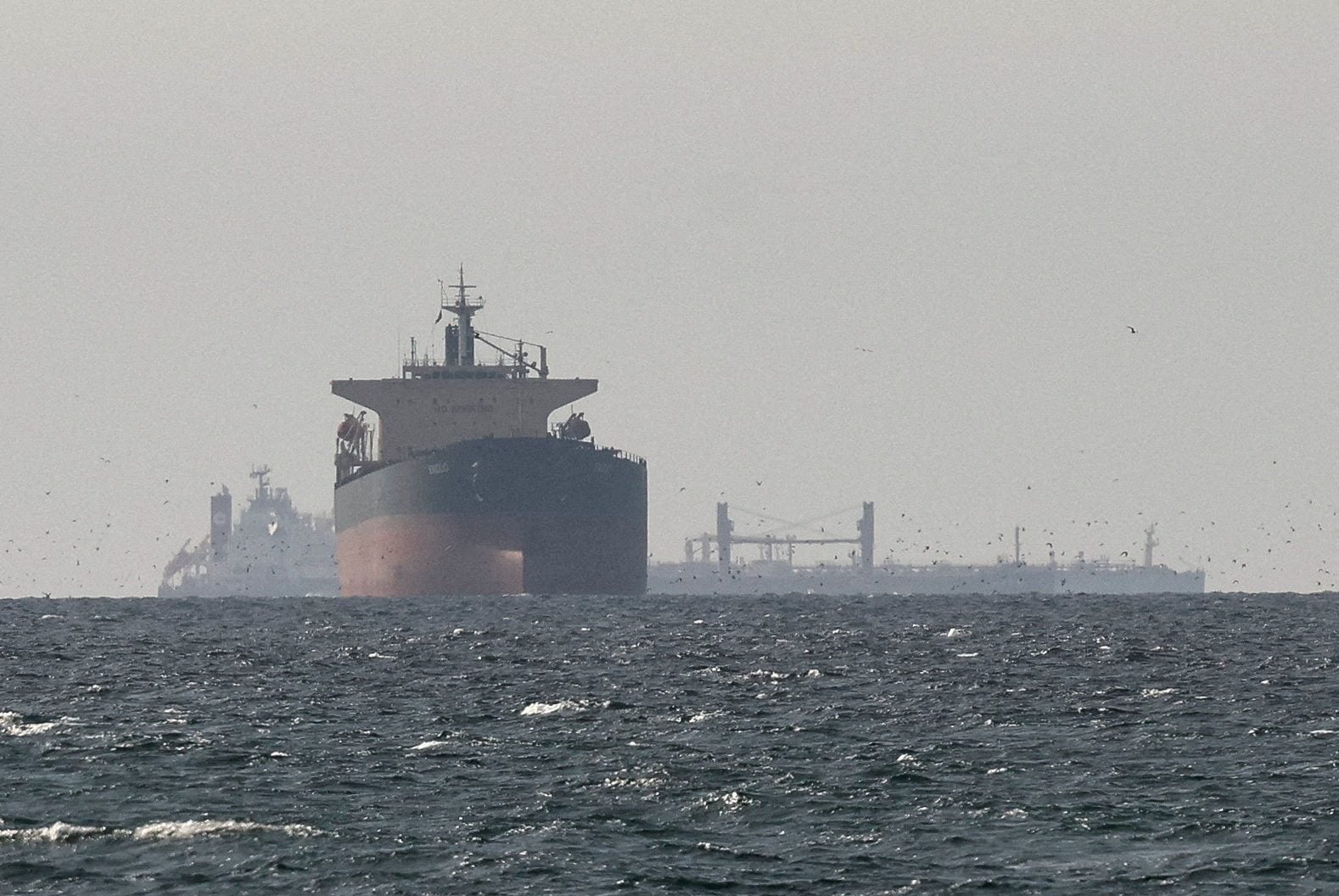
Security advisories from maritime monitoring groups indicate that vessel traffic through the strait—normally one of the busiest energy corridors in the world—has dropped dramatically as shipowners avoid the area following missile, drone, and small-craft attacks on merchant ships across the Persian Gulf.
Recent incidents have involved tankers, bulk carriers, and container ships struck or damaged in waters stretching from the northern Gulf to the Gulf of Oman.
A Signal to Markets and Shipping
Trump’s decision to emphasize that oil infrastructure on Kharg Island was deliberately spared appears aimed at signaling that global energy supplies are not yet being directly targeted in the conflict.
However, the warning that the United States could reconsider that restraint if shipping through the Strait of Hormuz is threatened underscores the central role maritime trade now plays in the escalating crisis.
The strait carries roughly a quarter of the world’s seaborne oil shipments, making it one of the most critical chokepoints in global energy markets.
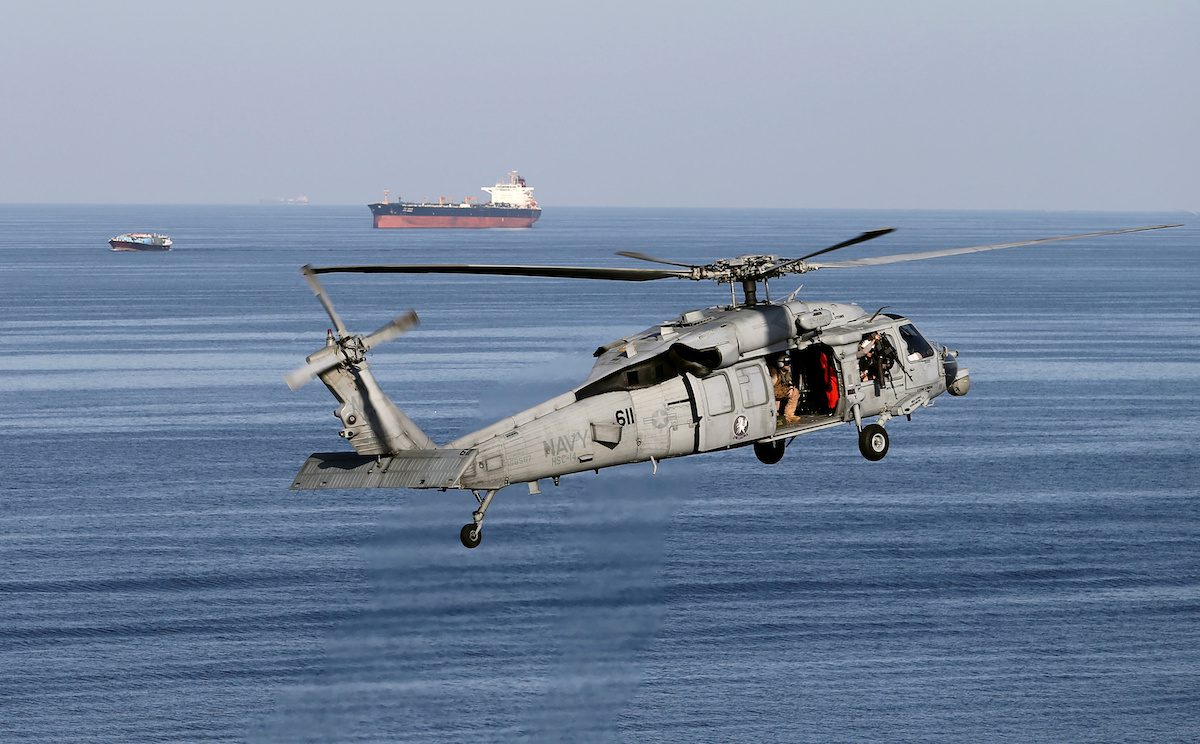
For now, commercial shipping continues to avoid the area in large numbers despite naval deployments and emergency insurance measures aimed at restoring confidence in the route.
Any escalation involving Iran’s primary export terminal—or an extended disruption to shipping through Hormuz—could send shockwaves through global energy markets and maritime trade.
Editorial Standards · Corrections · About gCaptain

 Join The Club