Don’t Miss Your Daily Briefing for the Maritime Industry
Join the leading maritime news network
— trusted by our 106,954 members
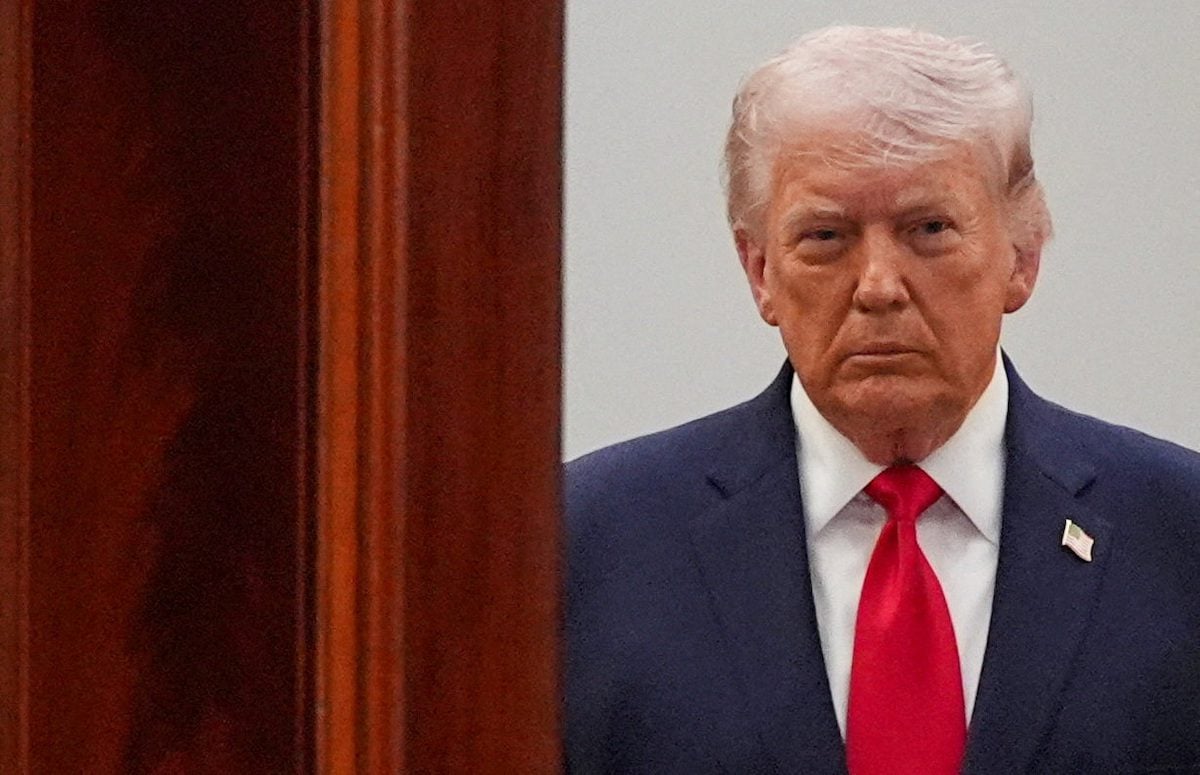
FILE PHOTO: President Donald Trump arrives from the Blue Room to speak about the Iran war from the Cross Hall of the White House on Wednesday, April 1, 2026, in Washington. Alex Brandon/Pool via REUTERS/File Photo
Trump Hardens Stance on Iran, Clouding Hopes for Hormuz Deal
Aug 11, 2026 (Bloomberg) –US President Donald Trump hardened his stance toward Iran as negotiations to reopen the Strait of Hormuz continue, pronouncing that the Islamic Republic must pay reparations for past attacks.
Trump made his sweeping new demands on Monday after accusing Tehran of itself seeking compensation for war damages through public statements even though the issue had never been raised in negotiations.
“I am likewise demanding compensation from Iran, for all of the people that they have killed and gravely wounded with their roadside bombs and many conflicts,” Trump wrote on social media. “Additionally, compensation should be paid to the families of the hundreds of thousands of innocent protestors that Iran has killed over the last 50 years.”
The latest twist puts the two countries on a new collision course. The demands, which Trump said will be included “firmly into any, and all, future negotiations,” are almost certain to be rejected by Iran, which is seeking reparations for damage inflicted during the US-Israeli war that began Feb. 28.
Shortly after his post, Trump added that Iran should also be held responsible for deaths and damage from conflicts in Lebanon, Syria, Yemen and Gaza, where Tehran-backed militant groups operate.
The hardening positions on both sides makes it unlikely that Washington or Tehran will be able to agree to any immediate pact on Hormuz, where around a fifth of the world’s oil and liquefied natural gas flowed before the conflict began. Oil held a four-day rally as Trump’s comments clouded the outlook for a deal, with global benchmark Brent trading 0.2% higher at $87.87 per barrel at 06:39 a.m. in London, after advancing 5% in the previous session.
European diesel futures surged more than 10% as refineries in Saudi Arabia, Libya and Russia also came under attack, further tightening the market for the fuel considered the workhorse of the global economy.
Trump and other US officials had recently boosted market optimism by suggesting a deal with Tehran was getting closer, with Iran and Oman in discussions to reopen the waterway to maritime shipping.
The US president earlier signaled that he was prepared to let economic pressure on Iran build rather than launch fresh military strikes to force a reopening of Hormuz. That marked a shift from his repeated threats to escalate the bombing campaign against Iran, following several weeks of tit-for-tat strikes and the breakdown of an interim peace deal the countries signed in June.
The Islamic Republic’s economy has taken a hammering from the war, with much of its industrial capacity destroyed, crude exports severely curtailed by a US blockade and central bank data showing year-on-year inflation recently reaching 77%.
The currency, meanwhile, has fallen more than 10% from its prewar level, adding to the economic pressure on Iranians. A depreciation of the rial sparked violent nationwide protests that peaked early this year, leading to a crackdown by authorities that left thousands dead. There have been no signs of the anti-government demonstrations resuming.
Tehran’s demands for a full reopening of Hormuz include the US lifting its naval blockade on Iranian ports, the release of frozen assets and compensation for war damages. It has also called for a permanent end to attacks on groups it backs in Lebanon, Iraq, Yemen and Gaza.
The effective closure of Hormuz is taking a toll on the global economy and trade. The cost of hiring a supertanker to carry oil on the benchmark Middle East-to-China route approached $500,000 a day, more than twice the cost before the war.
Economists have cut their growth estimates for global economies this year and raised their inflation predictions. Markets are either expecting interest-rate cuts later than previously anticipated or pricing in the possibility of hikes, according to Ziad Daoud, chief emerging markets economist for Bloomberg Economics.
While Trump insisted that compensation for Iran “was never mentioned in any of our negotiations or meetings,” the 14-point memorandum of understanding that Iran and the US agreed to in June details plans for Washington and regional partners to develop a $300 billion fund for the “rehabilitation and economic development” of Iran after the war.
Trump told reporters at the White House on Monday that Hormuz was “open now” and controlled by the US. Asked about military escalation, Trump said the US retained that ability and “if we want to do that, yeah, you’ll find out.”
The Washington Post reported Monday that Trump was secretly flown out of Turkey last month on an alternate military aircraft instead of Air Force One, after the president ordered military strikes on Iran while at a NATO summit. The covert plan, prompted by an Iranian assassination threat, included briefly transporting the president in an airport catering truck from one plane to the next, the Post reported.
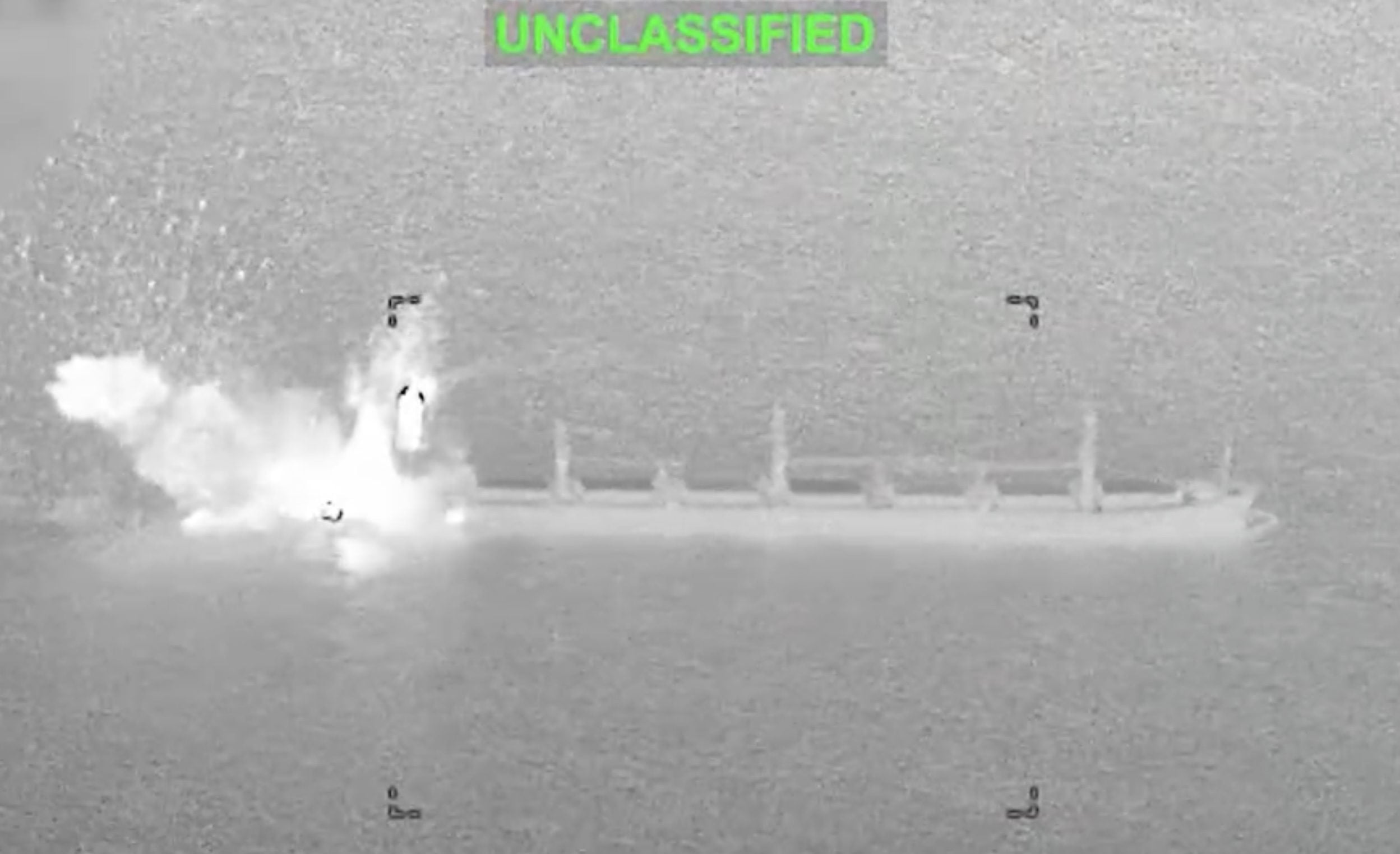
Two more tankers have been struck in the Strait of Hormuz as U.S. forces disable a cargo vessel in the Gulf of Oman, extending a sharp escalation in attacks on commercial shipping.
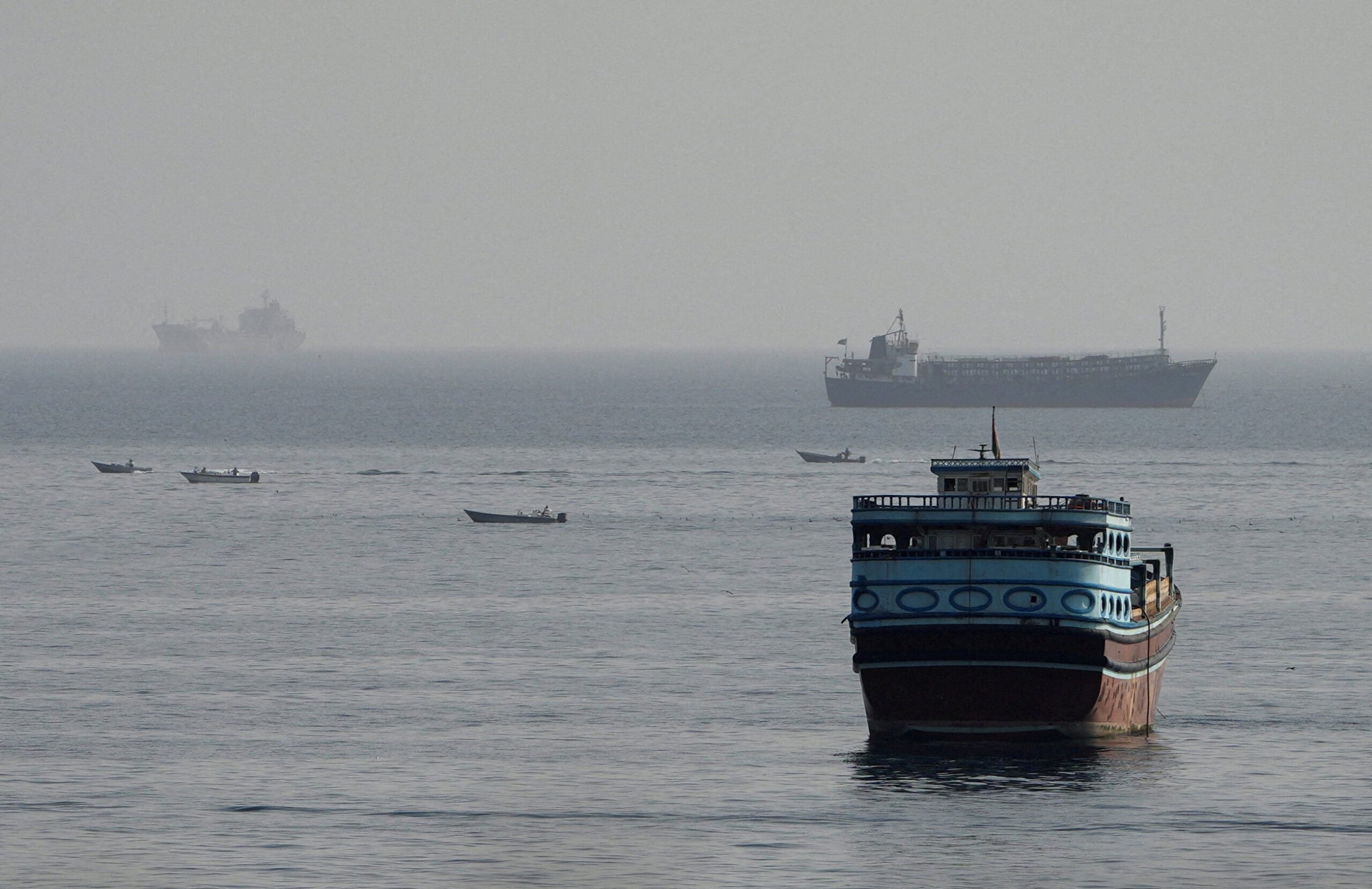
A commercial vessel was struck by a projectile in the Persian Gulf on Friday, sparking a fire onboard in the second reported attack on shipping inside the Gulf in just...
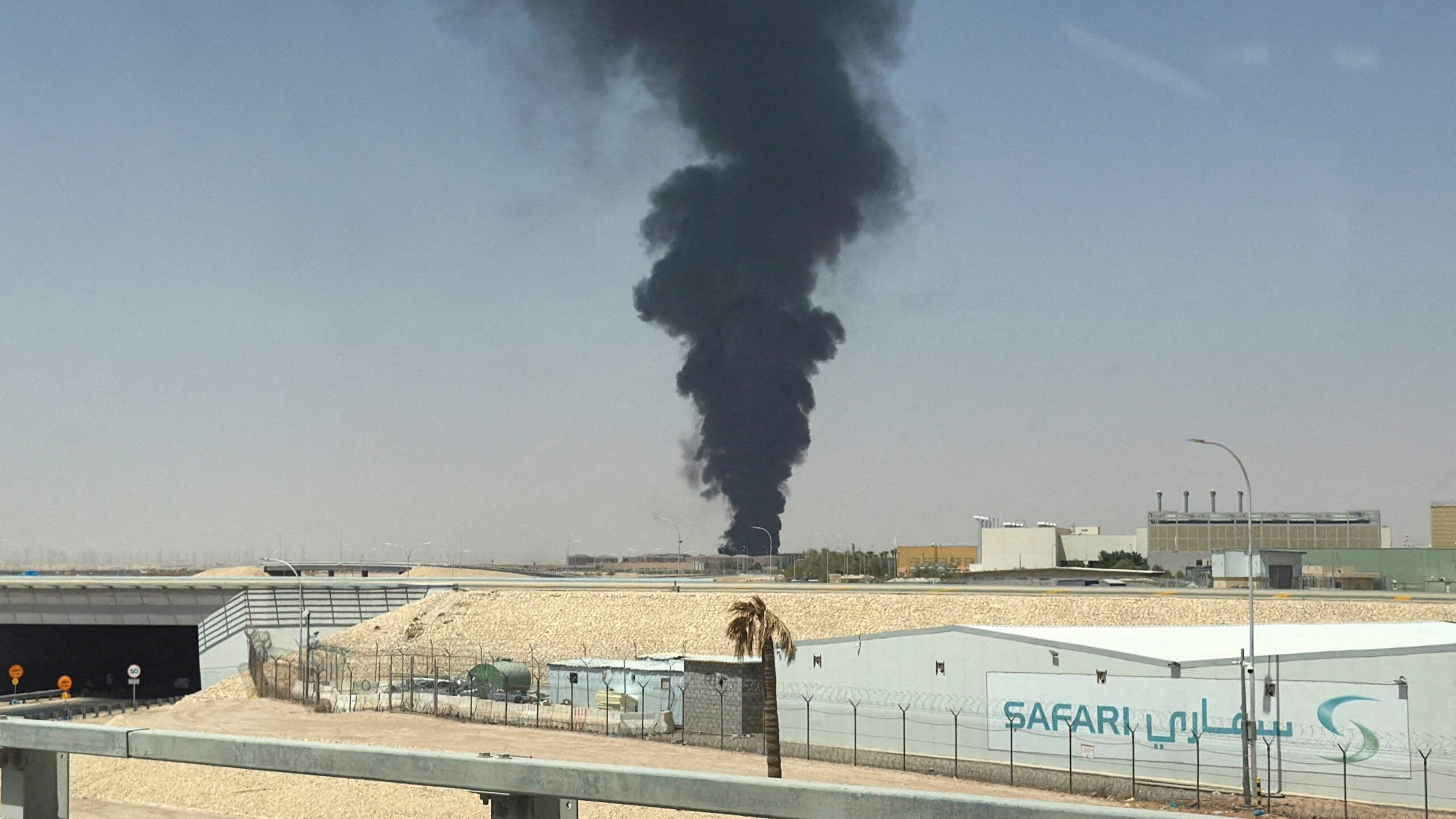
The Houthis struck two airports in Saudi Arabia in the past two days, killing three people and injuring dozens as the Iran-backed militant group intensifies its attacks on the kingdom from Yemen.
October 9, 2026
Total Views: 465
Get The Industry’s Go-To News
Subscribe to gCaptain Daily and stay informed with the latest global maritime and offshore news
— just like 106,954 professionals
Secure Your Spot
on the gCaptain Crew
Stay informed with the latest maritime and offshore news, delivered daily straight to your inbox
— trusted by our 106,954 members
Your Gateway to the Maritime World!
Essential news coupled with the finest maritime content sourced from across the globe.

 Join The Club