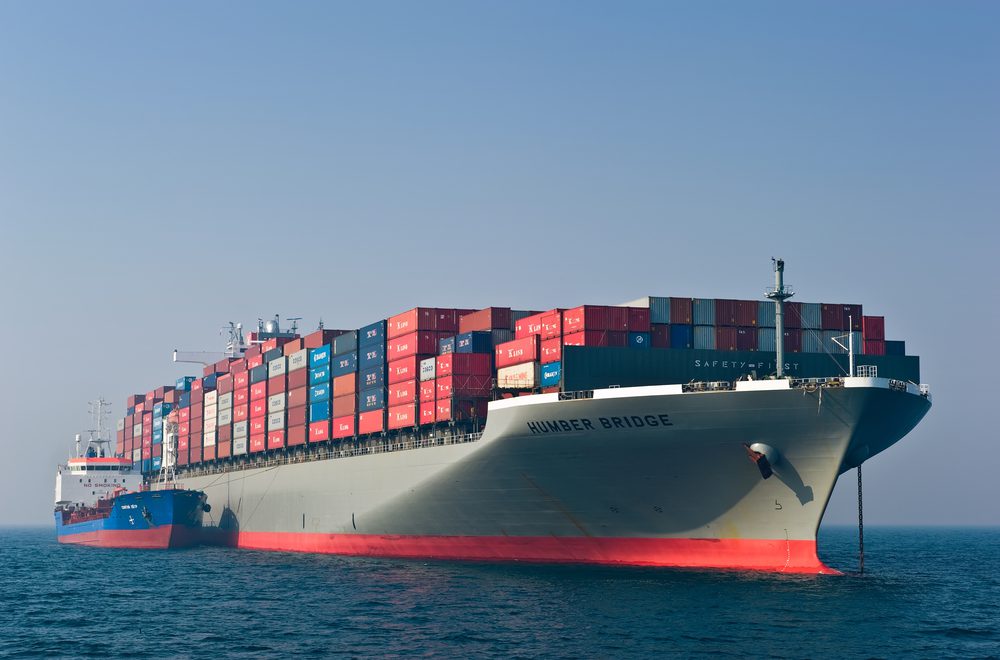
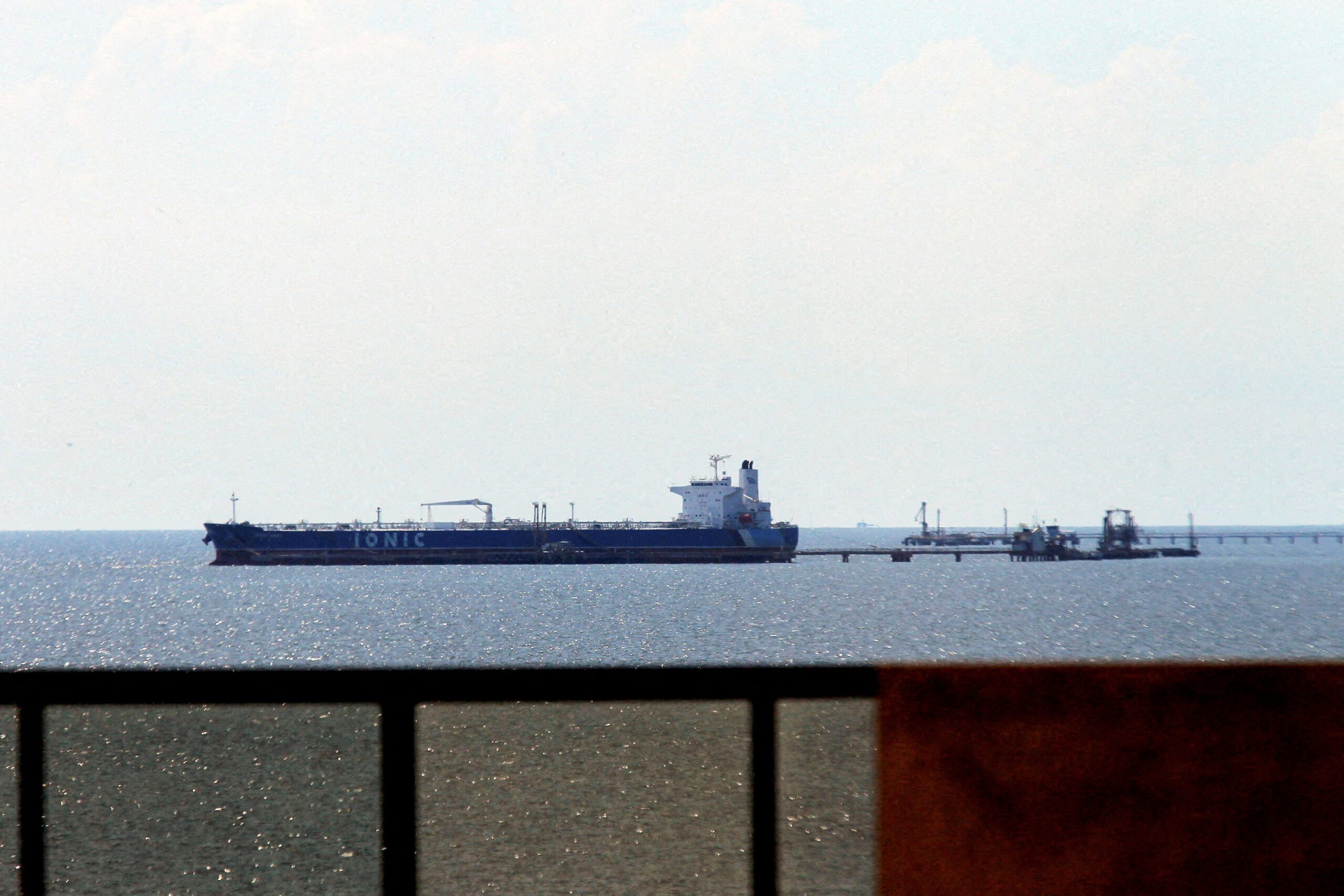
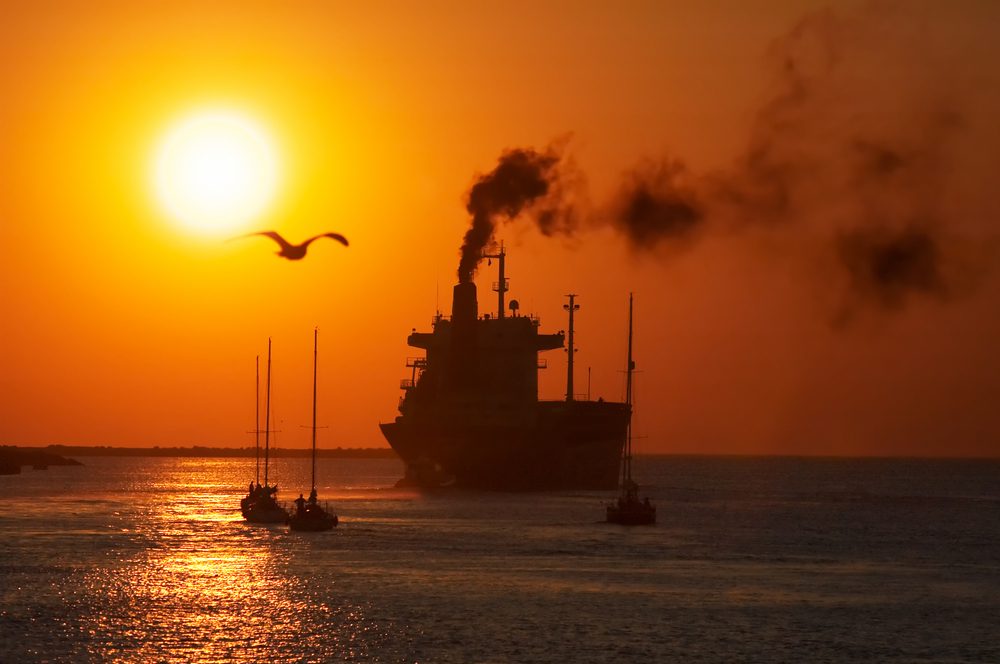
File Photo: By VladSV / Shutterstock

SINGAPORE, Sept 25 (Reuters) – Commodities trader Trafigura on Friday proposed a carbon levy of $250-$300 per tonne of carbon-dioxide (CO2) equivalent on shipping fuels to make zero and low carbon fuels more economically viable and competitive.
The International Maritime Organisation (IMO) wants to halve the sector’s greenhouse gas output by 2050 against 2008 levels. If left unchecked, it says, global emissions from shipping could balloon by up to 130% by 2050, compared to 2008 levels.
“We believe that only through the introduction of a significant levy on carbon-intensive fuels can sufficient progress be made towards the decarbonisation of the global shipping industry,” Trafigura said in a research paper published on its website.
The revenue raised by the levy would be used to subsidise and incentivise low and zero carbon fuels, funding the research and development of alternative fuels and, in part, developing countries with the energy transition to mitigate the impact of climate change, Trafigura said.
Carbon emissions from shipping rose in the six-year period to 2018 and accounted for 2.89% of the world’s CO2, amid growing pressure on the industry to bring levels down.
“It is now time to put a price on carbon emissions in the shipping industry in the form of a global, mandatory industry levy,” the paper said.
Trafigura, which is responsible for more than 4,000 ship voyages per year, acknowledged that a carbon will have an immediate effect on shipping costs which companies would bear.
“This increase in operational costs will spur charterers to change behaviour to reduce emissions, charter more efficient ships and switch to lower carbon fuels,” Trafigura said. (Reporting by Roslan Khasawneh; editing by David Evans)
(c) Copyright Thomson Reuters 2020.
Updated: November 18, 2020 (Originally published September 25, 2020)
Editorial Standards · Corrections · About gCaptain
This article contains reporting from Reuters, published under license.

 Join The Club