The U.S. Court of International Trade has ordered U.S. Customs and Border Protection to begin unwinding tariffs imposed under the International Emergency Economic Powers Act (IEEPA), directing the agency to liquidate or reliquidate affected imports without the duties following a landmark Supreme Court decision that found the tariffs unlawful.
In a March 4 order in Atmus Filtration, Inc. v. United States, Judge Richard K. Eaton ruled that import entries subject to the tariffs must be processed without the duties if they remain unliquidated, and that entries already liquidated but not yet final must be reliquidated to remove the charges. The decision implements the U.S. Supreme Court’s February 20 ruling, which determined that the administration lacked legal authority to impose tariffs using emergency powers under IEEPA.
The Court of International Trade emphasized that its jurisdiction over customs matters is nationwide, meaning importers across the country are entitled to the benefit of the Supreme Court’s ruling.
“The Supreme Court has determined that the duties are unlawful,” the court wrote, directing Customs to liquidate or reliquidate affected entries without regard to the IEEPA duties. The order applies broadly to unliquidated entries and to entries that remain within the statutory window for administrative correction.
The ruling has triggered immediate calls from small businesses and trade groups for the federal government to rapidly return the billions of dollars in tariffs that were collected.
“This is a victory for small businesses who have paid billions in unlawful tariffs and deserve their money back,” said Dan Anthony, executive director of the We Pay the Tariffs coalition, in a statement released Wednesday. “The Court acted swiftly and correctly. Now the ball is in the government’s court and small businesses are concerned they will drag this out further.”
Anthony warned that businesses are expecting refunds to be processed automatically rather than through a lengthy claims process.
“American small businesses have waited long enough,” he said. “A full, fast, and automatic refund process is what these businesses are owed and anything less is unacceptable.”
However, the ruling does not guarantee that widespread refunds will happen immediately. While the court directed U.S. Customs and Border Protection to remove the unlawful duties from qualifying import entries, the ultimate scope and timing of any refunds could still be affected by appeals, administrative processing timelines, and whether individual entries remain legally eligible for reliquidation under customs law.
According to the coalition, more than 1,000 small businesses have already signed a letter to Congress and the administration demanding that refunds be issued directly to importers of record using existing payment records held by Customs. The letter argues that companies should not be required to submit additional applications, hire legal counsel, or wait years for relief.
The coalition estimates that the tariffs imposed under the IEEPA authority cost businesses billions of dollars nationwide through December 2025. Those estimates are based on analysis from Trade Partnership Worldwide’s State Tariff Tracker database, which combines import data from the U.S. Census Bureau with tariff schedules from the U.S. International Trade Commission and state-level import statistics.
Trade policy experts say the court’s order could set in motion one of the largest tariff refund processes in recent U.S. history if Customs moves quickly to implement the ruling.
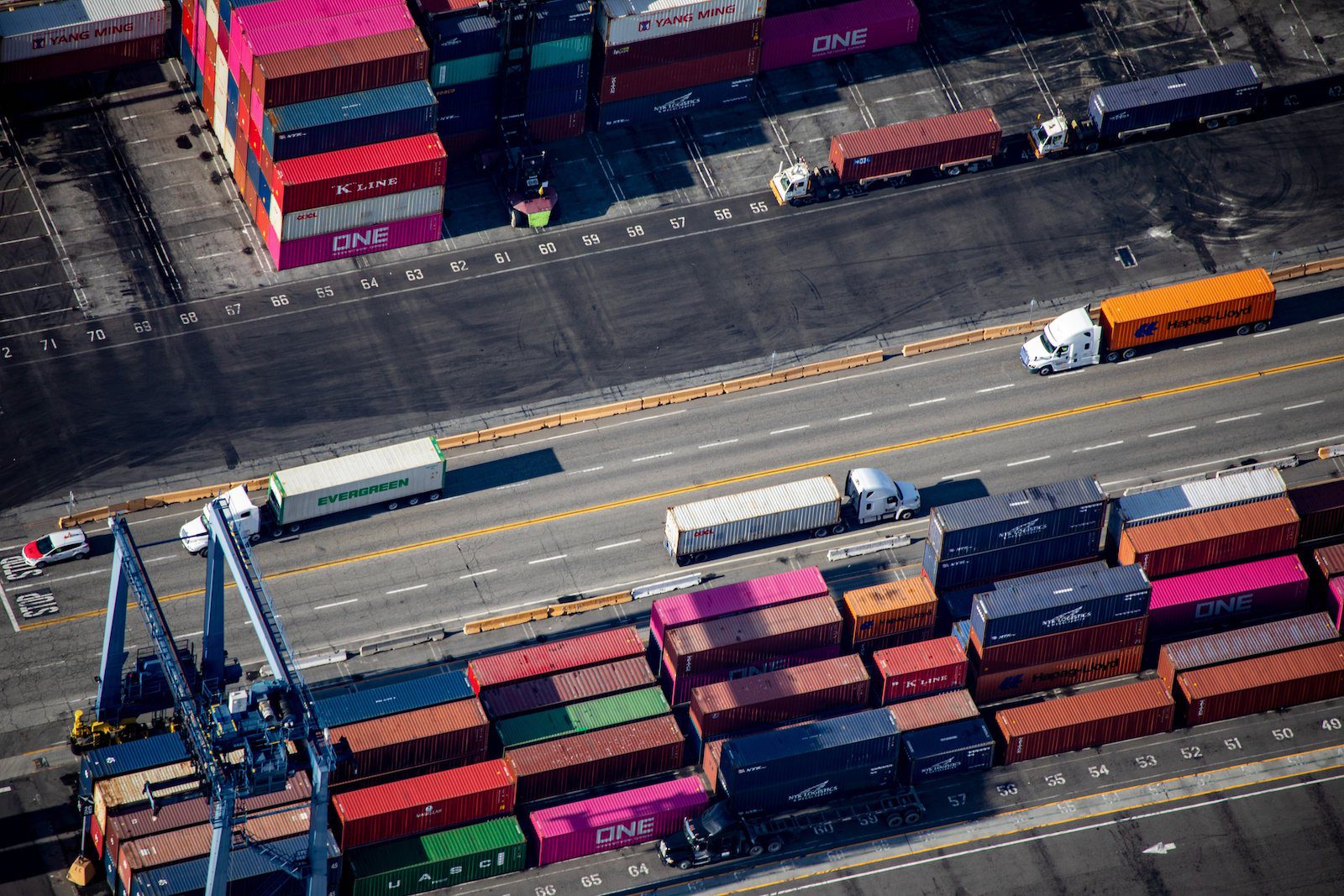
The outcome also carries implications for global supply chains and shipping markets, as the tariffs affected a wide range of imported goods moving through U.S. ports.
For now, businesses are pressing Washington to act. “The Court acted swiftly,” Anthony said. “Now small businesses need the government to do the same.”
Editorial Standards · Corrections · About gCaptain

 Join The Club