By Lori-Ann LaRocco – Trade is agnostic, and because it is a physical entity that can be tracked, it can blast away the bluster of trade announcements. The reality is in the trade moving.
This week, in a dizzying number of headlines, we saw Gulf energy is now a target of the war. As a result, countries are in self-preservation mode, hoarding energy reserves.
Energy experts are warning the latest Trump Administration measures to lower the price of oil are just headlines, not real solutions.
“I think the Iranian sanctions are an announcement to try and claim action,” said Daniel Tannenbaum, partner and global anti-financial crime practice leader at Oliver Wyman. “It’s all messaging: ‘Look at all these actions we’re taking to try and bring more barrels onto the market,’ even though that’s not how this works.”
Tannenbaum said this reasoning is based on the fact prices did not really decrease when Russian sanctions were waived, and barrels of the once-illicit oil were available.
“It’s a messaging exercise,” said Tannenbaum. “This isn’t real. Just as you put a general license out, it doesn’t magically make supplies appear. There’s no evidence that this will end up reducing prices on the open market. Temporary licenses don’t create ‘new oil’ — they mostly paper over barrels already moving.”
Another reason for the bluster: both Russian and Iranian crude oil already have buyers accounted for.
“It’s been no secret that Iranian tankers have been moving throughout this crisis to places like China,” said Andy Lipow, president of Lipow Oil Associates. “This crude has already been loaded and stranded on sanctioned tankers at sea clearly makes more oil available to Asian refiners. This is a truly puzzling move as global banks stay far, far away from Iran, so the odds of them financing an Iranian oil trade are remote.”
Lipow added the impact of this US policy change will be limited because the European Union has yet to lift sanctions on Russian oil imposed in 2022 and on Iranian oil imposed in 2012.
Legal experts say even though the once-sanctioned oil is now temporarily allowed to move legally on the open market, it does not mean insurers like Lloyds of London and Marsh would be willing to insure these ageing vessels, or banks would be willing to facilitate the transactions.
“If a Western company, let’s say, wants to buy Iranian oil that is available on those tankers, they need insurance policies to ensure the movement of the tanker, or cargo, and then they need a bank to facilitate the transaction of that crude or cargo,” explained Tannenbaum. “Realistically, it’s not like Lloyd’s or a bank would do this.”
The subject of which country receives the monies from these sales is also a concern.
“Originally the general license was supposed to have information on how the funds were supposed to be remitted for the Iranian oil,” said Tannenbaum. “They were supposed to go into some sort of an escrow-like structure, not to have it directly go into Iranian hands. That obviously wasn’t there in the end.”
The last big bluster push this week is the release of Strategic Petroleum Reserves by the US.
Government data shows more than half of the buyers for the U.S. Strategic Petroleum Reserves (SPR) offering of 86 million barrels were oil companies.
The companies listed took a combined 45.1 million barrels:
- Shell Trading: 16.2 mb
- Trafigura: 8.86 mb
- Marathon: 7.7 mb
- BP: 5 mb
- Gunvor: 3.085 mb
- Mercuria: 2 mb
- Vitol: 2 mb
- Energy Transfer: 375 kb
It will take approximately 120 days to deliver the total 172 million barrels from the SPR.
“These companies can sell it immediately, but the barrels will be moved over the next two months,” explained Lipow.
The Department of Energy announced in early March that 32 member nations of the International Energy Agency, along with the Trump Administration, would do a coordinated release of 400 million barrels of oil and refined products from their strategic reserves.
“The Trump Administration is doing everything it can to put more oil on the market, and quickly,” said Lipow. “After offering 86 million barrels of oil over the next two months, the SPR only awarded 45 million barrels, which might be indicative of logistical constraints to move the oil out to a vessel.”
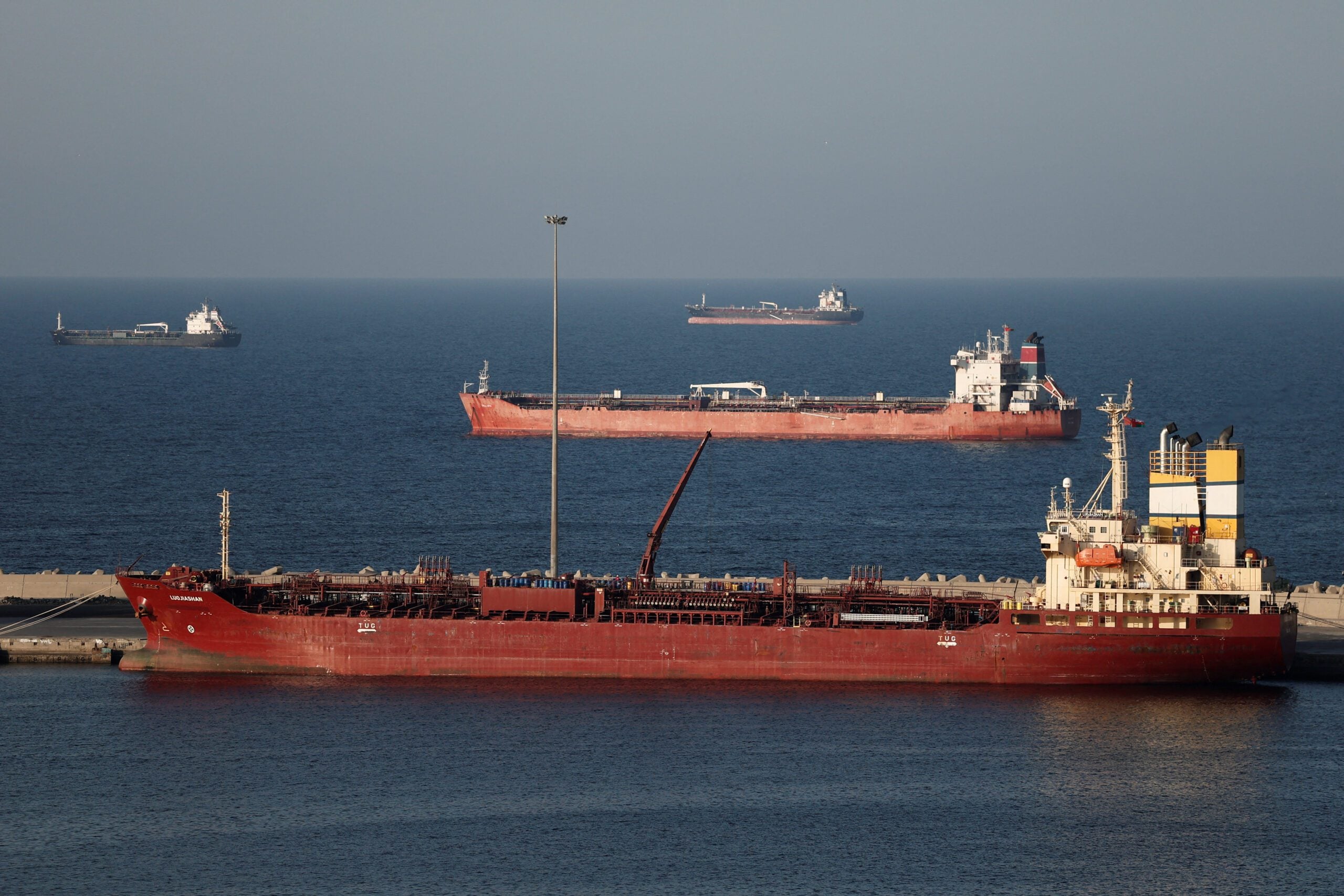
There are only so many tankers in the fleet to move the oil. The tight capacity of available tankers, coupled with the longer transits, has fueled the day rate of these vessels to eye-watering levels.
Editorial Standards · Corrections · About gCaptain

 Join The Club