Don’t Miss Your Daily Briefing for the Maritime Industry
Join the leading maritime news network
— trusted by our 106,966 members
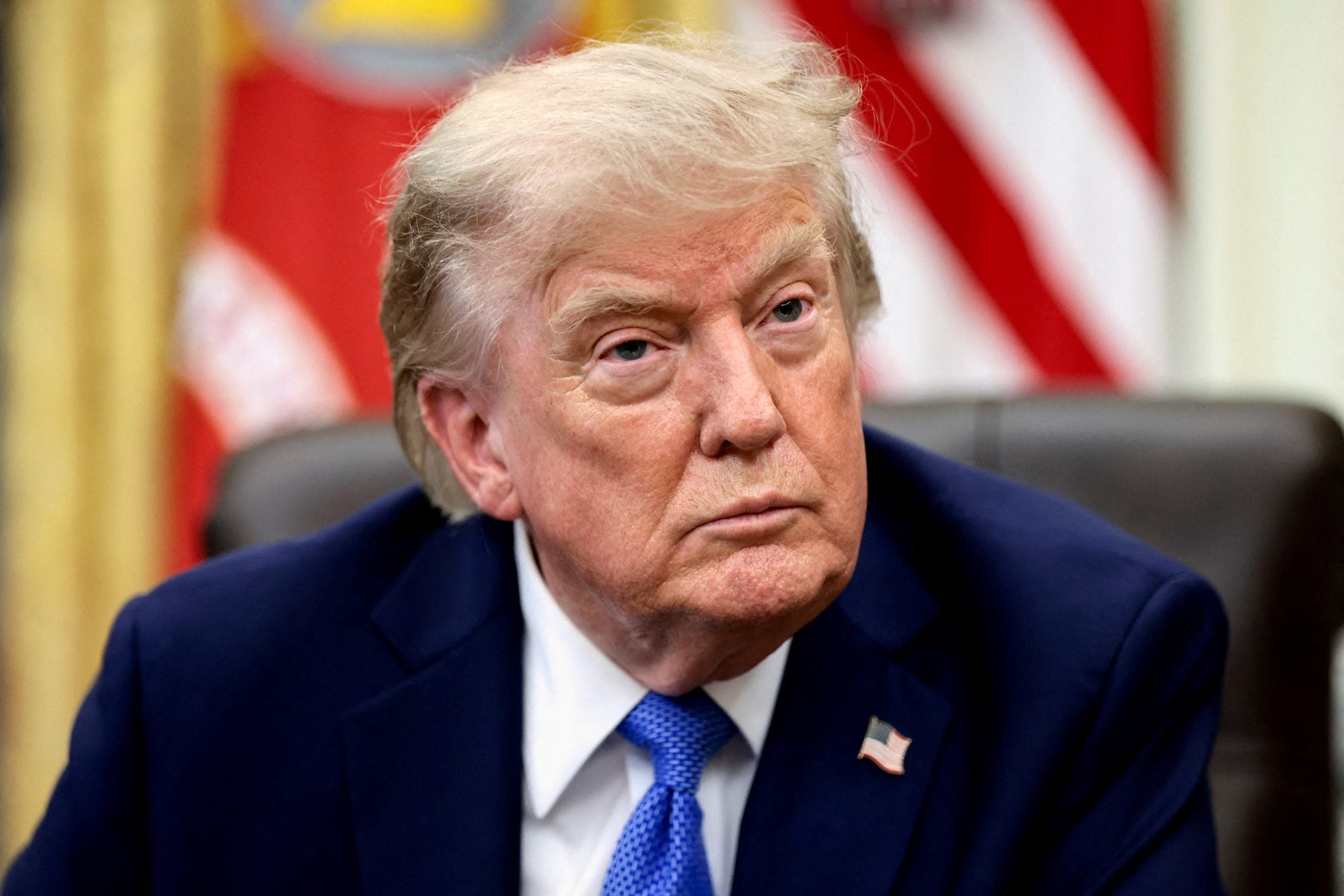
FILE PHOTO: U.S. President Donald Trump attends an event to sign executive orders in the Oval Office at the White House in Washington, D.C., U.S., August 6, 2026. REUTERS/Evelyn Hockstein/File Photo
Tanker Hit in Strait of Hormuz as Trump Declares ‘Mission Accomplished’ in Iran
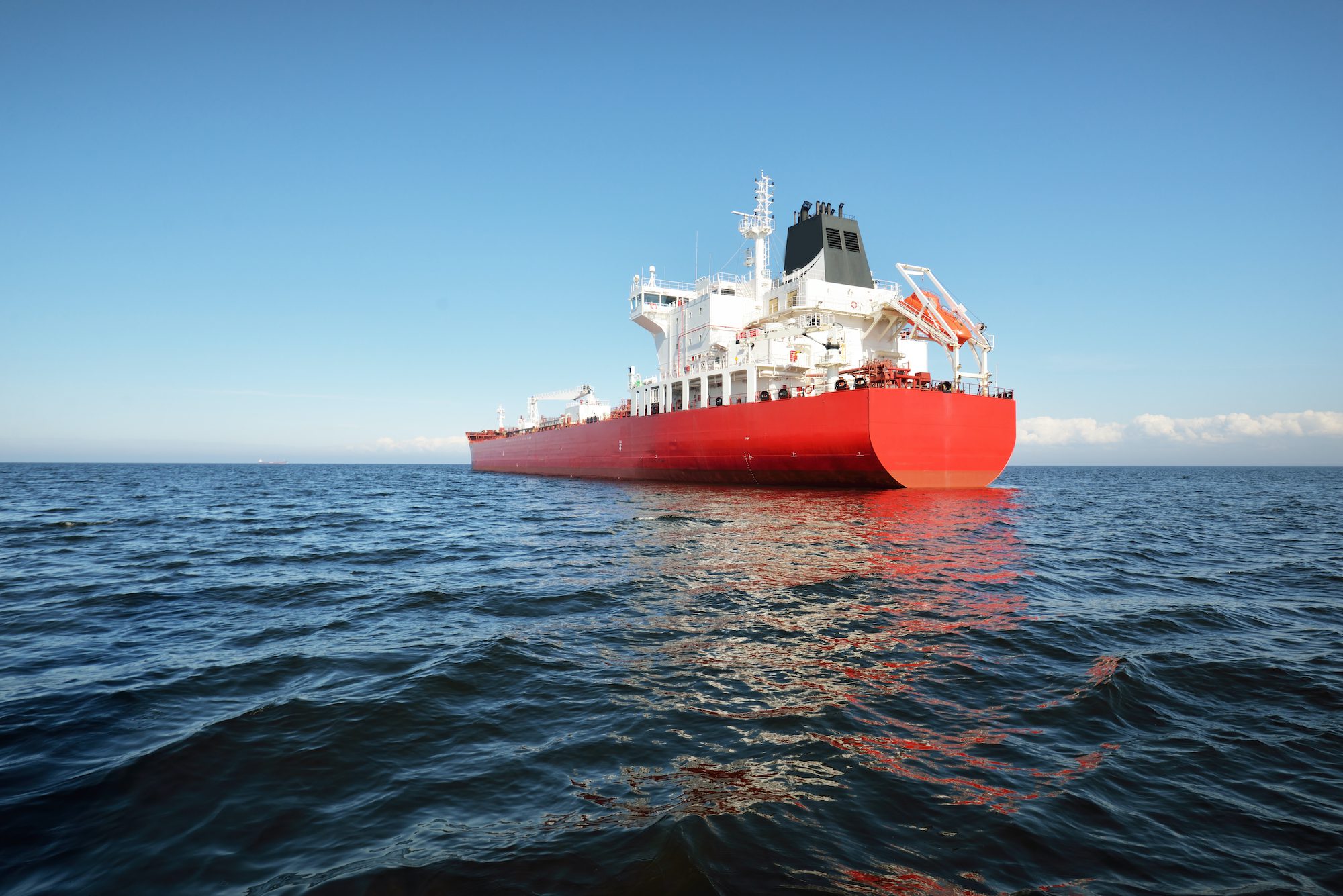
Another tanker has been struck by a projectile while transiting the Strait of Hormuz, underscoring the continued risks to commercial shipping even as President Donald Trump declared victory in Iran and regional governments push ahead with plans to restore safe navigation through the waterway.
UK Maritime Trade Operations issued Warning 121-26 on Thursday after local authorities reported that a tanker had been hit by an unknown projectile near Khasab, Oman. The incident occurred at 1730 UTC on August 25.
The Joint Maritime Information Center identified the vessel as the AL SALAM II, which was transiting eastbound through the Strait when it was struck just above the waterline. The impact opened a small hole and caused a fire that was extinguished by the crew.
All crew members were reported safe and there was no reported environmental impact. Tug assistance was expected.
The tanker later anchored approximately 0.8 nautical miles northwest of Jazirat Tawakkul, according to JMIC.
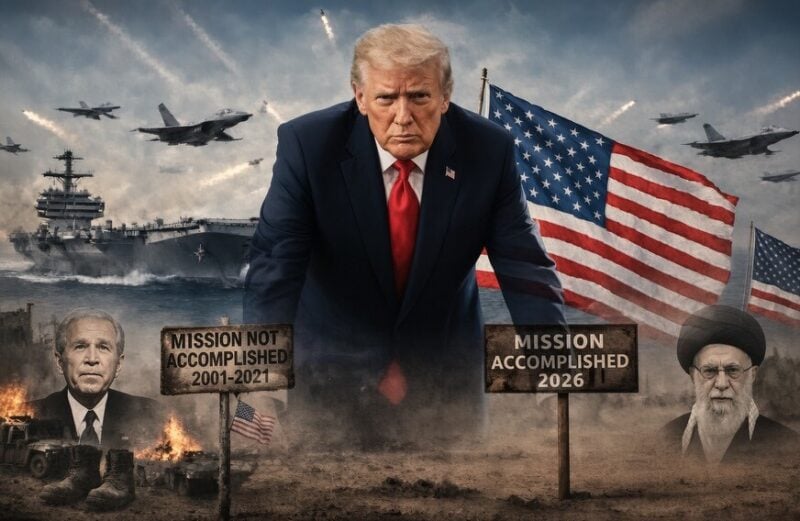
The latest attack comes as Trump posted an image to Truth Social declaring “MISSION ACCOMPLISHED 2026” in Iran on Wednesday. Trump provided no additional explanation with the post.
The declaration followed another statement from Trump on Tuesday saying the U.S. Navy had removed or detonated all mines from international waters in the Strait of Hormuz.
However, the JMIC said Thursday that there remains a risk from drifting or uncharted mines in and near the Strait’s Traffic Separation Scheme, with mine danger areas still active.
Its latest outlook also says mine-risk reporting remains relevant and that clearance and mine-surveying operations are continuing throughout Hormuz.
At the same time, regional governments are moving forward with a new framework aimed at restoring safe navigation through the Strait.
Iran and Oman on Tuesday unveiled a phased proposal that includes establishing a temporary joint navigation corridor through Hormuz and carrying out a joint mine-clearing project. The two countries also agreed to continue technical negotiations toward a permanent navigation corridor and the “future administration of the Strait,” including information exchange, traffic management and the provision of navigational and security services.
The framework appears to put into practice provisions contained in the U.S.-Iran memorandum of understanding signed in June, which called for Iran to hold talks with Oman over the future administration and maritime services in Hormuz.
Those discussions are now expanding to other Gulf states.
Qatar and Iran on Thursday discussed the proposed framework during a visit to Tehran by Qatari Prime Minister and Foreign Minister Sheikh Mohammed bin Abdulrahman Al Thani, according to Qatar’s foreign ministry. The discussions included the proposed temporary Iran-Oman shipping corridor through Hormuz, part of an effort to restore navigation after six months of war and disruption to commercial shipping.
The diplomatic push comes as traffic through Hormuz remains far below normal. JMIC said the historical average was approximately 138 vessels per day in 2025. U.S. data recorded 37 U.S.-facilitated transits over August 25 and 26, while separate tracking data continues to show heavily suppressed non-facilitated commercial traffic.
JMIC said it expects traffic to remain reduced across both the northern Iranian-controlled route and the southern Omani corridor, citing the series of vessel attacks, continued U.S. blockade enforcement and elevated regional tensions.
The AL SALAM II attack highlights the challenge facing those efforts.
DUBAI, Oct 11 (Reuters) – The United States’ response to Iran’s seven conditions in a proposal to reopen the strategic Strait of Hormuz was “insufficient”, Iran’s security chief, Mohsen Rezaei, was quoted by state...
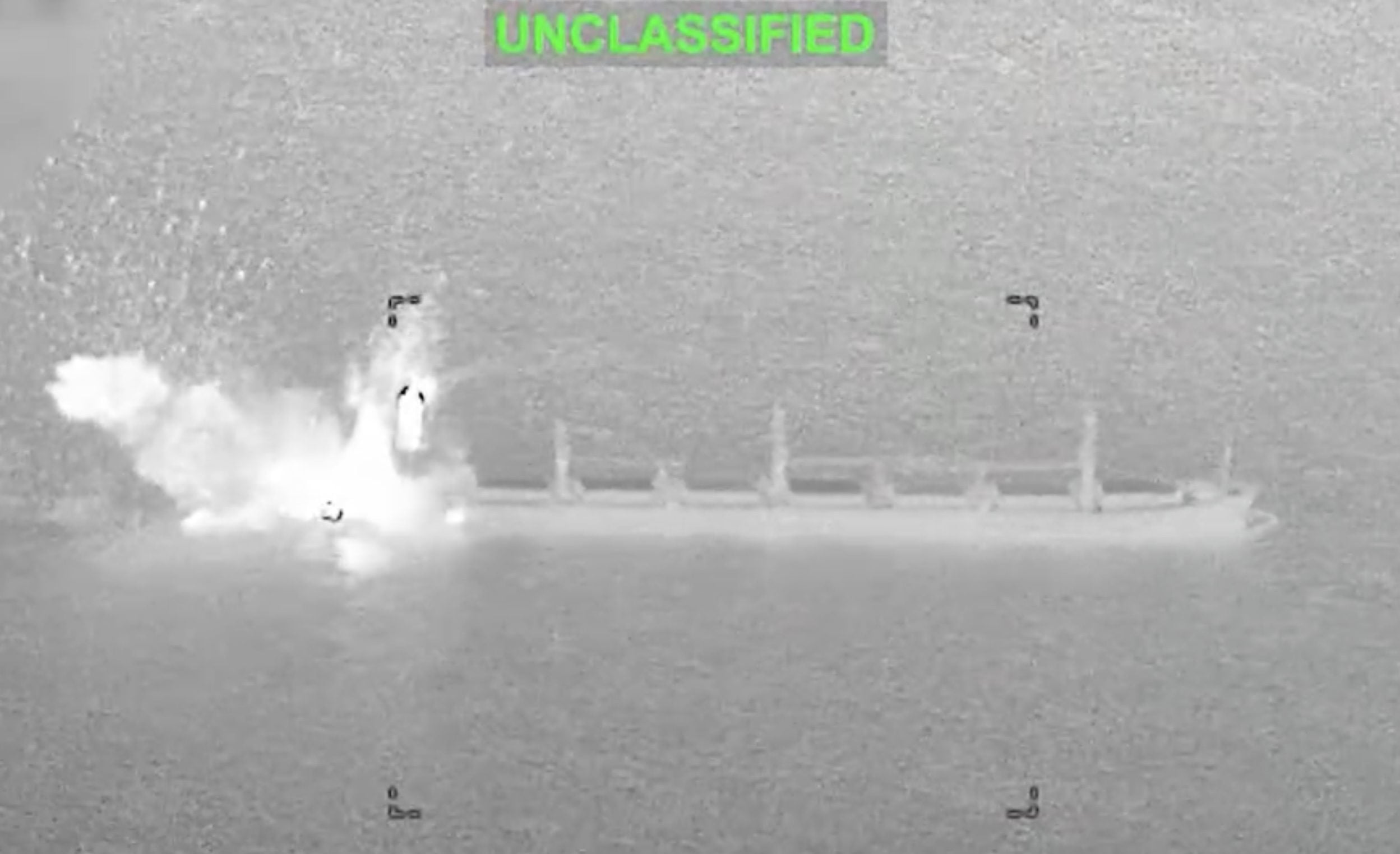
Two more tankers have been struck in the Strait of Hormuz as U.S. forces disable a cargo vessel in the Gulf of Oman, extending a sharp escalation in attacks on commercial shipping.
President Donald Trump said Friday that Russia has agreed to release millions of tons of diesel fuel into U.S. and global markets following a telephone call with Russian President Vladimir...
October 9, 2026
Total Views: 1798
Get The Industry’s Go-To News
Subscribe to gCaptain Daily and stay informed with the latest global maritime and offshore news
— just like 106,966 professionals
Secure Your Spot
on the gCaptain Crew
Stay informed with the latest maritime and offshore news, delivered daily straight to your inbox
— trusted by our 106,966 members
Your Gateway to the Maritime World!
Essential news coupled with the finest maritime content sourced from across the globe.

 Join The Club