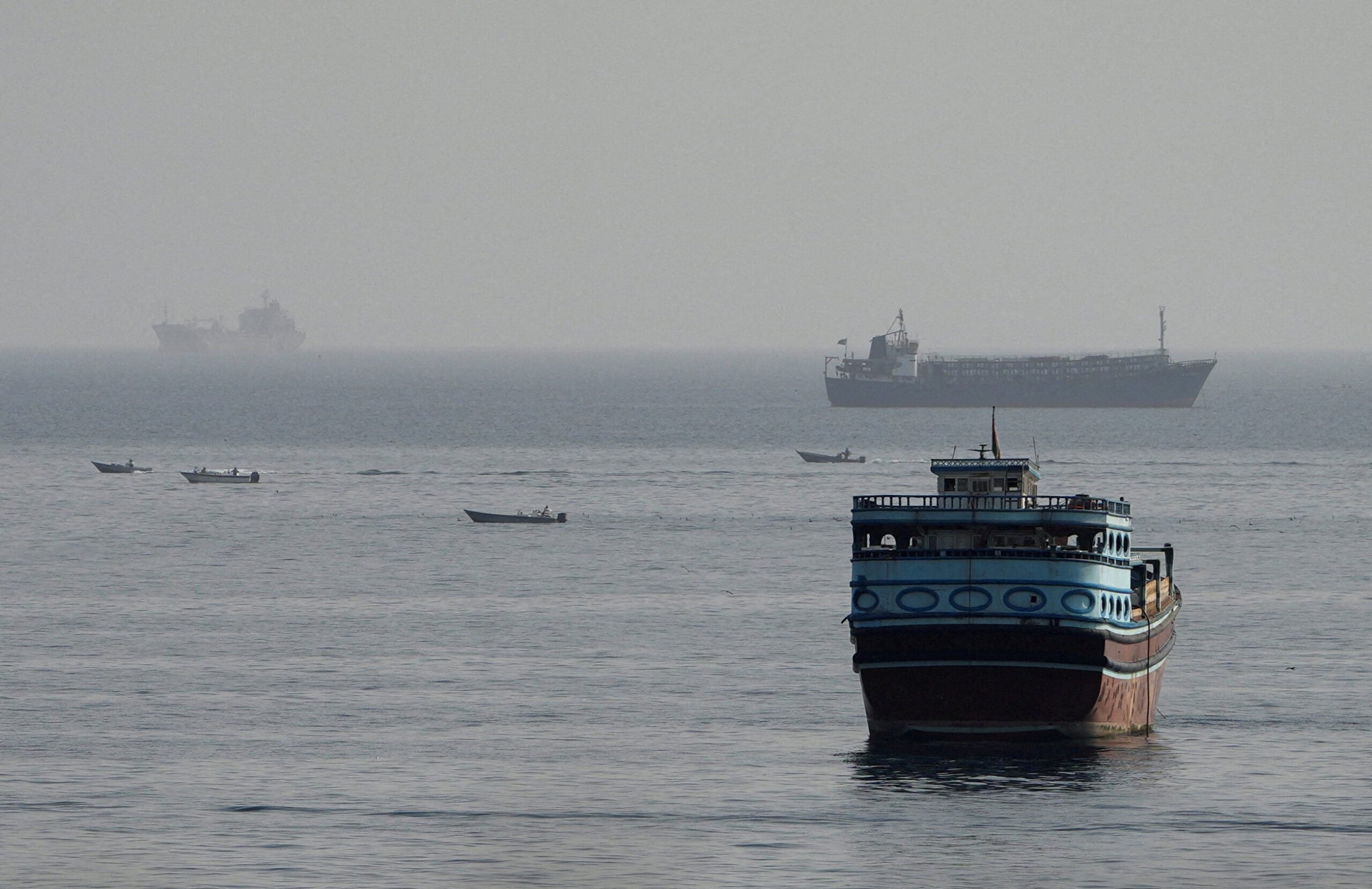
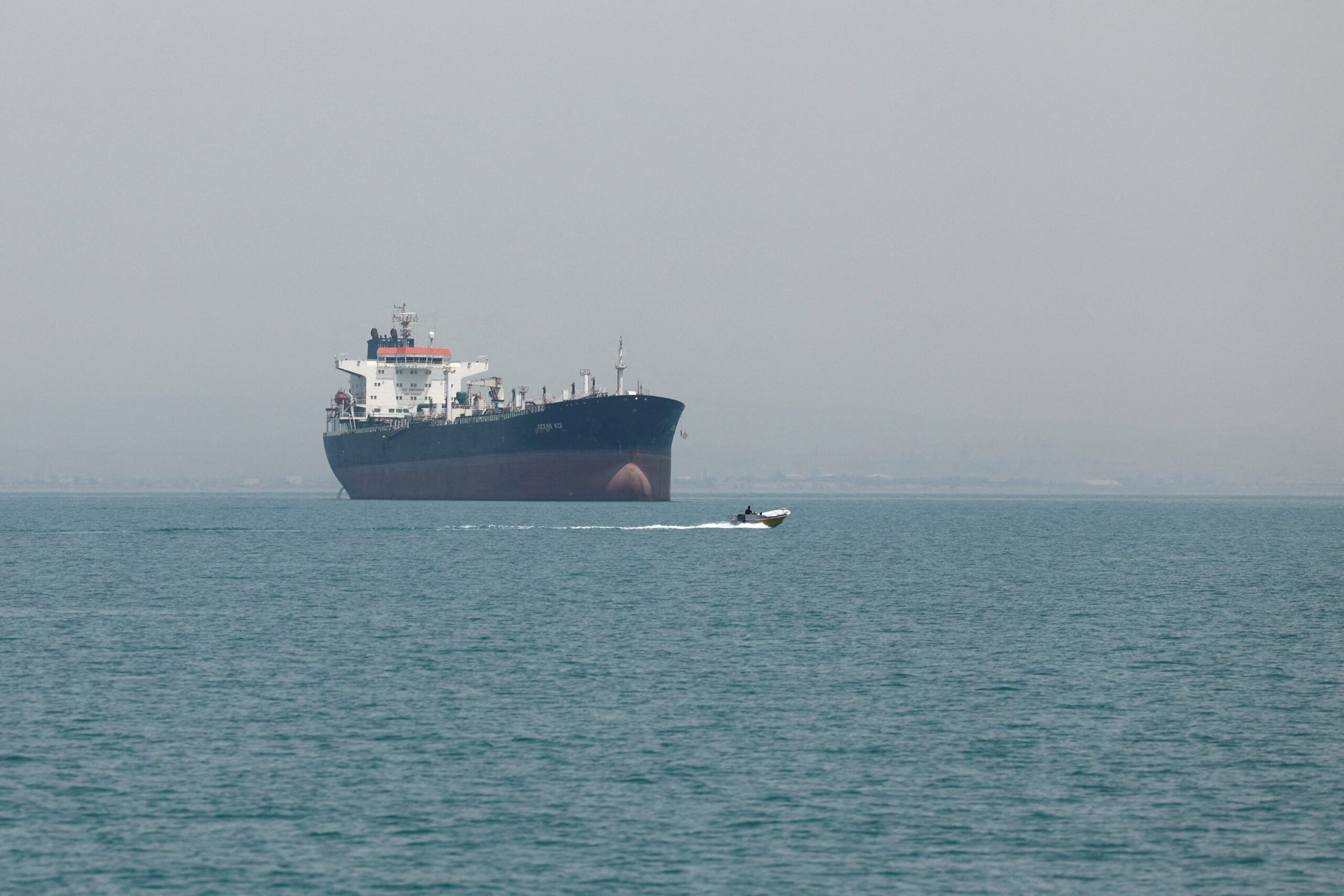
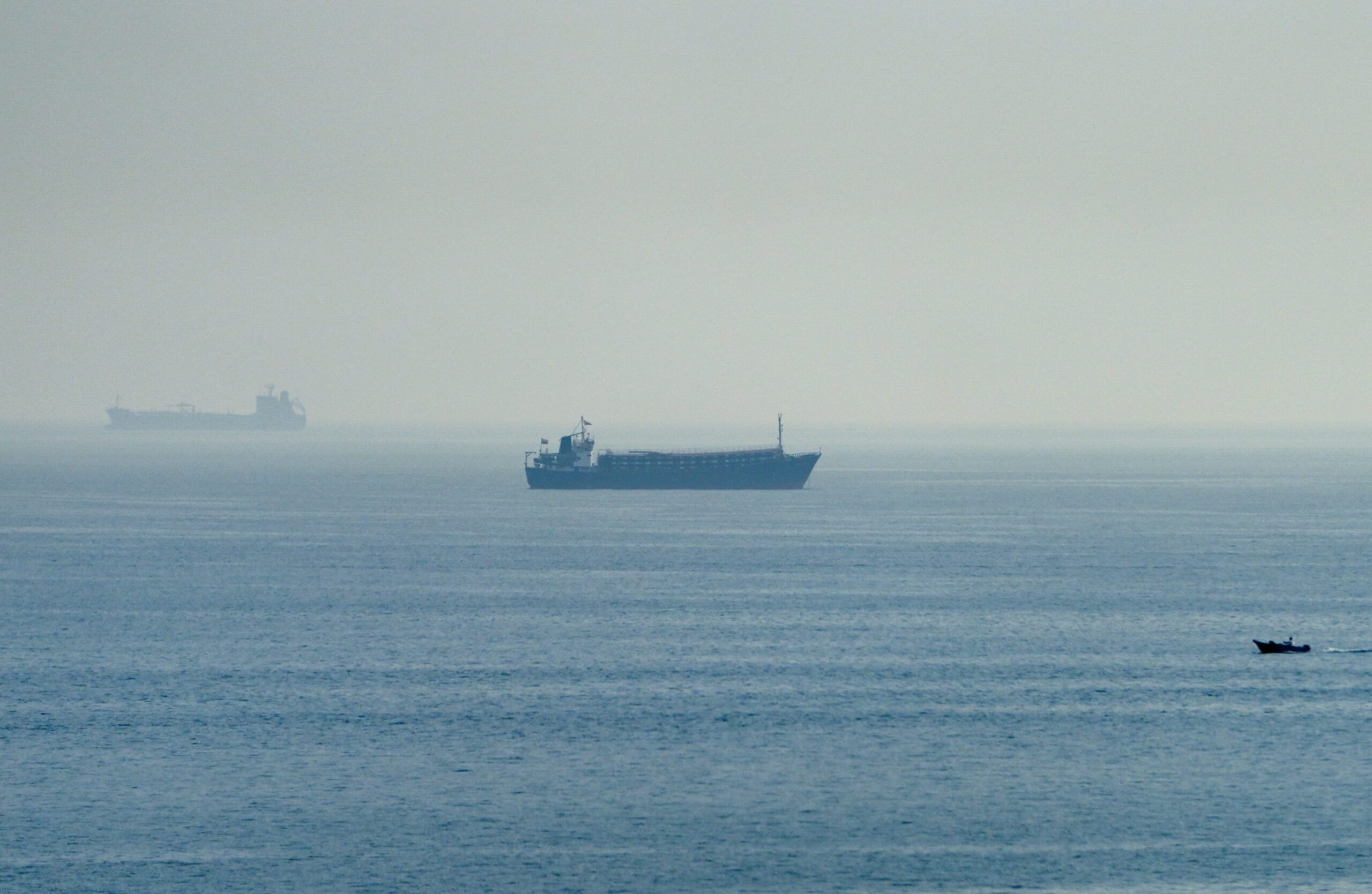
Iran and Oman have unveiled a framework for restoring safe navigation through the Strait of Hormuz, including a temporary shipping corridor, joint mine-clearing operations and further talks over the future management of the strategic waterway.
The plan was announced following talks in Tehran between Iranian Foreign Minister Abbas Araghchi and Omani Foreign Minister Badr al-Busaidi.
In a joint statement, the two sides said discussions focused on the “resumption of safe navigation through the Strait of Hormuz” while preserving the sovereignty and sovereign rights of both countries.
The ministers discussed a phased framework in response to the current situation in the Strait following six months of war and disruption to commercial shipping.
The proposed framework includes the “establishment of a temporary joint navigation corridor through the Strait of Hormuz” and an agreement to carry out a joint project to clear mines from the waterway.
But the longer-term provisions are likely to draw the most attention from shipping.
Iran and Oman said technical negotiations will continue toward a permanent navigation corridor and the “future administration of the Strait,” along with mechanisms for information exchange, traffic management and the provision of navigational and security services.
The two countries also called for discussions with other Persian Gulf littoral states and stressed that any arrangements should comply with international law and respect the sovereign rights of coastal states.
June Agreement Takes Shape
The framework appears to put into practice provisions contained in the U.S.-Iran memorandum of understanding signed in June.
Article 5 of that agreement called on Iran to make arrangements for safe commercial passage through Hormuz and, more significantly, to hold talks with Oman “to define the future administration and maritime services in the Strait of Hormuz.”
The language raised immediate concerns within the shipping industry over what “future administration” might mean.
INTERTANKO warned that the future status of transit passage remained unclear and said Hormuz must remain free of charges and open to all shipping in accordance with UNCLOS. The World Shipping Council similarly called for safe, secure and toll-free passage.
BIMCO also raised questions over safe routes, traffic separation, reporting procedures, naval protection and emergency response.
Tuesday’s statement begins to fill in some of those blanks. The talks now explicitly cover a permanent shipping corridor, information exchange, traffic management and navigational and security services.
Mine-Clearing Plan Comes as Trump Declares International Waters Cleared
The mine-clearing provision comes the same day President Donald Trump declared that the U.S. Navy had already cleared mines from international waters in the Strait.
“I have just been informed by the United States Navy that all mines have been removed and/or detonated from within the International Waters of the Strait of Hormuz,” Trump said Tuesday on Truth Social.
Trump also said Iran had been warned that “any ship or boat placing new mines will be immediately and systematically destroyed,” adding that a “Zero Tolerance” policy on mine placement was in effect.
His declaration, however, does not necessarily mean the broader Strait is mine-free.
The Joint Maritime Information Center said in an advisory Tuesday that there remains a “continued risk of drifting or uncharted mines in and near the TSS, with mine danger areas still active.” JMIC also said clearance and mine-surveying operations continue throughout the Strait and maintained its SEVERE threat assessment.
The Iran-Oman statement adds another layer of uncertainty. The two countries specifically agreed to pursue a joint mine-clearing project but did not say where mines remain or provide details on the scope of the operation.
The June agreement had also appeared to place primary responsibility for de-mining on Iran, stating that full restoration of traffic depended on removing technical and military obstacles and “de-mining by the Islamic Republic of Iran.” The new framework instead calls for Iran and Oman to work jointly on mine clearance.
The temporary corridor would meanwhile serve as an interim arrangement while negotiations continue over a permanent system. The statement does not provide coordinates for the corridor or details on reporting requirements, traffic procedures or security arrangements.
For shipping, the bigger issue remains what comes next.

 Join The Club