By Arsalan Shahla and Jen Judson (Bloomberg) — American warplanes hit an Iranian missile launch site on Qeshm Island in the Persian Gulf on Tuesday, a US military official said, as the two sides intensified tit-for-tat attacks in the ongoing war.
The strike on the Islamic Revolutionary Guard Corps site was in response to Iranian aggression targeting US personnel and assets, the official said, declining to be named.
Earlier on Tuesday, Iran’s semi-official Mehr News Agency reported that US forces had struck several locations on Qeshm Island, adding the assault caused no casualties or damage to critical and public-service infrastructure.
The US bombing came after the third Iranian attack on Bahrain in less than a week. President Donald Trump separately said the US is investigating a report about potential Iranian plans to target Washington.
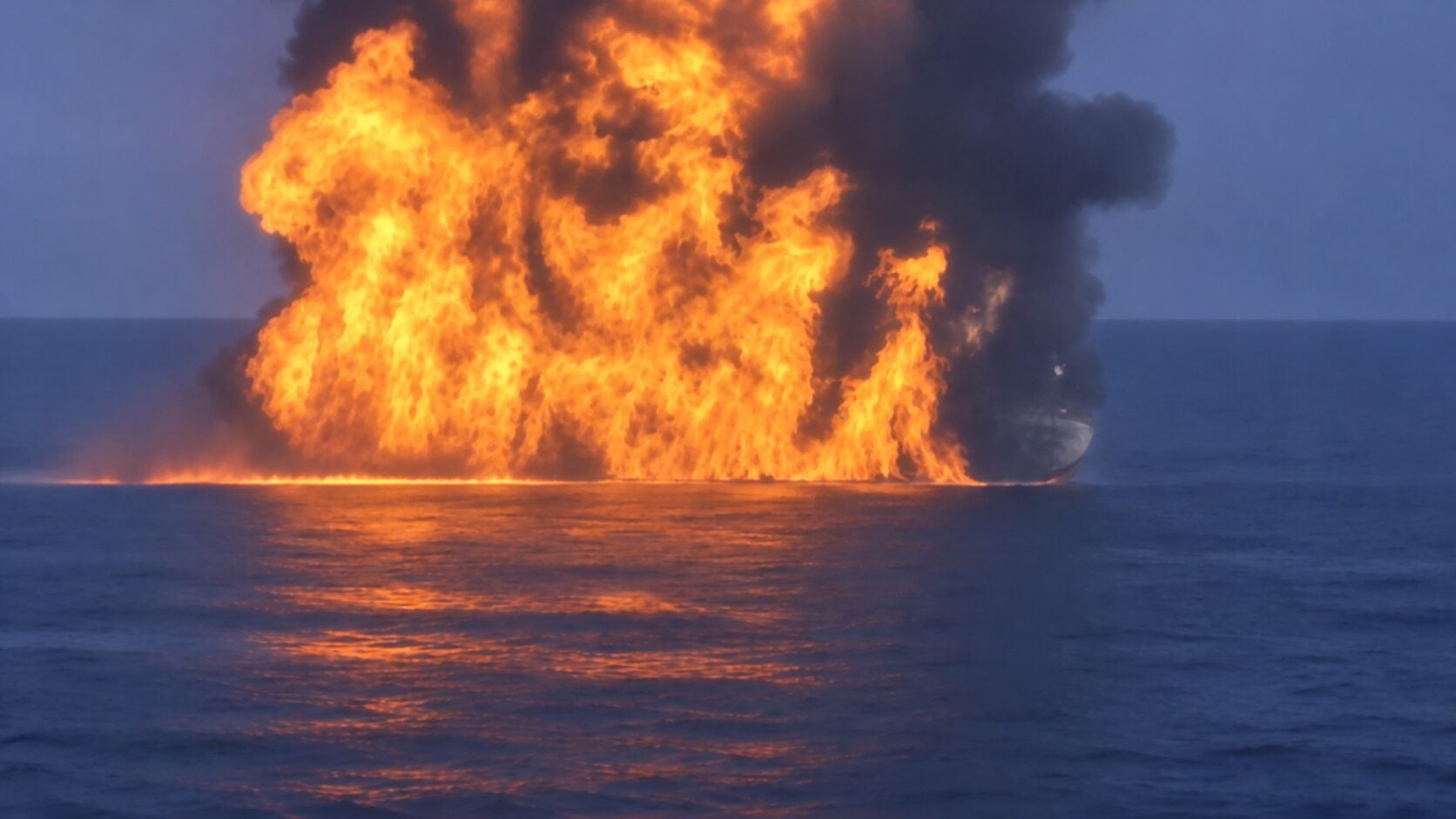
The flurry of recent incidents — as well as increased Iranian attacks on commercial vessels — suggests an intensification of the low-grade clashes that have persisted throughout the ongoing stalemate between the US and Iran.
“For both the US and Iran, there’s an operational rationale for their strikes, from reducing threats to their ability to operate in the Strait of Hormuz,” said Becca Wasser, defense lead for Bloomberg Economics. “But we’ve seen throughout this conflict the mismatch between operational objectives and political realities, where tit-for-tat strikes quickly escalate.”
Neither side has shown a willingness to compromise on an issue that might pave the way to a resolution, such as the lifting of a US naval blockade or concessions from Iran on its nuclear program.
Qatar, the main mediator between Washington and Tehran, was due to meet with representatives of the Islamic Republic on Tuesday, part of a long-running effort to find a diplomatic off-ramp.
Oil prices gained amid the fresh flareups, having plunged following the Republican defeat in the US midterm elections earlier this month. Brent crude rose toward $94 a barrel, still up more than 50% for the year.
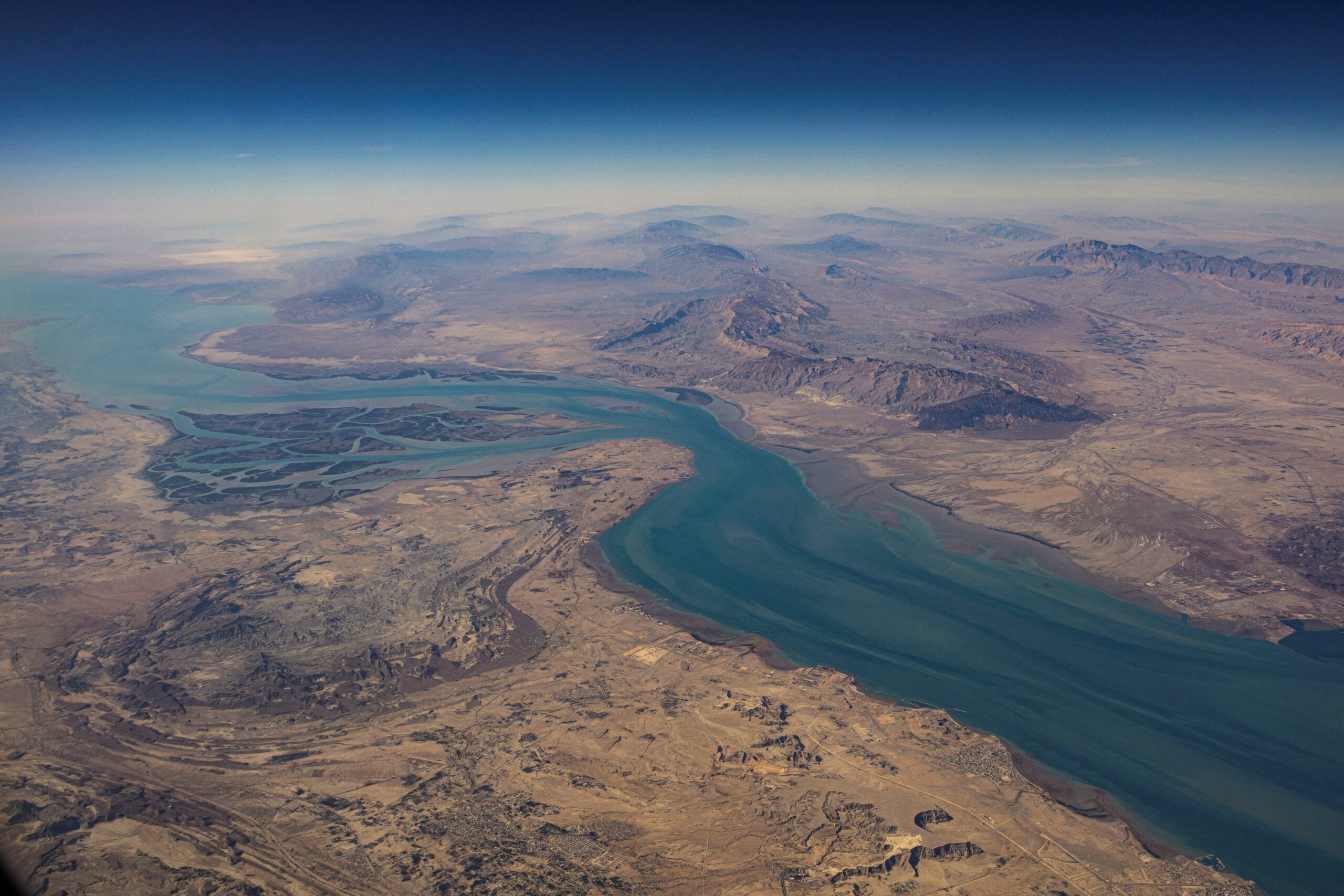
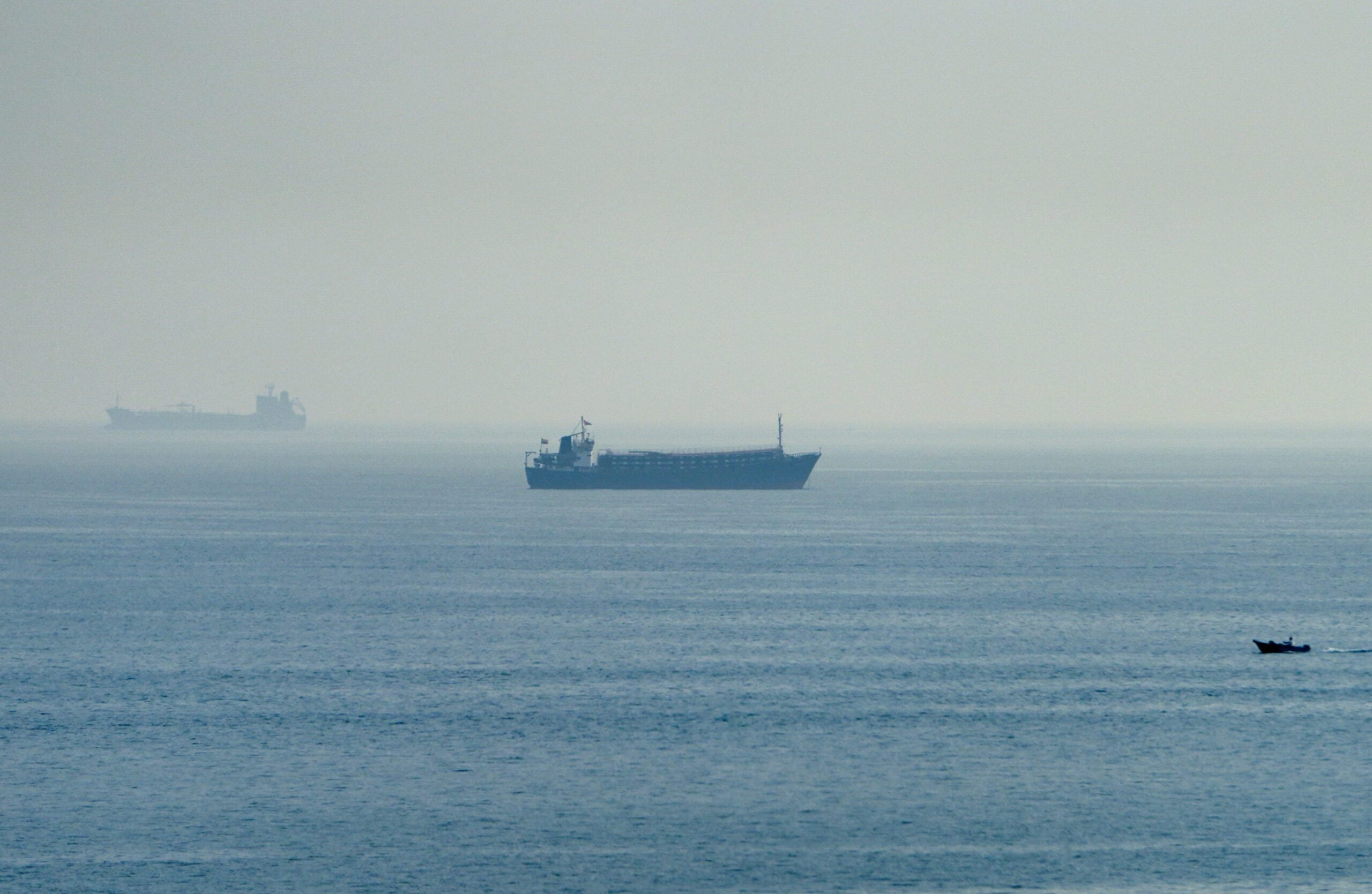
Qeshm lies off Iran’s southern coast near the Strait of Hormuz — the critical transit point for oil and gas that’s long been the focal point of the conflict. The US launched limited attacks on the island earlier this month, saying they were defensive in nature and designed to help energy tankers and other vessels get through the strait safely.
Earlier Tuesday, Iran’s parliamentary speaker and lead negotiator with the US, Mohammad Bagher Ghalibaf, warned that Tehran would retaliate against civilian infrastructure near US and Israeli bases if Washington did the same.
His comments, a standard Iranian response to any perceived indication of US escalation, followed a New York Times report that water infrastructure sites in Iran “may have been developed to support the country’s military buildup.”
This amounted to “prepping the next round on civilian” infrastructure, Ghalibaf said. “We’ll apply your logic consistently and even-handedly.”
© 2026 Bloomberg L.P.

 Join The Club