Don’t Miss Your Daily Briefing for the Maritime Industry
Join the leading maritime news network
— trusted by our 106,328 members
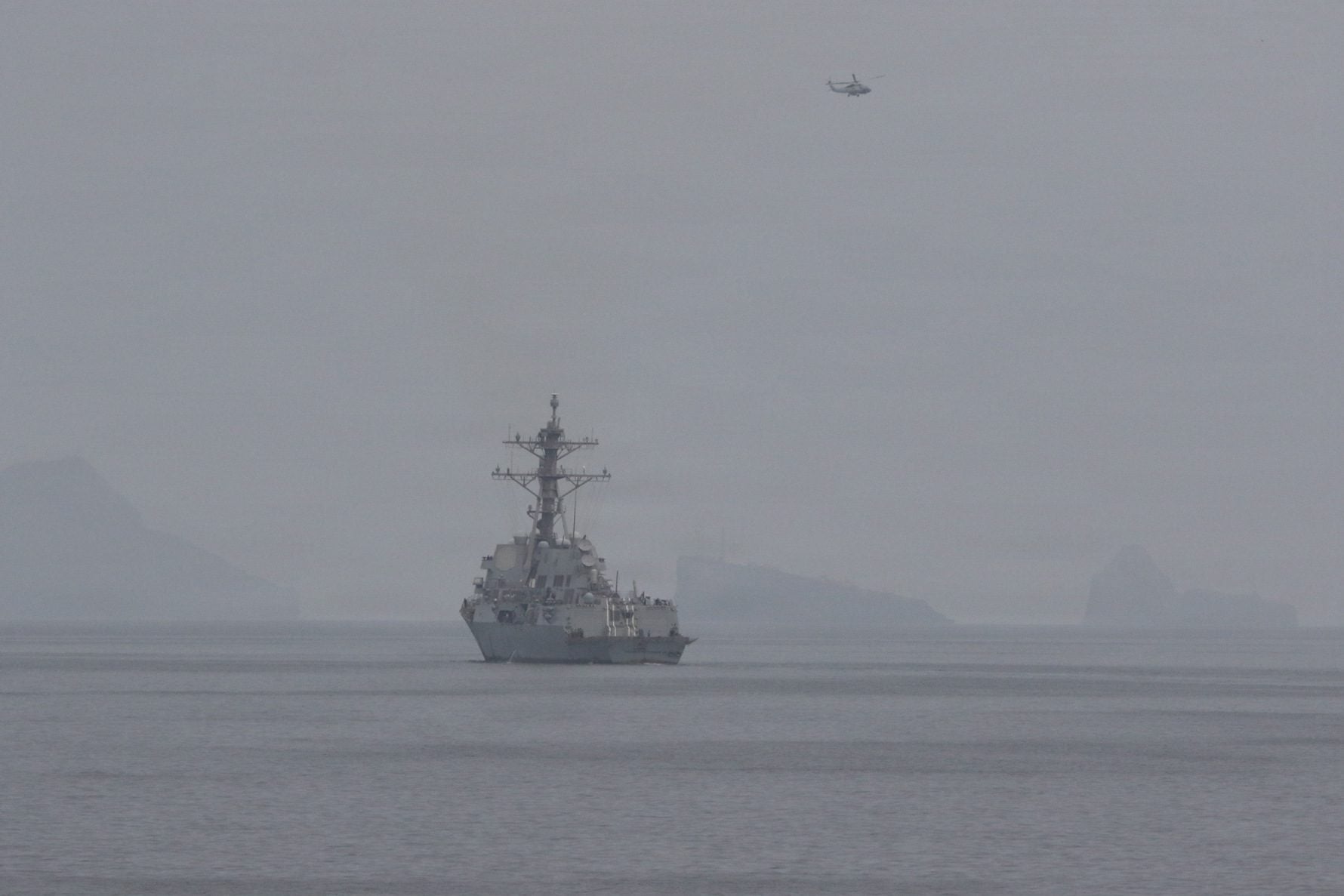
U.S. Central Command (CENTCOM) forces began setting conditions for clearing mines in the Strait of Hormuz, April 11, as two U.S. Navy guided-missile destroyers conducted operations. U.S. Central Command Photo
Trump Says U.S. Navy Has Cleared All Mines From Strait of Hormuz
President Donald Trump declared Tuesday that the U.S. Navy has cleared all mines from international waters in the Strait of Hormuz, even as the multinational maritime security center overseeing threats to commercial shipping warned that mine danger areas remain active and clearance operations are continuing.
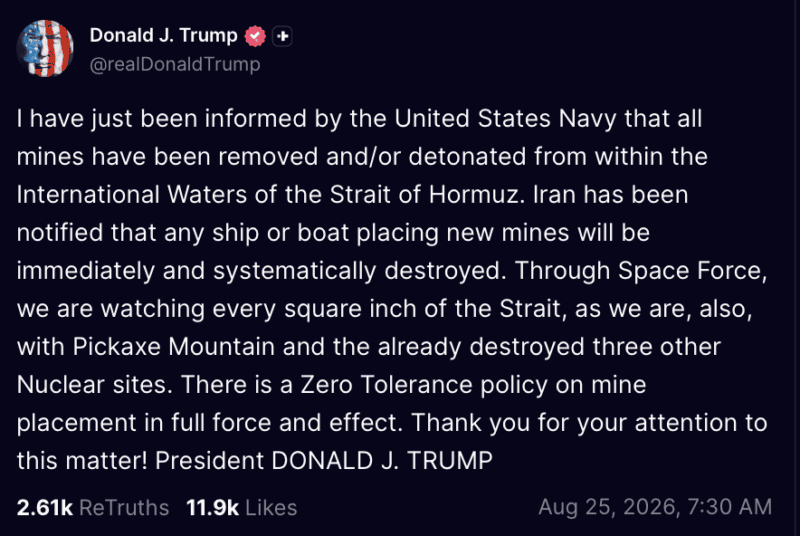
“I have just been informed by the United States Navy that all mines have been removed and/or detonated from within the International Waters of the Strait of Hormuz,” Trump said in a post on Truth Social.
Trump said Iran had been notified that “any ship or boat placing new mines will be immediately and systematically destroyed,” adding that the United States was enforcing a “Zero Tolerance” policy on new mine placement.
But an assessment issued Tuesday by the Joint Maritime Information Center (JMIC) paints a more cautious picture for merchant shipping.
JMIC’s August 25 advisory said there remained a “continued risk of drifting or uncharted mines in and near the TSS, with mine danger areas still active.”
The center also said “clearance and mine-surveying operations continue throughout the Strait of Hormuz,” and maintained the overall threat level for the waterway at SEVERE.
JMIC advised vessels to obtain updated mine-danger coordinates and graphics from U.S. Naval Forces Central Command’s Naval Cooperation and Guidance for Shipping (NCAGS), while warning that mine-risk reporting remains relevant within and adjacent to the Strait’s traffic separation scheme.
The discrepancy is significant for commercial operators weighing whether conditions in one of the world’s most important shipping chokepoints have improved enough to resume normal operations.
Trump’s statement specifically refers to mines in “International Waters,” while JMIC’s assessment covers the broader Strait and areas in and around the traffic separation scheme. Known mines in international waters may have been cleared while surveys continue for drifting or previously uncharted mines, or while danger areas remain elsewhere.
Still, JMIC has not declared the Strait mine-free, and its latest guidance continues to treat mines as an active navigational hazard.
Tuesday’s announcement also marks the second time in a week that Trump has declared the mine threat essentially eliminated.
On August 18, Trump said the Strait of Hormuz was open and that “all water mines” had been removed or detonated. Iran continued to assert restrictions over commercial traffic, while maritime security authorities warned that the operating environment remained dangerous.
Trump’s latest statement goes further by explicitly attributing the mine-clearance assessment to the U.S. Navy and threatening immediate military action against vessels attempting to deploy new mines.
The president also said U.S. Space Force assets were monitoring “every square inch” of the Strait, as well as Iran’s nuclear sites.
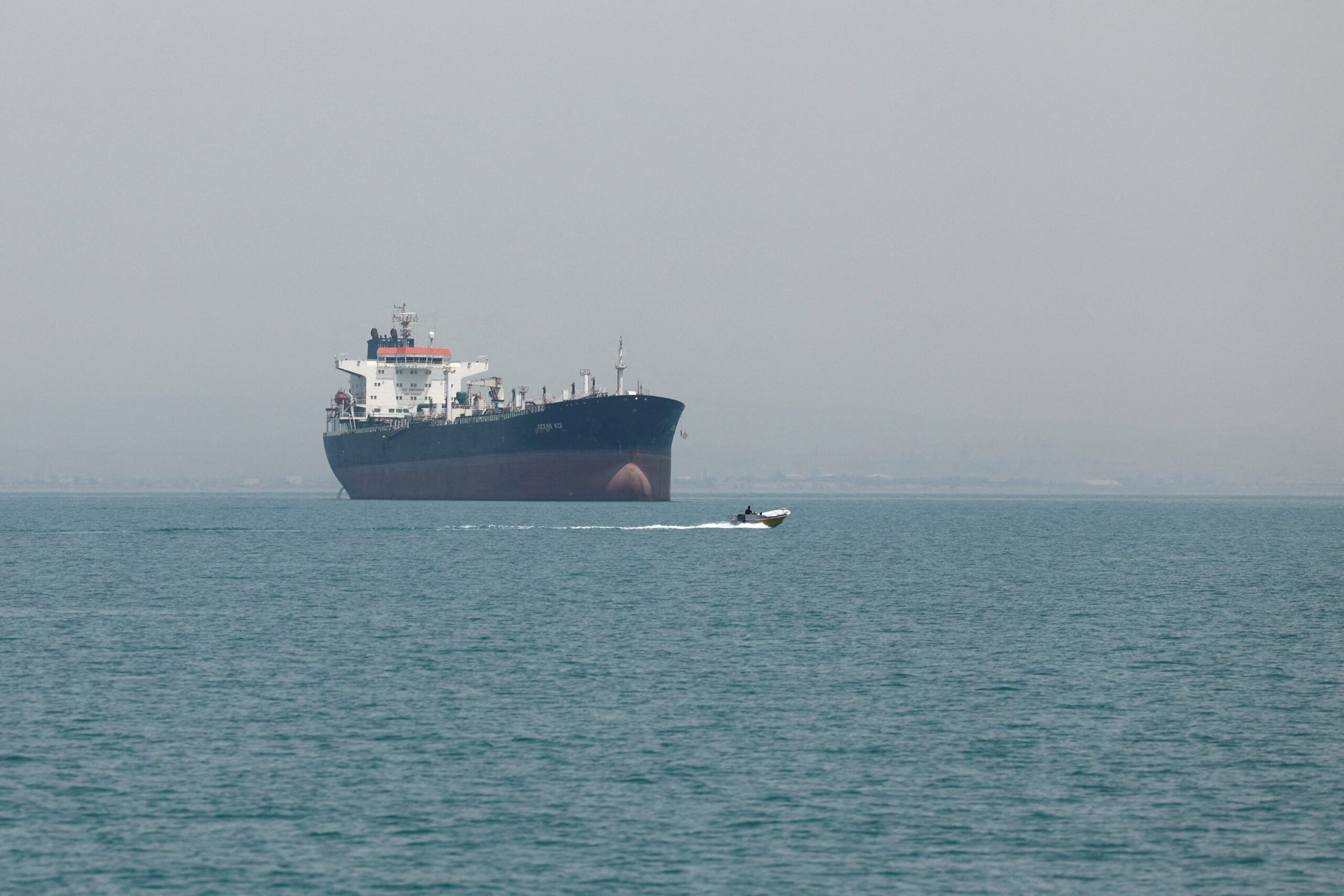
The Strait of Hormuz normally carries roughly one-fifth of global oil flows, but commercial traffic has been heavily disrupted during nearly six months of conflict between the United States and Iran. Merchant vessels have faced attacks, Iranian transit restrictions and sharply higher security, freight and insurance costs.
Iran has continued asserting authority over vessel movements despite U.S. declarations that the waterway is open, including stopping vessels and demanding compliance with its transit arrangements.
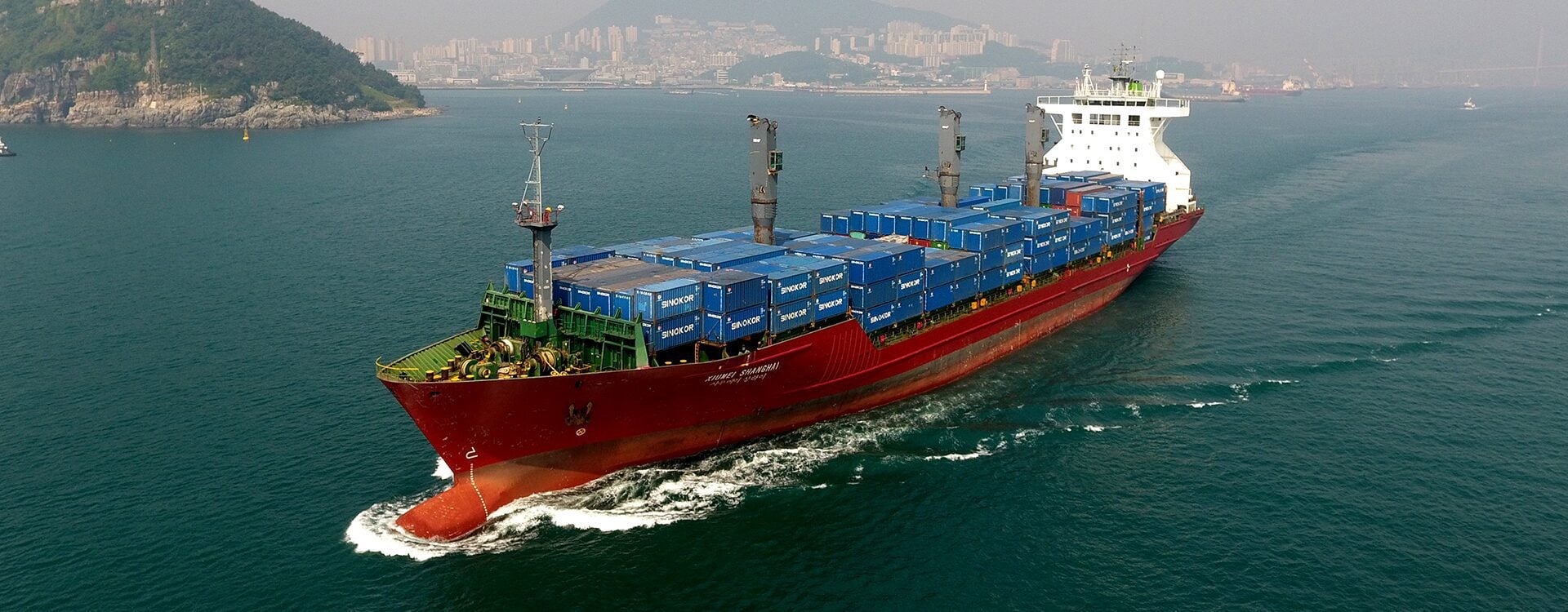
Iran’s Persian Gulf Strait Authority said it would take “legal action” against tankers belonging to Sinokor, the world’s biggest oil tanker owner that has carried millions of barrels out of the Strait of Hormuz in recent weeks.
October has become the worst month on record for attacks on merchant ships in and around the Strait of Hormuz, and oil is now washing onto the beaches of the United Arab Emirates.
Two new maritime security warnings issued Monday point to continued dangers for commercial shipping in the Middle East, with one tanker confirmed disabled by a projectile in the Strait of...
October 26, 2026
Total Views: 1280
Get The Industry’s Go-To News
Subscribe to gCaptain Daily and stay informed with the latest global maritime and offshore news
— just like 106,328 professionals
Secure Your Spot
on the gCaptain Crew
Stay informed with the latest maritime and offshore news, delivered daily straight to your inbox
— trusted by our 106,328 members
Your Gateway to the Maritime World!
Essential news coupled with the finest maritime content sourced from across the globe.

 Join The Club