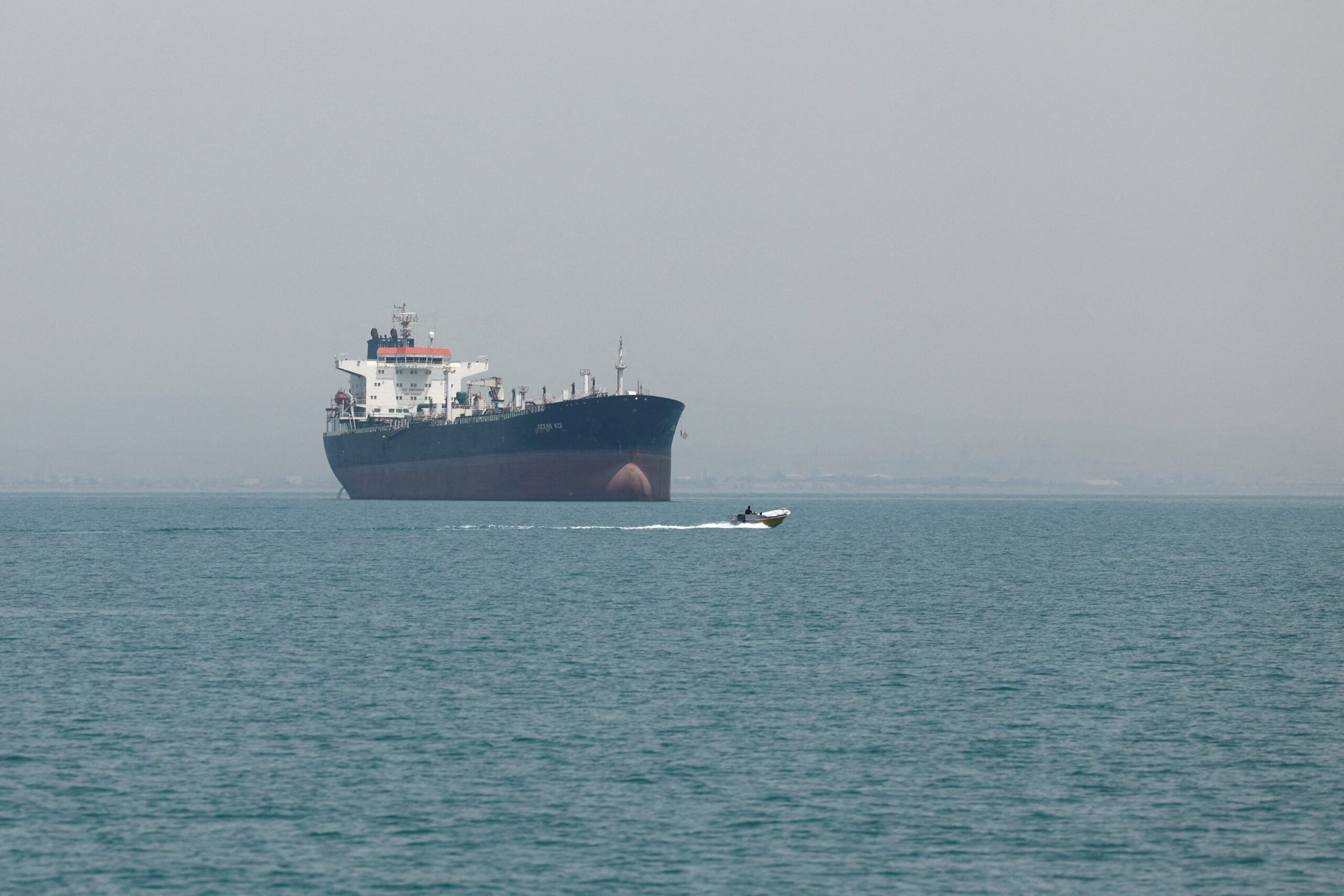
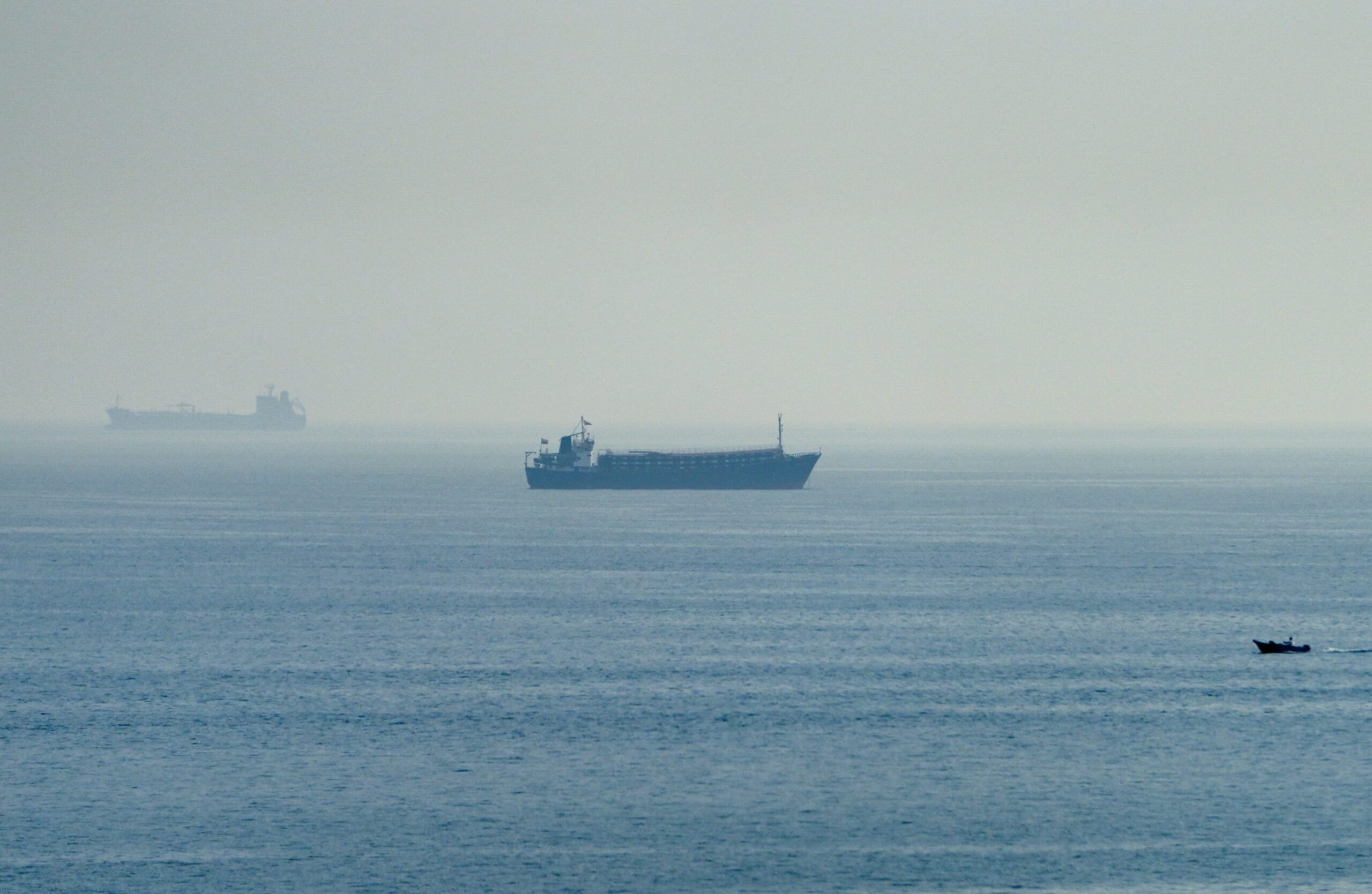
The memorandum of understanding signed this week by the United States and Iran does more than end months of conflict and reopen the Strait of Hormuz. It sketches out a potentially significant shift in how one of the world’s most important maritime chokepoints may be managed in the years ahead.
Buried within the 14-point agreement is language that places Iran at the center of future discussions over maritime services and administration in the Strait, a role that would represent a major departure from the security architecture that has dominated Gulf shipping for decades.
Under Article 5 of the memorandum, Iran commits to making arrangements “using its best efforts” to ensure the safe passage of commercial vessels through the Strait of Hormuz and the Persian Gulf.
The article goes further. It states that Iran will conduct dialogue with Oman “to define the future administration and maritime services in the Strait of Hormuz” and later hold discussions with Gulf littoral states “in line with international law and the sovereign rights of coastal states of the Strait of Hormuz.”
The wording is notable because it places greater emphasis on the role of coastal states in the future management of the Strait. The MOU does not alter international transit rights or define a new governance structure, but it does suggest that Iran and Oman could play a more prominent role in maritime services and regional coordination going forward.
What Does “Administration” Mean?
The agreement does not define the phrase “future administration and maritime services,” and that ambiguity is one of the reasons maritime organizations are approaching the deal cautiously.
Specifically, the text does not explain:
- Who will oversee vessel traffic management.
- Whether the existing Traffic Separation Scheme will remain unchanged.
- Who will coordinate naval escorts or security patrols.
- Whether any reporting or transit clearance procedures will be introduced.
- How mine clearance operations will be conducted.
- Or whether maritime services could eventually include administrative fees or other charges.
Those unanswered questions have become a central concern for shipping.
INTERTANKO, the association representing independent tanker owners, addressed the issue directly in a statement Thursday.
“As we move forward, the status of transit passage through the Strait of Hormuz needs to be emphasised,” said Marine Director Phillip Belcher.
“Article 5 of the MoU states that no tolls will be charged for the first 60 days; however, the future is unclear and will be determined by Iran following dialogue with Oman and discussions with the Gulf States.”
Belcher said the outcome of those discussions “must be a reinforcement of the central tenet that the Strait of Hormuz must remain free of charges and open to all in accordance with UNCLOS.”
De-Mining Falls on Iran
The agreement also acknowledges one of the biggest obstacles to restoring normal shipping: mines.
Article 5 states that commercial traffic will resume immediately but that full restoration within 30 days depends on “removing the technical and military obstacles and de-mining by the Islamic Republic of Iran.”
The provision appears to place primary responsibility for mine clearance on Tehran, though the agreement provides no details on how such operations would be conducted, independently verified, or coordinated with other regional navies and maritime authorities.
Pre-War Status
The MOU’s maritime provisions extend beyond just Article 5. Article 4 commits the United States to lifting its naval blockade and states that vessel traffic will return “in proportion to the numbers of pre-war traffic being restored by the Islamic Republic of Iran.”
While the agreement does not define what that means exactly, the language seems to reinforce Iran’s central role in the reopening process and raises further questions about how vessel movements, traffic management and maritime services may be coordinated during the transition.
Before the war, the Strait routinely handled between 130 and 140 vessel transits a day through the main Traffic Separation Scheme, making it one of the busiest and most strategically important shipping lanes in the world. However, restoring traffic to those levels is expected to be a gradual process, particularly as mine threats, new alternative routing arrangements, and continued security concerns will continue to play into shipowners’ decisions to return to the region.
Industry Pushes Back Against Tolls
That concern has quickly become a recurring theme across the shipping industry.
The World Shipping Council said vessels must be able to pass through the Strait “safely, securely and without toll.”
The emphasis on toll-free transit is not accidental. The Strait of Hormuz is widely regarded as an international strait subject to the principle of transit passage under the United Nations Convention on the Law of the Sea, or UNCLOS. Under that framework, ships enjoy the right to transit continuously and expeditiously through the waterway without interference.
Many shipowners fear any new governance arrangement could challenge that longstanding principle.
The MOU appears to anticipate such concerns by stating that maritime services provided by Iran will remain free of charge for the first 60 days following implementation. What happens afterward remains unclear.
The industry’s insistence on toll-free transit echoes warnings issued earlier in the conflict by the International Maritime Organization. In late April, IMO Secretary-General Arsenio Dominguez told the U.N. Security Council there was “no legal basis” for payments or special transit conditions in the Strait of Hormuz, warning that such measures would undermine longstanding principles of freedom of navigation and set a dangerous precedent for other strategic waterways.
The IMO has repeatedly pointed to the U.N. Convention on the Law of the Sea, which guarantees the right of transit passage through international straits and provides that coastal states shall not hamper or suspend that right.
While the MOU states that maritime services provided by Iran will remain free of charge for the first 60 days, shipping organizations say the long-term status of transit fees or administrative charges must be clarified to ensure Hormuz remains open to international shipping on the same principles that have governed the waterway for decades.
The MOU’s Hormuz provisions are also drawing scrutiny from U.S. policy groups. United Against Nuclear Iran (UANI) said the agreement leaves unresolved questions about the future administration of the Strait and argued that any final settlement should explicitly guarantee that Hormuz remains free of tolls, fees or other restrictions on international shipping.
“Any final deal must ensure the Strait of Hormuz will be free from tolls, fees, or any other interference from the Iranian regime,” the group said, warning that sanctions relief tied to reopening the Strait could weaken U.S. leverage in future negotiations.
A Coastal-State Model Emerges
The language of Article 5 reflects a broader theme running throughout the agreement.
The United States and Iran commit to respecting each other’s sovereignty and territorial integrity and pledge not to interfere in each other’s internal affairs. Taken together with the Hormuz provisions, the agreement points toward a maritime order based more heavily on regional and coastal-state management.
Qatar, whose economy depends heavily on exports through the Strait, appeared comfortable with that framework. In a statement Thursday, Doha welcomed the agreement and specifically praised provisions concerning freedom of navigation in the Strait of Hormuz, describing the MOU as a foundation for sustainable peace and economic growth.
The statement offered no objection to Iran’s future role in maritime administration.
Shipping Groups Want Practical Answers
For the shipping industry, however, the debate is not yet about geopolitics.
BIMCO said the memorandum raises numerous unanswered questions concerning safe routes, traffic separation, reporting procedures, naval protection and emergency response.
“The MoU does not offer sufficient information regarding key aspects such as safe routes, measures to separate traffic, sequencing of ships leaving the Gulf, reporting procedures, ship security procedures, procedures for naval protection and emergency response,” BIMCO Chief Safety and Security Officer Jakob Larsen said.
The organization expects an international coordination body will eventually be created to manage vessel movements through the Strait. Until then, many shipowners are expected to remain cautious.
Not a Return to the Old Status Quo
Even if the agreement holds, few in the industry expect Hormuz to return immediately to the way it operated before the conflict.
The traditional Traffic Separation Scheme remains affected by mine threats, according to industry groups. Temporary northern and southern coastal routes may continue to play an important role during the transition.
Hundreds of vessels remain inside the Persian Gulf awaiting a safe opportunity to resume normal trading patterns. And perhaps most importantly, the long-term rules governing the Strait remain unsettled.
Maritime historian Sal Mercogliano said the next two months may prove to be the most consequential period for shipping in the region since the conflict began.
“The biggest challenge in the next 60 days will be to see the exit of ships that have been trapped in the Persian Gulf since the start of the conflict on Feb. 28,” Mercogliano wrote on X. “Next, will be whether ships return to the Gulf.”
For now, commercial traffic is beginning to return and the war has ended. But the agreement leaves unresolved who will ultimately shape the future administration of the Strait of Hormuz, what rules will govern its operation, and whether the longstanding principle of unrestricted transit passage will remain unchanged in the years ahead.

 Join The Club