The signing of a U.S.-Iran memorandum of understanding ending months of conflict in and around the Strait of Hormuz has been welcomed across the maritime industry, but shipowners and industry groups are warning that reopening the world’s most important energy chokepoint will be a complicated and potentially lengthy process.
Three days after U.S. President Donald Trump announced that a deal had been reached, the maritime industry’s message has become increasingly clear: the political agreement may be in place, but the operational framework required to safely restore normal shipping remains largely unfinished.
“OIL IS FLOWING,” Trump declared Thursday on Truth Social. “IRAN CAN NEVER HAVE A NUCLEAR WEAPON (THE WORLD WILL BE SAFE!) … OUR COUNTRY IS STRONG, SAFE, AND RESPECTED LIKE NEVER BEFORE.”
Yet the industry’s response has been notably more restrained.
The World Shipping Council said the agreement is “a positive development and an encouraging step toward restoring safety” in the Strait, but stressed that safe passage for ships and seafarers stranded in the region remains the immediate priority.
“That will require coordination between states, the IMO and industry, backed by the necessary safety and security guarantees,” said World Shipping Council President and CEO Joe Kramek. “Coordinated risk assessments, mine mitigation operations, and vessel traffic operations should be prioritized as part of these efforts.”
The comments echo warnings issued by BIMCO and INTERTANKO, two of the shipping industry’s largest organizations, both of which say major obstacles remain before vessels can resume normal transits.
Mines, Narrow Corridors and Hundreds of Waiting Ships
BIMCO Chief Safety and Security Officer Jakob Larsen said the central portion of the Strait remains unsafe for navigation.
“Iran and the U.S. have now agreed to permit transits through the Strait of Hormuz, but significant safety and security risks still persist,” Larsen said. “The central part of the Strait is mined and un-navigable, and only the inshore traffic zones close to Oman and Iran are reportedly free of mines.”
That assessment suggests the reopening of Hormuz will look very different from the pre-war status quo.
Rather than immediately returning to the internationally recognized Traffic Separation Scheme (TSS) that has guided shipping through the Strait for decades, vessels may initially continue using improvised coastal routes developed during the conflict, including northern and southern corridors hugging the Iranian and Omani coastlines.
INTERTANKO, which represents the world’s independent tanker owners, said clearing the main TSS of mines must be the industry’s top priority.
“First and foremost, clearing the main internationally recognised traffic separation scheme (TSS) of all mine threats must be a priority,” the organization said in guidance released Thursday.
The tanker group warned that mine danger areas must be published, ships must receive assurances that they will not be attacked, and authorities need to establish a command-and-control system to manage vessel traffic during the reopening.
The scale of the challenge is considerable.
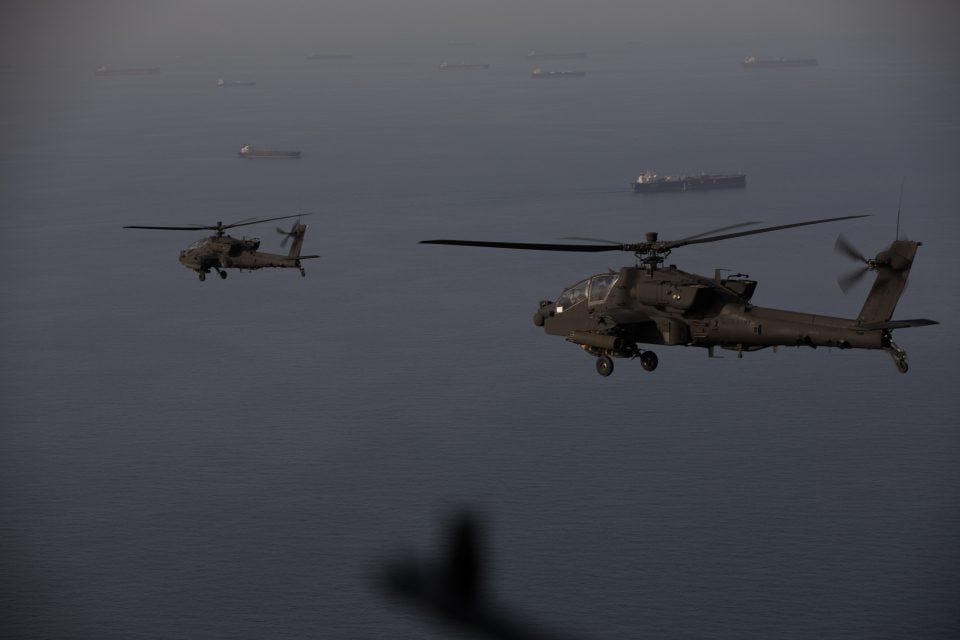
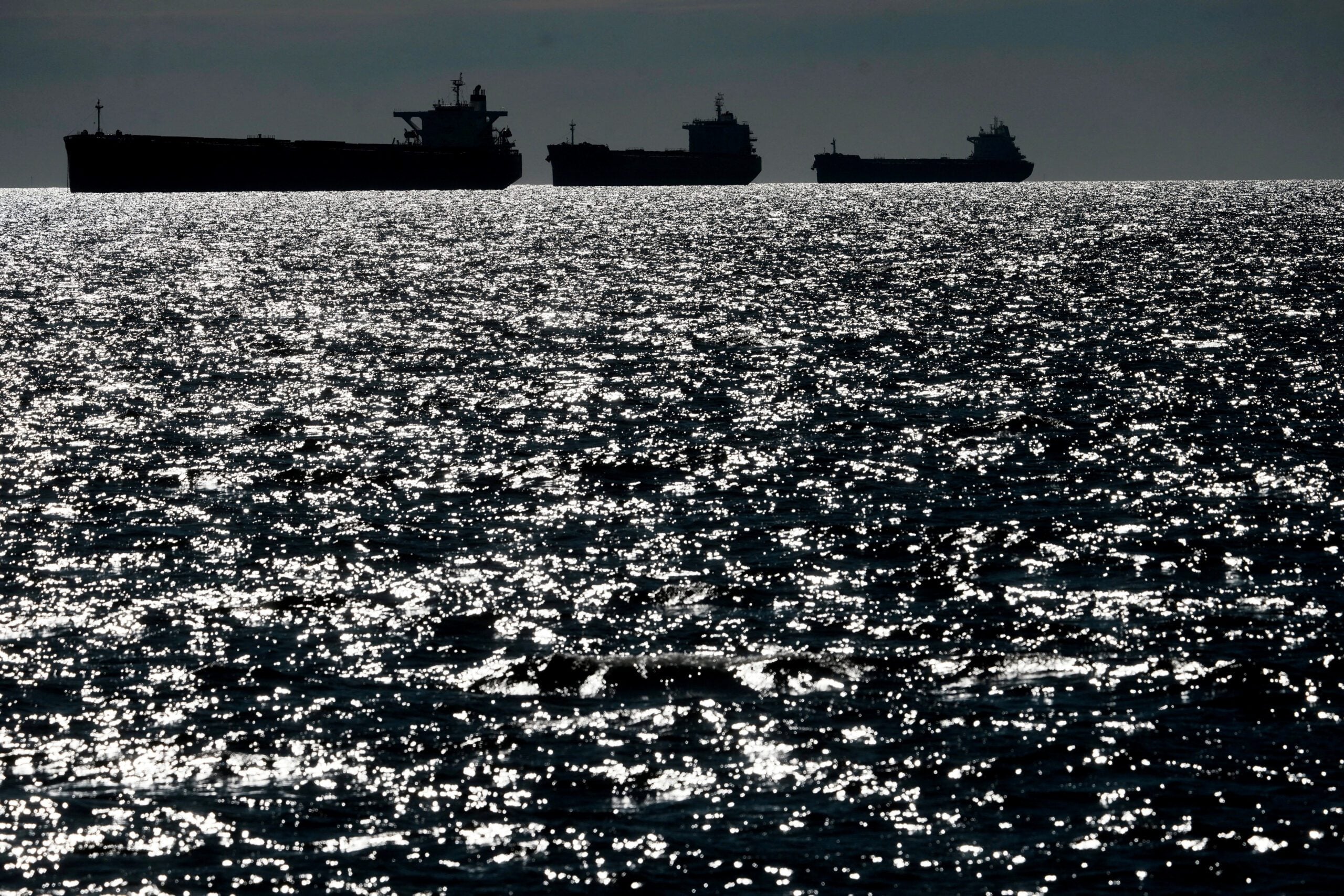
“If 550 ships are aiming to leave and a likely 60 ships per day would look to transit the Strait of Hormuz, then the existing routes are inadequate to handle this,” INTERTANKO said.
Those figures are among the clearest industry estimates yet of the shipping backlog that has accumulated during the three-and-a-half-month conflict.
Political Agreement, Operational Questions
The memorandum signed electronically Wednesday evening by U.S. and Iranian officials lays out an ambitious framework.
The agreement provides for an immediate cessation of military operations, the lifting of the U.S. naval blockade of Iranian ports, sanctions relief tied to compliance, and the reopening of the Strait of Hormuz.
Perhaps most notably, Article 5 states that Iran will make arrangements to ensure the safe passage of commercial vessels and will conduct dialogue with Oman and Gulf states concerning the future administration and maritime services of the Strait.
That language has attracted close attention across the maritime industry.
INTERTANKO Marine Director Phillip Belcher noted that the agreement provides for maritime services to remain free of charge for 60 days, but questioned what happens afterward.
“The final outcome of these discussions must be a reinforcement of the central tenet that the Strait of Hormuz must remain free of charges and open to all in accordance with UNCLOS,” Belcher said.
The World Shipping Council echoed that position. “This conflict has again shown why the fundamental principle of freedom of navigation must be respected and protected,” Kramek said. “Ships must be able to pass through the Strait of Hormuz safely, securely and without toll.”
The emphasis on toll-free transit reflects growing industry concern that future administrative arrangements should not interfere with the longstanding principle of transit passage through international straits.
Industry Calls for International Coordination
The shipping industry is increasingly focused on who will coordinate the reopening.
BIMCO said the memorandum raises numerous unanswered questions, including safe routes, traffic separation measures, reporting procedures, naval protection arrangements and emergency response mechanisms.
“BIMCO expects an international coordination body to be established shortly to facilitate transits,” Larsen said.
The organization warned that allowing hundreds of ships to depart simultaneously through narrow inshore traffic lanes could create serious navigational risks.
“To avoid serious risks associated with an uncoordinated mass transit through the narrow inshore traffic zones, we encourage shipowners to consider waiting for further clarification and direction from the international coordination body,” Larsen said.
INTERTANKO similarly called for a single point of contact to oversee vessel movements and coordinate transits through the Strait.
The group has also proposed widening the temporary southern route and creating greater lateral separation between inbound and outbound traffic to reduce collision risks.
Regional Support Emerges
The agreement has received support from regional governments.
Qatar welcomed the signing of the memorandum, saying it represented a renewed commitment to resolving differences through dialogue and peaceful means while helping restore freedom of navigation in the Strait.
Doha also praised Pakistan’s diplomatic efforts in helping bring the two sides together and described the agreement as “a solid foundation” for future negotiations.
The statement is notable because Qatar, one of the world’s largest LNG exporters, relies almost entirely on the Strait of Hormuz for access to international markets.
A Long Road Back to Normal
Despite the optimism surrounding the agreement, shipping executives caution that returning to pre-war conditions will take time.
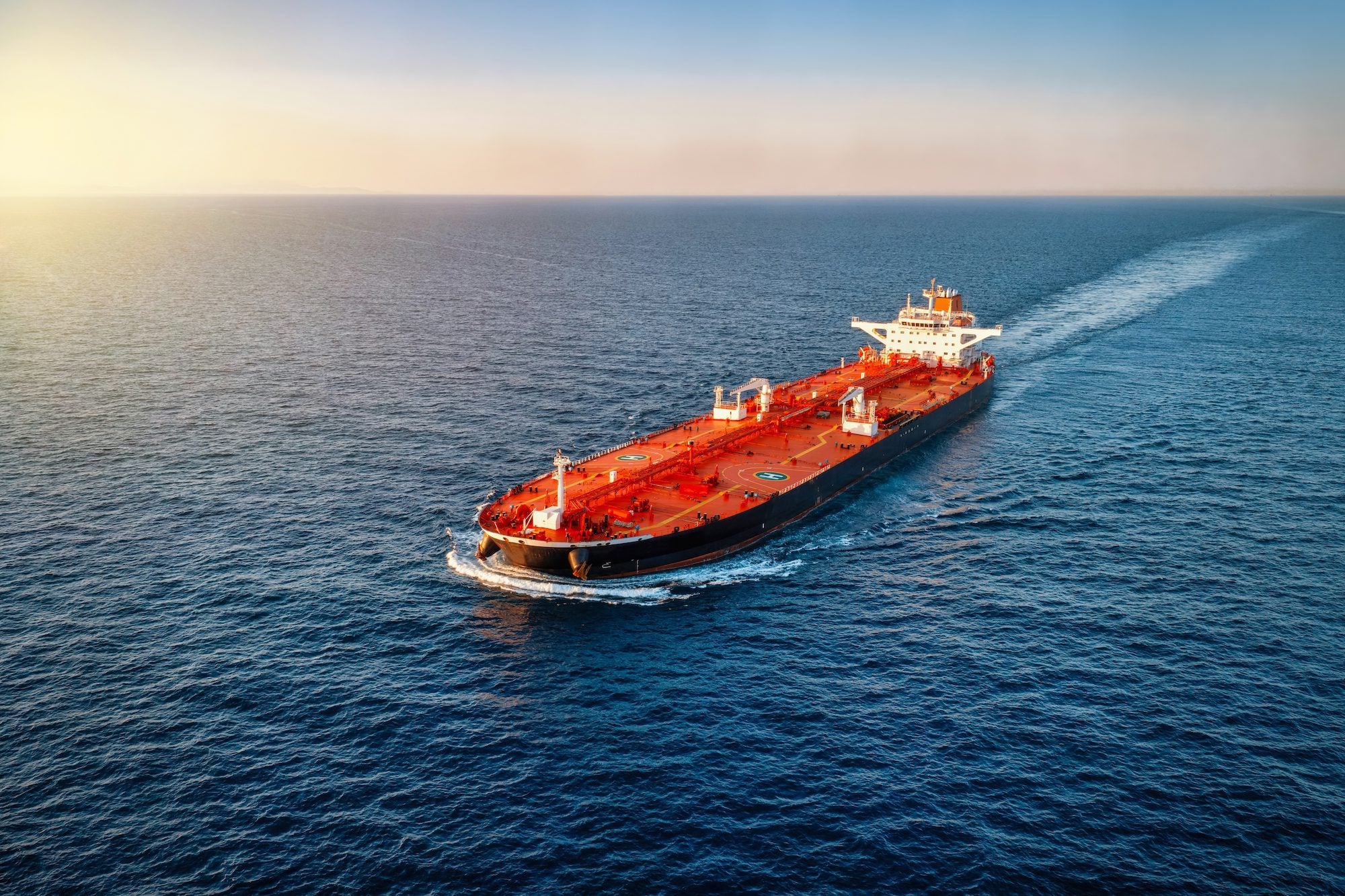
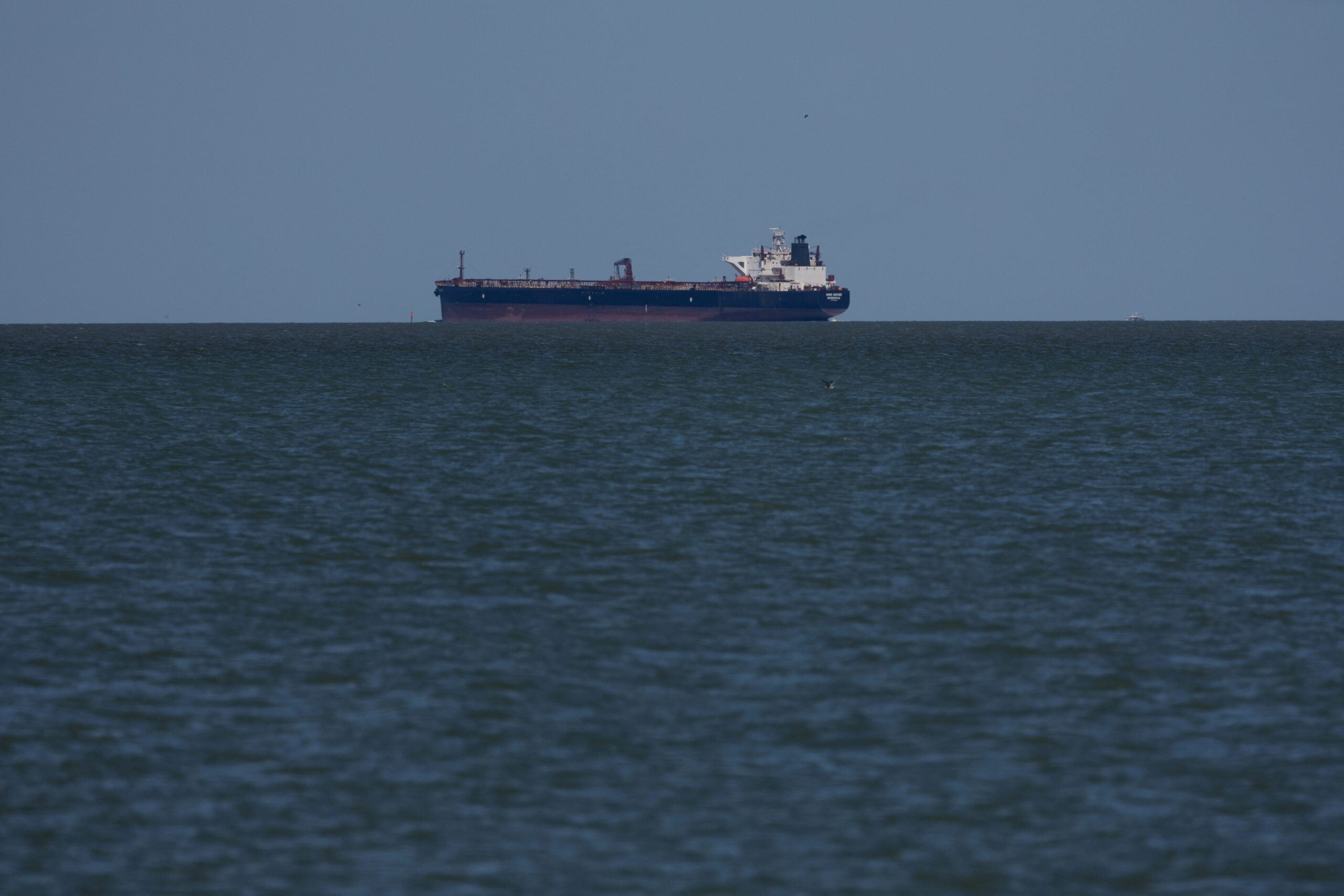
BIMCO Chief Shipping Analyst Niels Rasmussen said more than 100 laden tankers and nearly 100 ballast tankers remain inside the Persian Gulf awaiting an opportunity to resume normal trade.
“Once safe and secure passage through the strait has been confirmed, ships already in the Persian Gulf can begin re-establishing trade,” Rasmussen said.
“Within a couple of months, shipping services could return to pre-war levels. However, a recovery in cargo volumes may take longer due to damages sustained during the war.”
For now, shipowners remain cautious. Without mine-clearance operations, clear traffic management procedures and credible security guarantees, many operators appear unwilling to rush back into the Strait despite the political breakthrough.

 Join The Club