By Prejula Prem
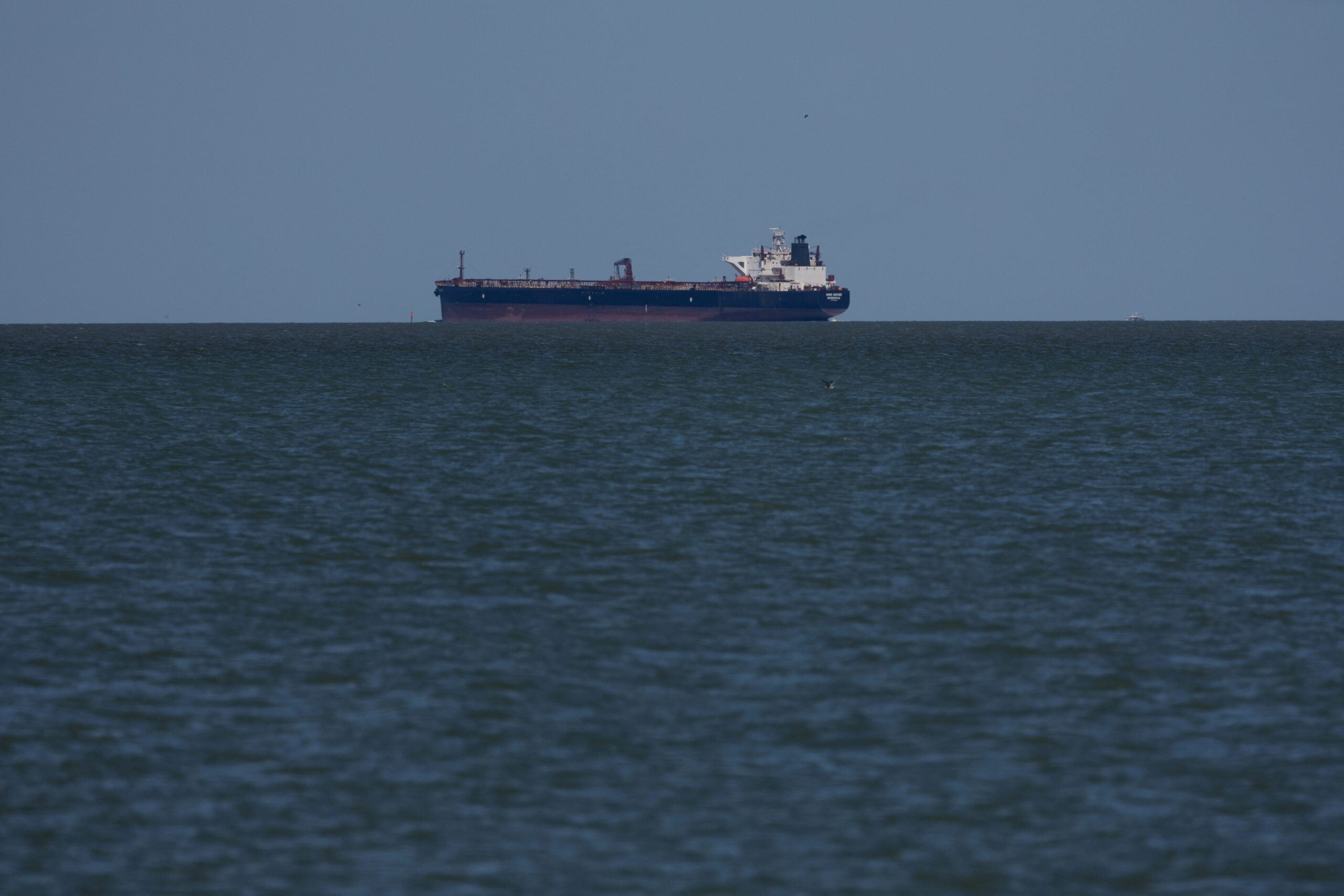
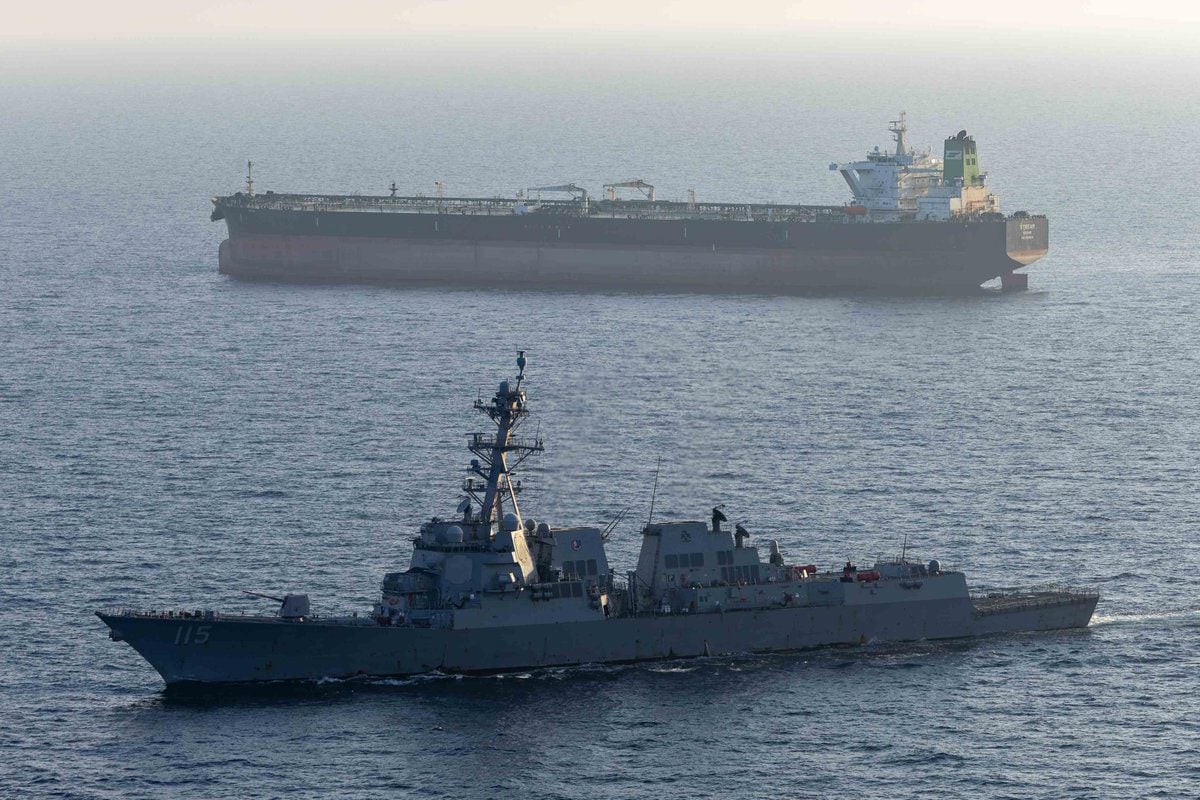
Oct 1, 2026 (Bloomberg) –Persian Gulf oil producers are shifting critical cargo transfer operations even farther out of the war-hit region as waters just outside the Strait of Hormuz become congested with tankers.
It’s another illustration of the maritime convulsions caused by the war, with delayed or diverted shipments helping to drive the cost of hiring a supertanker to above $1 million a day, adding to price pressures on crude and refined fuels.
The Gulf of Kutch, off the coast of Gujarat in western India, is emerging as an alternative waypoint for transferring Persian Gulf cargoes onto vessels that will deliver them to buyers around the world, according to tanker-tracking data compiled by Bloomberg and consultant Vortexa.
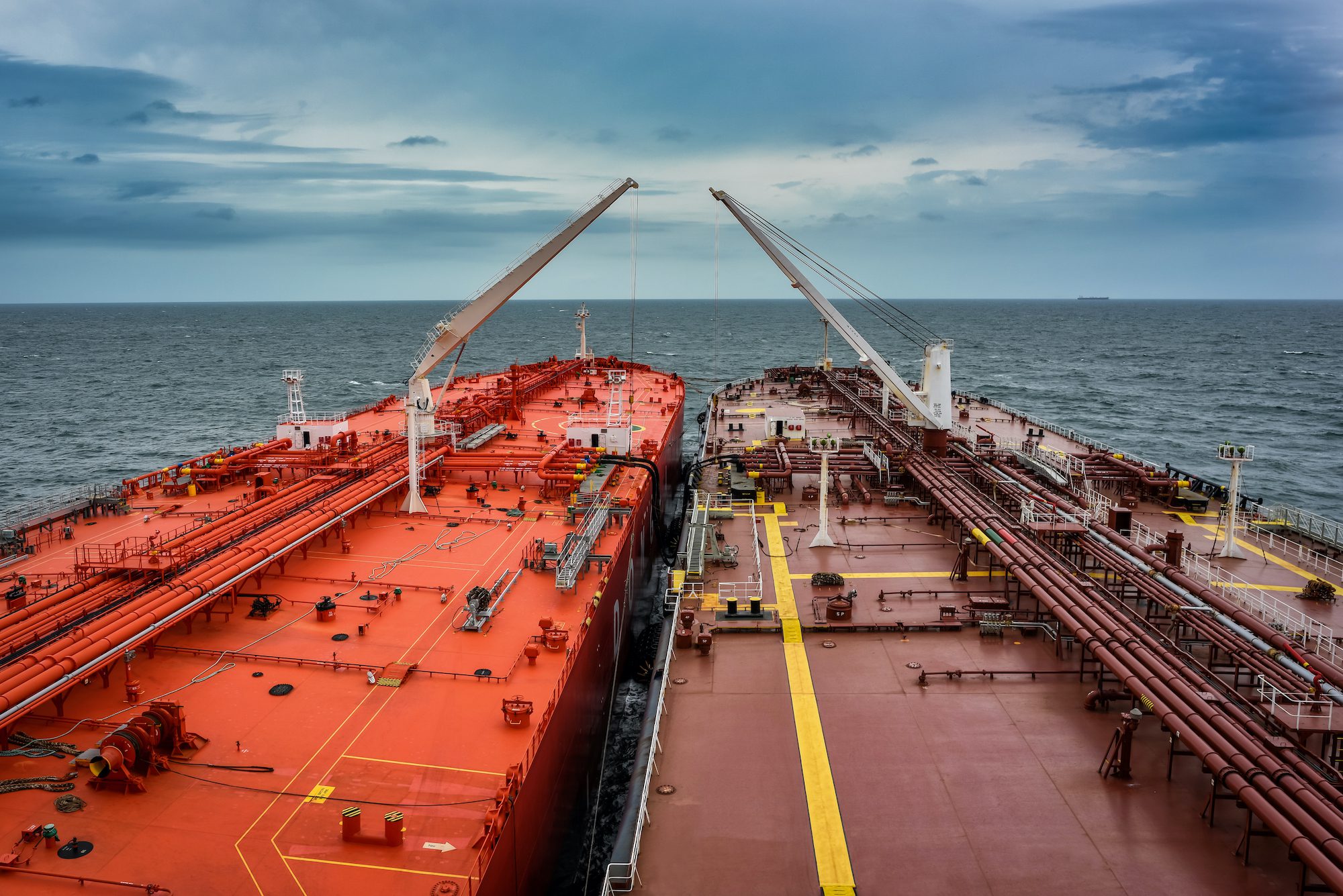
Two supertankers recently conducted ship-to-ship transfers — also known as STS — onto other very large crude carriers in the Gulf of Kutch, the data show. The receiving vessels are now headed to East Asia, signaling Singapore and South Korea.
These are the first eastbound Gulf crude cargo transfers observed in the area since the Iran war began. At least two more VLCCs are currently performing STS transfers in the region, the data show.
Ever since the Iran war constricted flows through the strait seven months ago, key Middle East exporters have partially sustained their exports by covertly shuttling cargoes through the choke-point, then decanting them onto other vessels in safer areas near Oman or the United Arab Emirates.
These evasive routes have grown increasingly crowded, straining the locally-available infrastructure for STS transfers. The problem has been exacerbated in recent weeks as Yemen’s Houthi rebels menace Saudi Arabia’s back-up export route through the Red Sea, forcing the kingdom to ship greater volumes through Hormuz.
The region’s capacity for such procedures may have reached its limit, Vortexa estimates. The time it takes to complete an STS transfer from a fully-laden VLCC has grown to five or six days, according to the consultant.
This bottleneck has become the main source of shipping delays in the area, Emma Li, Vortexa’s lead China oil market analyst, said in a report last week.
Transfers off India’s west coast could also provide an additional security advantage, reducing the risk of vessels being caught in attacks that have sporadically targeted ships sailing through Hormuz. However, Iranian officials warned last week that the war could expand toward the Indian Ocean.
© 2026 Bloomberg L.P.

 Join The Club