A new federal watchdog report says gaps in training, coordination and emergency planning continue to complicate the response to ship fires at U.S. ports, three years after two firefighters were killed battling a blaze aboard a cargo ship in Port Newark.
The Government Accountability Office report found 886 nearshore marine fires were reported to the U.S. Coast Guard between 2015 and 2025. Of those, 206 — nearly one-quarter — resulted in a death, injury, more than $200,000 in damage or the total loss of a vessel. Government Accountability Office
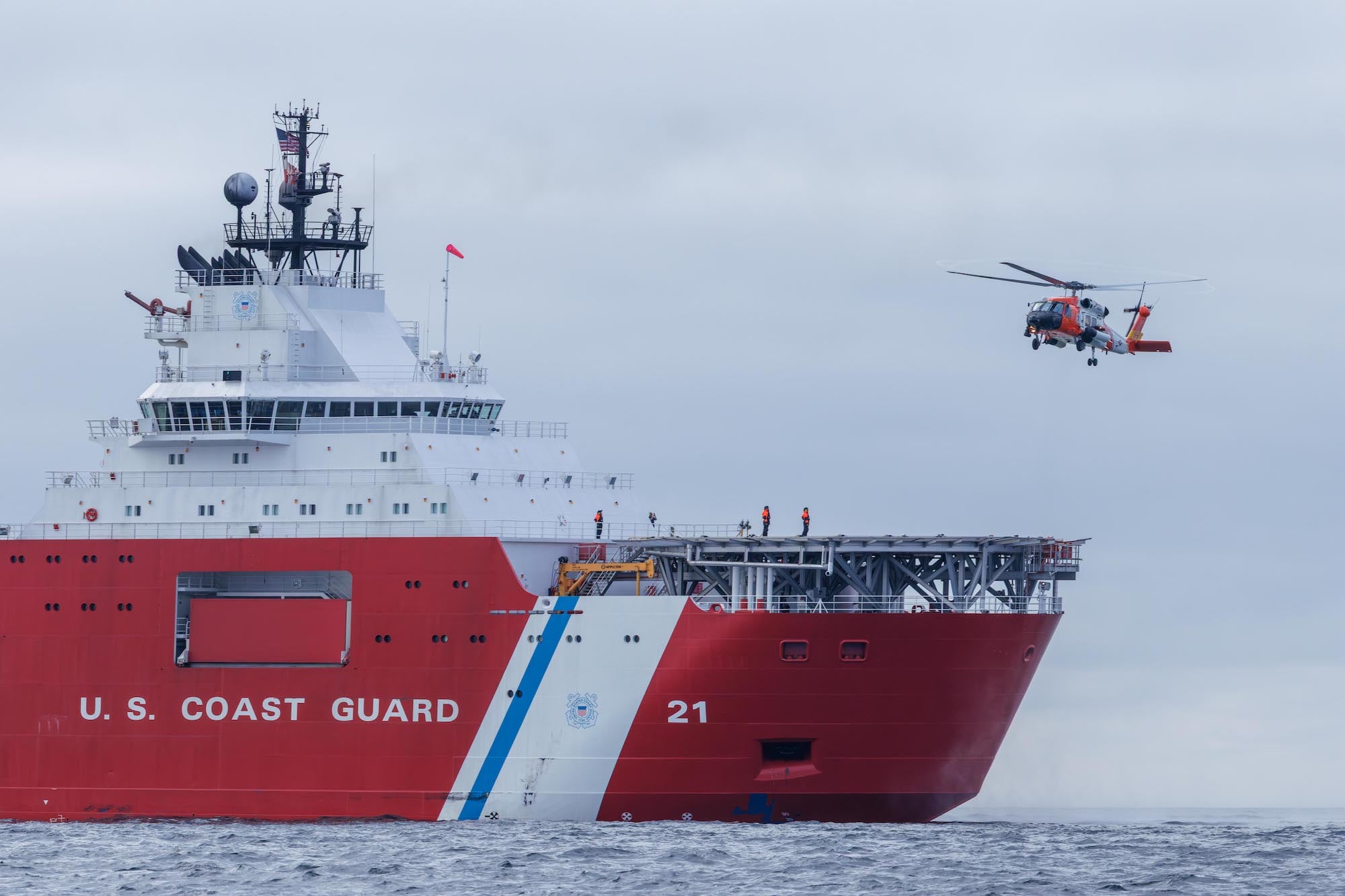
Unlike most emergencies ashore, responsibility for a ship fire can be divided among several parties. The Coast Guard generally coordinates the federal response, while local fire departments conduct the actual firefighting, often with support from vessel operators, port authorities and commercial salvage and marine firefighting companies.
GAO said that structure can leave local firefighters confronting unfamiliar vessels, confined spaces and hazardous cargo without sufficient shipboard experience.
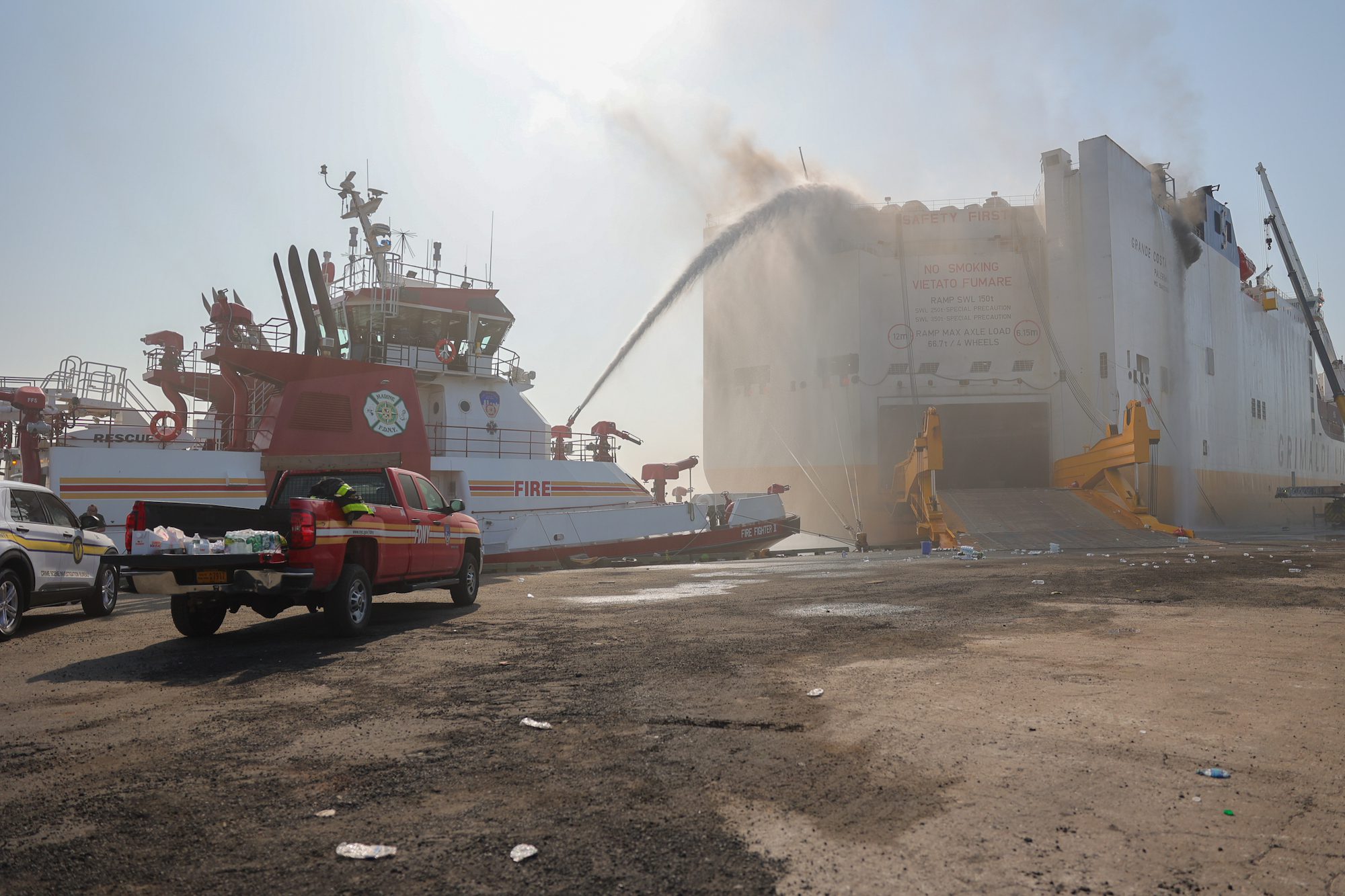
The issue came into sharp focus during the July 2023 fire aboard the Italian-flagged Grande Costa D’Avorio at Port Newark. Firefighters became disoriented in smoke and the unfamiliar layout of the roll-on/roll-off vessel. Newark firefighters Augusto Acabou and Wayne Brooks Jr. were killed and several others were injured. The fire burned for five days and caused an estimated $23 million in damage, according to the Coast Guard. gCaptain covered the firefighting response at the time.
The Coast Guard’s subsequent investigation into the Grande Costa D’Avorio fire highlighted shortcomings in shipboard firefighting preparation. GAO noted that the last training exercise offered to the firefighters who responded had taken place nine years before the accident, and just one of the responding firefighters had attended.
GAO said Coast Guard officials in six sectors told investigators that firefighters need more hands-on training, including vessel tours and realistic shipboard exercises. Fire chiefs, however, said arranging access to ships can be difficult because vessels have limited time in port and firefighters cannot board for training without an owner’s approval.
The Coast Guard established a National Salvage and Marine Firefighting Task Force in January 2024 and has since developed online training and other tools. But as of September, GAO said the task force had not developed guidance for a hands-on exercise program.
Another concern involves how quickly vessel response plans, or VRPs, are activated.
In the Grande Costa D’Avorio casualty, the vessel’s response plan was not activated until about eight hours after the fire began and after land-based firefighters had already boarded the ship. The Coast Guard investigation concluded earlier activation may have limited the growth of the fire and reduced damage.
GAO said Coast Guard officials and marine firefighting providers described a broader “wait and see” problem in which vessel operators may hesitate to activate response plans because of the expense associated with mobilizing commercial firefighting and salvage resources.
Alternative Fuels Add Another Challenge
The report also raises concerns about the growing number of ships using batteries and other alternative fuels.
Current law limits the Coast Guard’s ability to require some nontank vessels using alternative fuels — including battery-powered ferries — to maintain vessel response plans covering hazardous-substance emergencies. GAO said those legal provisions were written before alternative-fuel vessels became widespread.
The worldwide battery-powered vessel fleet grew from 142 ships in 2017 to 1,006 in 2024, according to data cited by GAO, with another 1,584 vessels on order through 2027.
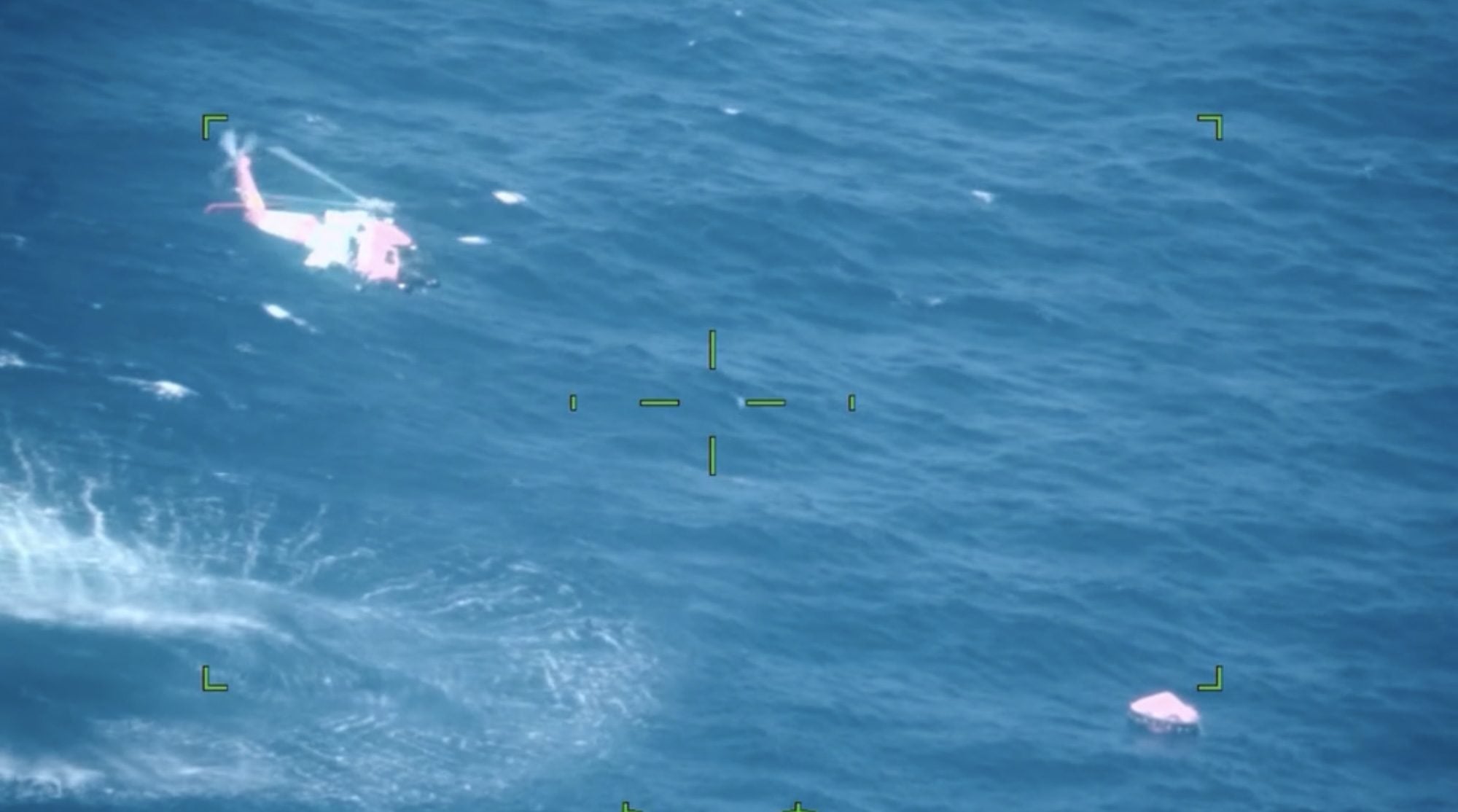
Lithium-ion batteries present particular difficulties because thermal runaway can produce intense heat, toxic gases and fires that are difficult to extinguish. The risk has received increased attention following several major vessel casualties, including the 2025 fire and sinking of the car carrier Morning Midas in the North Pacific.
GAO recommended that Congress consider changing federal law to require nontank vessels using alternative fuels to prepare response plans for worst-case hazardous-substance discharges.
The watchdog also issued five recommendations to the Coast Guard, including assigning marine firefighting coordination duties to specific field personnel, working with local fire departments to arrange vessel tours and exercises, creating a system for sharing lessons and best practices, and providing clearer guidance on when vessel response plans should be activated.
GAO also recommended the Coast Guard issue regulations requiring tank vessels to prepare response plans covering worst-case hazardous-substance discharges, not just oil spills.
The Department of Homeland Security agreed with all five recommendations.
The full GAO report and one-page report highlights were released Sept. 29.

 Join The Club