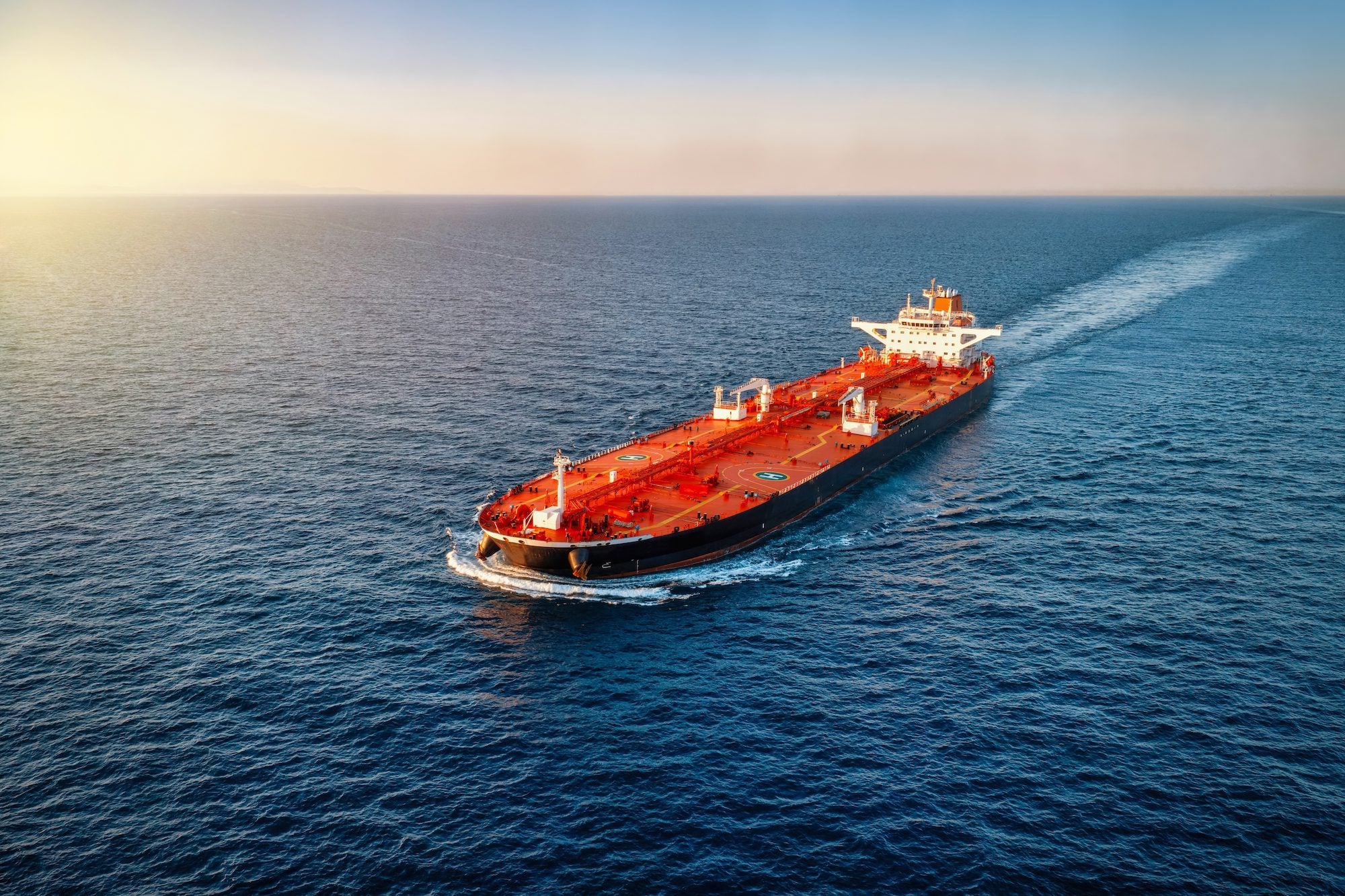
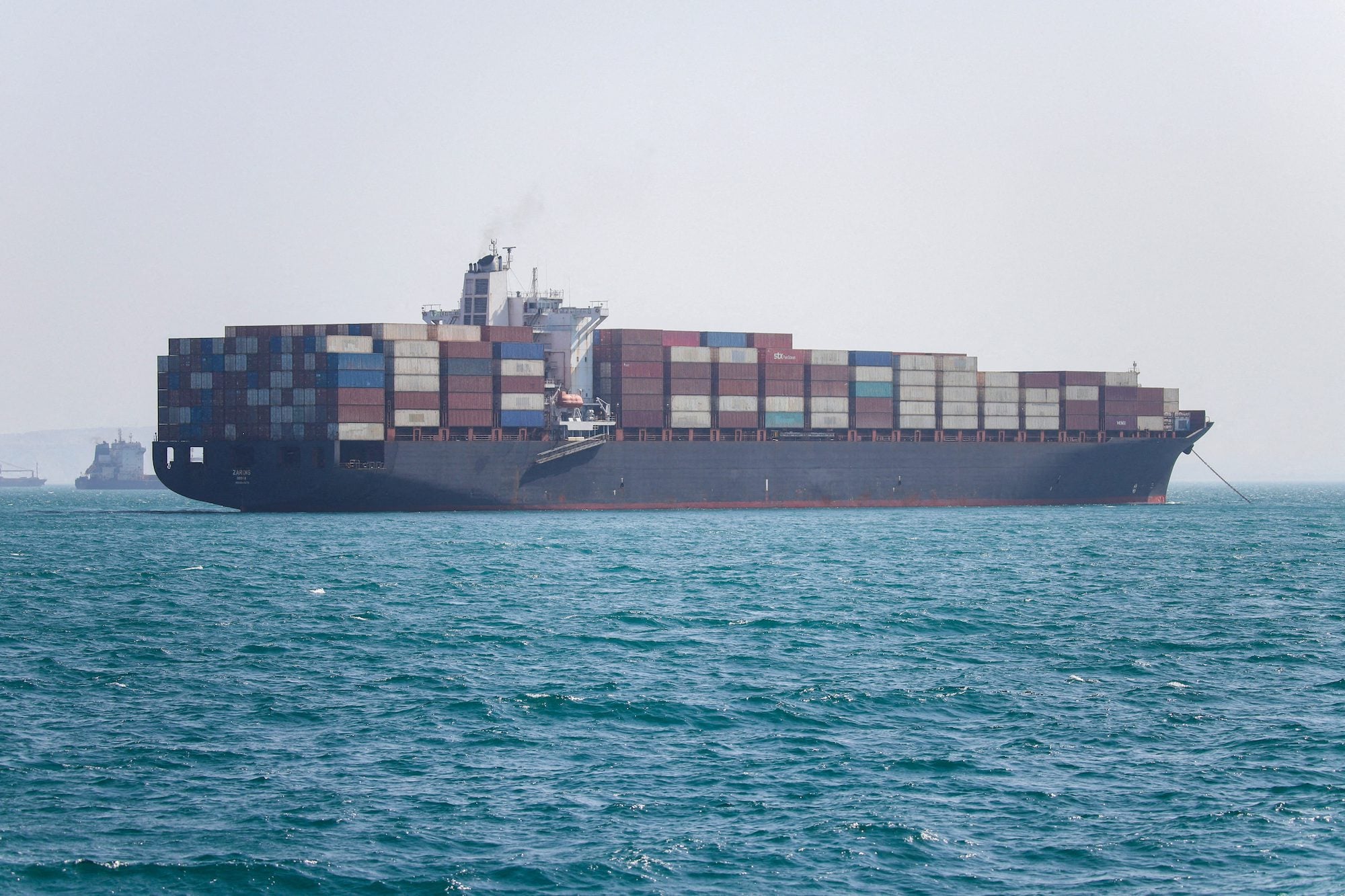
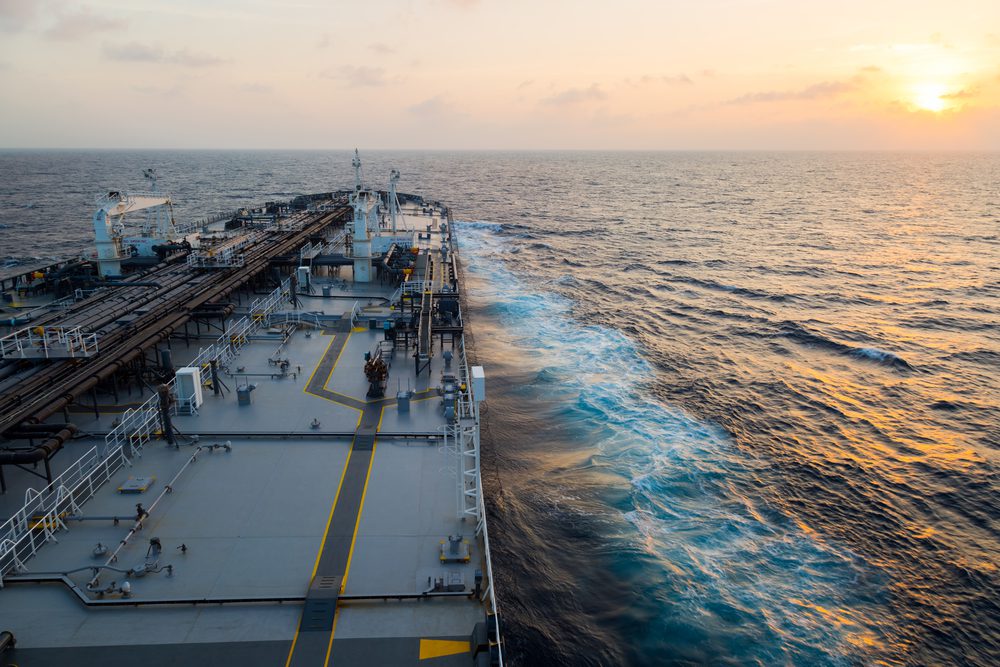
The 297,958 MT VLCC, Alexander the Great, built by Universal Shipbuilding in 2010. Image: Capital Ship Management
There are a few headlines going around today in some major publications and by the Associated Press claiming that China has announced plans to build 50 supertankers.
That’s five zero. Or in terms of capacity, 100 million barrels of additional capacity to the world oil market.
Right now, on the commercial (aka non-Communist) market, these same tankers are losing over $1,000 per day due to the fact that there are too many of them floating around, and the price of bunker fuel is costing shipowners a fortune.
We are in a downturn however, and as we all know, the shipping industry is highly cyclical and these 50 supertankers won’t be built overnight, in fact it’ll take years to build that many ships (and engines, and everything else that goes into a ship).
For Chinese shipbuilders, that’s a good thing because life really sucks for them right now. Rongsheng Heavy Industries, for example, has lost nearly 90 percent of its market value over the past two and a half years. China Shipbuilding Industry’s stock, which is traded on the Shanghai exchange, has fallen over 28 percent in the past year and Hong Kong-traded, China Ocean Shipbuilding Industry Co. has fallen more than 44 percent.
It’s a precarious situation all around because according to reports from unidentified sources, factors that might spur such a huge order are market demand, company resources, and the costs involved.
Does anyone predict a market demand increase that might warrant such an order? Anyone at all?
If we were talking about LNG ships, that’s one thing, but crude oil? If there was such a need for crude oil, why wouldn’t China throw that money into offshore drilling rigs and production facilities and run pipelines or use FPSOs an shuttle tankers?
There are number of other companies who have plans to build large product tankers, but that’s primarily to keep up with developing market demand and new environmental regulations, while at the same time replacing older ships scheduled for demolition.
An order for 50 new VLCCs, by a communist country, does not appear to be one based on market economics. In fact, it’s hard to see how an order such as this could do anything other than destroy the commercial market.
Personally, I don’t believe it’s true.
Updated: October 1, 2012 (Originally published September 29, 2012)
Editorial Standards · Corrections · About gCaptain

 Join The Club




![50 Supertankers? China, I’m Sorry, but I Don’t Believe You [OP/ED]](https://gcaptain.com/wp-content/uploads/2012/09/Alexander-the-Great-VLCC.jpeg)