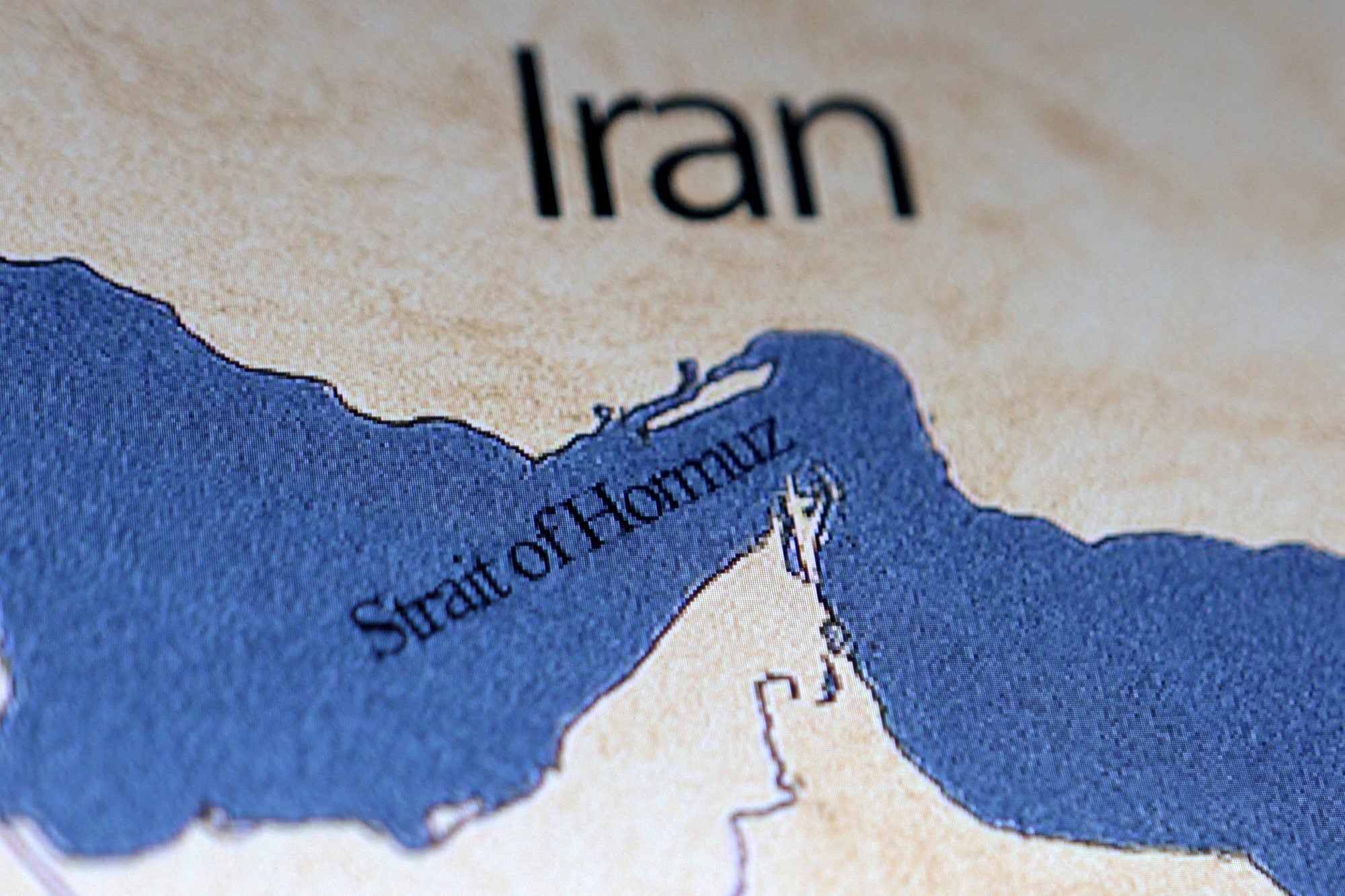
The effective shutdown of commercial traffic through the Strait of Hormuz has jolted global shipping markets after coordinated U.S. and Israeli strikes on Iran over the weekend triggered the most severe maritime security crisis in the region in years.
The conflict began Saturday when U.S. and Israeli forces launched coordinated attacks on Iranian targets. By Sunday, the Joint Maritime Information Center elevated the regional maritime threat level to CRITICAL, warning that an attack was considered almost certain. Within 24 hours, five commercial vessels were struck or targeted in what security analysts described as one of the most concentrated waves of attacks in the Gulf in recent years.
Despite repeated Iranian threats, there has been no formal declaration closing the Strait. However, the combination of missile and drone strikes, the potential deployment of sea mines, widespread GNSS/GPS interference, risk to seafarers, and, critically, the rapid withdrawal of war-risk insurance has effectively turned the chokepoint into a no-go zone for much of the commercial fleet. Ship transits through Hormuz have collapsed by more than 80% as owners and charterers reassess exposure.
Thousands of vessels are now trapped inside the Persian Gulf, with a similar number idling outside awaiting clarity. Several protection and indemnity clubs are reviewing or issuing 72-hour war-risk cancellation notices for Gulf waters as reinsurers pull back capacity. As JMIC noted, “Insurance availability may now act as a primary gating factor for transit decisions independent of formal navigational closure.”
Against that backdrop, new cross-sector analysis from Drewry Maritime Research suggests the commercial fallout will vary sharply across shipping segments — from a potential historic spike in crude tanker earnings to near-term LNG vessel idling and broad trade realignment in refined products and dry bulk.
Chokepoints Under Pressure: When Geography and Conflict Strain the Arteries of Global Trade
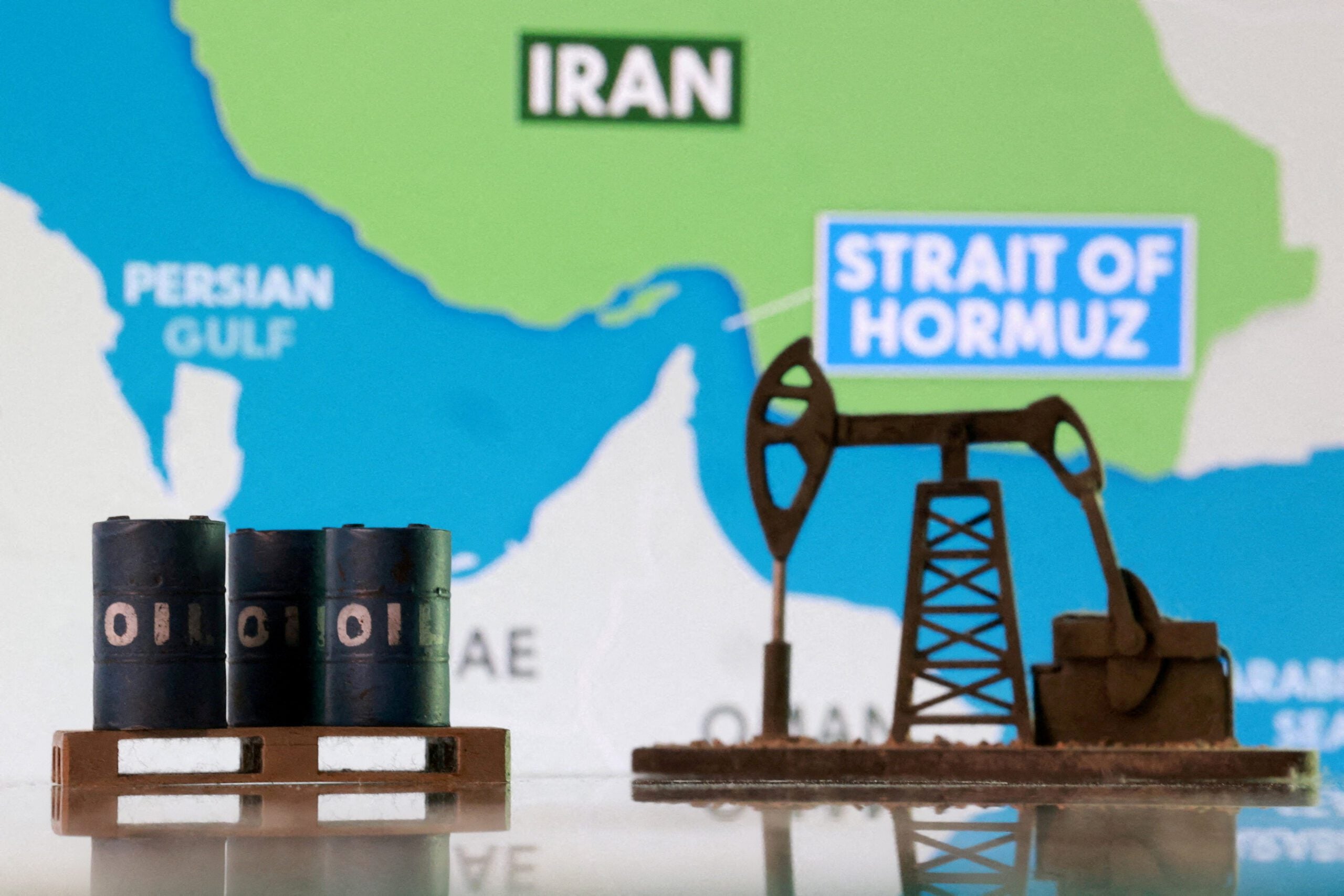
At the center of the shock is crude oil. The Strait of Hormuz handles roughly 15 million barrels per day, nearly one-third of global seaborne crude trade. While Saudi Arabia, the UAE and Iraq maintain limited pipeline bypass routes, Drewry estimates their combined spare capacity at only about 4 million barrels per day — leaving more than 11 million barrels effectively exposed if flows remain constrained.
“The duration of any disruption is critical,” Drewry said. Replacement volumes outside the Middle East would be insufficient to offset a large-scale shutdown, forcing buyers to scramble for alternative barrels from West Africa, Latin America and the United States.
Oil markets have already reacted. Brent crude rose from $73.15 per barrel on February 27 to over $80 on Tuesday as retaliatory strikes escalated. Higher crude prices feed directly into bunker costs, raising voyage expenses across the global fleet.
For crude tankers, however, the immediate effect could be explosive. A tightening of Middle Eastern exports would expand long-haul trade routes — particularly from the U.S. Gulf and West Africa to Asia — sharply increasing tonne-mile demand. “Very Large Crude Carrier (VLCC) rates… could spike to new highs,” Drewry said, citing tight fleet availability, longer voyages and elevated risk premiums.
Yet that surge carries embedded risk. OECD commercial oil inventories currently cover roughly 62 days of forward demand. While governments may release strategic reserves in the short term, Drewry cautioned that a prolonged disruption would eventually suppress demand. “While crude tanker markets may initially experience a sharp rate spike, prolonged disruption would eventually shift the dynamic from tonne-mile expansion to demand destruction,” the firm warned.
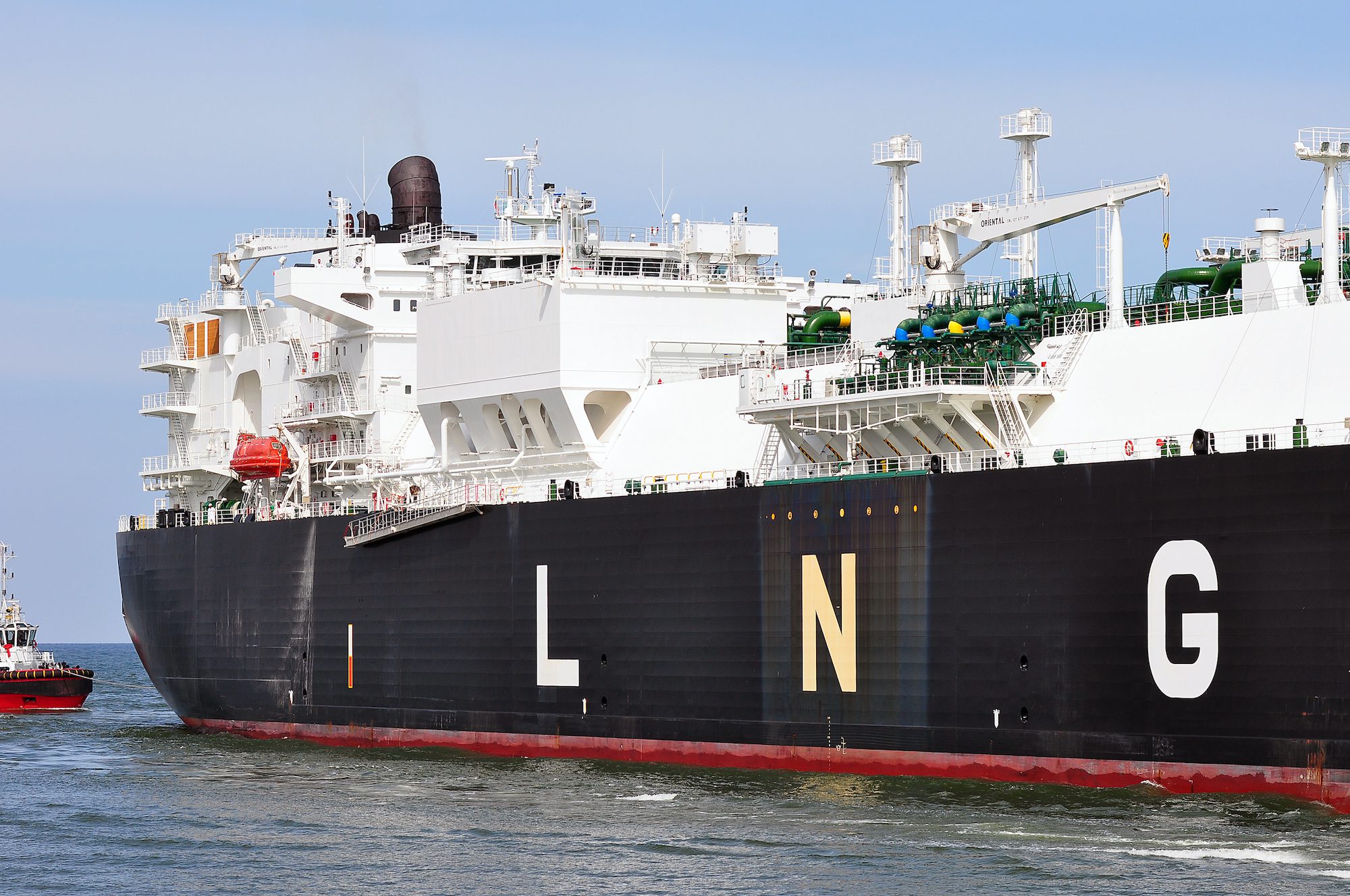
Liquefied natural gas markets face a different trajectory. Hormuz accounts for roughly 20% of global LNG supply, and Drewry estimates that about 2 million tonnes per week from Qatar and the UAE could be immediately choked off, potentially rising to 5–6 million tonnes per month if the blockage persists.
“In the near term (one week), we expect LNG prices to rally, but shipping rates will not follow suit, as vessel idling will rise,” Drewry said. With seasonal demand easing in Europe and muted in parts of Asia, LNG carriers may initially cluster in safe waters rather than reposition. If the disruption extends, however, Asian buyers will be forced to pivot toward U.S. and Australian supply, increasing tonne-mile demand. “If exports are disrupted or delayed for an extended period… Asia will be compelled to source alternative supplies,” the firm noted.
Refined products are also under pressure. The Strait handles roughly 2.9 million barrels per day of refined fuels — about 17% of global seaborne product trade — including naphtha, diesel and jet fuel. Iranian drone strikes on Saudi Arabia’s 550,000-barrel-per-day Ras Tanura refinery have compounded the strain, with significant damage likely to delay a rapid recovery in output.
Naphtha is among the most exposed products. Approximately 1.2 million barrels per day transit Hormuz, with 72% destined for Northeast Asia. “The Asian petchem market is likely to experience a shortage of naphtha amid reduced Middle East loadings,” Drewry said. That shortfall could redirect flows toward India and the United States, boosting tonne-mile demand for Long Range product tankers. “As a result, tonne-mile demand for LRs will increase during this churning, thereby boosting freight rates.”
Europe faces particular vulnerability in diesel and jet fuel. Roughly 1.4 million barrels per day move through the Strait, with 60% bound for European markets already grappling with structural diesel deficits. Losing Middle East supply would force a pivot toward India and the U.S., lengthening voyage distances and supporting LR earnings. But if crude feedstock tightens materially, refinery runs will eventually fall. “Once the new trade pattern normalises, the initial spike in freight rates will disappear as the product tanker market is already oversupplied,” Drewry cautioned.
Dry bulk markets are bracing for volatility rather than a clean directional move. Drewry estimates nearly 30 million tonnes per month of dry bulk trade linked to the Middle East — more than 7% of global demand — is exposed. Around 20 bulk carrier passages per day typically transit Hormuz, with more than 40% of affected cargoes carried on Supramaxes.
“Escalating Middle East tensions risk disrupting nearly 30 million tonnes of dry bulk trade per month,” Drewry said. Diversions around the Cape of Good Hope would lengthen voyages and absorb capacity, partially offsetting cargo slowdowns. Meanwhile, higher oil and LNG prices could drive coal substitution in Asia. “If Middle Eastern energy exports remain constrained for more than a month, coal demand could rise sharply,” the firm noted.
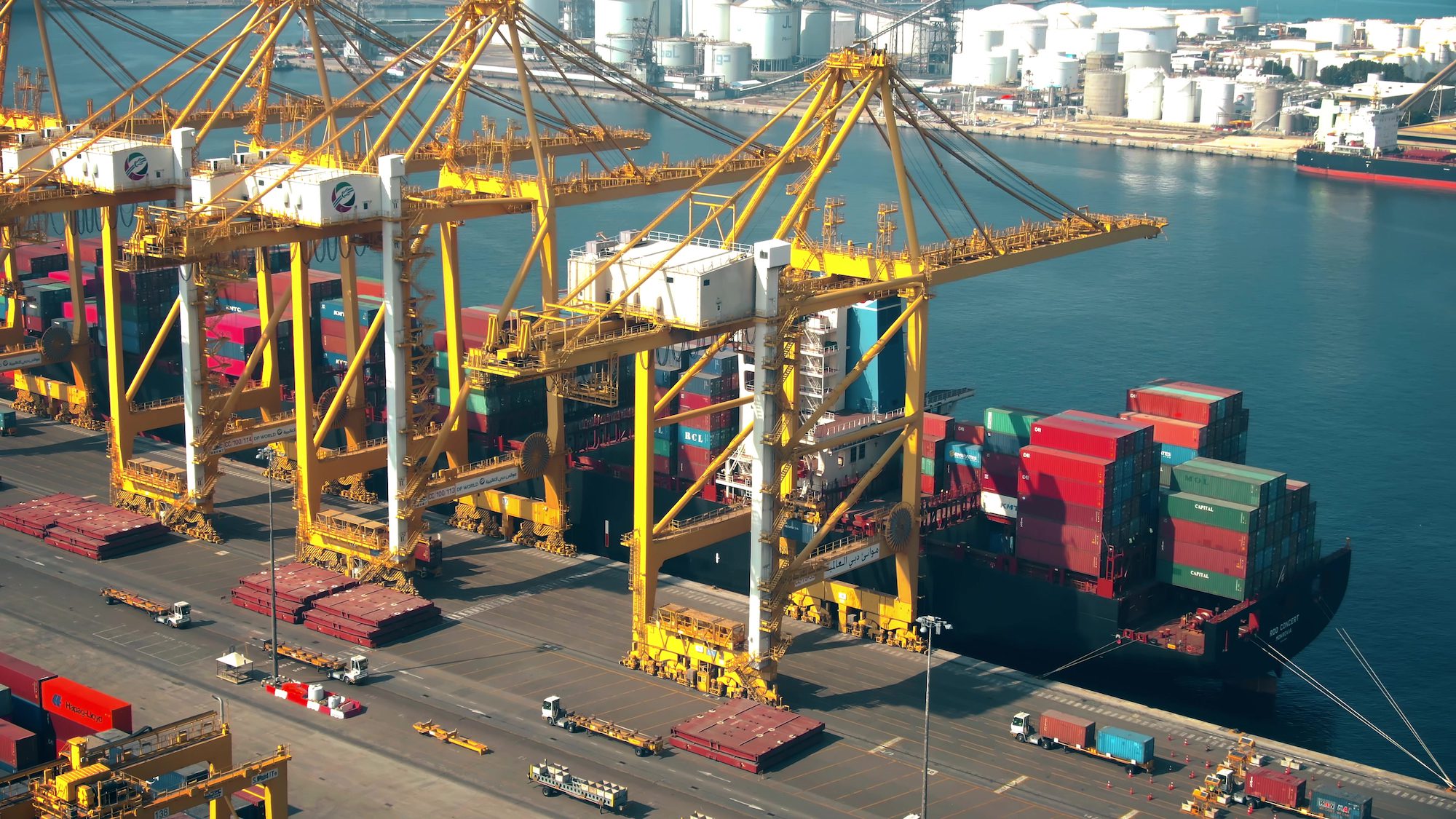
Container shipping has comparatively limited direct exposure. According to Drewry’s AIS data, just 158 containerships — roughly 691,000 TEU, or 2.1% of global capacity — were present in the region as of March 1. “Container shipping has less to lose from the Iran conflict compared to other shipping sectors,” Drewry said.
Still, disruption is meaningful. Plans to return to Suez Canal transits are likely to be delayed, extending Cape diversions and keeping effective capacity tight. War-risk premiums and bunker surcharges are rising, and Gulf cargoes are being rerouted through alternative regional hubs. “Ocean carriers tend to make more money when shipping supply is disrupted,” Drewry observed.
For now, shipping markets are caught between immediate freight tightness and longer-term macro risk. Transits have collapsed, insurance is fragmenting, and vessels are idling in holding patterns on both sides of the Gulf. Whether this crisis becomes a short-lived shock or a structural realignment of global energy and trade flows will depend on one factor above all: how long the Strait remains effectively closed — even without a formal declaration.
Editorial Standards · Corrections · About gCaptain

 Join The Club