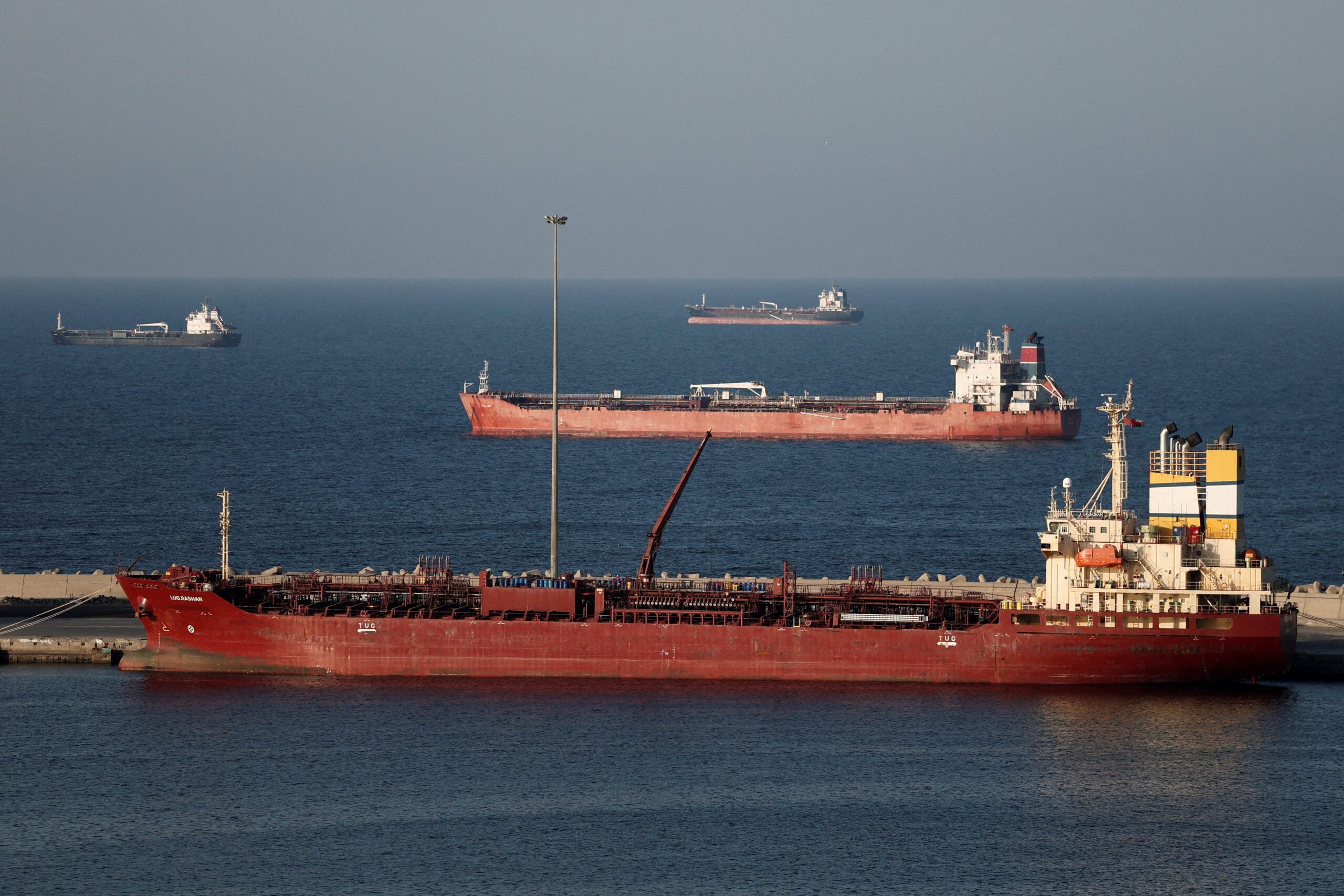
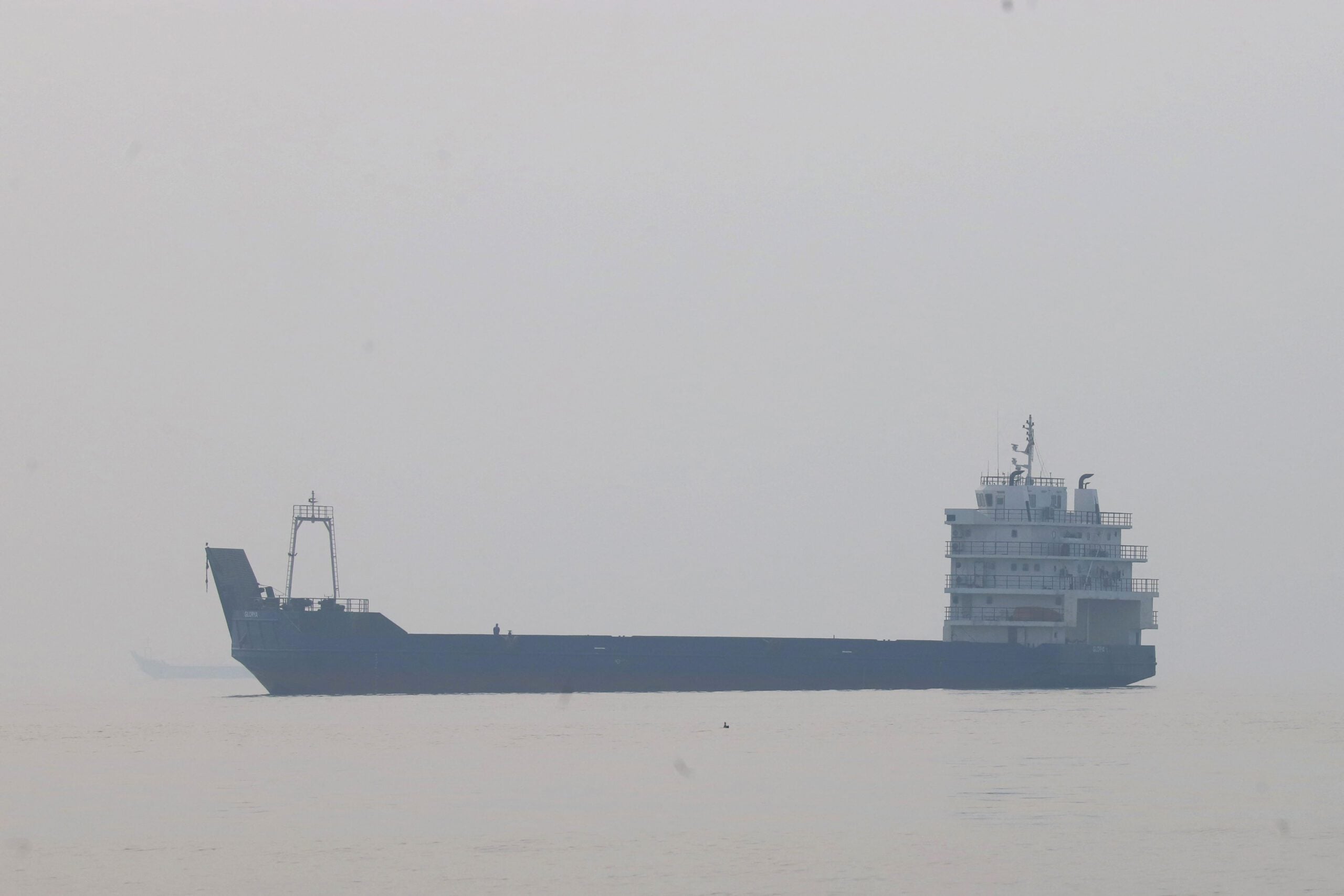
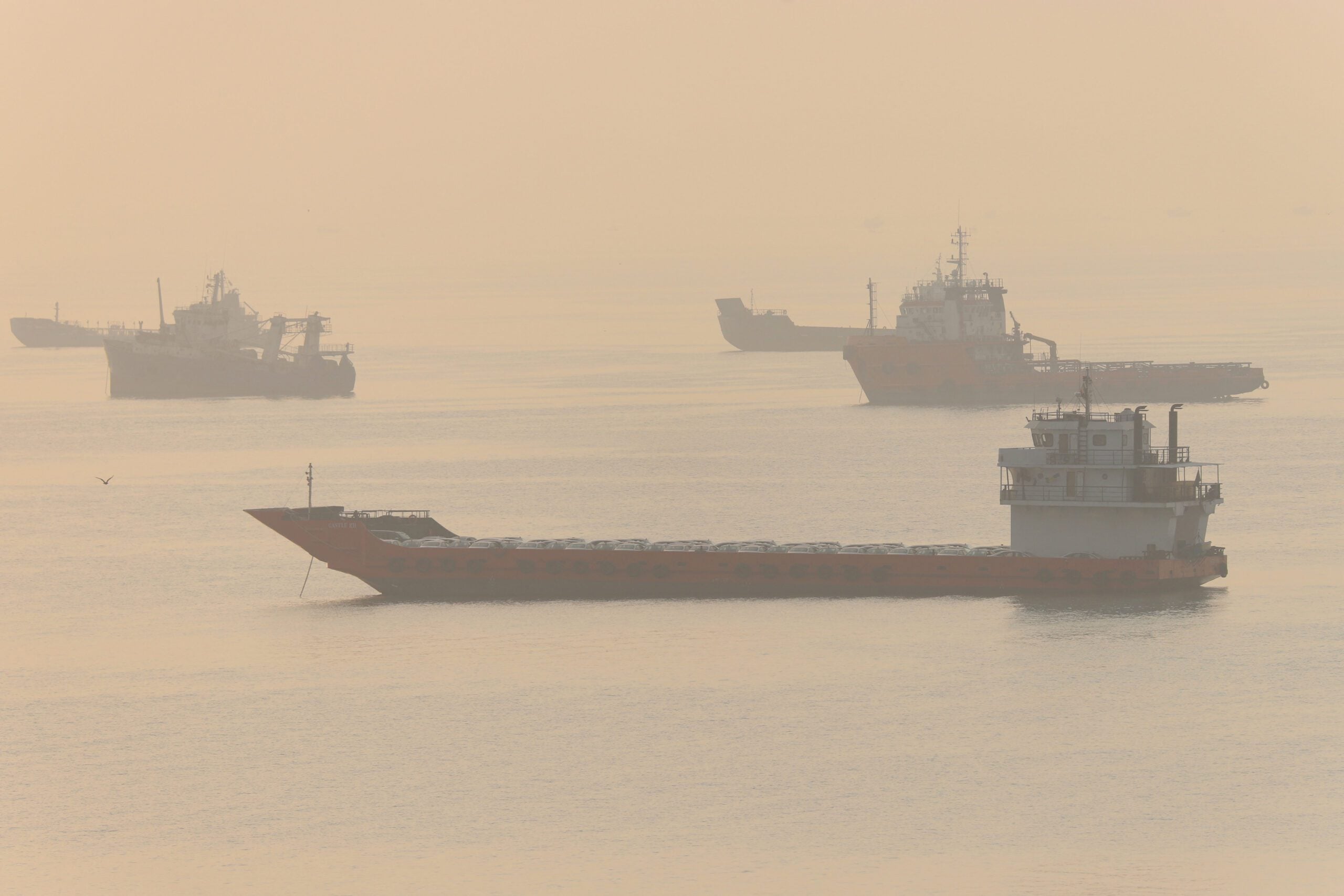
LONDON, April 21 (Reuters) – Shipping traffic through the Strait of Hormuz remained broadly halted on Tuesday with only three ships passing the waterway in the past 24 hours, shipping data showed.
A U.S. blockade of Iranian ports has infuriated Tehran, prompting it to maintain its own restrictions on the strait, which had been typically handling roughly one-fifth of the world’s oil and liquefied natural gas supply.
The Ean Spir products tanker, which had no known flag or known ownership, sailed through Hormuz on Tuesday after previously calling at an Iraqi port, ship tracking data on the MarineTraffic platform showed.
The Lian Star cargo ship, which had no known flag or known ownership, also sailed through the strait from an Iranian port, the data showed.
Separately, the Meda liquefied petroleum gas tanker, which had called at a United Arab Emirates port in the Gulf and also had no known flag or ownership, crossed the strait on Monday in its second attempt to leave the Gulf after turning back previously, according to satellite analysis from data analytics specialists SynMax.
Those are a fraction of the 140 ships that sailed through daily before the U.S. and Israel’s war on Iran began on February 28.
More than a dozen tankers passed through the strait after Iran briefly declared it open on Friday, before Tehran announced it was closed on Saturday, firing shots at vessels.
“Even vessels that seemingly check the publicly known boxes for successful transit through both blockades, can find themselves in danger and unable to pass,” shipbroker BRS said in a note this week.
A ceasefire between the U.S. and Iran appeared in jeopardy on Tuesday with Tehran not committing to join new peace talks and the U.S. military saying it had seized a tanker linked to Iran in international waters.
SEAFARERS’ LIVES AT RISK
Hundreds of ships and 20,000 seafarers remain stuck inside the Gulf unable to sail.
“We cannot put at risk the lives of the seafarers,” Arsenio Dominguez, secretary-general of the UN’s shipping agency, told reporters on the sidelines of Singapore’s maritime week on Tuesday.
“We saw what happened last weekend, that on Friday, when some ships started to sail. Then there was an announcement that the strait was closed, and then some ships were actually targeted. Thankfully, we didn’t have any casualties and there was no damage to the vessels.”
Iran’s army said an Iranian tanker had entered its territorial waters from the Arabian Sea on Monday with help from the Iranian Navy, despite what it described as repeated warnings and threats from the U.S. naval task force.
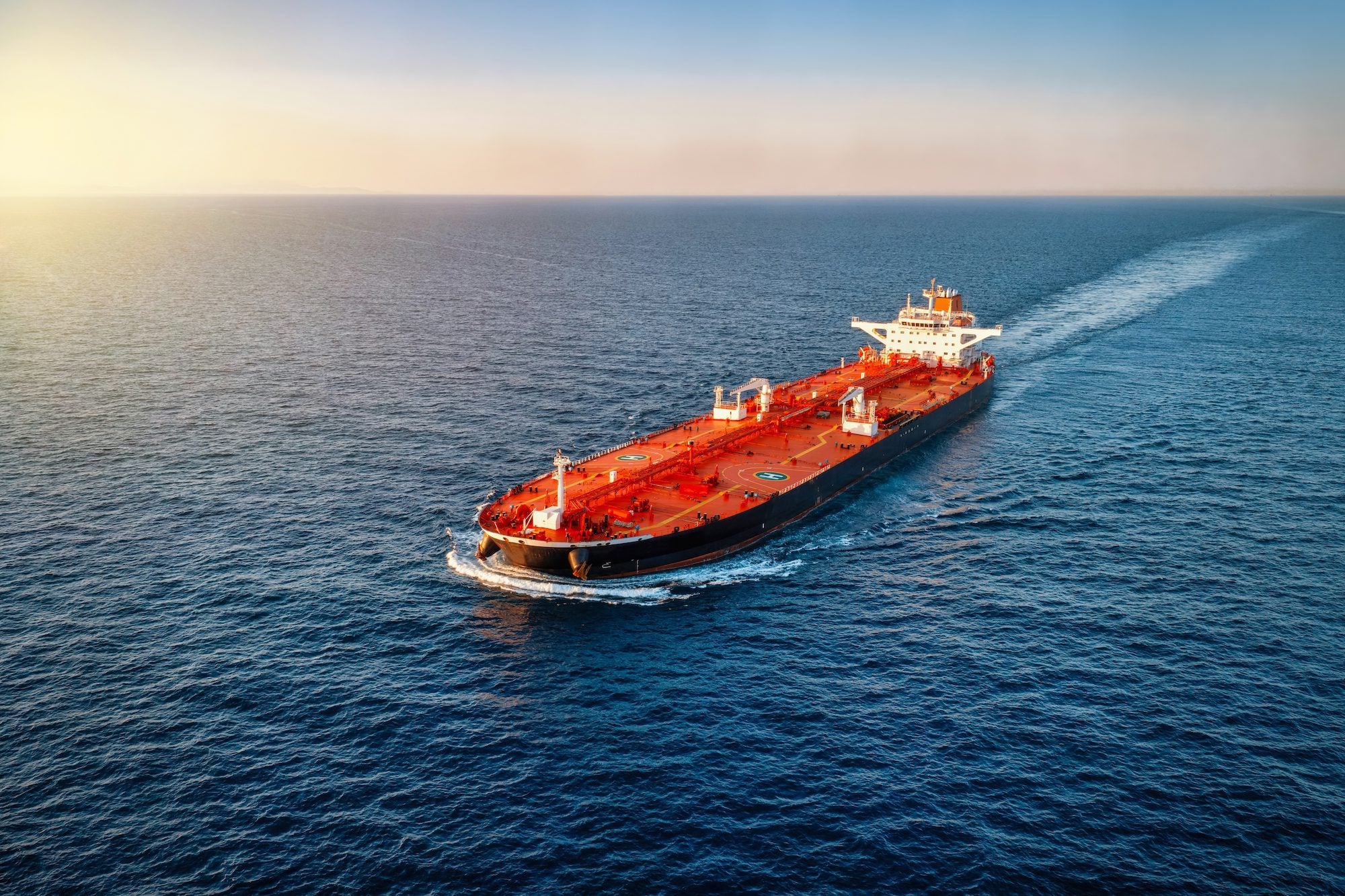
Shipbroker BRS estimated that 61 non-Iran-related supertankers were trapped inside the Gulf at present, 50 of which were laden with cargoes of up to 2 million barrels each.
“At a time when the world is desperate for crude oil, an additional 2 million barrels slipping out of the Middle East Gulf would be gratefully received,” BRS said.
(Reporting by Jonathan Saul and Jeslyn Lerh; Editing by Andrew Cawthorne)
(c) Copyright Thomson Reuters 2026.

 Join The Club