Major shipping organizations and maritime authorities are calling for the protection of seafarers and civilian vessels as escalating conflict in the Middle East continues to disrupt global trade routes and threaten merchant mariners caught in the crossfire.
In statements since the start of the conflict, industry bodies warned that merchant mariners are increasingly exposed to risk as security conditions deteriorate in and around the Strait of Hormuz.
“The safety of seafarers is paramount. Seafarers must not be targeted or placed at risk as a result of conflict, and the fundamental principle of freedom of navigation must be respected,” said World Shipping Council President & CEO Joe Kramek.
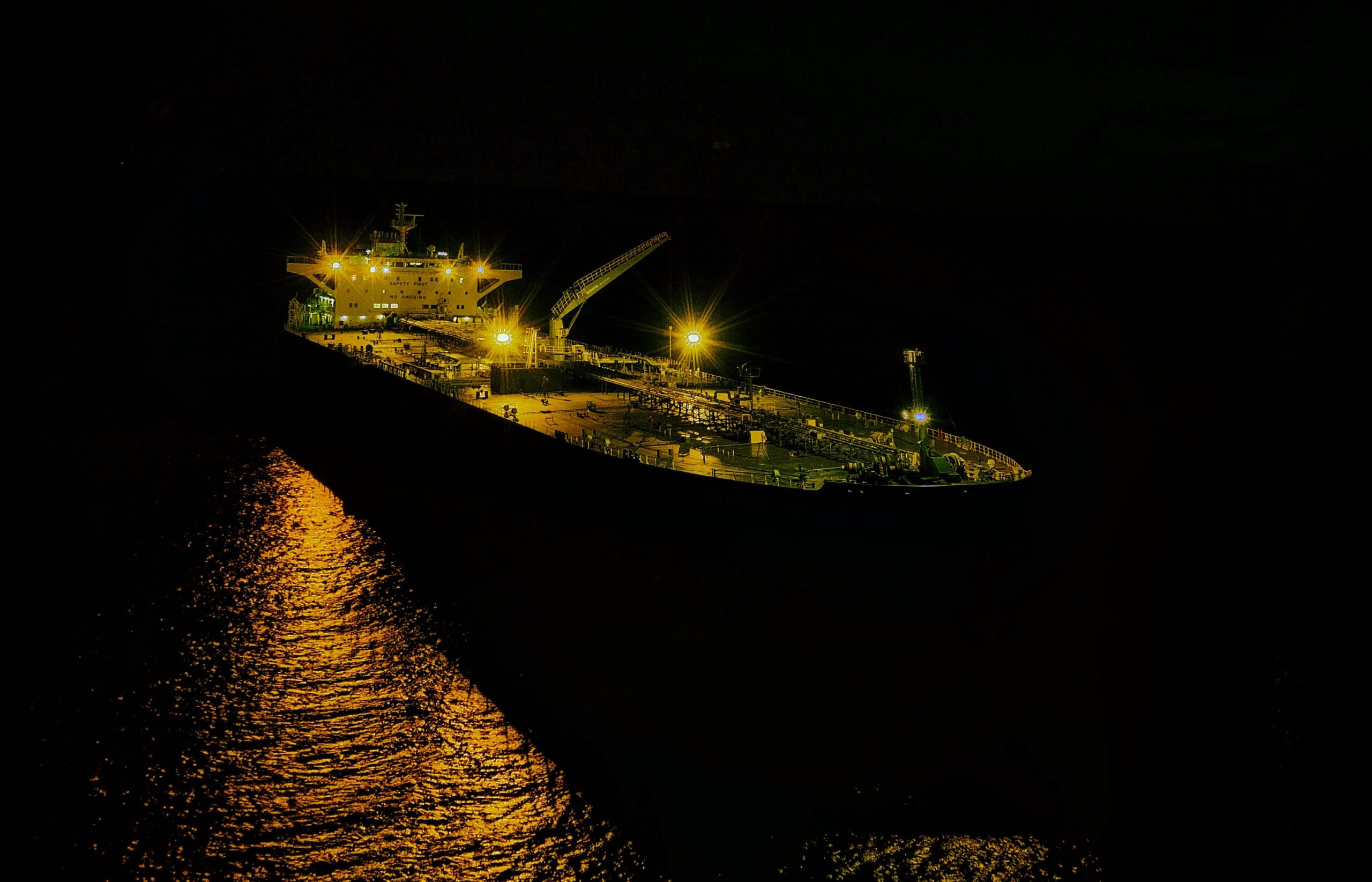
Within 24 hours, at least three tankers had been struck by missiles or drones in what maritime security officials describe as indiscriminate attacks. The oil tanker Skylight was hit 5 nautical miles north of Khasab, Oman, forcing crew evacuation and injuring four. The crude carrier MKD Vyom took a projectile strike above the waterline, sparking an engine room fire that was later controlled. A third vessel, the Sea La Donna, also reported an attack.
The First 36 Hours: Strait of Hormuz Becomes a War Zone, Tankers Hit, Shipping Giants Halt Gulf Transits
Concerningly, the Joint Maritime Information Center has “found no association that would make these vessels a viable candidate for targeting and attack,” underscoring that merchant ships of any flag or nationality now face existential risk in Gulf waters.
The JMIC has elevated the regional threat level to CRITICAL—its highest classification—warning that “an attack is almost certain.” While Iran has not formally closed the Strait of Hormuz, the operational reality reflects “active kinetic hazard conditions” throughout the waterway.
Kramek noted that carriers are making route decisions based on vessel-specific risk assessments. With the Middle East sitting at the crossroads of major east–west trade lanes, even localized disruptions are cascading outward.
“When services through the region are suspended or diverted, the impact is not limited to the immediate area,” he said. “Longer voyages and changes to network rotations can lead to delays and scheduling adjustments across connected trade routes worldwide.”
The International Chamber of Shipping, European Community Shipowners’ Associations, and Asian Shipowners’ Association issued a joint statement expressing “deep concern” over reported attacks on merchant vessels.
“Our foremost concern is for the wellbeing of the seafarers and civilians affected,” the groups said, urging all parties to safeguard crews caught in a volatile situation “through no fault of their own” and calling on the industry to rely only on verified information amid the fast-moving crisis.
The Association of German Shipowners (VDR) reported that at least 25 ships from seven German companies remain in Gulf waters, including two cruise ships carrying roughly 7,000 passengers who are unable to safely exit the region. Member companies are holding crisis meetings and rerouting vessels where possible — diverting around the Cape of Good Hope, withdrawing from high-risk areas, or holding position offshore.
The VDR stressed that there is no confirmed physical blockade of the Strait of Hormuz at this time. However, warnings and radio advisories from Iranian authorities have discouraged vessels from transiting the passage. “The situation may change in the short term,” the association cautioned.
International Maritime Organization Secretary-General Arsenio Dominguez condemned attacks on civilian shipping.
“No attack on innocent seafarers or civilian shipping is ever justified,” he said. “These crews are simply doing their jobs and must be protected from the effects of wider geopolitical tensions.”
The disruption is already being felt in energy markets. Independent Commodity Intelligence Services (ICIS) reported that LNG tanker crossings through Hormuz halted February 28, threatening roughly 120 billion cubic meters per year of export capacity from Qatar and the UAE — volumes comparable to what Europe lost from Russian pipeline gas after 2021.
Oil prices reacted sharply, with Brent crude briefly topping $82 per barrel in early Asian trading March 2 before easing.
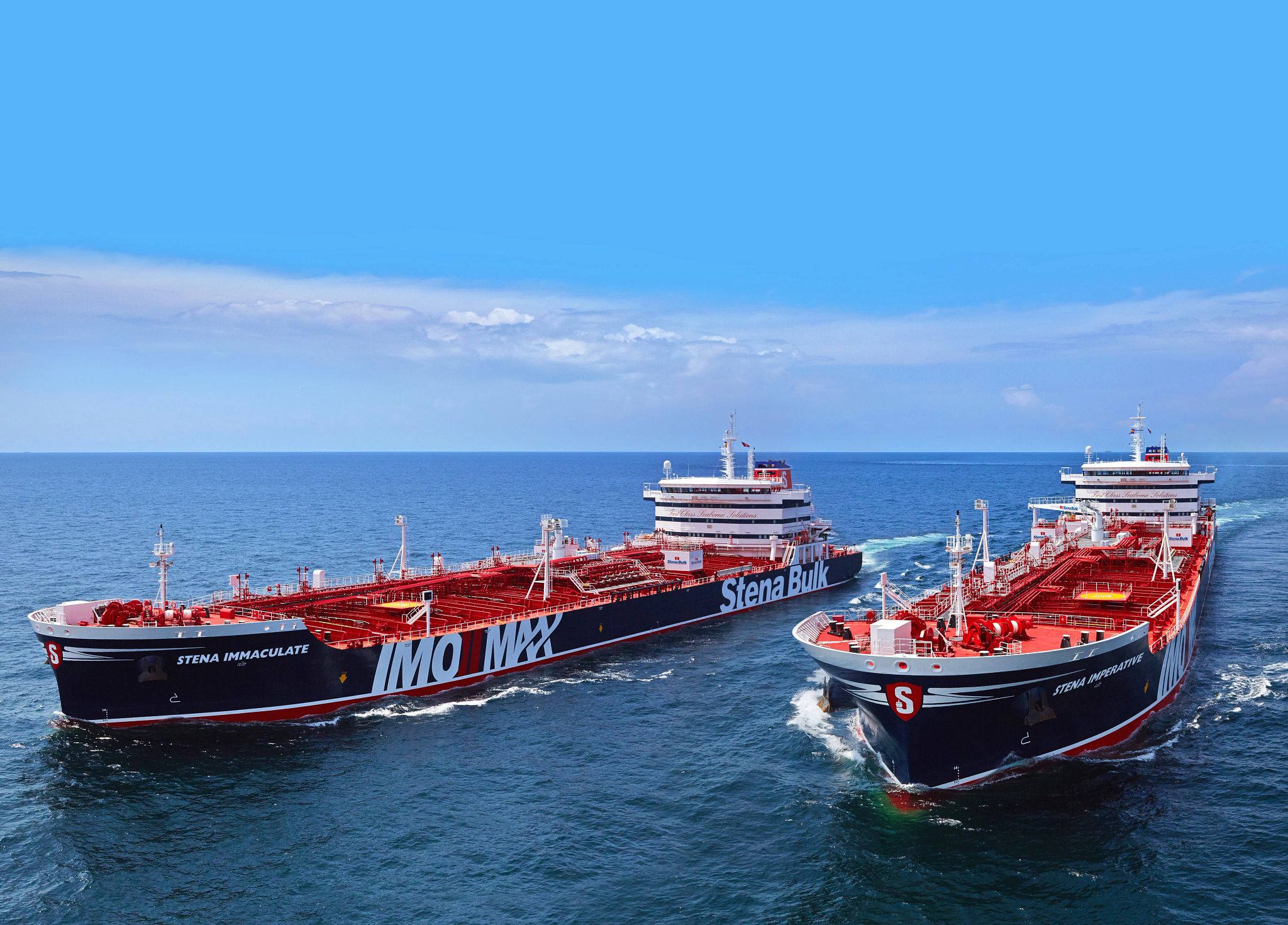
The situation turned deadly when the U.S.-flagged tanker Stena Imperative was struck by projectiles while berthed at the Port of Bahrain, killing a shipyard worker and injuring two others. The crew was safely evacuated.
The vessel participates in the U.S. Maritime Administration’s Tanker Security Program and supports Department of Defense fuel logistics, including certified underway replenishment operations with U.S. naval forces.
Meanwhile, the Yemen-based Houthis have threatened to launch new attacks against Israel and U.S. ships interest and shipping in the Red Sea and the Gulf of Aden.
As the crisis deepens, industry leaders are clear on one point: commercial shipping should not be drawn into military escalation, and the protection of seafarers remains non-negotiable.
Editorial Standards · Corrections · About gCaptain

 Join The Club