The world’s largest shipping industry organizations have issued a joint condemnation of attacks on commercial shipping in and around the Strait of Hormuz, warning that seafarers are increasingly paying the price for a conflict they have no role in shaping.
In a statement released Friday, BIMCO, the International Chamber of Shipping (ICS), INTERCARGO, and INTERTANKO called for an immediate halt to attacks on merchant vessels and urged all parties to respect international law and protect civilian mariners operating in one of the world’s most important maritime chokepoints.
The organizations cited International Maritime Organization (IMO) figures showing that 46 attacks on international shipping have been verified in and around the Strait of Hormuz since February 28, 2026, resulting in 14 confirmed seafarer fatalities.
“There is grave concern about the recent escalation of the conflict which puts the lives of our seafarers at risk, compromises the safety of international shipping and restricts freedom of navigation,” the organizations said.
The unusually strong intervention from the shipping industry comes amid a steady deterioration in security conditions across the Gulf region, where commercial vessels have found themselves caught between military operations, enforcement actions, and retaliatory attacks linked to the ongoing confrontation between the United States and Iran.
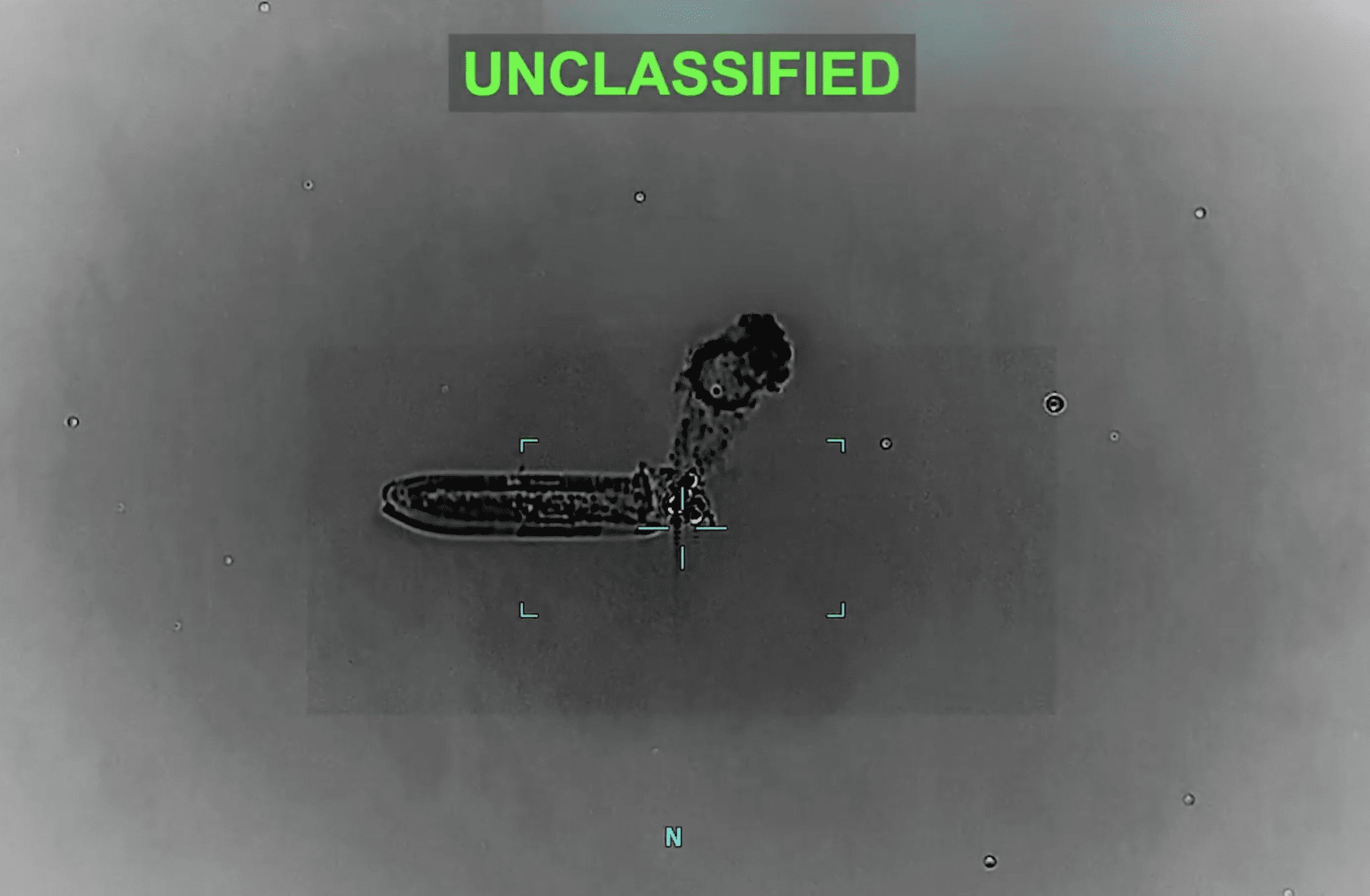
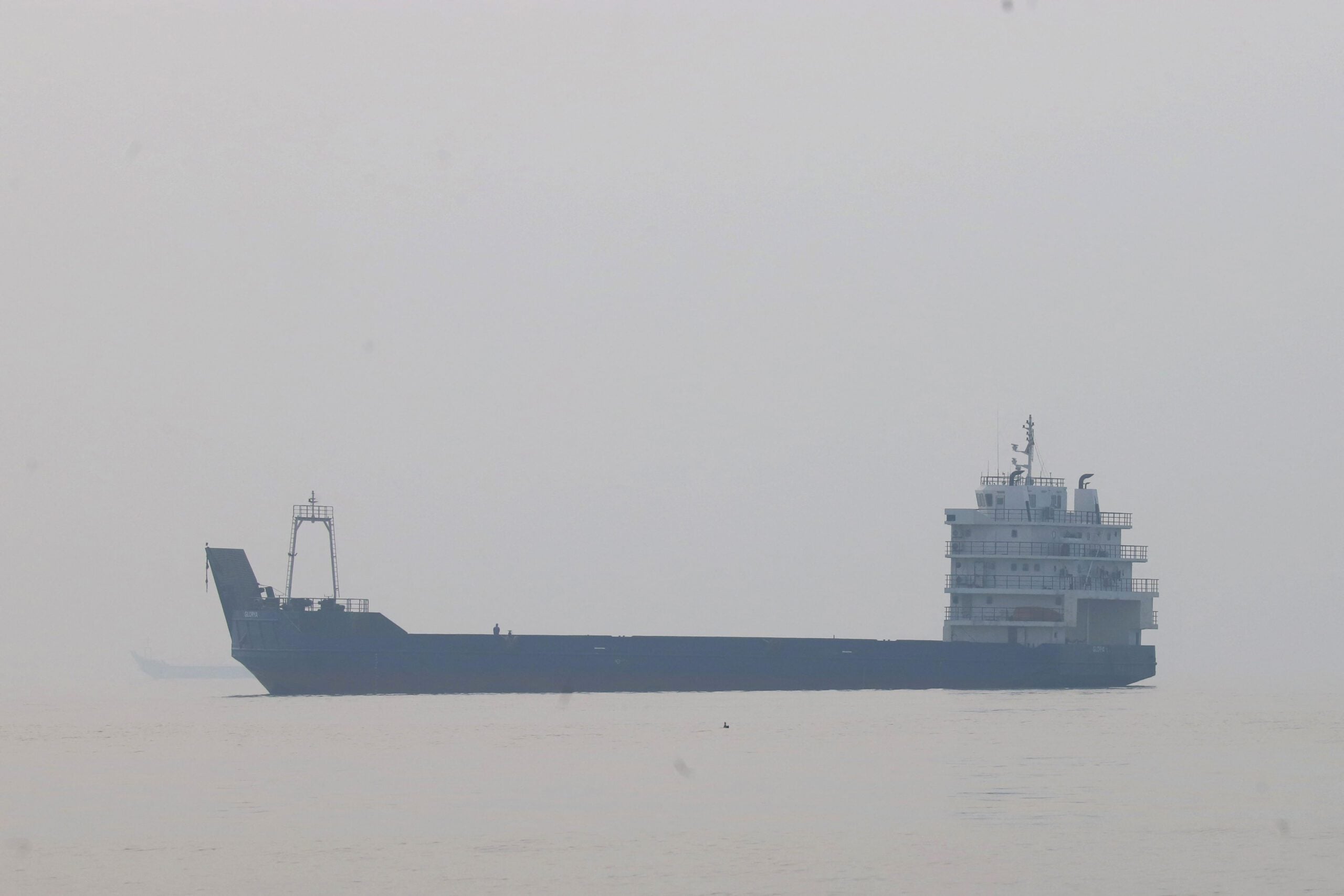
The latest warning follows several high-profile incidents involving merchant vessels, including the June 9 attack on the tanker Settebello near the Strait of Hormuz that left three Indian seafarers dead. The vessel was struck by U.S. forces, becoming the first confirmed fatalities resulting from Washington’s blockade enforcement campaign against Iran. The incident was one of three tanker interdictions carried out by U.S. forces this week.
The deaths have sparked international concern and prompted a separate statement from IMO Secretary-General Arsenio Dominguez, who condemned the attack and reiterated that seafarer safety must remain paramount.
“I strongly condemn any act from any party that endangers the lives of seafarers and the safety of international shipping. This is simply unacceptable,” Dominguez said following the incident.
The industry organizations stressed that merchant ships and their crews are civilian in nature and should never become targets or instruments of military or political pressure.
“Seafarers should never be collateral damage, victims or instruments of political or military pressure,” the statement said. “Attacks on merchant ships constitute a direct challenge to the fundamental principle of freedom of navigation which is essential to the global economy and enshrined in international law.”
The organizations noted that many seafarers have little or no control over the cargoes they carry or the routes they are instructed to sail, making them particularly vulnerable when geopolitical disputes spill into commercial shipping lanes.
The statement also appeared aimed at the growing use of military force against commercial vessels operating in the region. While not naming any country directly, the organizations emphasized that all military operations affecting shipping–including blockade enforcement actions–must comply with the Law of Armed Conflict.
“Acts of war, including enforcement of blockades, should always be done in accordance with the Law of Armed Conflict,” the organizations said. “This also includes using only the force necessary and taking all feasible precautions to avoid or minimise civilian harm.”
The warning comes just days after Dominguez issued one of his strongest statements yet on conditions in the Strait of Hormuz, declaring that no credible security guarantees currently exist for commercial vessels operating in the waterway.
“I am increasingly concerned by reports that vessels continue to attempt to transit the Strait of Hormuz without any credible security guarantees,” Dominguez said on June 9.
“The current situation remains highly volatile, with no reliable security assurances in place. Under such circumstances, safe passage cannot be considered to exist.”
The IMO chief further reminded shipowners and masters that they bear ultimate responsibility for voyage planning and risk assessments, warning that commercial considerations should never outweigh the safety of crews.
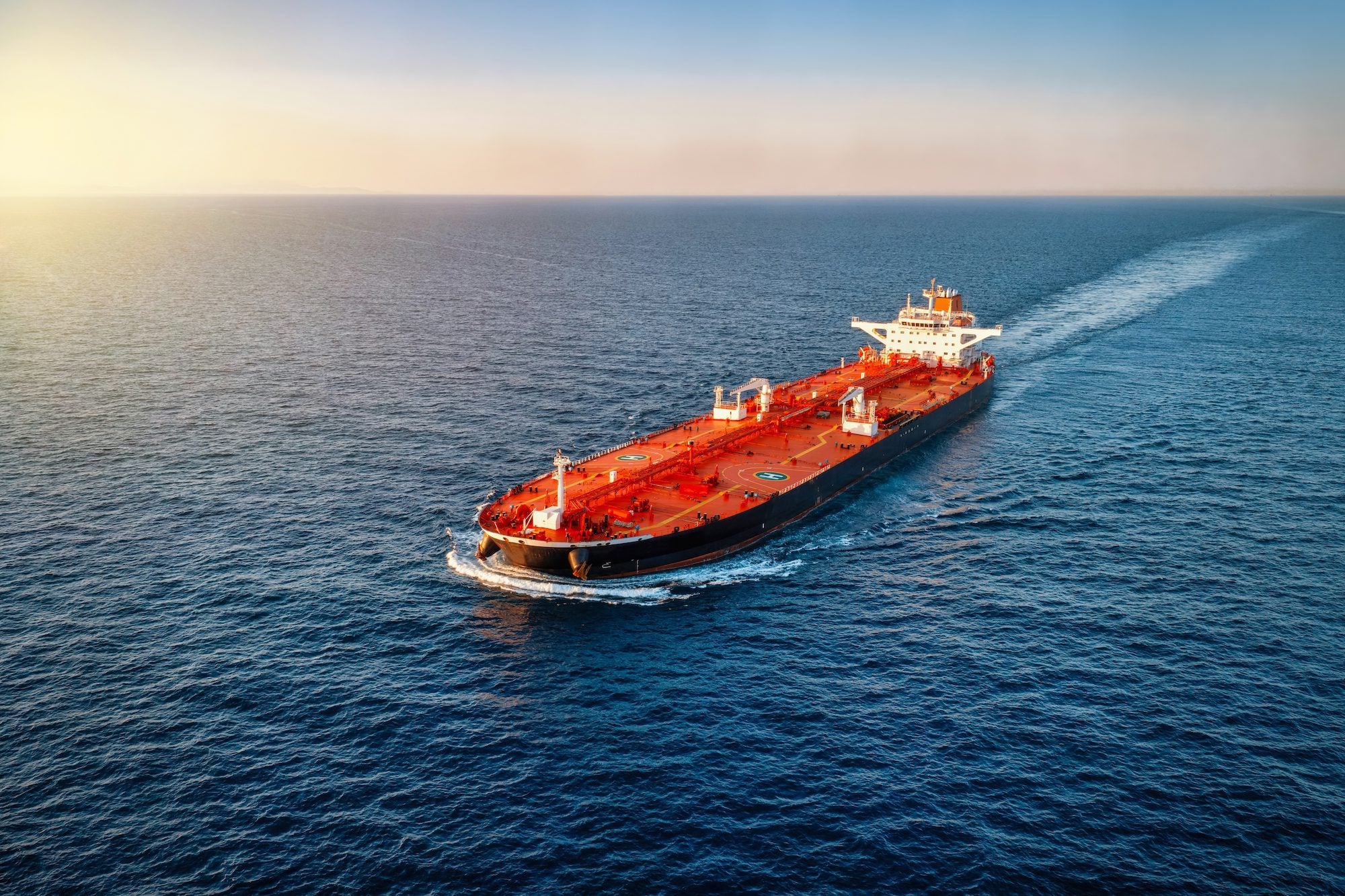
The Strait of Hormuz remains one of the world’s most strategically important shipping corridors, serving as the primary export route for crude oil and petroleum products from Gulf producers. Despite recent claims by U.S. officials that vessel traffic through the region is increasing, maritime security experts and industry groups continue to warn that risks remain exceptionally high.
Against that backdrop, BIMCO, ICS, INTERCARGO and INTERTANKO said restoring confidence in the waterway will require more than simply reducing attacks.
“Rebuilding confidence in the safety of the Strait of Hormuz will require not only an end to attacks, but also clear demonstrations of restraint and adherence to international law by all parties,” the organizations said.
The groups called on all parties involved in the conflict to immediately cease attacks on commercial vessels, exercise restraint and proportionality in military operations, respect freedom of navigation rights under international law, and work toward a broader de-escalation of tensions.
They also urged shipowners and operators to carefully assess the evolving security situation and place crew welfare above commercial considerations when making routing decisions.
For an industry that typically avoids direct involvement in geopolitical disputes, the coordinated statement underscores growing concern that the conflict is exacting an increasingly deadly toll on civilian seafarers and threatening the free movement of global trade through one of the world’s most vital maritime arteries.

 Join The Club