By Weilun Soon
Jun 15, 2026 (Bloomberg) –A US-Iran deal intended to reopen the Strait of Hormuz within days has been met with caution by shipowners and traders, with almost all saying they would need more details in order to assess whether safe transits are possible after months of false starts.
A vital conduit for global oil and gas, Hormuz has been at the heart of the conflict from the first days of strikes on Iran, and the urgent need to resume traffic has been a vital theme in months of on-off peace discussions. The disruption has upended the global energy trade, all but cutting off some of the world’s top producers and forcing major players to resort to “dark” transits.
News of a long-awaited agreement between the US and Iran and the prospect of ending a double blockade cheered oil futures in early trade on Monday, with Brent down almost 5%. But those ferrying crude and gas around the world are still questioning what exactly a reopening — which US President Donald Trump has said will come on Friday — could mean in practice.
“There are just so many timelines involved, and I don’t know whether there is a clear sequence for all these terms to be implemented,” said Muyu Xu, a senior crude oil analyst at commodity intelligence firm Kpler. “A lot can happen during these windows, and Iran could close the strait again if it believes the US or Israel have taken any deal-breaking steps.”
With limited information available, there was little activity in the strait in the hours after the news, with the exception of one liquefied natural gas tanker, Disha, testing the waters as it heads into the eastern arm of Hormuz, toward the Gulf of Oman.
Traffic through the strait has slowed to a trickle since US and Israeli strikes began at the end of February, sinking to a fraction of a pre-war average of about 135 transits daily. Some oil and gas producers have found workarounds to send tankers through, at times with support from the US or through government-to-government negotiations, but total crossings remain extremely subdued.
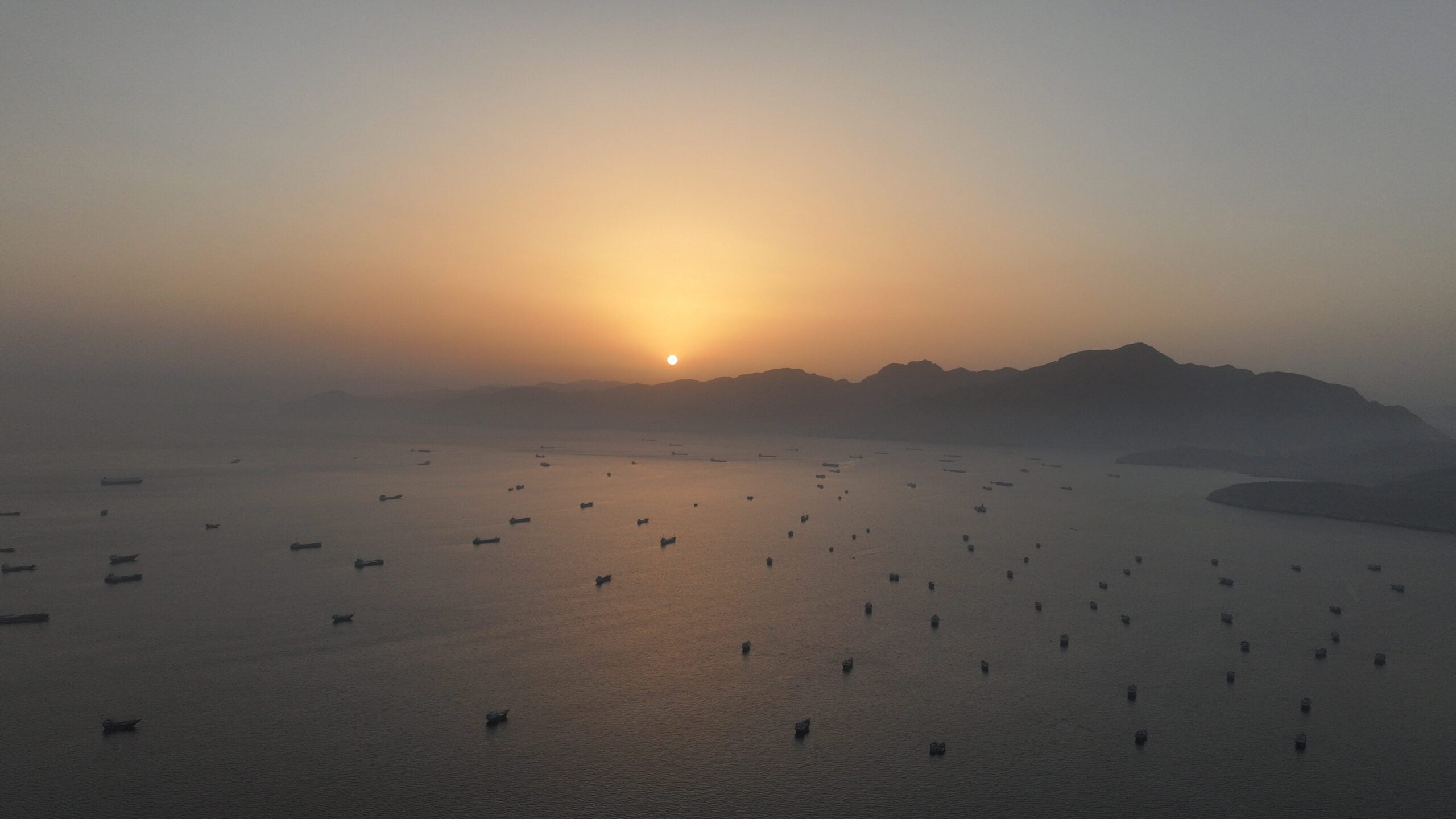
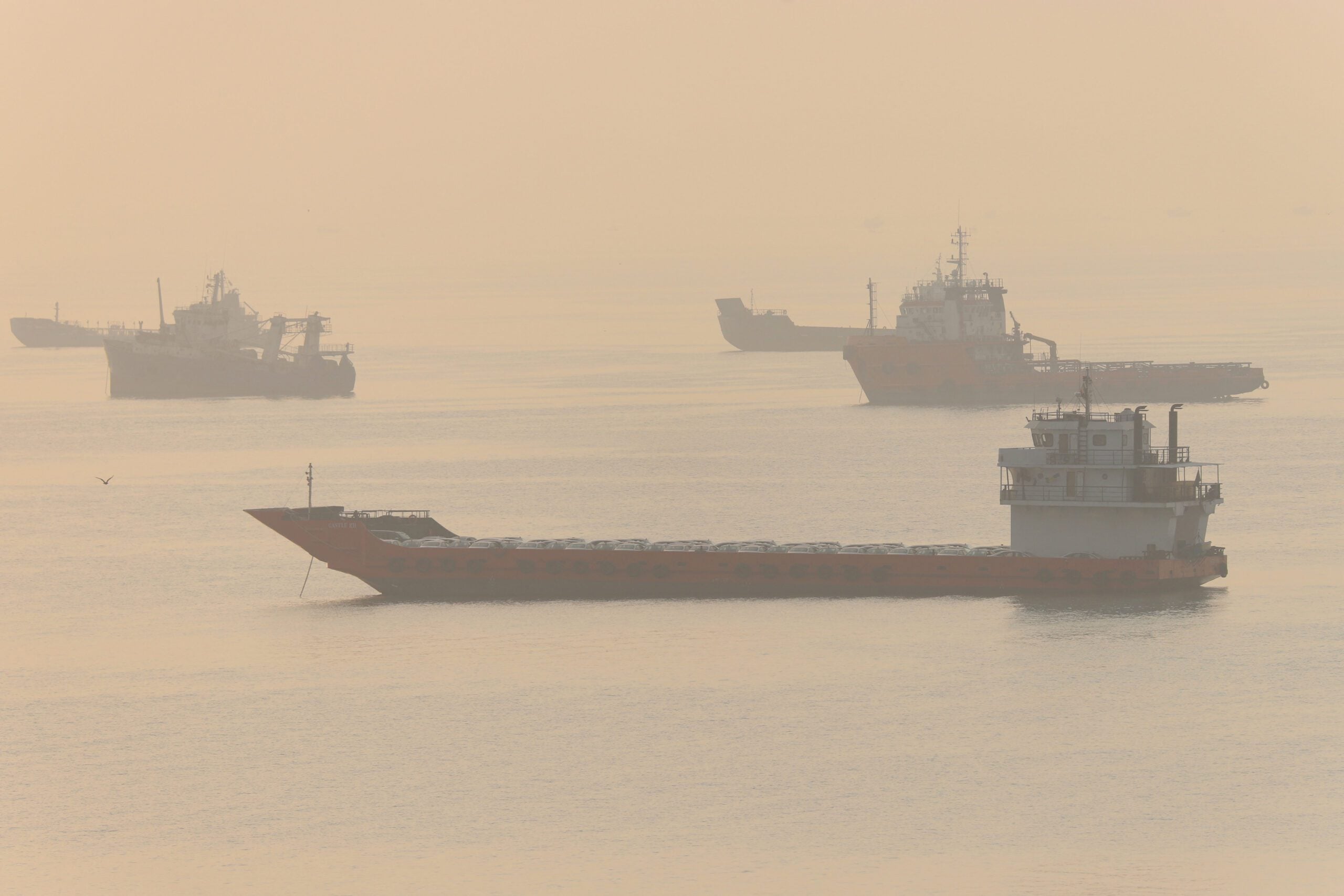
Out of the hundreds of vessels idling in the Persian Gulf, nearly 300 are loaded and waiting to cross at a moment’s notice — with around the same number empty on the other side in the Gulf of Oman, waiting to head back to major export terminals. Around 250 are ballasting in the Persian Gulf, primed to also start picking up cargoes for any potential outbound journeys.
Read More: Oil Tankers Go Dark to Sneak More Barrels Through
That exact count of observed vessels may change as ships that have turned off their transponders restart transmission. Electronic interference that has complicated tracking in the area over the past month should also ease.
In theory, a peace deal, potentially even a temporary one, should release millions of barrels of oil that have been trapped for months in the Persian Gulf. In practice, there will still be a long list of impediments — including prosaic problems like the need to remove barnacles from ship hulls, and to ensure crews are in position and prepared to sail without electronic navigation signals.
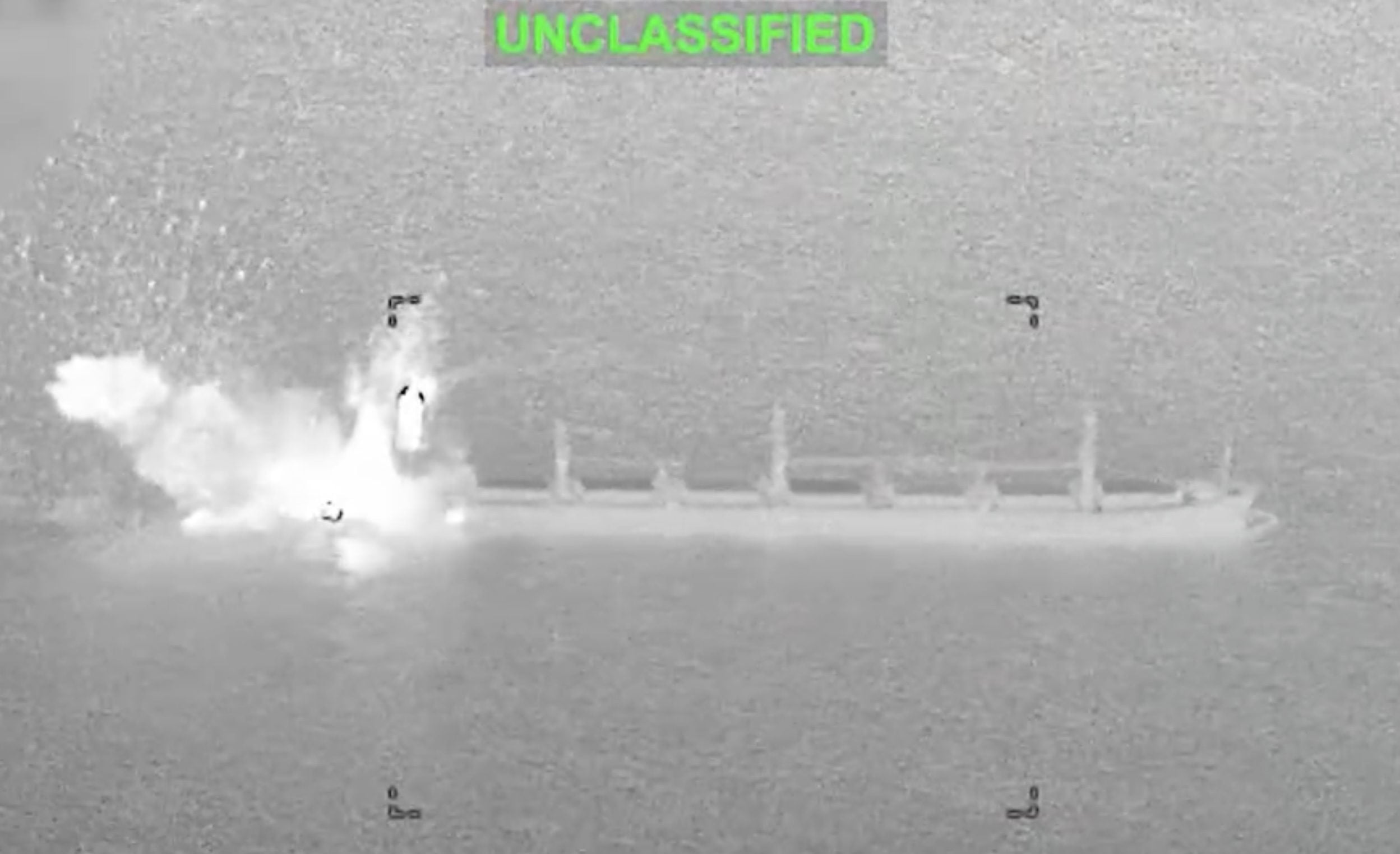
Security, however, remains the primary concern, as purported deals over the past months have ended with Iranian forces firing at ships or seizing vessels. There is also uncertainty over mines in the strait, making routes and insurance cover crucial.
Major Japanese shipping companies, among the first ones to respond to the deal, cautioned that safe navigation would only be possible after finalizing details. Mitsui OSK Lines said that close coordination with relevant governments and insurance firms is essential before it can send ships through the strait again, while Nippon Yusen KK said a normalization of traffic hinges on what’s being laid out in the agreement.
Brett Erickson, a managing principal at Obsidian Risk Advisors, said this was front of mind for all ships and companies operating in the area.
“The maritime industry understands that. Captains understand it. Crews understand it,” he said. “They know that a single miscalculation, a single strike, or a single political decision can inject new friction into the situation and once again place their lives at risk.”
Read More: What the US-Iran Deal Means for the Strait of Hormuz: Explainer
Managing a vastly increased flow of traffic through the waterway will be another headache, even once other worries ease.
The strait’s narrow width — only 24 miles (39 kilometers) wide at its tightest point, with shipping lanes in each direction merely two miles wide — raises the risks of vessels colliding if they begin rushing for the exit. The picture is complicated by the fact that electronic interference and irregular use of transponders may misrepresent true locations.
“During extreme traffic congestion periods, collision and grounding risks may materially increase. Both dimensions must be appropriately addressed in the pre-transit planning,” a guidance document jointly published by major industry groups such as Bimco, Intertanko and the International Chamber of Shipping last month.
“Do not rely on AIS,” it added, referring to the automatic identification system that ships often use for automatic tracking of vessels’ locations.
© 2026 Bloomberg L.P.

 Join The Club