By Weilun Soon
Aug 3, 2026 (Bloomberg) –The key Saudi export port of Yanbu in the Red Sea appeared to have its busiest day since Houthi threats upended shipping in the region, while more ships transited dark through the Bab el-Mandeb chokepoint.
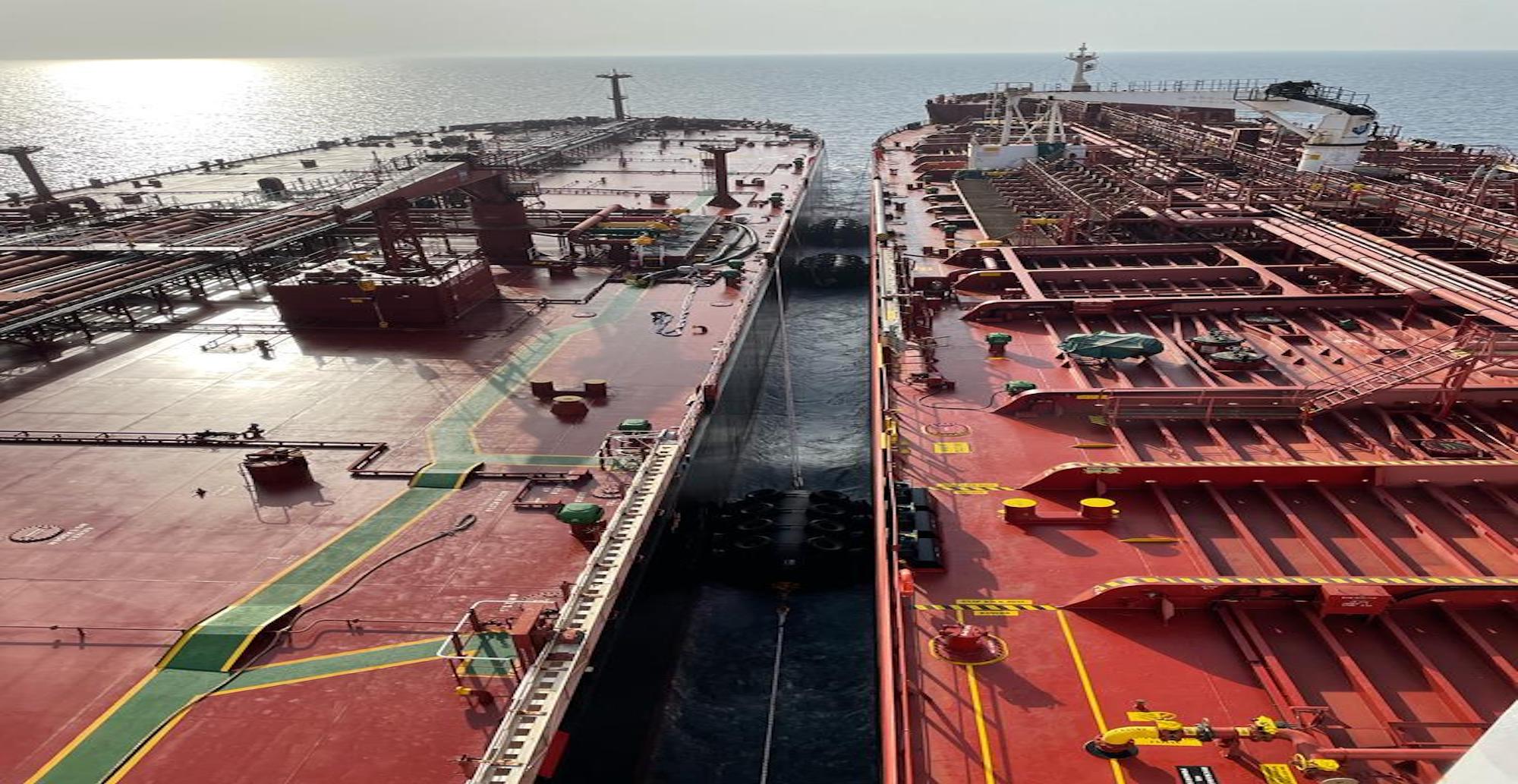
Five very large crude carriers were berthed at Yanbu’s oil-loading terminals on Saturday, according to satellite images, possibly making it the most active day since Iran-backed Houthi rebels imposed a blockade on Saudi ports two weeks ago. The photos were taken by the European Union’s Sentinel 2 satellite, which only flies over the area every few days.
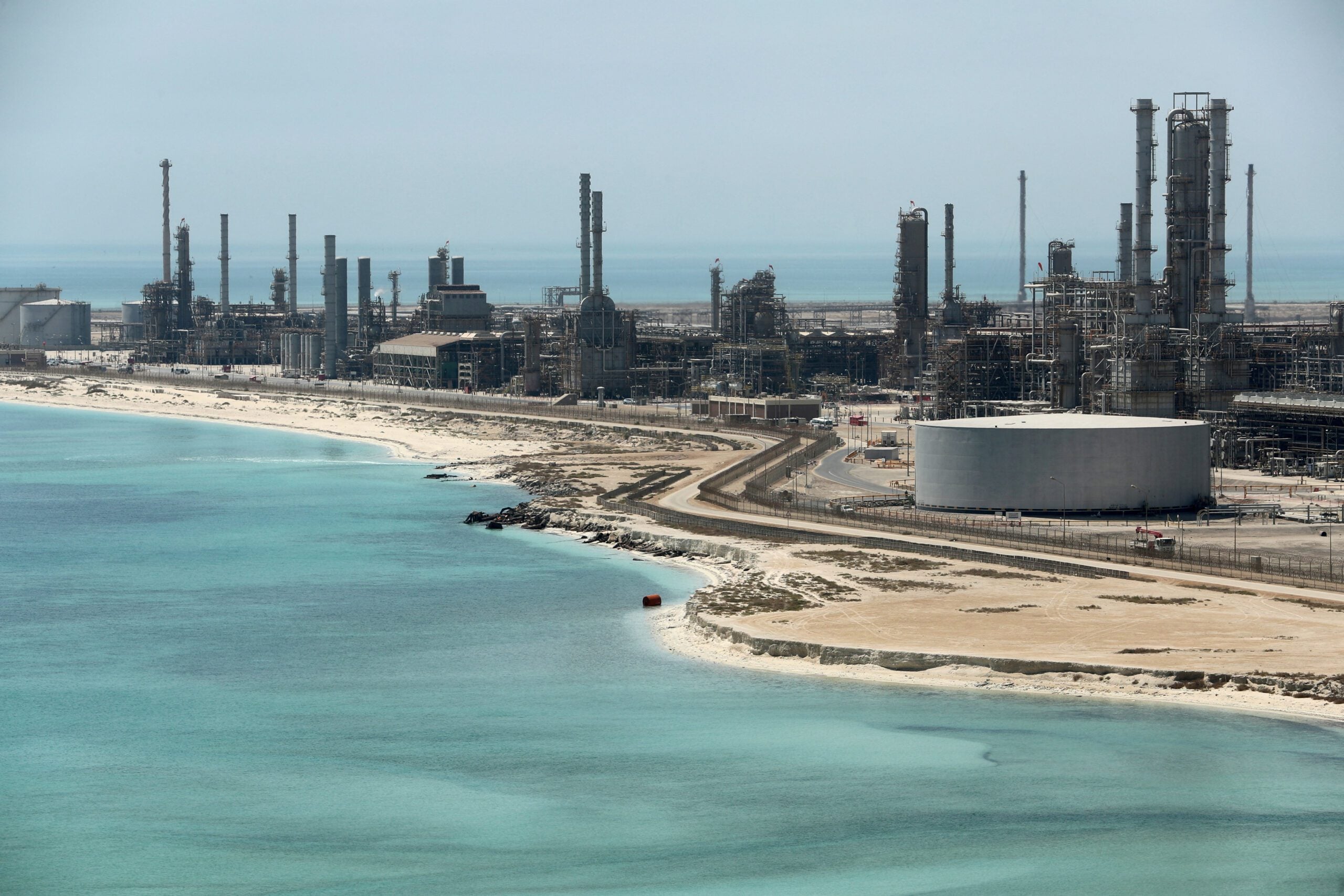
Yanbu became crucial to Saudi Arabia’s efforts to keep shipping large volumes of crude after the Iran war snarled traffic through the Strait of Hormuz. The kingdom bypassed the waterway by piping million of barrels a day to the Red Sea for export to global customers. A VLCC can carry about 2 million barrels.
Separately, Greek-owned Suezmax Lesvos and India-flagged VLCC Desh Vaibhav sailed through Bab el-Mandeb over the weekend carrying Saudi crude loaded at Yanbu with their transponders off, according to analytics firms Vortexa and Kpler. The vessels have re-appeared in waters off Oman after previously broadcasting near the Red Sea port, ship-tracking data shows.
Some tankers are still openly transiting through Bab el-Mandeb, including ships carrying Russian crude. But the Houthi threat has forced some Saudi vessels to take a longer route around Africa, and the kingdom to divert some Asia-bound oil flows from the Red Sea to Egypt’s Sidi Kerir on the Mediterranean coast.
Late last week, a liquefied natural gas tanker carrying a shipment from Qatar was struck by a projectile while transiting the Strait of Hormuz, underscoring the safety risks for shipowners in the region. On Monday, observable traffic through the chokepoint was scarce.
Still, crude is making it out of the Persian Gulf, mostly on tankers that have switched off their transponders. On Friday, more than 8.4 million barrels exited the gulf, marking one of the highest daily flows since the Iran war started at the end of February, according to ship-tracking data.
In other shipping developments:
Strait of Hormuz, Persian Gulf, Gulf of Oman
- Between Friday and Sunday, 34 commodity vessels transited the Strait of Hormuz in either direction, according to Kpler data, which may be revised after receiving more information
- The UK Maritime Trade Operations reported on Sunday that the master of a tanker had heard an explosion near a vessel close to Oman’s coastline
- That followed the attack on the LNG tanker on Saturday, while a crude carrier reported a near-miss on the same day sailing into the gulf
Southern and Northern Red Sea
- Between Friday and Sunday, 75 commodity vessels crossed Bab el-Mandeb
- Russian crude flows dominated the outbound flows from the Red Sea via the strait, though two shipments of Saudi crude, one cargo from Algeria and a Sudanese delivery had sailed through dark
- A Taiwanese-owned supertanker also sailed through the chokepoint dark, though Bloomberg News couldn’t immediately determine if it was laden or empty
- A Houthi-run unit that claims to manage vessel movements through the strait rejected claims that the group was looking to charge ships for transits, saying that they will be free of charge
© 2026 Bloomberg L.P.

 Join The Club