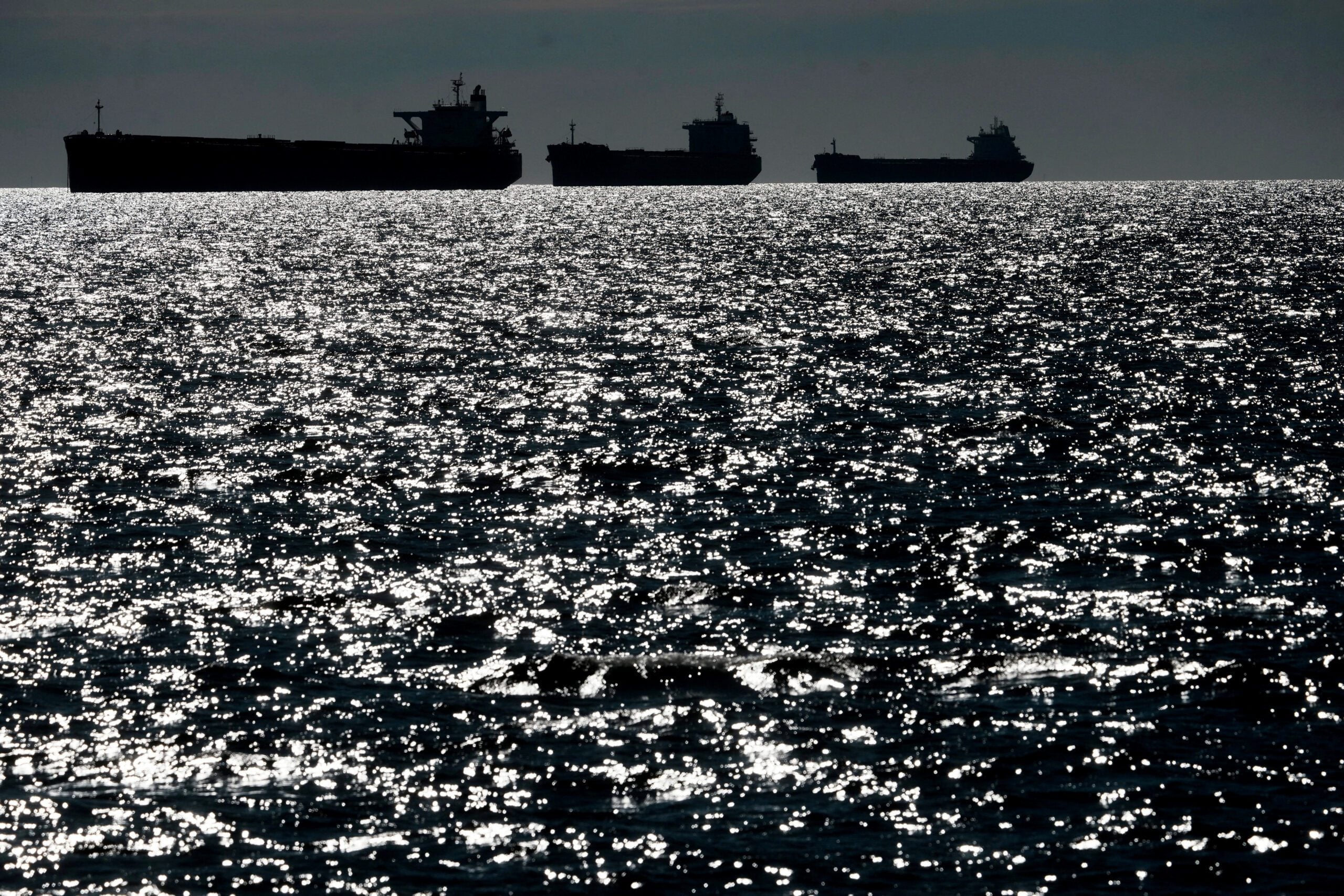
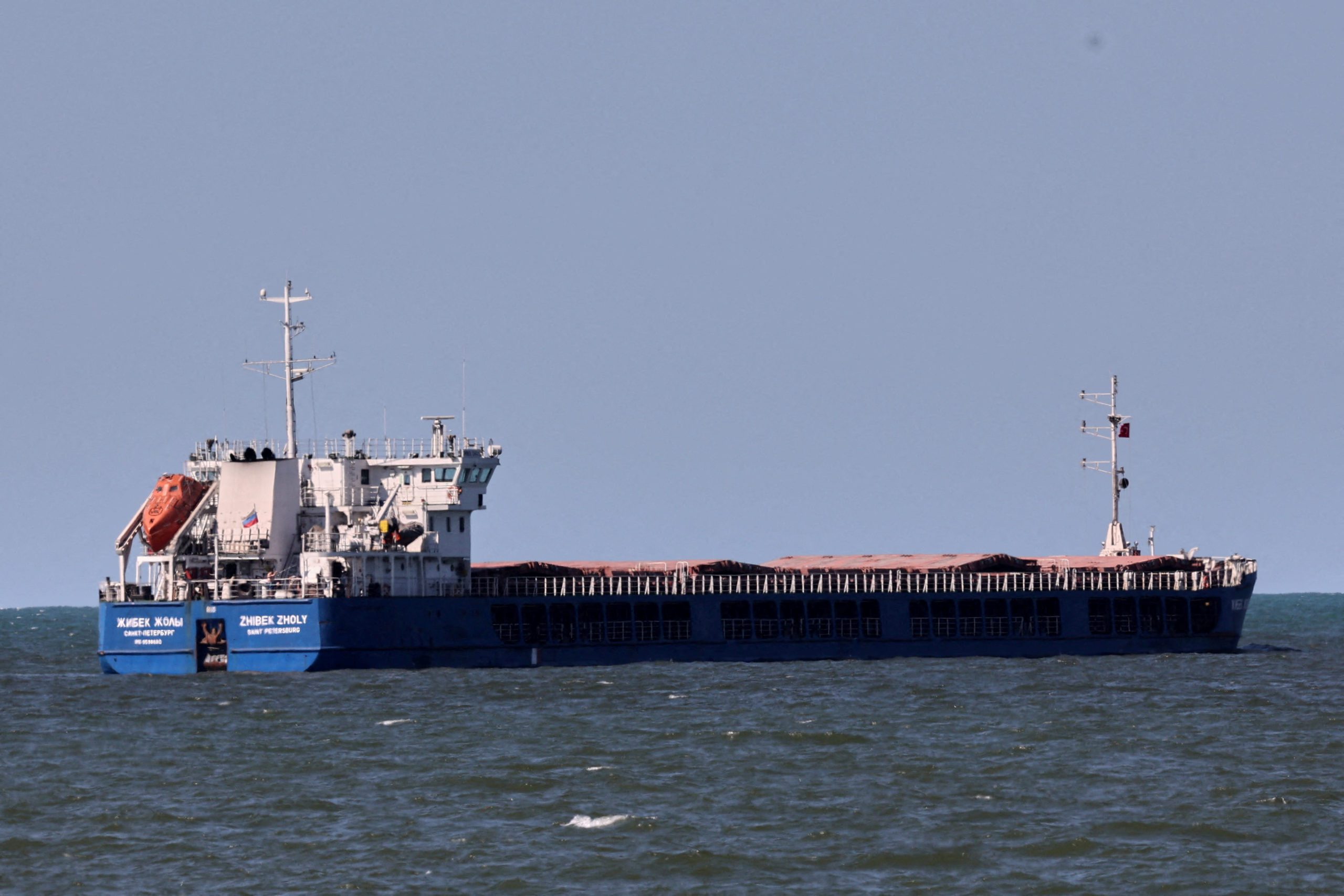
(Bloomberg) — Russia shipped the least crude in more than a month, even as operations at its key Baltic port recovered strongly from an earlier halt.
In the four weeks through Oct. 25, overseas crude flows edged lower to 3.55 million barrels a day, tanker data compiled by Bloomberg showed. That was down by 30,000 barrels a day from the period to Oct. 18, to the lowest in five weeks. The drop came despite a rebound in weekly flows.
A total of 12 tankers left the Primorsk terminal near St. Petersburg last week. That compared with just four the previous week, which saw a three-day gap in arrivals and departures. Similar interruptions in the past were linked to maintenance.
Russia’s war on Ukraine is hitting global supplies of fuel and food, compounding the impact of the conflict in the Persian Gulf and sending crude prices to the highest since the early days of the full-scale invasion, when the Brent benchmark briefly topped $120 a barrel.
A recent lull in Kyiv’s attacks on Russian refineries has allowed Moscow to boost processing rates, likely diverting crude that would otherwise have been exported. There were no reported strikes on Russian oil processing plants in the seven days to Oct. 25, amid moves to initiate trilateral talks between Russia, Ukraine and the US.
If the halt to attacks on refineries continues, the amount of Russian crude available for export could fall in the coming weeks, as previously damaged plants are repaired and brought back into operation.
At the same time, buyers in India may be turning away from Russian barrels amid sky-high shipping costs and cheaper alternatives from the Persian Gulf. The shift comes as crude flows from the Middle East return to near pre-war levels. Whether those flows can be maintained if the Iran conflict flares up after the US mid-terms and the Israeli election remains to be seen.
Crude Shipments
In the week to Oct. 25, some 37 tankers loaded 26.93 million barrels of Russian crude, vessel-tracking data and industry reports show. The volume compared with a slightly revised 21.87 million barrels on 31 ships the previous week.
Shipments jumped by 730,000 barrels a day last week to average 3.85 million barrels a day, the highest in a month.
Flows from Primorsk rebounded after a gap in ship movements of several days during the previous week that suggested that loading operations may have been suspended for maintenance at the port or the pipeline that supplies it.
Weekly shipments can be volatile, affected by weather, maintenance work, sanctions, military activity and the timing of departures.
There was one shipment of Kazakhstan’s Kebco grade from Novorossiysk during the week. Since the start of September, Moscow has diverted all shipments of Kazakh crude through the Black Sea port, freeing up more capacity for its own barrels at Ust-Luga on the Baltic, which is seen as safer.
The amount of Russian crude on the water rebounded last week, driven by the jump in shipments from the country’s Baltic ports.
Export Value
On a four-week average basis, the gross value of Moscow’s oil shipments was little changed at $2.61 billion a week in the 28 days to Oct. 25, close to the previous week’s three-week low. The small drop in total flows and lower prices for Russia’s key Urals crude were offset by higher prices for the Pacific ESPO grade.
On a weekly basis, the value of exports jumped by about $430 million to a wartime high of $2.76 billion, with lower Urals prices more than offset by the jump in shipments and an eighth straight weekly increase in ESPO values.
Flows by Destination
China and India remain the biggest buyers of Russian crude by a considerable margin. But it’s not always possible to assign a final destination to individual cargoes until well into their voyage, leaving many of the more recent shipments on tankers showing interim destinations, such as Suez, Port Sudan, or Singapore. These are recorded as “Unknown Asia” until a credible final destination is available. Ships still showing their destinations as their Russian loading ports, or places such as Gibraltar, are recorded as “Other Unknown.”
Observed shipments to Russia’s Asian customers, including those showing no final destination, edged lower to to 3.42 million barrels a day in the 28 days to Oct. 25, down from a revised 3.45 million in the period to Oct. 18.
Shipments to Moscow’s remaining customers in the Mediterranean region were unchanged from the revised figure for the period to Oct. 18. That figure was revised down to about 130,000 barrels a day after one tanker heading toward Turkey changed its destination to the Suez Canal.
That took flows to Turkey to about 80,000 barrels a day in the four weeks to Oct. 25, unchanged from the earlier period.
An earlier flurry of shipments to Egypt, which took flows to as much as 160,000 barrels a day in mid-June, has fallen back to about 50,000 barrels a day in the most recent period.
Flows to Syria have fallen to zero since August after the Mediterranean nation agreed to “drastically” reduce Russian oil imports in negotiations with the US on lifting remaining sanctions.
Shipments to the region may be revised higher once destinations for almost 1.8 million barrels a day of crude become clear. Historically, most cargoes on ships showing intermediate destinations have been delivered to India or China.
© 2026 Bloomberg L.P.

 Join The Club