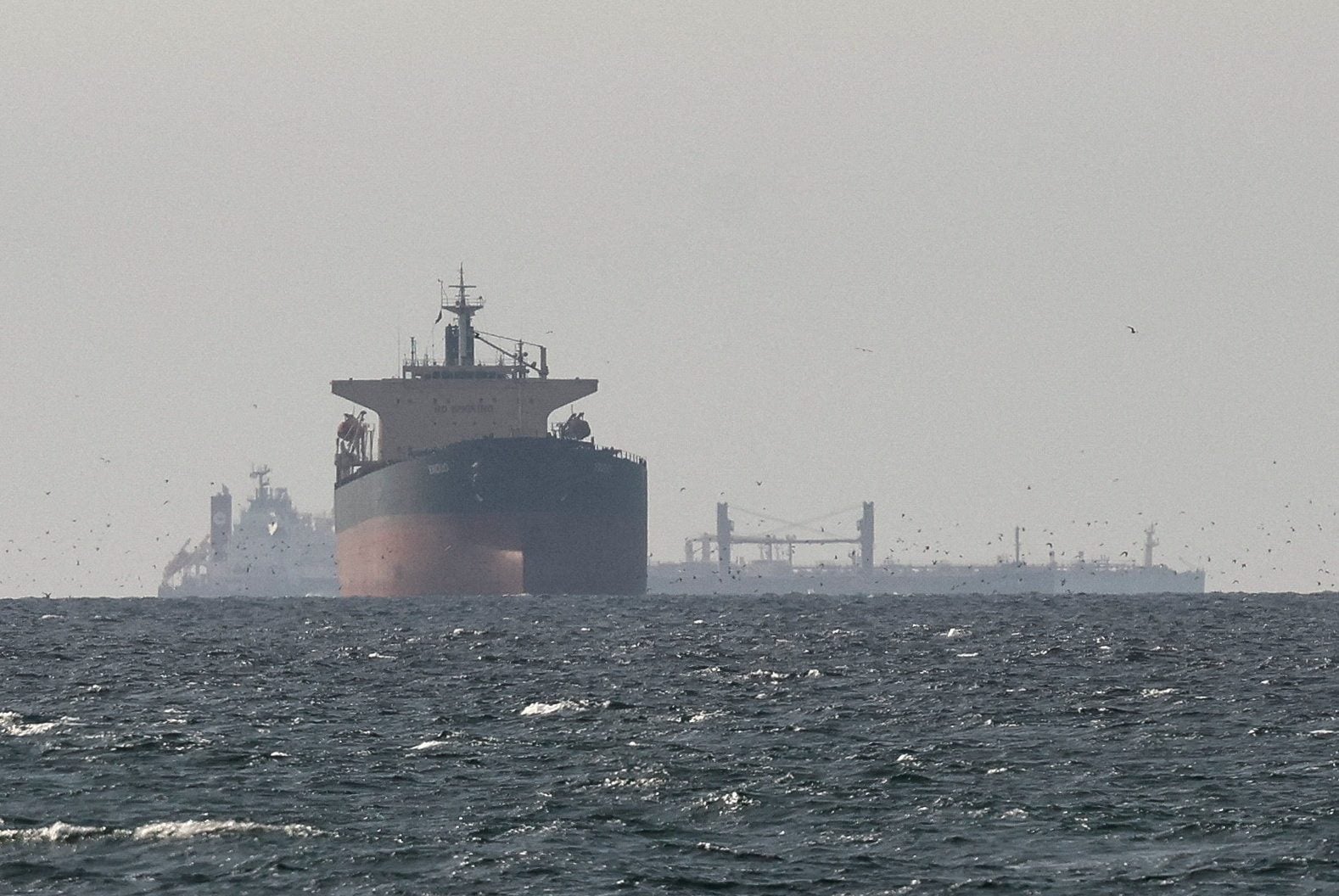
By Angelo Mathais (The Loadstar) – Indian shipping regulators and related authorities seem to be keeping a close watch on ongoing supply chain dynamics for export trades as ocean carriers arguably tend to profiteer from capacity disruption, especially in a larger crisis situation.
The news comes as the US Federal Maritime Commission (FMC) has also pushed back on carrier charges, with commissioner Laura DiBella rejecting liner requests to introduce war-related surcharges without the standard 30 days’ notice. She said carriers failed to show sufficient evidence that the charges reflected actual costs, signalling closer scrutiny of emergency pricing.
Meanwhile, the Directorate General of Shipping (DG Shipping), India’s maritime watchdog, has now instituted a dedicated mechanism for shippers and other trade stakeholders to raise complaints regarding freight pricing and contractual obligations by carriers.
“In view of the ongoing disruptions in maritime logistics and trade due to the prevailing situation in the Middle East, and based on industry feedback received during stakeholder consultation, it has been decided to establish a dedicated help line to facilitate outreach and support for exporters, shipping lines and multimodal transport operators,” DG Shipping said in a public notice.
U.S. Maritime Commission Warns Shipping Lines Over Hormuz Crisis Surcharges
DG Shipping explained that the desk would serve as a single point of contact to also settle disputes covering shipment delays/cargo discharge arrangements, various charges levied by carriers and operational uncertainties.
The redressal wing would work with other government arms, including seeking intervention at the ministry level, to resolve complaints, the authority added.
The move is a follow-up to a 9 March advisory issued by DG Shipping, asking shipping lines to refrain from predatory trade practices or opportunistic pricing tactics.
“The Directorate expects that all stakeholders in the maritime logistics chain will cooperate in maintaining transparency and fairness in commercial practices, in the larger interest of facilitating trade, reducing logistics costs and improving ease of doing business in India,” it said.
Indian exporters, individually and through their representative bodies, had been pushing government authorities to rein-in foreign-flagged carriers as the market continued to be bombarded with emergency surcharges since the Middle East crisis.
However, according to industry analysts, the incidence of elevated freight rates and varied surcharges is typically the product of the market forces of supply and demand. So, it remains to be seen how effectively DG Shipping or other regulatory agencies will be able to intervene when there is so much volatility around, they pointed out.
Meanwhile, the cost impact of supply chain disruption in the Middle East region has trickled down to other tradelanes. The latest example is a new inland haulage fee slapped by Singapore-based liner ONE on shipments to/from Canada and the US by rail or truck.
“Recent developments in the Middle East, including the effective closure of the Strait of Hormuz, have had a substantial impact on fuel availability and distribution worldwide,” ONE told customers.
“ONE will perform monthly evaluations to adjust this quantum based on the latest diesel price trends,” it added.
(c) Copyright Thomson Reuters 2025.
Editorial Standards · Corrections · About gCaptain

 Join The Club