The latest gathering of the Pollution Prevention and Response Sub-Committee at the International Maritime Organization in London did not produce dramatic headlines or sweeping new regulations, yet for those running ships day-to-day it may prove one of the most consequential technical meetings in recent years.
By Paul Morgan (gCaptain) – Beneath the procedural language and incremental drafting work, PPR 13 signaled a clear shift in how environmental performance will be measured, not just by fuel type or installed equipment, but by the way vessels are actually operated across their entire lifecycle.
Industry groups such as the World Shipping Council were heavily engaged in discussions ranging from biofouling and Arctic emissions to scrubber discharges and low-load engine certification. The themes were familiar, but the direction of travel was different. Rather than simply tightening emissions limits, IMO is increasingly examining the operational realities that chief engineers and superintendents deal with every day, hull condition, partial engine loads, hybrid power arrangements and end-of-life recycling obligations.
One of the most telling developments was the renewed focus on biofouling management. For years, hull cleanliness has been framed primarily as an invasive species issue, yet the debate at PPR reflects a growing recognition that biofouling is fundamentally an efficiency and emissions problem. As regulators push for science-based controls, the subtext is clear: operators may soon face expectations not just to carry a biofouling plan but to demonstrate measurable performance.
That could translate into more frequent inspections of niche areas such as sea chests and thrusters, and potentially a future where hull performance data sits alongside fuel consumption metrics in compliance reporting. For engineers, this reinforces an uncomfortable reality, maintenance decisions once driven purely by cost and scheduling may increasingly be scrutinised through an environmental lens.
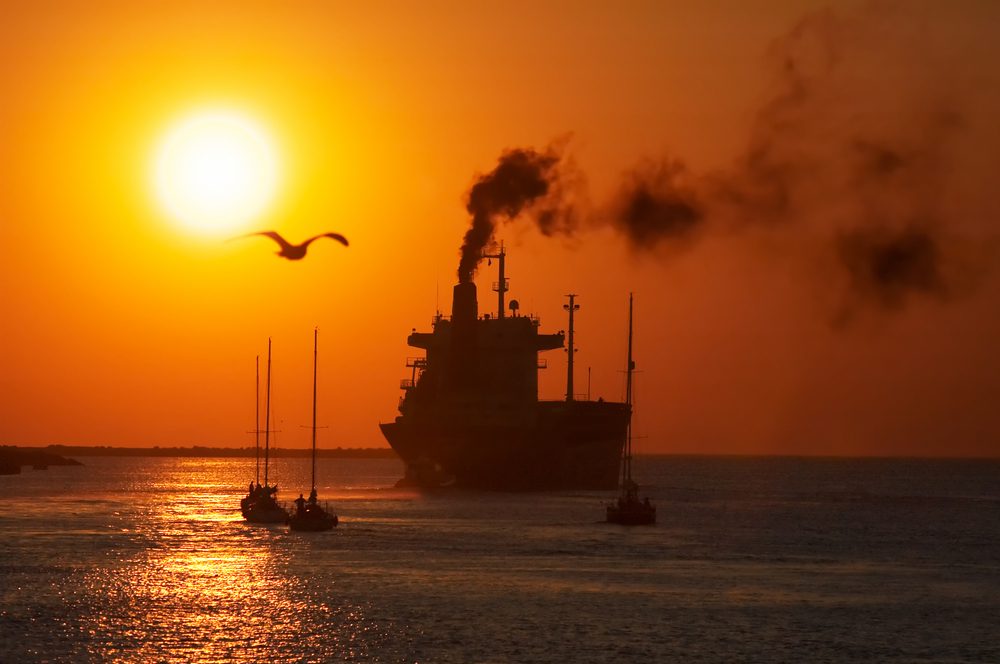
The Arctic black carbon discussions reveal a similar evolution. While there is not yet a formal polar fuel standard, the direction of policy suggests increasing pressure to move away from high-soot fuels in sensitive regions. The IMO has already edged toward restrictions on heavy fuel oil in Arctic waters, and PPR’s work on measurement methodologies hints at more granular controls in the future. From an operational perspective, the implications are significant. Fuel choice in polar routes may become less about compliance with sulphur caps and more about particulate performance and combustion quality. For shipowners, the cost equation could shift once again, favouring cleaner distillates or alternative fuels despite higher price tags.
Perhaps the most contentious issue remains exhaust gas cleaning system discharge water. Scrubbers were once presented as a relatively straightforward compliance solution, yet the ongoing review at PPR highlights the growing regulatory discomfort around wash-water impacts in sensitive environments. Industry voices continue to call for globally consistent, science-based standards rather than a patchwork of regional bans, but the trajectory is unmistakable: the operational flexibility of open-loop systems may narrow over time. Engineers who have relied on scrubbers as a long-term fuel strategy must now plan for scenarios where switching to compliant fuels near shore or upgrading to hybrid systems becomes unavoidable. The real challenge is not technical feasibility but the uncertainty surrounding future enforcement, which complicates investment decisions today.
Equally revealing is the renewed scrutiny of NOx certification, particularly in relation to low-load operations. Modern shipping rarely mirrors the steady-state engine cycles used during certification tests. Slow steaming, dynamic positioning, hybrid propulsion and alternative fuels have all reshaped how engines are run, yet regulatory frameworks have struggled to keep pace. The discussions at PPR suggest that IMO is finally acknowledging this gap.
If certification processes evolve to reflect real-world operating profiles, it could change how engines are tuned, monitored and maintained. For chief engineers, this is more than a bureaucratic adjustment; it touches directly on daily operational choices, from load management strategies to maintenance planning aimed at avoiding liner glazing or combustion instability at low outputs.
Ship recycling, another agenda item that might appear distant from daily operations, is also moving into sharper focus as the industry prepares for stricter implementation of environmentally sound dismantling standards. The emphasis on hazardous material inventories and pollution prevention throughout a vessel’s life cycle indicates a broader shift toward cradle-to-grave environmental accountability. Owners may find that decisions made during construction or retrofits, coatings, insulation materials, even equipment selections, carry regulatory consequences decades later when the vessel reaches the yard.
Taken together, the themes emerging from PPR 13 reveal a subtle but important transformation in IMO thinking. Environmental regulation is no longer centred solely on emissions limits or fuel sulphur content; it is increasingly about operational behaviour and lifecycle performance. That means compliance will depend less on installing a single piece of equipment and more on how effectively ships are managed over time. Data monitoring, maintenance discipline and operational flexibility are becoming as critical as hardware solutions.
For shipowners, the message is clear: the era of simple compliance checklists is fading. Future regulations are likely to reward vessels that can demonstrate consistent performance, clean hulls, optimised engine loads, responsible recycling practices, rather than those relying solely on technological add-ons. For chief engineers, the implications are equally profound. The engine room is no longer just a place where emissions limits are met; it is becoming a central arena where environmental performance is proven through daily operational decisions.
PPR meetings rarely capture headlines in the way that high-level climate negotiations do, yet the technical groundwork laid in London this week may shape the next generation of IMO rules. The shift underway is subtle but unmistakable: environmental compliance is moving from static standards to dynamic performance. For an industry already navigating alternative fuels, carbon pricing and efficiency mandates, that evolution will demand a new level of operational awareness, and perhaps a redefinition of what it means to run an environmentally responsible ship.
Editorial Standards · Corrections · About gCaptain

 Join The Club