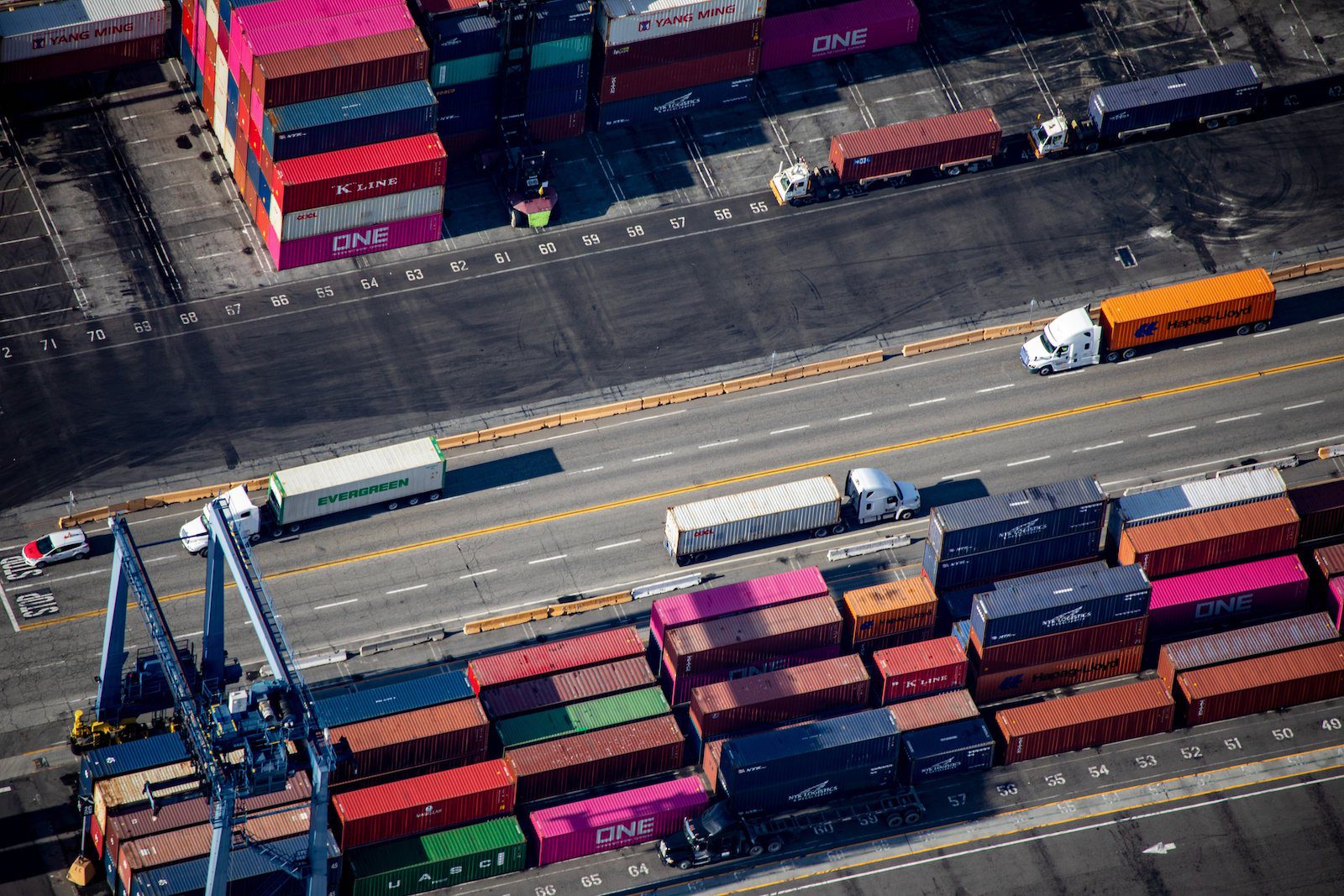
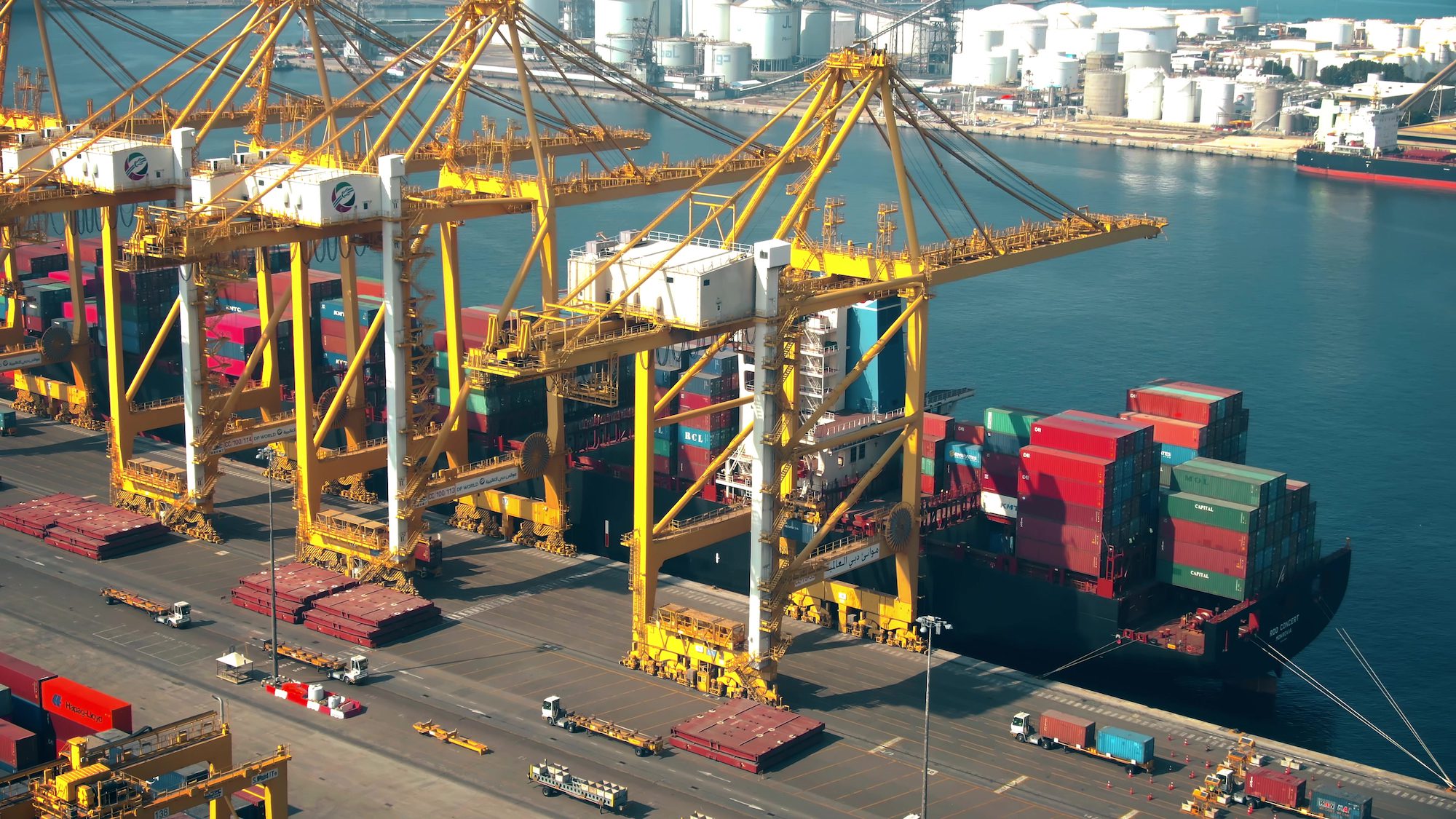
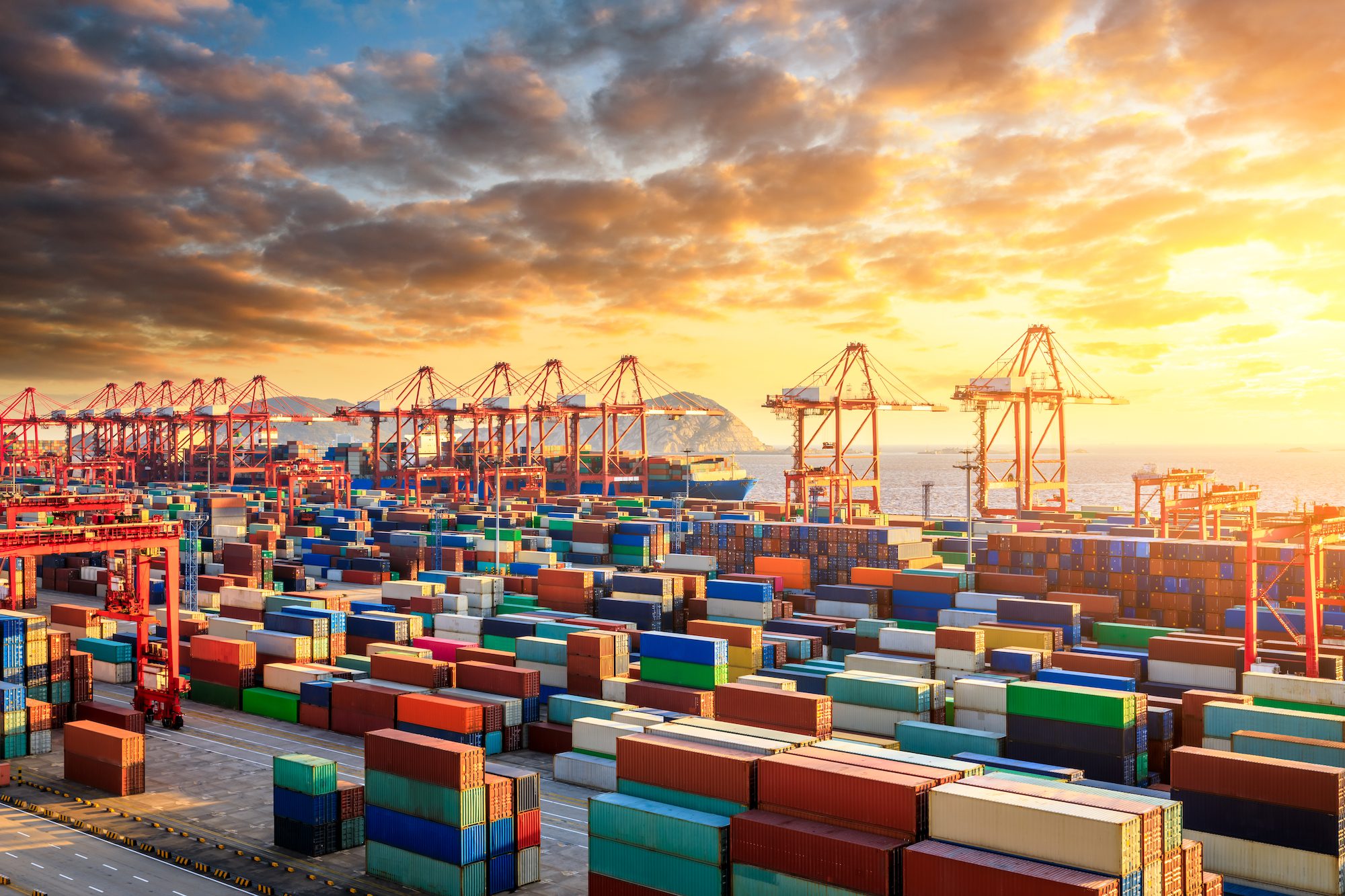
The Port of Los Angeles opened 2026 with softer cargo volumes, handling 812,000 TEUs in January — a 12% drop compared to the elevated levels seen a year ago.
The year-over-year comparison comes against unusually strong January 2025 numbers, when importers rushed shipments ahead of potential tariff hikes.
“We’re comparing to elevated cargo levels from last January when importers were scrambling to get cargo in ahead of tariffs,” Executive Director Gene Seroka said during a media briefing. “Inventories also remain slightly higher, reflecting that earlier surge and a more cautious pace of restocking.”
Loaded imports totaled 421,594 TEUs, down 13% from January 2025. Loaded exports fell 8% to 104,297 TEUs, while empty container volumes declined 12% to 286,110 TEUs.
The export side stood out for another reason: January marked the port’s lowest outbound volume in nearly three years.
“That’s our lowest monthly output in almost three years,” Seroka noted.
Despite the slowdown, port officials pointed to some signs of stability. Seroka said purchase orders placed roughly three months in advance with Asian manufacturers appear steady — a signal that consumer demand has not fallen off.
“U.S. trade policy continues to keep everyone on edge,” he said. “However, the American consumer has shown remarkable resilience.”
The January data highlights the balancing act facing U.S. supply chains in 2026. While consumer demand appears intact, trade policy uncertainty — including pending decisions at the U.S. Supreme Court tied to tariff authority — continues to shape shipping patterns at the nation’s busiest container gateway.
Editorial Standards · Corrections · About gCaptain

 Join The Club