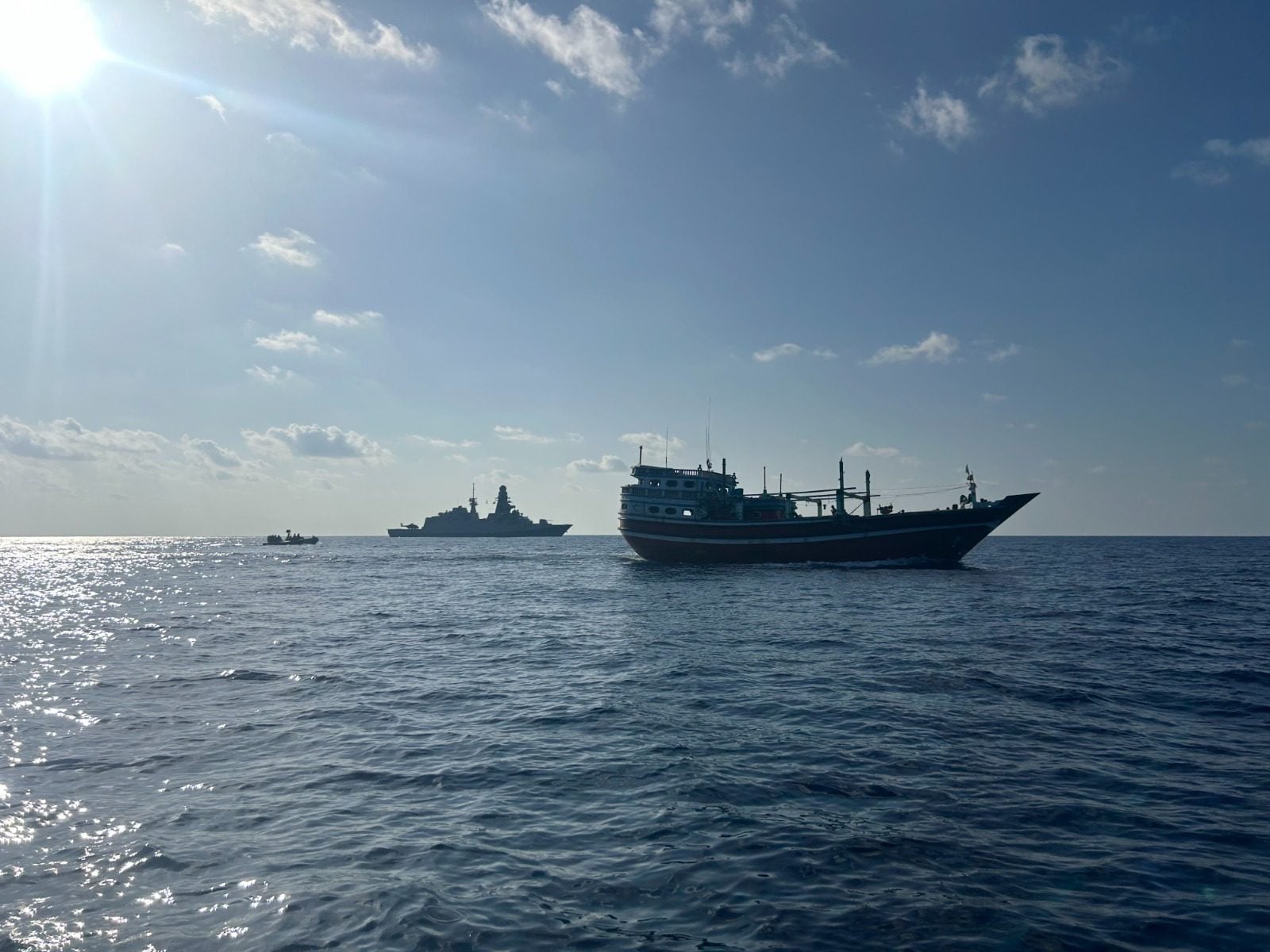
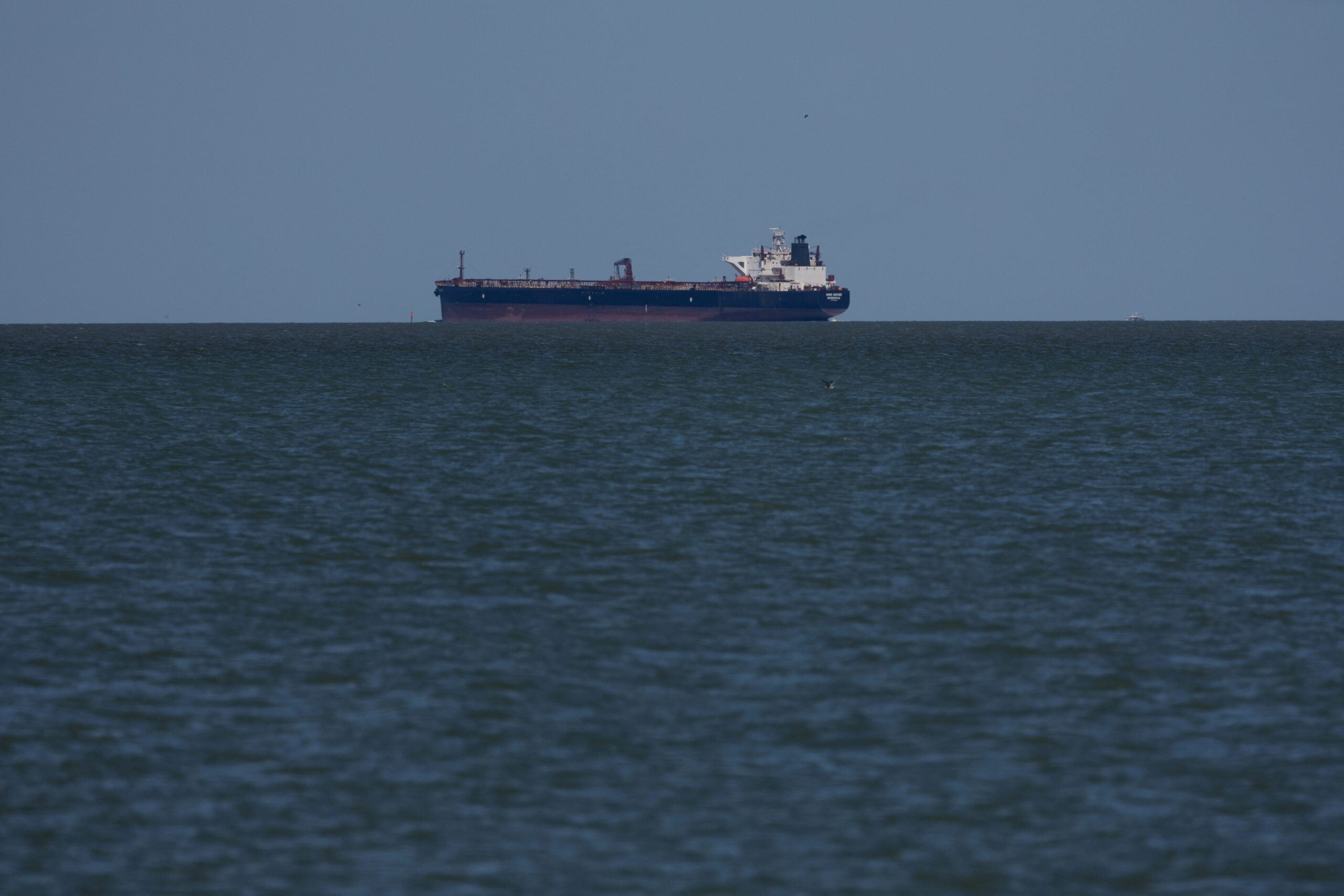
Piracy concerns are escalating rapidly off the Horn of Africa after two vessels were hijacked last week and multiple new approaches were reported across the western Indian Ocean, prompting security officials to raise the regional threat level.
In its latest assessment, the Joint Maritime Information Center said the Somali Coast and Somali Basin now face a credible piracy threat, citing confirmed boardings and a series of suspicious approaches in recent days.
“There are multiple indications of a credible piracy threat in the region,” the advisory said, urging mariners to maintain a vigilant watch and report suspicious activity to United Kingdom Maritime Trade Operations and MSCIO.
The warning follows a sharp escalation last week when pirates seized two commercial vessels within hours of each other off Somalia’s central coast, diverting both into territorial waters—tactics reminiscent of the region’s piracy peak.
New encounters suggest the threat is not isolated. On May 1, a bulk carrier transiting the Internationally Recommended Transit Corridor (IRTC) reported being approached by a skiff carrying seven armed individuals roughly 92 nautical miles southwest of Al Mukalla, Yemen.
Days earlier, a tanker operating roughly 500 nautical miles east of Somalia was approached by multiple small craft, including what appeared to be a mothership, before breaking off after spotting armed security.
The distances involved are a key concern for security analysts, pointing to renewed use of mothership-style operations that extend pirate reach far beyond coastal waters.
The latest escalation builds on a pattern that has been quietly re-emerging over the past two years.
Piracy incidents began ticking higher in late 2023 and into 2024, coinciding with the outbreak of Houthi attacks in the Red Sea that diverted naval attention and reshaped regional shipping patterns. During that period, several dhow hijackings and attempted boardings signaled that pirate networks had not disappeared, but were probing for openings.
Incidents involving hijacked fishing vessels repurposed as motherships—along with longer-range approaches in the Somali Basin—suggested a gradual rebuilding of capability.
While international naval operations, including EU-led patrols, were still able to disrupt some attacks, the trend pointed toward increasing coordination and ambition among pirate groups.
Now, that trajectory appears to be accelerating under the strain of a second major maritime crisis.
The ongoing U.S.–Iran conflict has pushed threat levels in the Strait of Hormuz and surrounding waters to “critical,” concentrating naval resources in the Arabian Gulf and Gulf of Oman. That shift may be creating exploitable gaps in the western Indian Ocean just as pirate activity intensifies.
At the same time, shipping routes disrupted by the on-going Red Sea crisis are concentrating traffic along alternative corridors near the Horn of Africa—raising exposure in precisely the areas where pirate groups are showing renewed reach.
For shipowners, the combination of confirmed hijackings, vessels still held, and repeated offshore approaches marks a clear escalation.
The JMIC warning underscores that piracy is once again an active operational threat, not a residual risk.
With global shipping already navigating war-risk premiums, rerouted trade flows, and heightened geopolitical tension, the re-emergence of Somali piracy adds another layer of uncertainty—one that could quickly reshape risk calculations across the Indian Ocean if attacks continue to intensify.

 Join The Club