Image (c) Canal de Panamá
By Eric Sabo
Jan. 5 (Bloomberg) — The Panama Canal Authority rejected claims from a group led by Sacyr SA, which has threatened to abandon expansion work if the waterway doesn’t meet a cost overrun amounting to about half the initial $3.1 billion contract.
Spanish builder Sacyr and Italy’s Impregilo SpA notified canal managers in a Dec. 30 letter that they would suspend work if their demands for an additional payment of $1.63 billion aren’t met. Panamanian President Ricardo Martinelli is meeting with Ana Pastor, Spain’s Public Works Minister, in the capital of Panama City today to help resolve the dispute.
“The notice of intent to suspend work is not valid and the arguments raised by the contractor in the note lack legal basis and are not clear,” the Panama Canal Authority, known as ACP, said in an e-mailed statement today. “If the contractor does not fulfill its commitment, the contract includes mechanisms to ensure that the project is completed.”
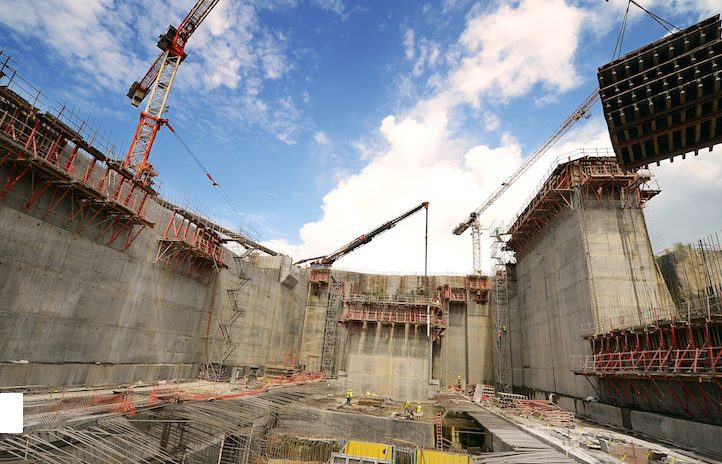
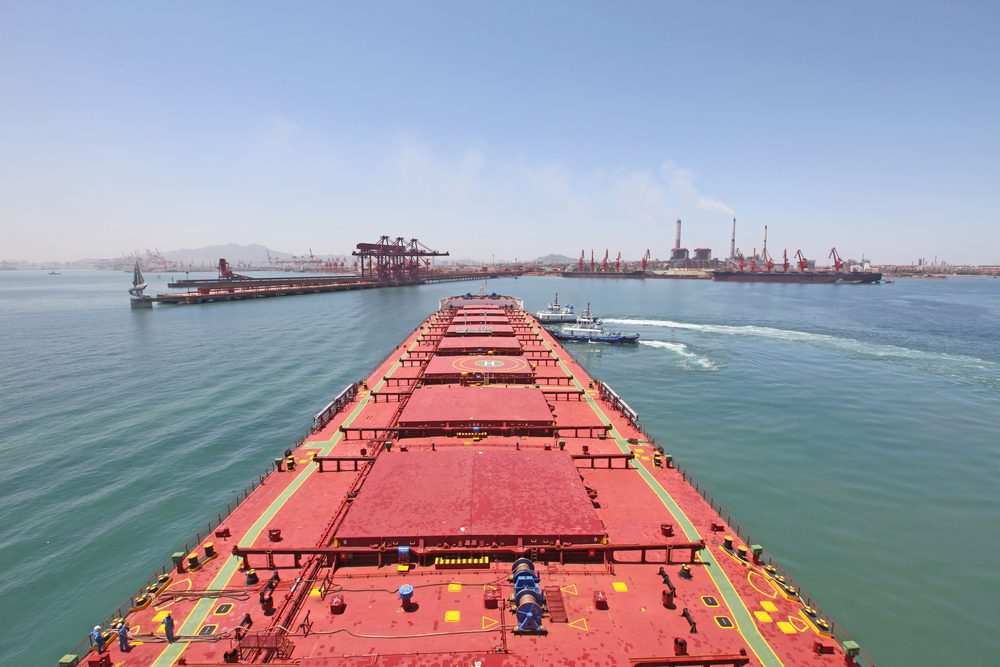
The European builders beat rivals including San Francisco, California-based Bechtel Group Inc. to win the contract in 2009 as part of an expansion that will allow larger ships in the waterway that connects the Pacific and Atlantic oceans. They are due to build a third set of locks to accommodate bigger vessels in the 80 kilometer (50-mile) canal, shortening voyages from the U.S. to Asia and potentially reducing transport costs for commodities such as liquefied natural gas.
Sacyr claimed that the Panama Canal is responsible for breaches of contract and that it has been asking managers to meet the cost overrun. In its statement today, the Canal Authority said they have concerns over the group’s work on the $5.25 billion expansion, including reducing staff to build the locks and “apparent intention to slow down performance.”
The canal, which opened almost a century ago, is used to ship manufactured goods to America’s East Coast from Asia as well as for deliveries in the opposite direction of energy and commodities from ports in the Caribbean, Latin America and the U.S. About 14,000 vessels use the canal each year, according to the Panama Canal Authority’s website.
Copyright 2014 Bloomberg.
Tags:
Editorial Standards · Corrections · About gCaptain
This article contains reporting from Bloomberg, published under license.

 Join The Club