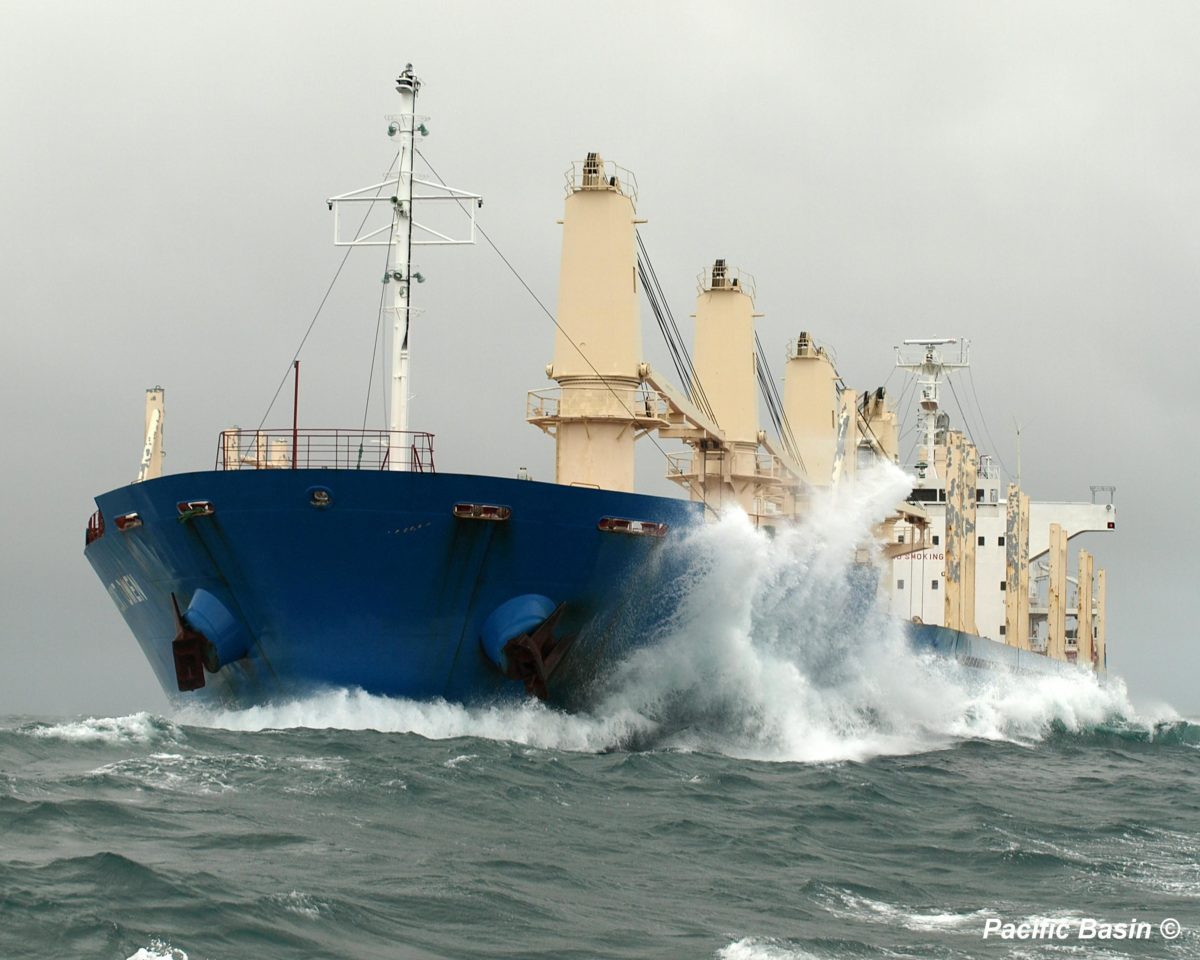
(Bloomberg) — Pacific Basin Shipping Ltd., Hong Kong’s biggest dry-bulk carrier, posted its first annual loss since listing in 2004 after a $199 million write-off against vehicle-carrying ships and falling rates for moving commodities.
The net loss of $158.5 million compared with a profit of $32 million a year earlier, the company said in a filing to Hong Kong stock exchange today. That was smaller than the average $189.9 million loss of 11 analysts’ estimates compiled by Bloomberg. Sales rose 10 percent to $1.44 billion.
Pacific Basin, in September, agreed to sell all six of its RoRo, or roll-on, roll-off, ships with forward deliveries after making a $190 million first-half writedown against the vessels as the European debt crisis damped rates. Chief Executive Officer Mats Henrik Berglund, who took over in June, said the company will revert to its traditional focus of operating handysize and handymax dry-bulk ships as well as tugs.
“Pacific Basin has to cope with falling rates even though we believe it outperforms peers,” Bonnie Chan, a Hong Kong- based analyst with Macquarie Group Ltd., said before the earnings were released. “Its core handysize segment should be the first to recover within the dry-bulk industry as it has seen the slowest supply growth in 2012.”
The ship operator said it plans to pay a final dividend of 5 Hong Kong cents per share, unchanged from a year earlier.
Pacific Basin rose 3.2 percent to HK$4.57 at the close in Hong Kong trading, before the earnings were released. The stock has gained 12 percent in the past year, outperforming the 6.7 percent advance in the benchmark Hang Seng Index.
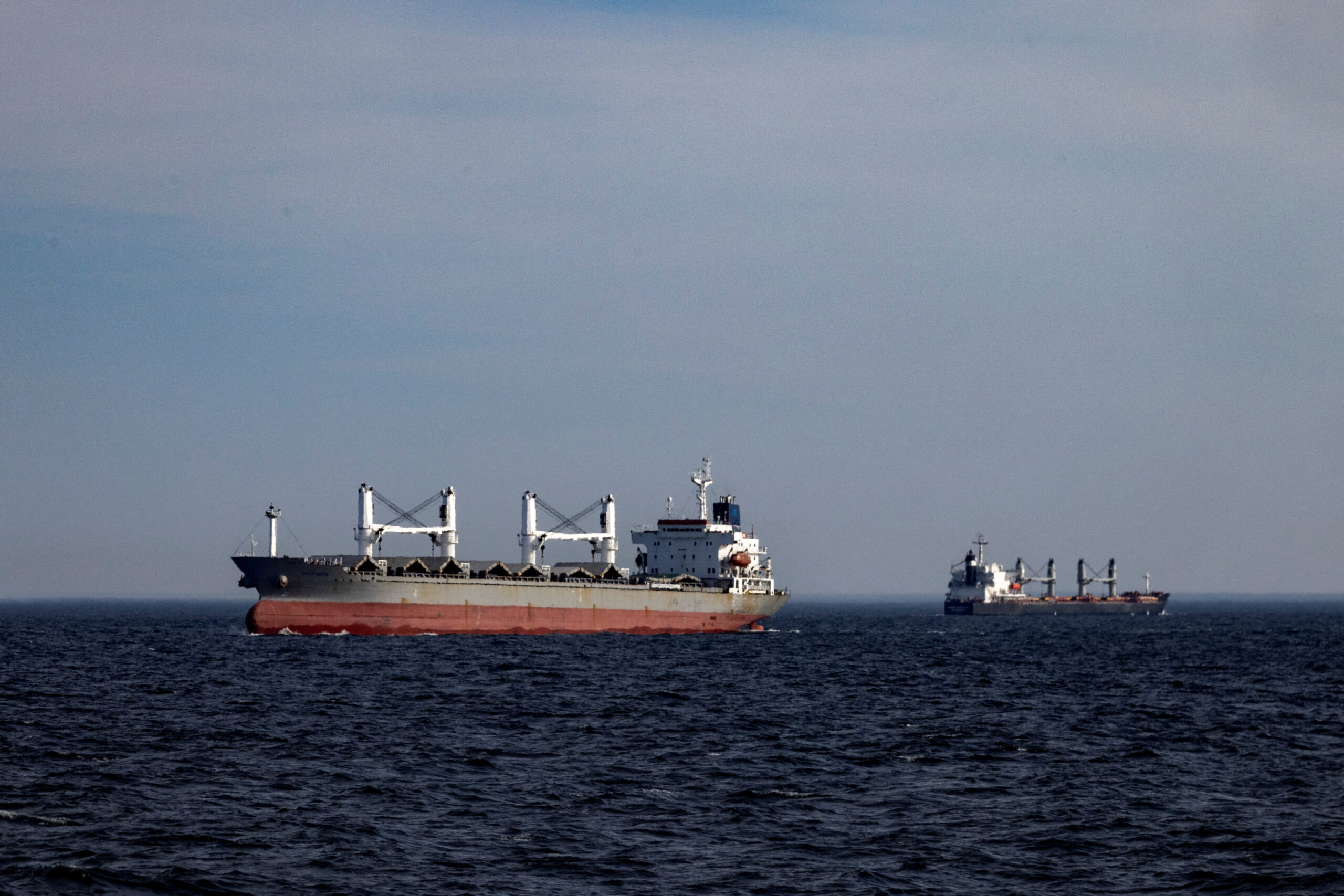
Pacific Basin has bought eight ships since September. The carrier has a total fleet of 239 vessels including new ship orders, it said in the statement. The company uses small types of vessels, mainly handysize and handymax, to move commodities including metals, logs and grains.
The Baltic Dry Index, the benchmark for rates for hauling commodities, rose 0.5 percent to 745 points in London yesterday. It slumped to a 25-year low last year.
Twenty-two seafarers remain missing after the Panama-flagged bulk carrier Ocean Winner sank in the Bay of Bengal, triggering a major search and rescue operation involving the Indian Coast Guard and passing merchant...
The long-term safety record for bulk carriers continues to improve, but the industry faces an increasingly complex risk environment that extends beyond traditional operational hazards, according to INTERCARGO’s latest casualty...
July 7, 2026
Total Views: 1074
Get The Industry’s Go-To News
Subscribe to gCaptain Daily and stay informed with the latest global maritime and offshore news
— just like 106,746 professionals
Secure Your Spot
on the gCaptain Crew
Stay informed with the latest maritime and offshore news, delivered daily straight to your inbox
— trusted by our 106,746 members
Your Gateway to the Maritime World!
Essential news coupled with the finest maritime content sourced from across the globe.

 Join The Club