More than a decade after Malaysia Airlines Flight MH370 vanished with 239 people aboard, a renewed search effort has officially begun in one of the world’s most remote maritime regions, raising hopes of finally solving aviation’s greatest mystery.
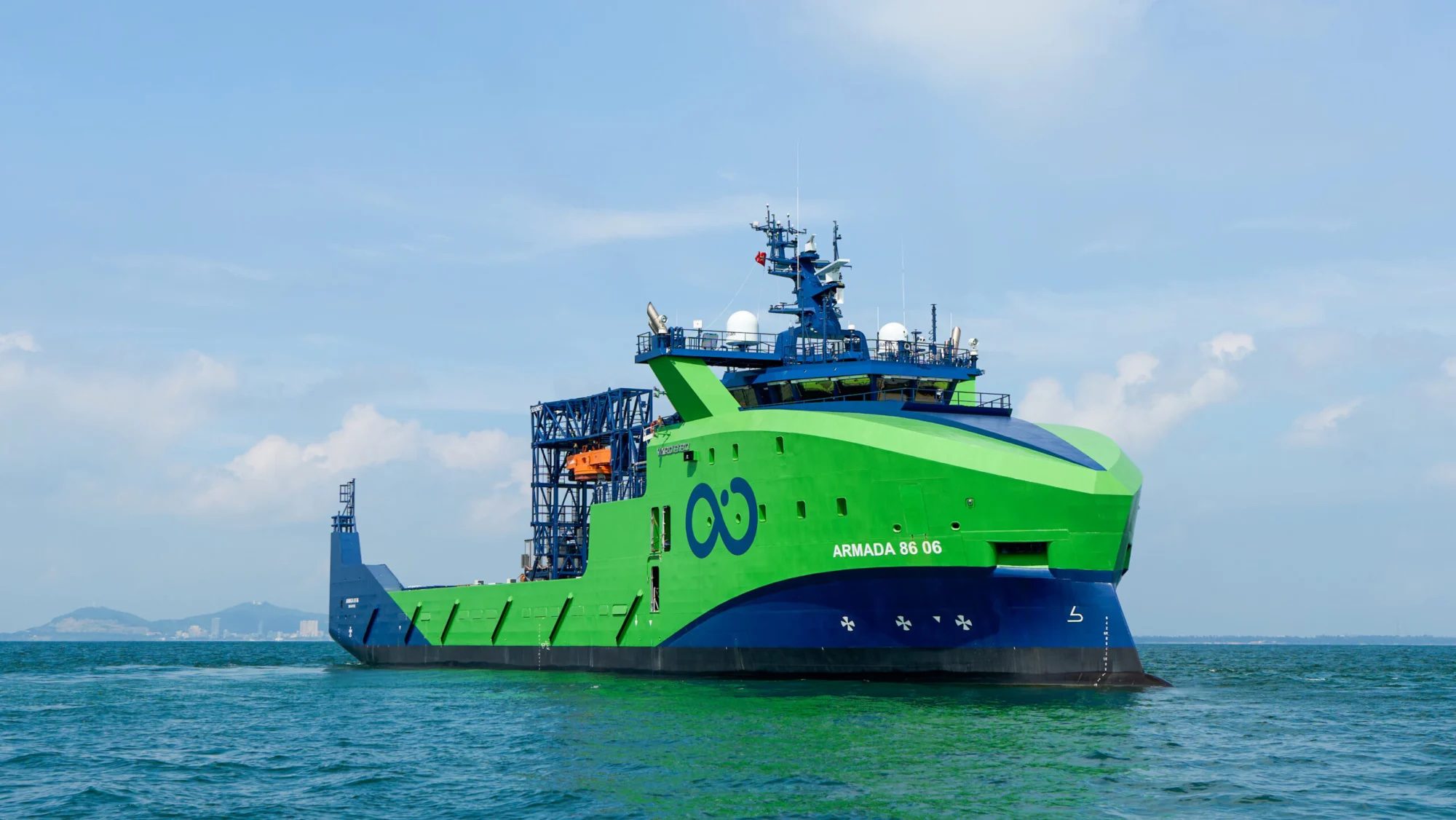
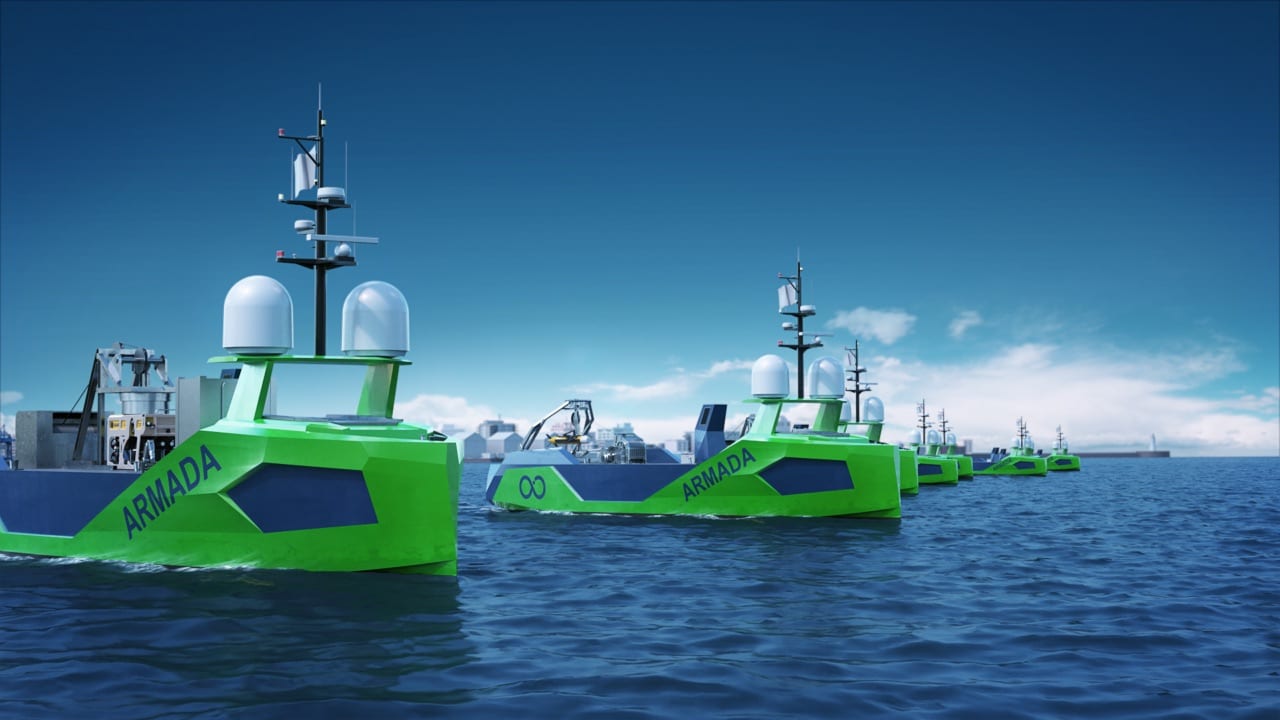
The Singapore-flagged multipurpose vessel Armada 86 05 departed Kwinana anchorage, Australia, on December 23 and has been sailing westward into the Indian Ocean at around 10.5 knots, according to ship tracking data from MarineTraffic. The 86-meter vessel is equipped with advanced sonar systems capable of operating at depths of several thousand meters, with the mission focusing on areas not fully covered during earlier search efforts.
Ocean Infinity, the U.S. exploration firm conducting the search, issued a brief statement acknowledging the operation: “With the support of the Malaysian Government, we are resuming the search for the missing aircraft MH370. Due to the important and sensitive nature of this search, formal communications will come through the Malaysian Government.”
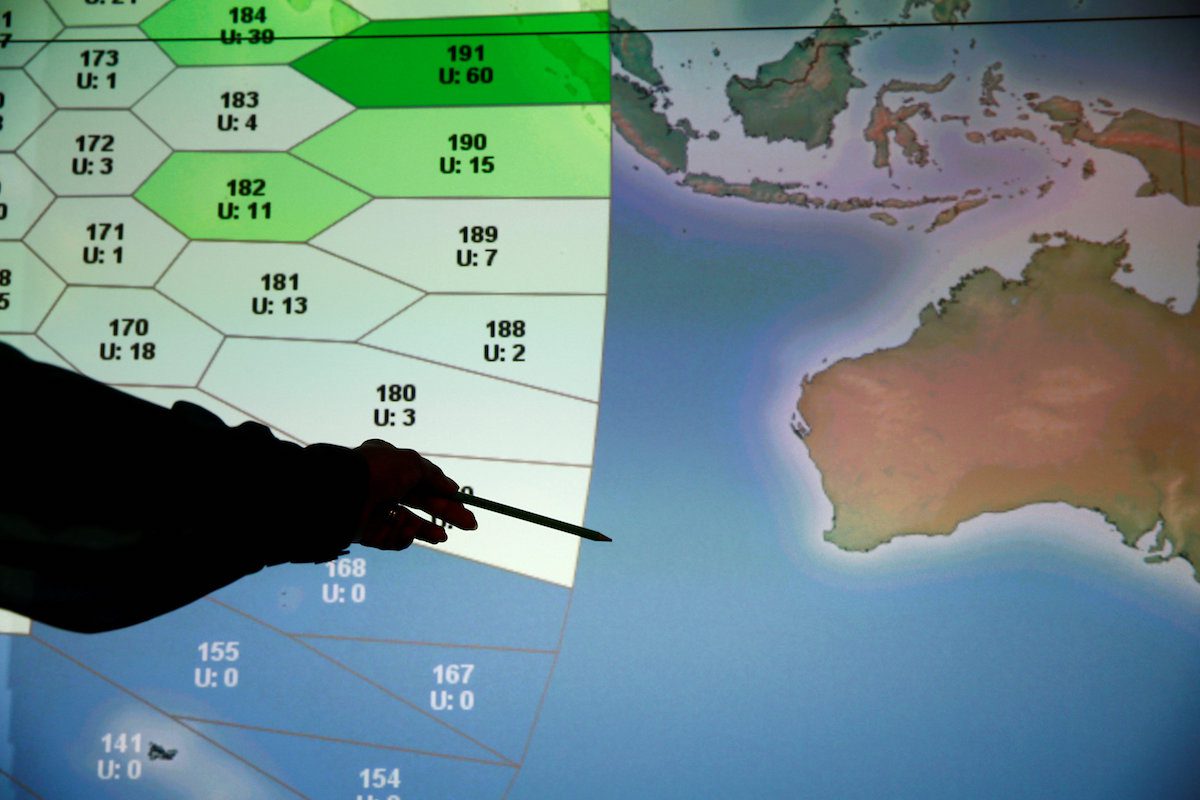
The search targets a large area in the Southern Indian Ocean, informed by updated satellite and drift analysis.
In February, Malaysia’s Transport Minister confirmed that while the government had given principle approval for the search to resume, the formal contract with Ocean Infinity had not yet been signed. As previously reported, Ocean Infinity’s proposal calls for an 18-month effort expanding the previous search area by 15,000 square kilometers, with January to April offering the best operational window.
The Boeing 777 disappeared on March 8, 2014, while carrying 227 passengers and 12 crew en route from Kuala Lumpur to Beijing. The aircraft’s last transmission occurred about 40 minutes after takeoff as it entered Vietnamese airspace over the Gulf of Thailand. Shortly after, its transponder was turned off.
Military radar tracked the plane as it deviated from its flight path, flying back over northern Malaysia and into the Andaman Sea before turning south, where all contact was lost. Since then, debris confirmed or believed to be from the aircraft has washed up along the African coast and on islands in the Indian Ocean.
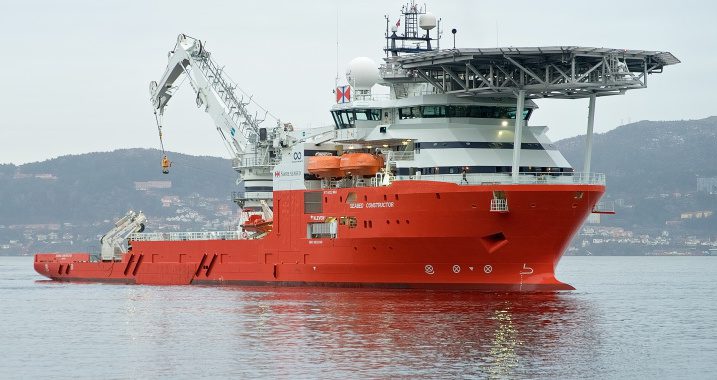
This marks Ocean Infinity’s third attempt to locate the wreckage. The company conducted two previous searches in 2018 in the southern Indian Ocean, both of which were unsuccesful. Those efforts followed an extensive underwater search by Australia, China, and Malaysia covering 120,000 square kilometers of the southern Indian Ocean, based on records of automatic connections between an Inmarsat satellite and the aircraft.
A 495-page report into the disappearance concluded in 2018 that the Boeing 777’s controls were probably deliberately manipulated to go off course, but investigators could not determine who was responsible. The report stopped short of offering a final conclusion, noting that would depend on finding the wreckage. Investigators found nothing suspicious in the background, financial affairs, training, or mental health of either the captain or co-pilot.

 Join The Club