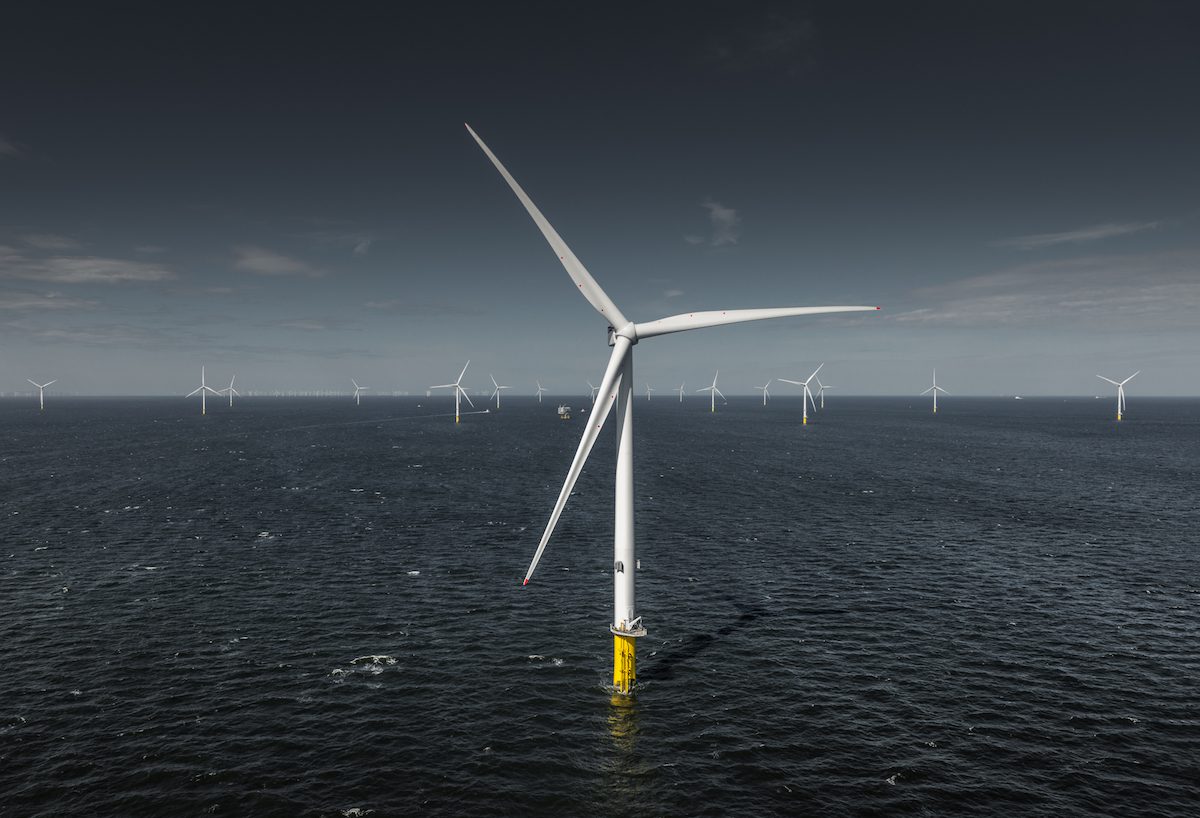
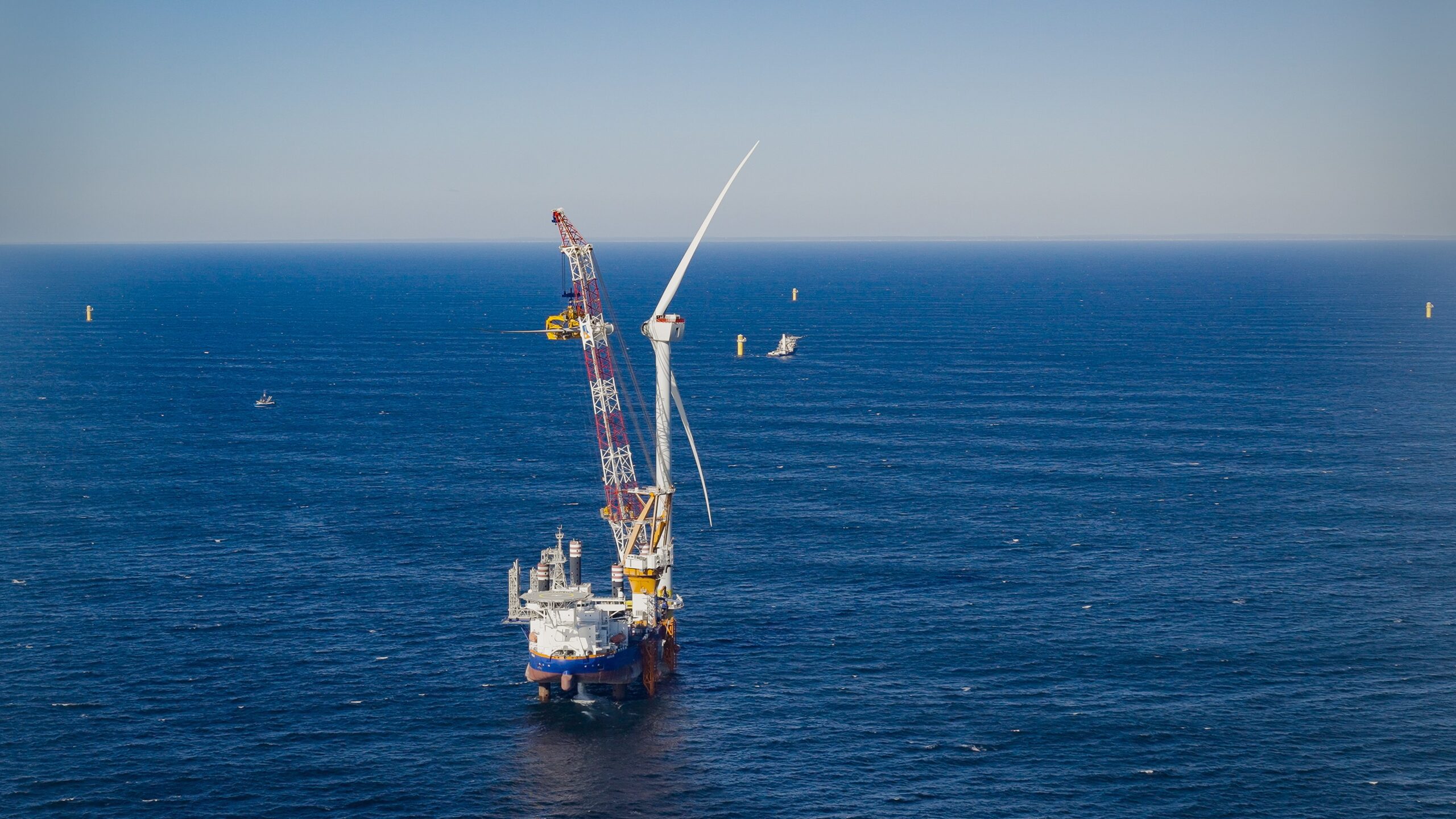
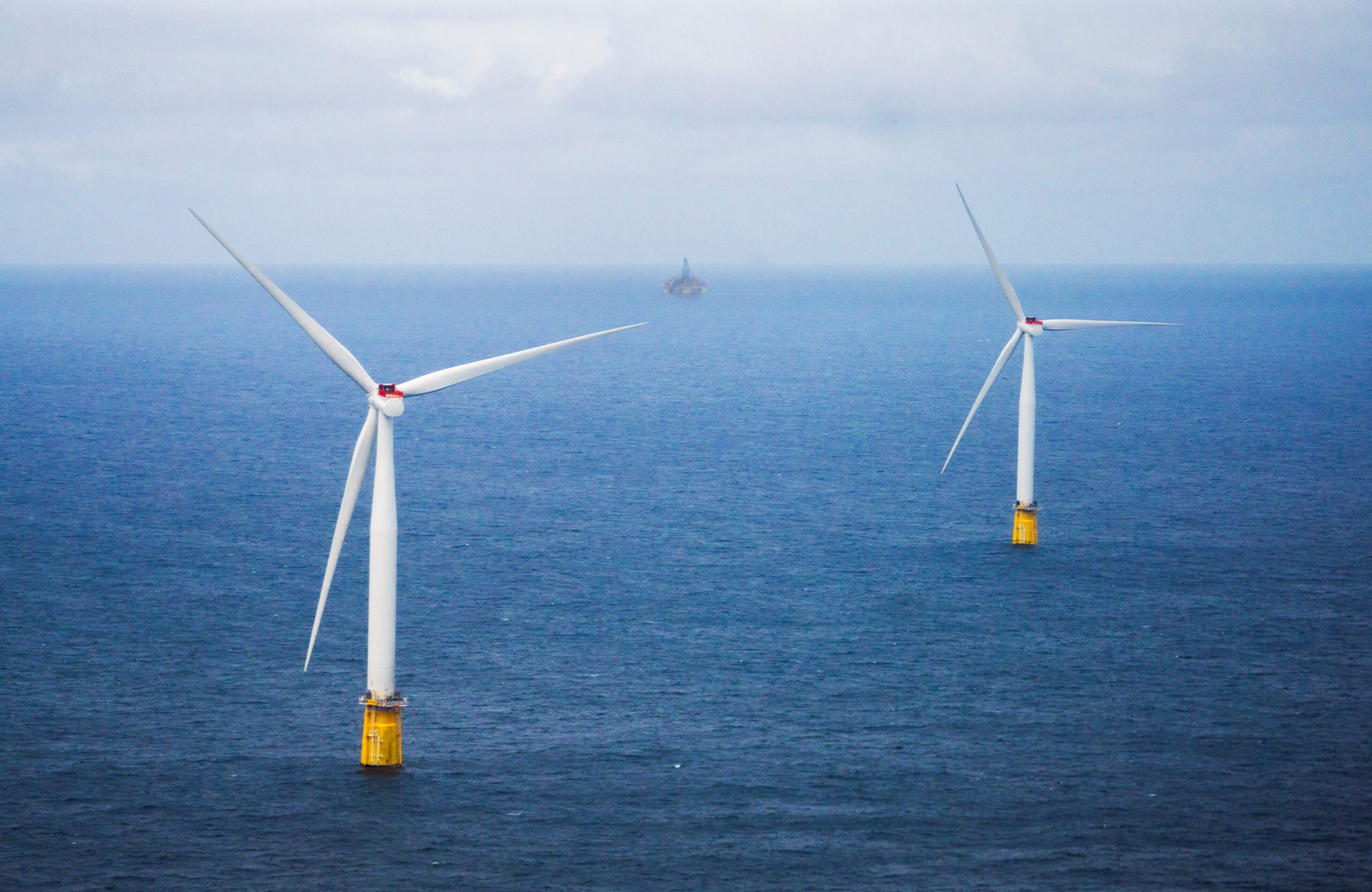
UK Energy Secretary Ed Miliband signed a landmark clean energy security agreement with European allies on Monday at the North Sea Summit in Hamburg, committing to deliver 100 gigawatts of joint offshore wind capacity by 2050 — even as the global offshore wind sector grapples with rising costs and weakening growth forecasts.
Known as the Hamburg Declaration, the pact marks the first time North Sea nations have formally agreed to develop offshore wind through coordinated cross-border projects, including so-called “offshore wind hybrid assets” that link wind farms directly to multiple countries via shared interconnectors. The agreement brings together ministers from Belgium, Denmark, France, Germany, Iceland, Ireland, Luxembourg, the Netherlands, and Norway in a collective effort to transform the North Sea into what organizers describe as the world’s largest “clean energy reservoir.”
“We are standing up for our national interest by driving for clean energy, which can get the UK off the fossil fuel rollercoaster and give us energy sovereignty and abundance,” Miliband said at the summit “After our record renewables auction, we today went further by signing a clean energy security pact with European allies to ensure we maximise the clean energy potential for the North Sea.”
The sweeping commitment comes amid mounting challenges for the offshore wind industry. Just three months ago, the International Energy Agency warned in its Renewables 2025 report that offshore wind growth projections have fallen by roughly 25% compared with last year’s forecast.“Offshore wind stands apart, however, with a weaker growth outlook – around a quarter lower than in last year’s report – resulting from policy changes in key markets, supply chain bottlenecks and rising costs,” the IEA said.
UK officials point to recent domestic progress as evidence that momentum can be sustained. Earlier this month, Britain’s latest offshore wind auction secured 8.4 GW of new capacity — the largest in European history — while supporting 7,000 jobs and unlocking £22 billion in private investment.
The Hamburg agreement builds on earlier energy security pledges made in the wake of Russia’s invasion of Ukraine, when North Sea nations committed to developing 300 GW of offshore wind by mid-century. Under the new pact, one-third of that capacity is now targeted to come from joint projects.
Jane Cooper, Deputy Chief Executive of RenewableUK, said the deal underscores offshore wind’s central role in Europe’s long-term energy strategy.“
This ambitious announcement to build a vast number of new offshore wind farms jointly with our European partners will increase the energy security of the UK and the whole of the North Sea region significantly,” Cooper said. “This historic declaration puts offshore wind right at the heart of Europe’s power system, with the UK leading the way.”
Industry leaders broadly welcomed the initiative, while cautioning that execution will be complex. Ben Wilson, President of National Grid Ventures, described the agreement as “a step towards a more integrated energy system in the North Seas,” adding that projects such as LionLink are “important for maximising the efficient use of resources, reducing costs, and minimising the impact on coastal communities.”
The summit also produced concrete follow-on measures, including a statement of intent signed with Germany, Belgium, Denmark, and the Netherlands to accelerate cross-border offshore electricity projects through coordinated planning and shared cost structures. Separately, the UK and Germany agreed on a framework to deepen cooperation on offshore hybrid assets, positioning British firms to play a leading role in next-generation grid technologies.
Dhara Vyas, Chief Executive of Energy UK, warned that delivering the pact would require sustained political and regulatory alignment.“
Delivering the goal of 100 GW of offshore cooperation projects by 2050 will require a relentless focus on maintaining the momentum of UK-EU alignment on electricity market coupling and ETS linkage,” Vyas said. “This deeper cooperation on supply chains, standardisation, and shared infrastructure is not just a strategic necessity, it is the most effective way to bring down energy costs for households and businesses while fuelling sustainable economic growth and high-value jobs for years to come.”
At the core of the agreement is a rapid expansion of subsea interconnector networks, enabling clean electricity to flow seamlessly between national grids — a strategy aimed at reducing exposure to volatile fossil fuel markets while improving overall system resilience.“
In an increasingly volatile world, this deal sets ambitious targets for UK and European offshore wind collaboration,” said Enrique Cornejo, Energy Policy Director at Offshore Energies UK. “100 GW from such joint projects would become a major part of our shared North Sea energy mix, which will include oil, gas and also hydrogen for decades to come. Affordable and secure energy is key to the UK’s future and to those of our European partners.”
Whether the Hamburg Declaration can overcome persistent supply chain bottlenecks, policy uncertainty, and escalating project costs remains an open question. But with geopolitical tensions continuing to reshape global energy markets, European governments are betting that cross-border offshore wind cooperation offers their clearest path toward long-term energy security.
Editorial Standards · Corrections · About gCaptain

 Join The Club