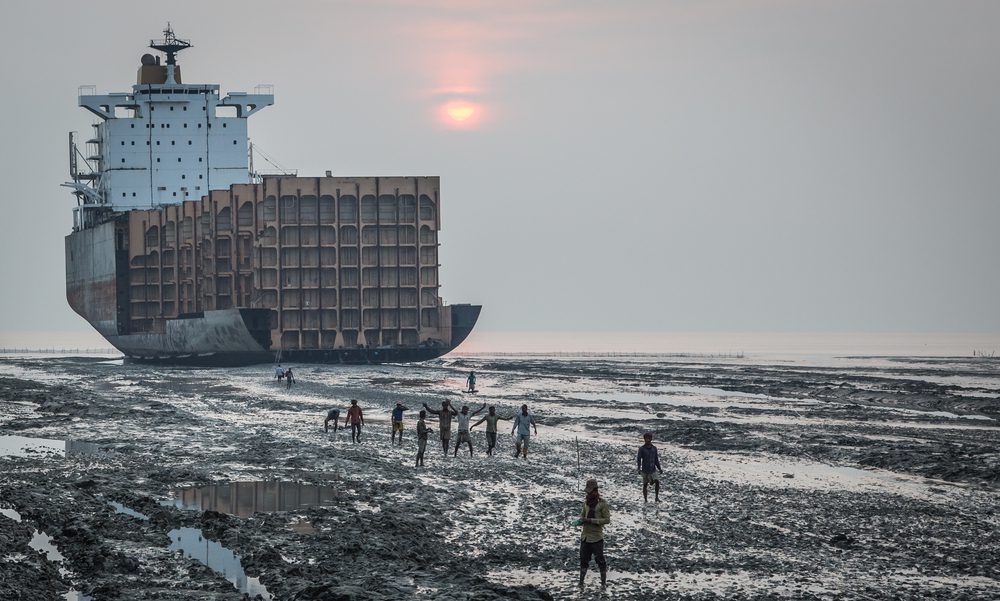
Nine workers were killed after being exposed to toxic gas while dismantling an LNG carrier at a shipbreaking yard in Bangladesh, renewing scrutiny of safety conditions at South Asian recycling facilities.
The accident occurred August 14 aboard the LNG carrier Rasi at the Ferdous Steel shipbreaking yard in Chattogram, according to the NGO Shipbreaking Platform. A 17-year-old was among those killed, while several other workers were injured.
The deaths are particularly notable because Ferdous Steel is certified as compliant with the Hong Kong International Convention for the Safe and Environmentally Sound Recycling of Ships, which entered into force last year.
According to the NGO Shipbreaking Platform, Bangladesh’s Department of Inspection for Factories and Establishments had taken legal action against Ferdous Steel just one month before the accident following repeated occupational safety failures. The Bangladesh Environmental Lawyers Association has since called for an independent investigation and the shutdown of the yard.
The incident adds to a growing number of accidents at Bangladesh’s shipbreaking yards since the Hong Kong Convention entered into force in June 2025.
Citing The Daily Star, the NGO Shipbreaking Platform said 84 accidents have occurred at Bangladeshi yards since then, killing 15 workers and injuring another 81.
The organization said the latest deaths highlight what it sees as a gap between international certification and actual working conditions at ship recycling facilities.
The vessel involved, Rasi (IMO 9176008), is the former HL Ras Laffan, previously owned by South Korea’s H-Line Shipping. The NGO Shipbreaking Platform said shipping databases link the vessel’s sale for recycling to cash buyer GMS. The organization had warned in March 2025 that H-Line was preparing to retire the vessel while criticizing the company’s use of South Asian shipbreaking yards.
The group is calling on Bangladeshi authorities to conduct an independent investigation, hold those responsible accountable and increase unannounced inspections of recycling facilities.
The accident also comes as the European Union considers whether to approve ship recycling facilities in South Asia that use the controversial beaching method.
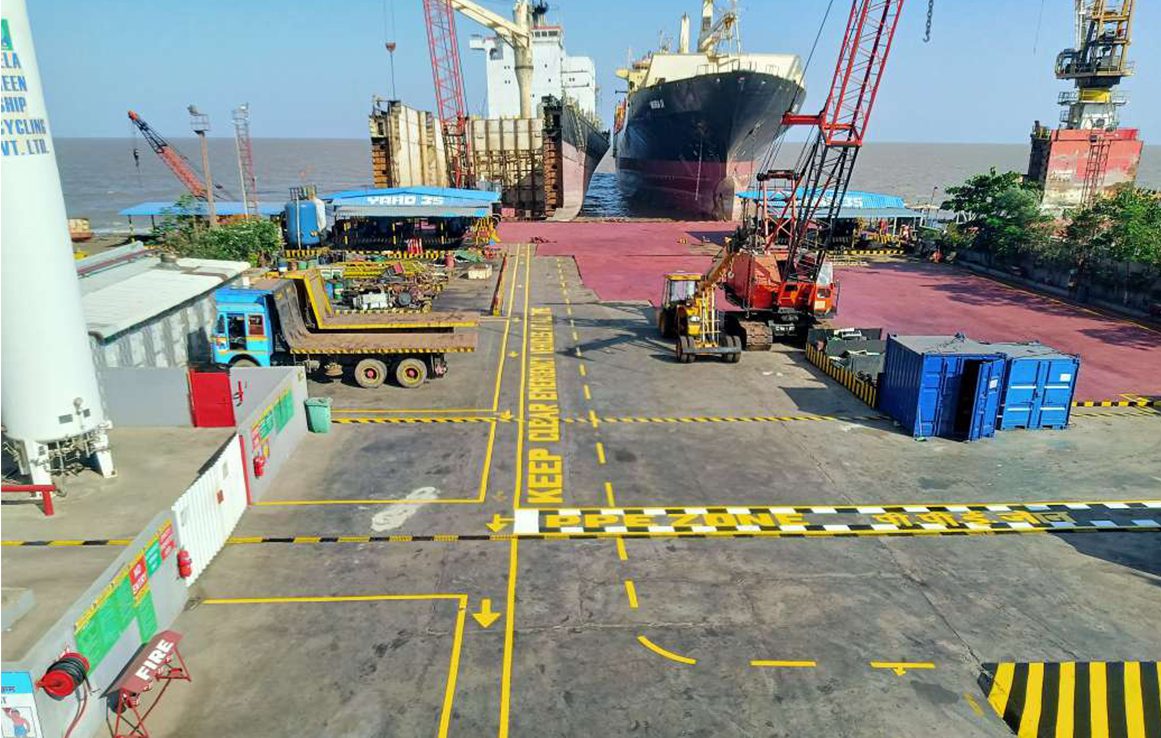
The European Commission recently proposed adding two Indian facilities in Alang—Shree Ram Vessel Scrap/Shree Ram Shipping Industries and YSI Recyclers—to the European List of approved ship recycling facilities. Both dismantle vessels using beaching, in which ships are driven onto tidal mudflats before being cut apart.
Environmental groups have strongly opposed the proposal, arguing that beaching makes it difficult to contain oil, heavy metals and other hazardous materials and undermines the stricter environmental protections of the EU Ship Recycling Regulation.
The European Commission, however, determined after reviewing the applications that the two Indian yards meet the requirements of the EU regulation governing safe and environmentally sound ship recycling. A public consultation on the proposal remains open through August 30.
The Hong Kong Convention entered into force on June 26, 2025, establishing the first mandatory global framework governing ship recycling. It requires ships heading for demolition to maintain inventories of hazardous materials and recycling facilities to prepare vessel-specific recycling plans, while placing responsibility on governments to ensure yards comply with the convention.
Bangladesh, India and Pakistan—all major destinations for end-of-life ships—are parties to the convention. Critics, however, have long argued that its failure to prohibit beaching leaves workers and coastal environments exposed to unacceptable risks.
Editorial Standards · Corrections · About gCaptain

 Join The Club