Hello Club Members! Here is your weekly Dispatch with all the maritime news you need to know to end your week.
Photo of the Week
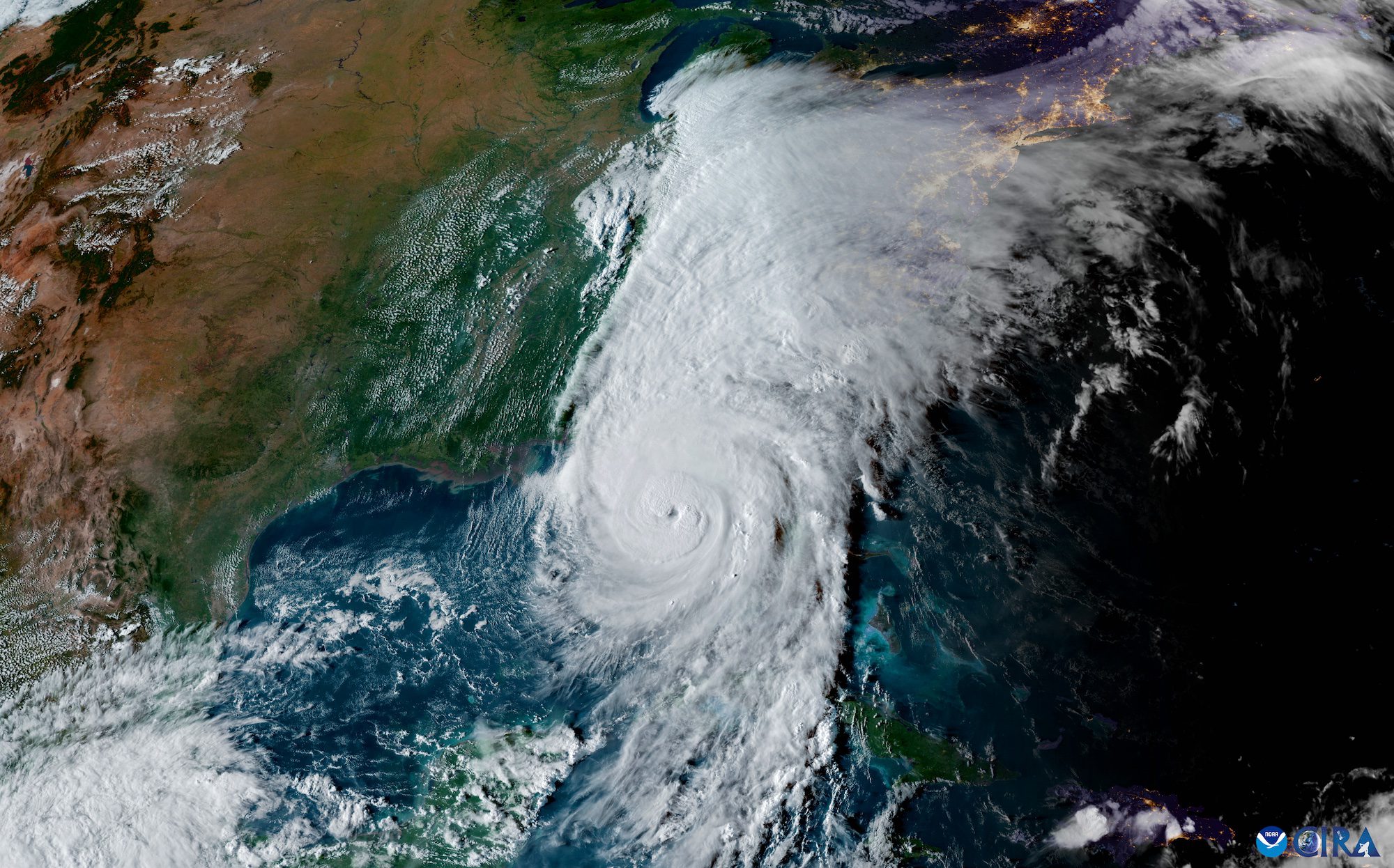
Sunlight fades on powerful Hurricane Helene, September 26, 2024. Photo credit: CIRA
Top Stories
Countdown to Potential Port Strike
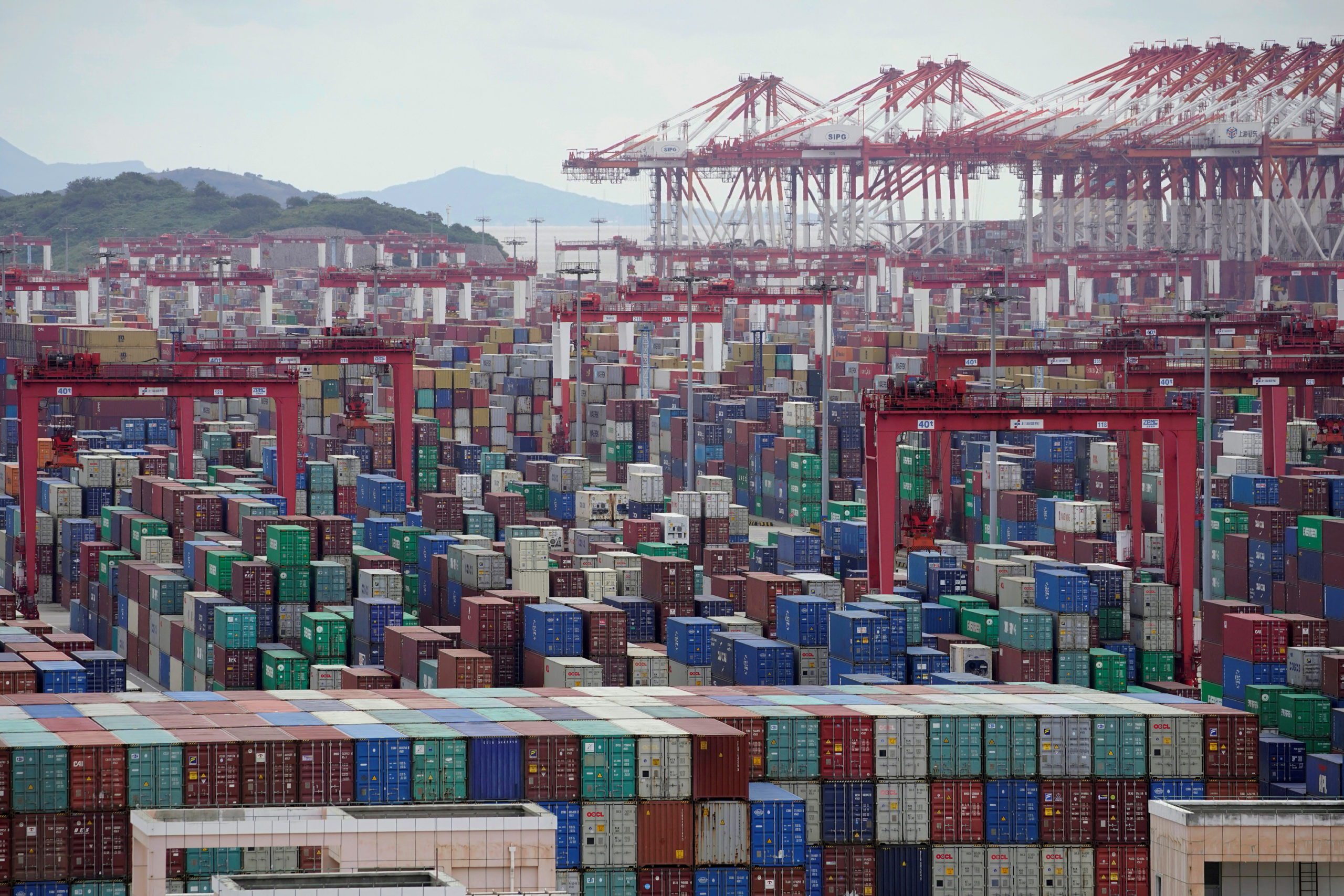
As the September 30 deadline approaches, U.S. East and Gulf Coast ports stand on the brink of a massive strike as the International Longshoremen’s Association (ILA) and United States Maritime Alliance (USMX) remain deadlocked in Master Contract negotiations. The ILA has dismissed a USMX’s unfair labor practice charge with the National Labor Relations Board (NLRB as a “publicity stunt,” while the USMX accuses the ILA of stalling negotiations. The ILA counters that foreign-owned companies are reaping profits without fairly compensating workers.
With 45,000 dockworkers poised to strike on October 1st, the maritime industry braces for disruption. Shipping giants warn of rate hikes and logistical chaos. With a strike seeming increasingly likely, the focus shifts to its potential duration. Experts warn that a strike could cost the U.S. economy about $5 billion daily and cause ripple effects potentially lasting into 2025.
The U.S. Navy’s replenishment ship USNS Big Hornsustained damage after refueling the USS Abraham Lincoln strike group in the Arabian Sea, officials confirmed. The Military Sealift Command oiler was towed “dead stick” into Duqm, Oman, on September 25 following a grounding that caused a rudder break and partial flooding. While the full extent of the damage is still under investigation, the Big Horn’s crew is safe, and no oil leaks have been reported. Despite this setback, officials assure that fleet operations can continue, with destroyers capable of refueling in port and supplying fuel to the Lincoln’s aircraft.
Sub Down: China’s Naval Setback Makes Waves
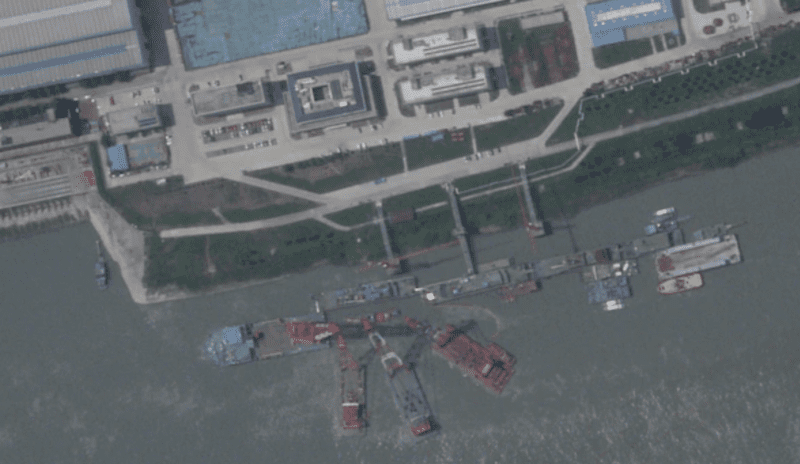
Floating cranes at the Wuchang shipyard pier were the Zhou-class submarine sank days after the incident. (Source: Planet Labs)
China’s first Zhou-class nuclear-powered submarine sank at the Wuchang shipyard earlier this summer, dealing a blow to the country’s naval modernization efforts. First reported by The Wall Street Journal, satellite images captured the dockside incident and subsequent recovery efforts. The Zhou-class sub, known for its stealth capabilities, was unveiled in 2022 and represents China’s push to rival U.S. naval supremacy. However, experts point to the failure as a sign of China’s inexperience and rigid military hierarchy. As China ramps up its naval ambitions, including carrier deployments and Arctic patrols, this setback underscores the growing pains in its quest to challenge U.S. dominance.
50 Years of SOLAS
As the maritime world marked World Maritime Day this week, the focus is on the 50th anniversary of the SOLAS convention, a cornerstone in global maritime safety. This year’s theme, “Navigating the Future: Safety First!”, highlights the ongoing importance of safety amidst rapid technological change. Since 1974, SOLAS has set international standards that have saved countless lives at sea. But as the industry navigates challenges like AI-managed ships, green fuels, and cyber threats, leaders warn against complacency. “Safety must remain a priority,” said IMO Secretary-General Arsenio Dominguez, emphasizing that while technology evolves, the commitment to protecting lives must stay the course.
Red Sea Guidance: Better Late Than Never
The Joint Industry Security Group (JISG) has published some long-awaited guidance for shipping in the Southern Red Sea and Gulf of Aden, warning of increased risks from Houthi forces targeting merchant vessels with anti-ship missiles, drones, and explosive-laden skiffs. Attacks are now directed at ships not only linked to Israel, the U.S., and the U.K., but also those associated with companies that have had vessels dock at Israeli ports in the past two years. Following the hijacking of the Galaxy Leader, over 30 ships have been damaged, prompting shipping companies to reroute and avoid the region. Naval forces, including Operation Aspides and Task Force 153, are actively patrolling, but operators are urged to remain vigilant and follow strict security measures.
Rising Risks in the Eastern Mediterranean
Maritime security firm Ambrey has issued a stark warning about escalating dangers for vessels in the Eastern Mediterranean as tensions between Israel and Hezbollah heat up. With airstrikes intensifying, the port of Haifa is at “heightened risk” of becoming a Hezbollah target, while Lebanese ports, including Beirut, face “moderate risk” and potential naval blockades. Ambrey highlights the threat of collateral damage to other Israeli ports, as militant groups like Hamas and Houthi may also join the fray. The firm urges vessels to implement risk mitigation plans and prepare for potential security incidents as the conflict shows no signs of easing.
Patriot State Sets Sail
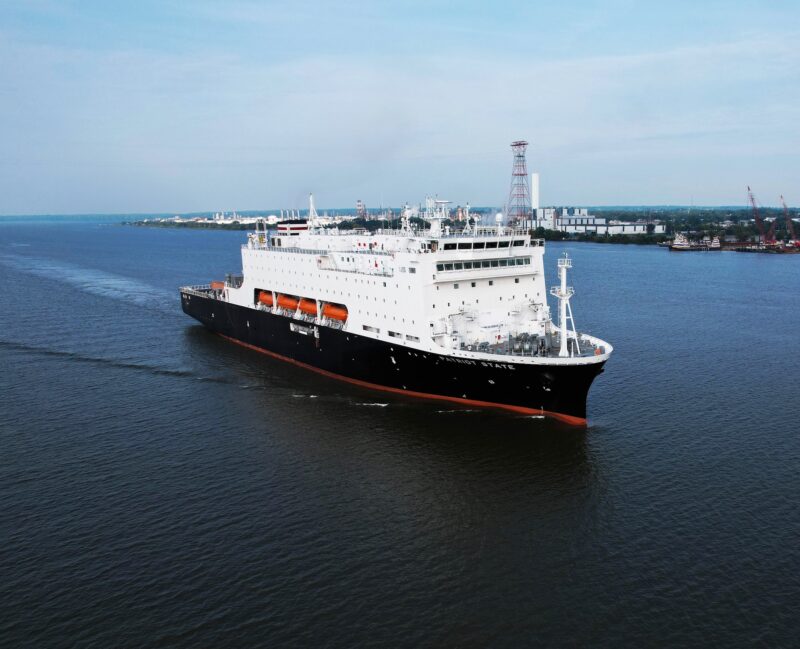
The NSMV II, named Patriot State. Photo courtesy Philly Shipyard
Philly Shipyard has delivered the Patriot State, the second of five advanced National Security Multi-Mission Vessels (NSMVs), marking a leap forward in U.S. maritime education and disaster relief capabilities. Destined for Massachusetts Maritime Academy, the vessel is part of the U.S. Department of Transportation’s Maritime Administration (MARAD) program to modernize the nation’s training fleet. Equipped for both mariner education and humanitarian missions, the Patriot State can house 600 cadets and support up to 1,000 people in emergencies. “These vessels are a vital investment in the future of U.S. maritime,” said Jeff Dixon, President of TOTE Services, the program’s Vessel Construction Manager.
Baltimore Bridge Lawsuits Pile Up
Maryland has filed a civil claim against Singaporean companies Grace Ocean Pte Ltd and Synergy Marine Group, owners and operators of the Dali cargo ship, after it struck the Francis Scott Key Bridge in March, killing six people and disrupted a key U.S. transport route. The state seeks damages for bridge repairs, cleanup, and environmental harm, calling the incident “entirely preventable.” The lawsuit follows the U.S. Justice Department’s pursuit of $103 million in damages, accusing the companies of sending “an ill-prepared crew on an abjectly unseaworthy vessel to navigate the United States’ waterways.” Several businesses are now also joining in with a class action lawsuit seeking millions in damages for economic harm caused by disaster. The lawsuits come after Grace Ocean and Synergy Marine have sought to limit their liability to $43 million.
Panamax Containership Sails Into Arctic Shipping History
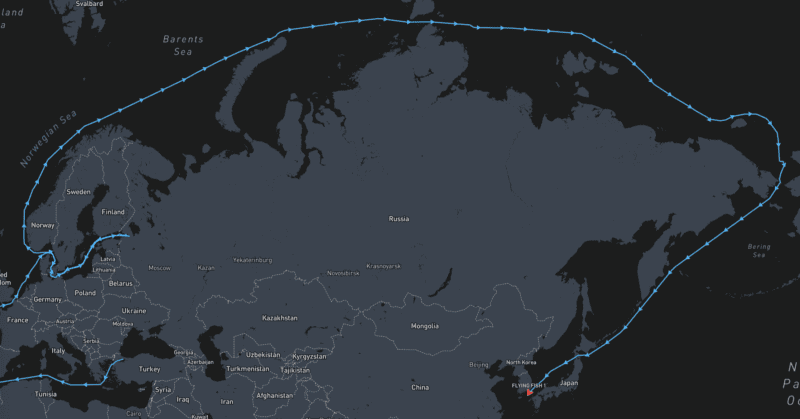
Flying Fish 1 route
In a groundbreaking Arctic voyage, the Panamax container ship Flying Fish 1sped across the Arctic’s Northern Sea Route from St. Petersburg to Shanghai in just over three weeks, saving about two weeks compared to the traditional Suez Canal route. Operated by EZ Safetrans Logistics, the 294-meter vessel’s successful journey highlights the growing feasibility of Arctic shipping. This year, nearly 20 vessels are using Russia’s Northern Sea Route, linking Russian and Chinese ports. Flying Fish 1’s voyage sets a new standard for Arctic shipping, as larger container ships begin to utilize the ice-free summer months for this shorter, 8,000-nautical mile route.
Shipping’s Pursuit of Zero-Emissions Fuel Veers Off Course
The global shipping industry is falling behind on its target to have zero-emission fuels make up 5% of all fuels by 2030, according to a new report by the UCL Energy Institute, UN Climate Change High-Level Champions, and the Getting to Zero Coalition. The study warns that the sector, responsible for 3% of global greenhouse gas emissions, is moving too slowly to meet the International Maritime Organization’s (IMO) crucial 5% target. With current zero-emission fuel production and vessel orders lagging, the report urges immediate action from policymakers and industry leaders to meet decarbonization goals.
Russia, Houthis Eye Missile Deal Facilitated by Iran
Iran is reportedly mediating secret negotiations between Russia and Yemen’s Houthi rebels to transfer advanced Yakhont anti-ship missiles, according to Western and regional sources. The deal, still under discussion, could boost the Houthis’ ability to strike commercial vessels and threaten U.S. and European warships in the Red Sea. The potential missile transfer, a response to Western support for Ukraine, has alarmed U.S. and Saudi officials, who fear it would be a “game changer” for regional security.
Cruise Ship Makes History at the North Pole of Inaccessibility
Ponant’s Le Commandant Charcot has become the first ship to reach the North Pole of Inaccessibility, a remote point in the Arctic Ocean farthest from any landmass. The ice-strengthened expedition vessel achieved the milestone on September 12, 2024, while navigating the Transpolar route. It also crossed the Magnetic and Geographic North Poles shortly after, underscoring the historic voyage. Equipped with two scientific labs and carrying 20 international scientists, the ship is collecting critical data in this unexplored region.
As always, we’d love to hear your feedback. Email [email protected] with any questions, comments, tips, or concerns. Don’t forget to check out the Club Discord and gCaptain.com for the latest maritime news.
2024 Unofficial Networks LLC
Tags:
Subscribe for Daily Maritime Insights
Sign up for gCaptain’s newsletter and never miss an update
Iran has indicated to the United Nations that so-called “non-hostile vessels” may continue transiting the Strait of Hormuz, but only if they comply with Iranian security requirements and coordinate directly...
Multiple sources of trade data are showing the significant impact of the U.S.-Israel war on Iran and how it is going to continue to get worse before it gets better.
The National Transportation Safety Board (NTSB) has determined that a simple but critical error by a harbor pilot led to a tanker striking a refinery pier during an early-morning undocking...
8 hours ago
Total Views: 681
Get The Industry’s Go-To News
Subscribe to gCaptain Daily and stay informed with the latest global maritime and offshore news
— just like 107,451 professionals
Secure Your Spot
on the gCaptain Crew
Stay informed with the latest maritime and offshore news, delivered daily straight to your inbox
— trusted by our 107,451 members
Your Gateway to the Maritime World!
Essential news coupled with the finest maritime content sourced from across the globe.

 Join The Club