By Weilun Soon
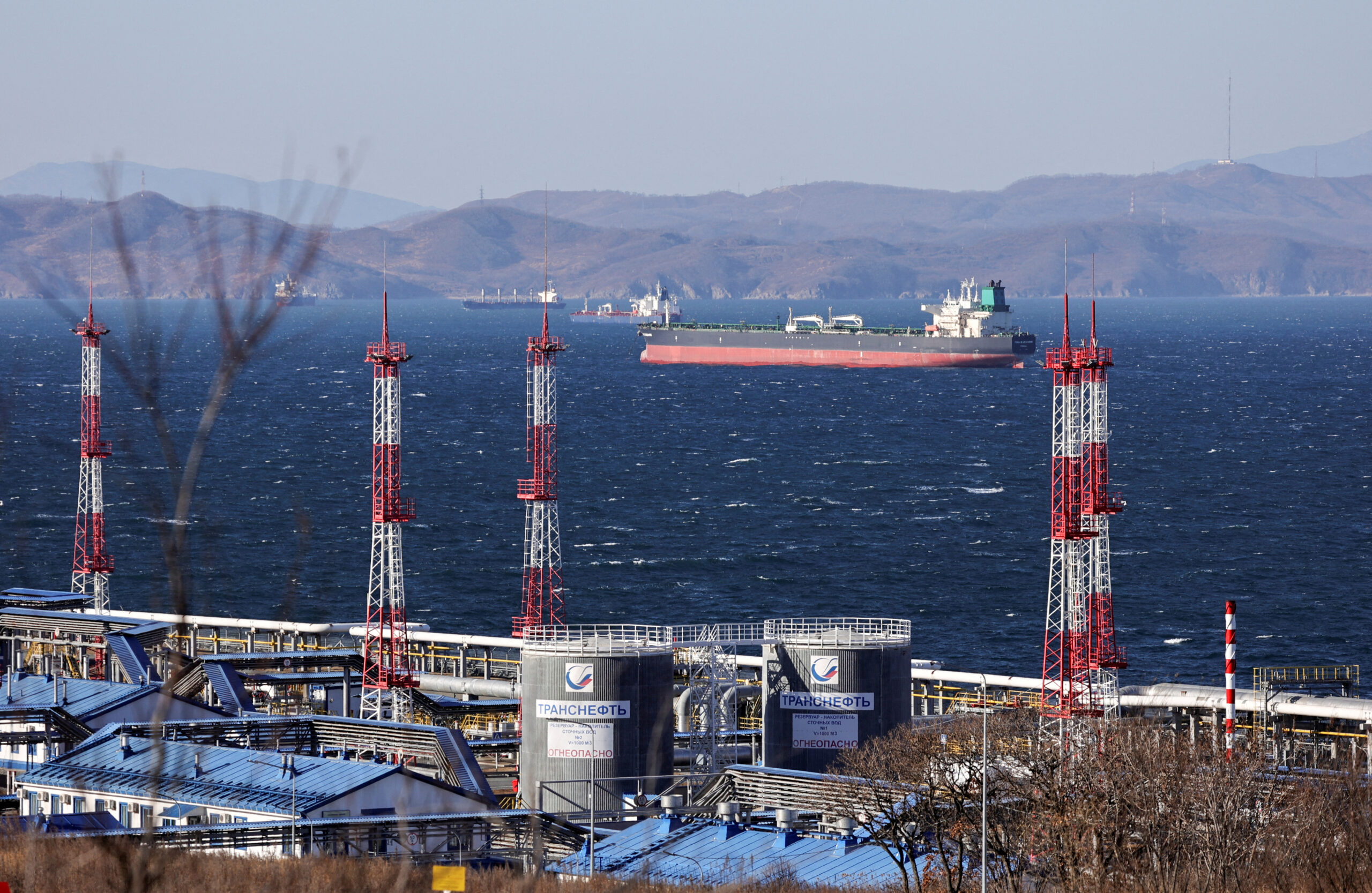
Jan 22, 2026 (Bloomberg) –Soaring freight rates have enticed some shipowners to use new tankers to transport Russian oil, a trade usually carried out by older vessels that are close to — and occasionally over — their usual lifespan.
Rates ballooned at the end of 2025 after the US and European Union blacklisted hundreds of tankers linked to the trade, tightening supply. The reputational risk and threat of sanctions spooked some shipowners, but the money to be made moving Russian crude was too tempting for at least two Greek companies.
Shipping Moscow’s oil isn’t outright illegal, though moving barrels above a so-called price cap means the trade will not be supported by services from Western providers that dominate sectors such as insurance. The fear of breaching that cap often deterred legitimate operators, with the dark fleet filling the gap.
Now, sanctions have led to a plunge in Russian oil prices, providing a buffer from the price cap, and giving the Greek controllers the confidence to join the trade and cash in using three tankers that are less than a year old.
The pool of legitimate Russian crude for export shrank following US sanctions last year on oil producers Rosneft PJSC and Lukoil PJSC. There are still barrels that haven’t been sanctioned, but the trade is grappling with a tanker shortage of around 53 vessels, according to data intelligence firm Vortexa.
“Harsher sanctions have significantly raised the compliance and reputational risks associated with participating in Russia crude flows,” said Delia He, an analyst at Vortexa, which tracks ships.
The average rate to transport Russian Urals oil from Primorsk to India’s west coast rose to more than $60 per ton in late December — the highest level in two years — according to data compiled by Argus Media, due to the ship shortage. That compares with around $25 at the beginning of last year.
Those returns have prompted Dynacom Tankers Management Ltd. and Capital Ship Management Corp. to deploy some of their newest vessels to the trade. Neither company responded to requests for comment.
Argeus I — a Capital Ship Management vessel — recently arrived at Paradip on India’s east coast with more than 700,000 barrels of Urals, its first cargo of Russian crude, according to ship-tracking data compiled by Bloomberg, Vortexa and Kpler. It’s unclear when the vessel will discharge the oil.
This month, the Rodos delivered a shipment to China, while the Samothraki transported oil to Vadinar port on India’s west coast in December, the data shows. Both ships are Dynacom controlled, and the company has transported Russian oil to India previously, though on much older vessels.
Deploying new tankers is risky. Charterers may steer clear of these vessels due to fears about future sanctions, which could relegate them to only the Russian trade. Still, shipowners are used to making calculated risks and Moscow’s oil has continued to flow, despite blowback from its war in Ukraine.
“The risk?reward balance still looks compelling enough to draw in newer ships, and that underlines the durability of the Russian crude trade,” said Angelica Kemene, head of Optima Shipping Services’ market strategy team in Athens.
© 2026 Bloomberg L.P.
Editorial Standards · Corrections · About gCaptain
This article contains reporting from Bloomberg, published under license.

 Join The Club