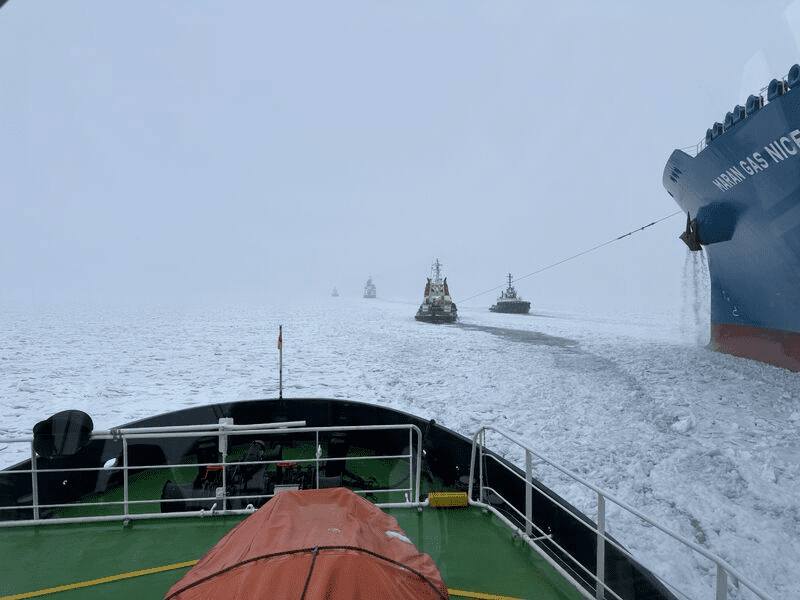
Operations at the floating LNG import facility Mukran off the Baltic coast of Germany resumed this week after icebreaking efforts by the multipurpose vessel Neuwerk restored access to open water following weeks of disruption caused by heavy sea ice in the bay off Mukran.
The channel-clearing work came after Neuwerk itself suffered a technical fault last weekend that forced the ship back to port for repairs. Tug VB Bremen Fighter was then used to continue opening a navigable corridor through accumulated ice, allowing LNG traffic to resume at the Mukran LNG terminal.
Satellite imagery had shown dense sea ice covering the bay in recent weeks with no open channel available, leaving LNG carrier Maran Gas Nice unable to depart the terminal since late January. AIS tracking indicates the vessel finally cleared Mukran on February 11 once an initial path was opened.
Another LNG carrier, Minerva Amorgos, had been waiting offshore since February 3. According to the German regulator Wasserstraßen- und Schifffahrtsamt Ostsee (WSA), the ship is expected to be escorted into Mukran by the end of February 16, guided by terminal operator Deutsche Regas.
Satellite images showing Mukran (center left) on February 11 and February 14, including a channel through the ice. (Source: Sentinel 1)
Neuwerk, a German federal multipurpose vessel operated for coastal protection, pollution response, and maritime safety, usually operates in the North Sea but was brought in to assist with ice breaking in the Baltic Sea. The 78-meter ship is equipped with reinforced hull plating and icebreaking capability, allowing it to operate in moderate ice conditions. It is unclear when it can return to service and currently remains in the port of Rostock.
With shipping halted, gas storage at Mukran fell to record lows, and the facility reportedly stopped feeding gas into the national transmission system in early February. Mukran has been a key import hub since Germany expanded LNG infrastructure after the loss of Russian pipeline gas. It is Europe’s largest floating storage and regasification unit (FSRU) terminal by throughput, receiving roughly 12.9 TWh of gas equivalent in the past three months. January alone saw about 4.4 TWh, though February volumes are expected to be sharply lower because of the ice disruption.
This winter’s ice conditions across the Baltic Sea have been unusually persistent in several coastal regions, particularly in gulfs and shallow bays. Authorities in Finland, Sweden, and Estonia have all reported high demand for icebreaker support as shipping lanes narrowed. In some ports, older reserve icebreakers have been reactivated or extended into service as traffic volumes remained high, underscoring how severe ice can strain northern Europe’s maritime logistics.
For Mukran, the reopening offers relief as Minerva Amorgos prepares to dock, but operators say continued cold weather could still complicate traffic.
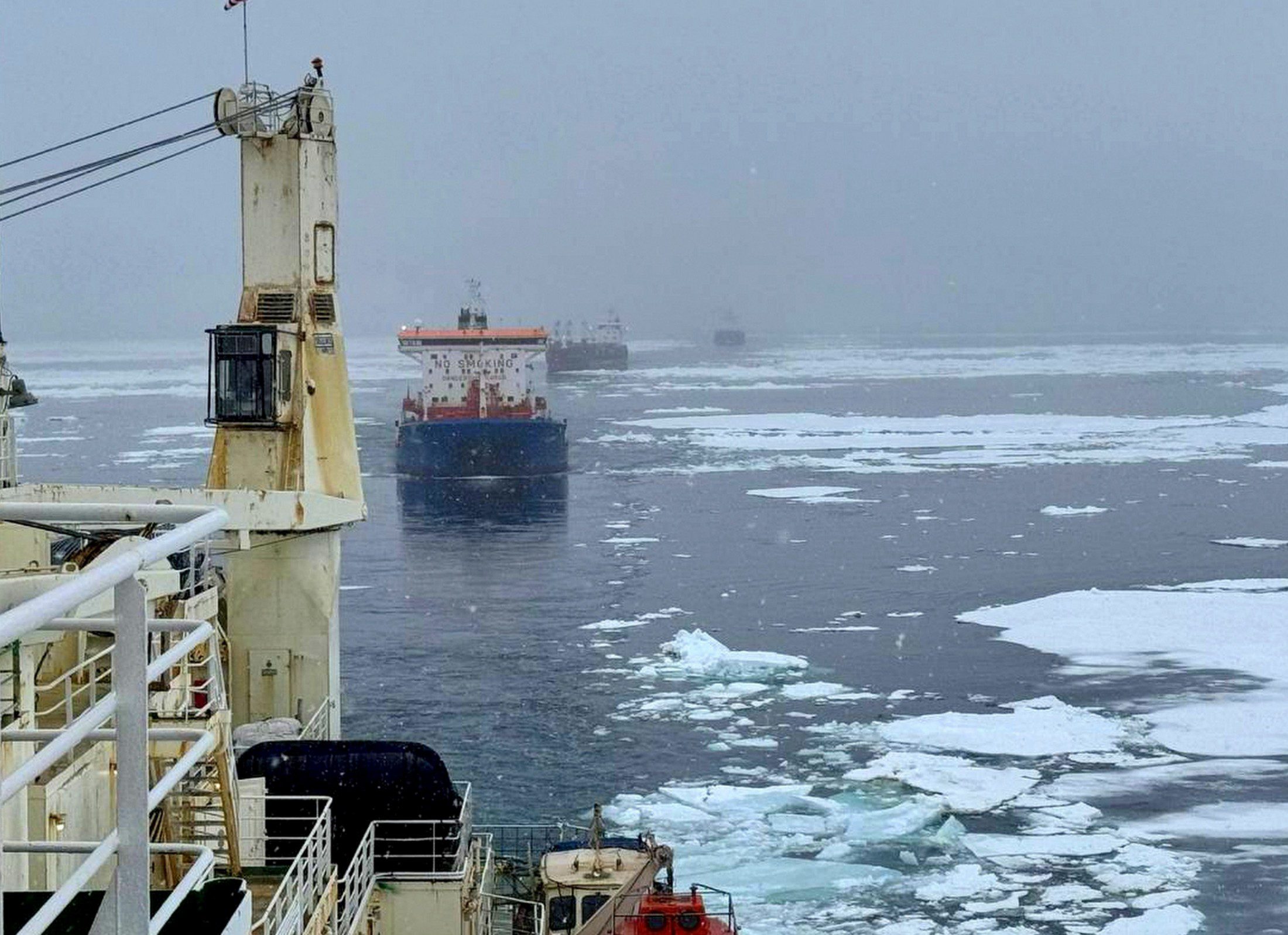
The number of shadow-fleet vessels carrying Russian oil and LNG through the Northern Sea Route has surged this summer, according to a new analysis by the Bellona Environmental Transparency Center, raising concerns about the ability to respond to accidents in one of the world's most remote shipping environments.
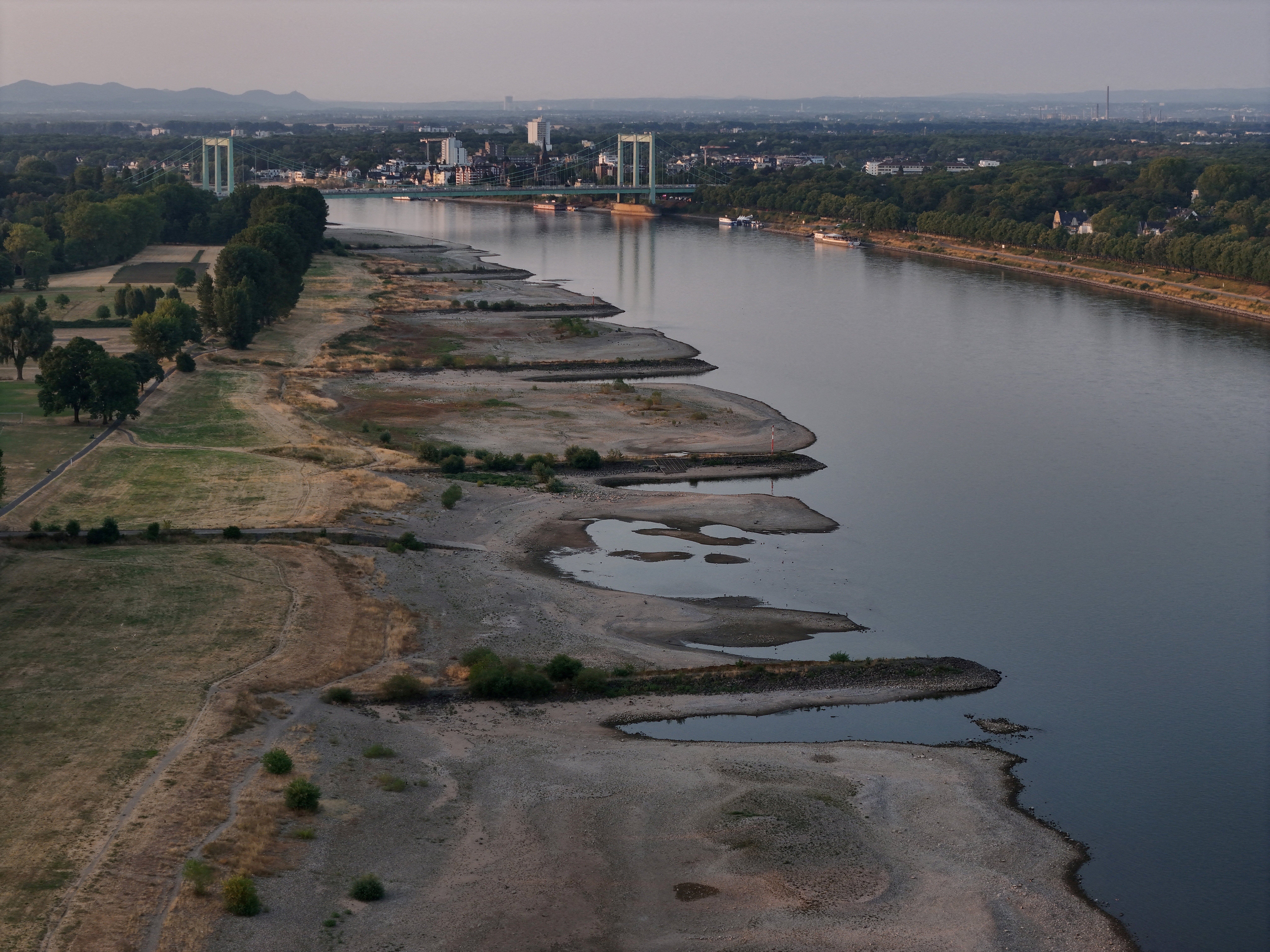
Water levels in the Rhine River plummeted to record lows over the weekend, threatening transport on a key shipping corridor for energy and industrial commodities across central Europe.
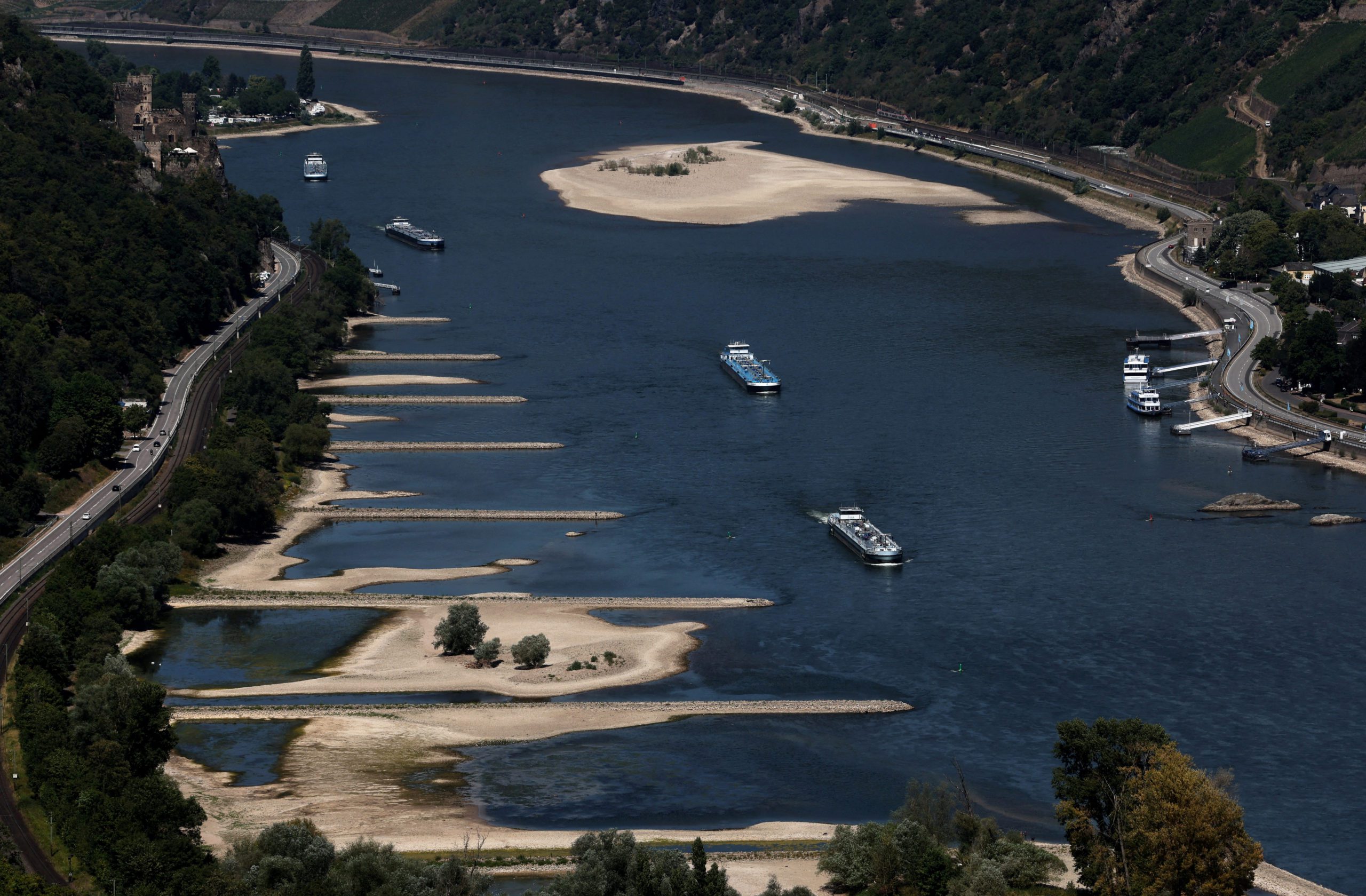
Water levels on the river Rhine in Germany remained stable this week, holding above record lows after recent rain and allowing vessels to carry larger cargoes, the country's inland navigation agency said on Friday.
August 28, 2026
Total Views: 2479
Get The Industry’s Go-To News
Subscribe to gCaptain Daily and stay informed with the latest global maritime and offshore news
— just like 106,723 professionals
Secure Your Spot
on the gCaptain Crew
Stay informed with the latest maritime and offshore news, delivered daily straight to your inbox
— trusted by our 106,723 members
Your Gateway to the Maritime World!
Essential news coupled with the finest maritime content sourced from across the globe.

 Join The Club