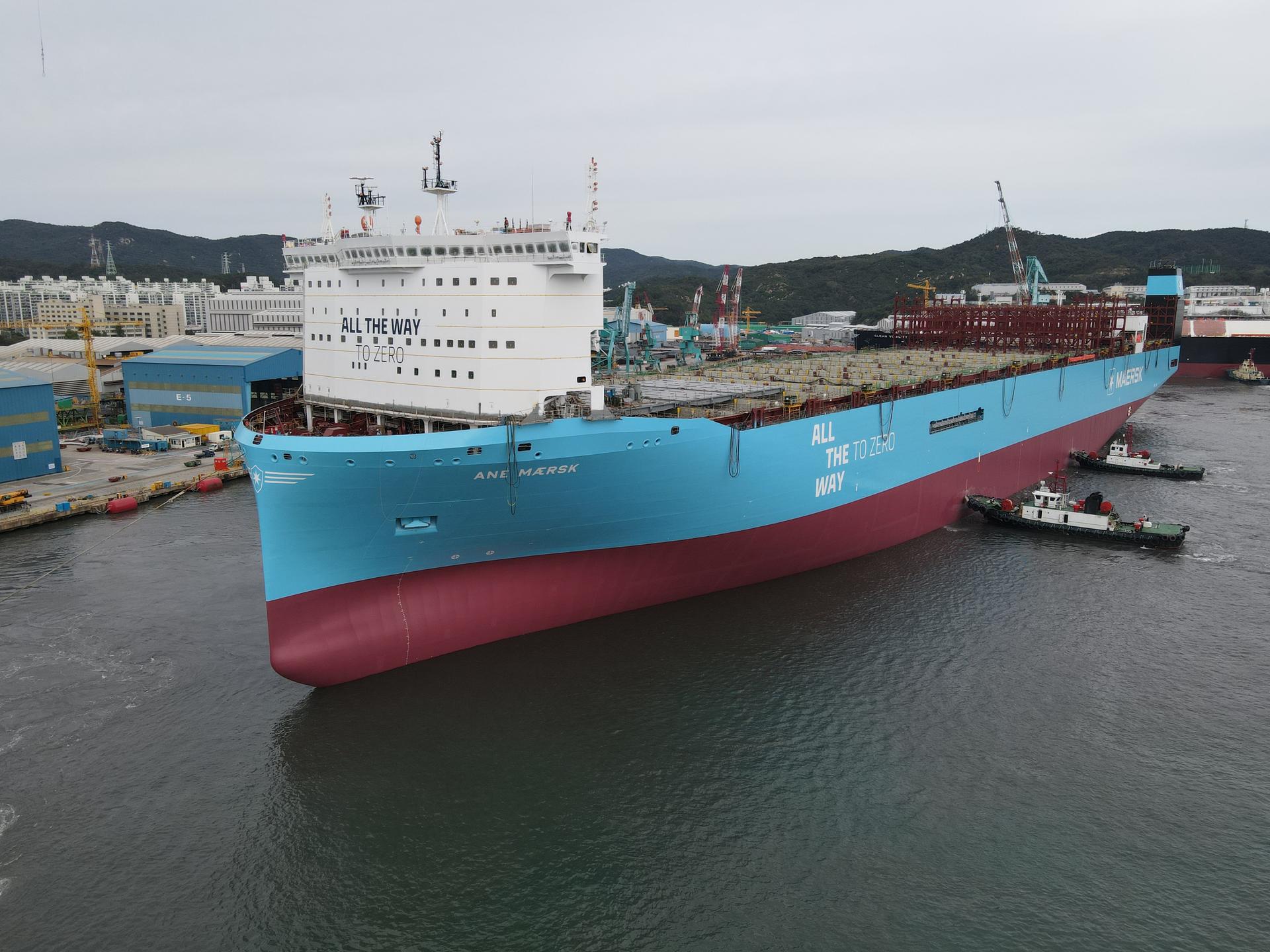
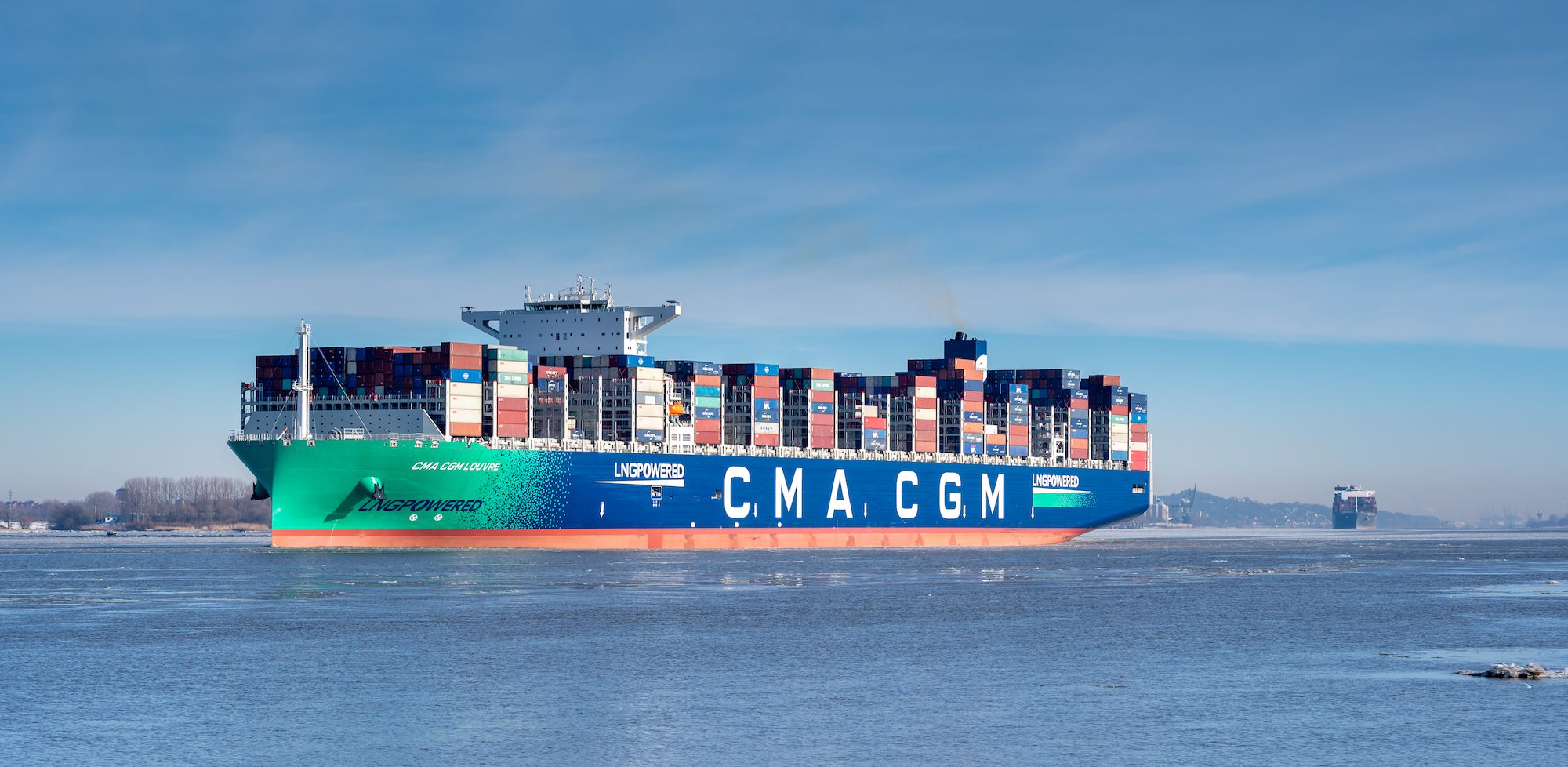
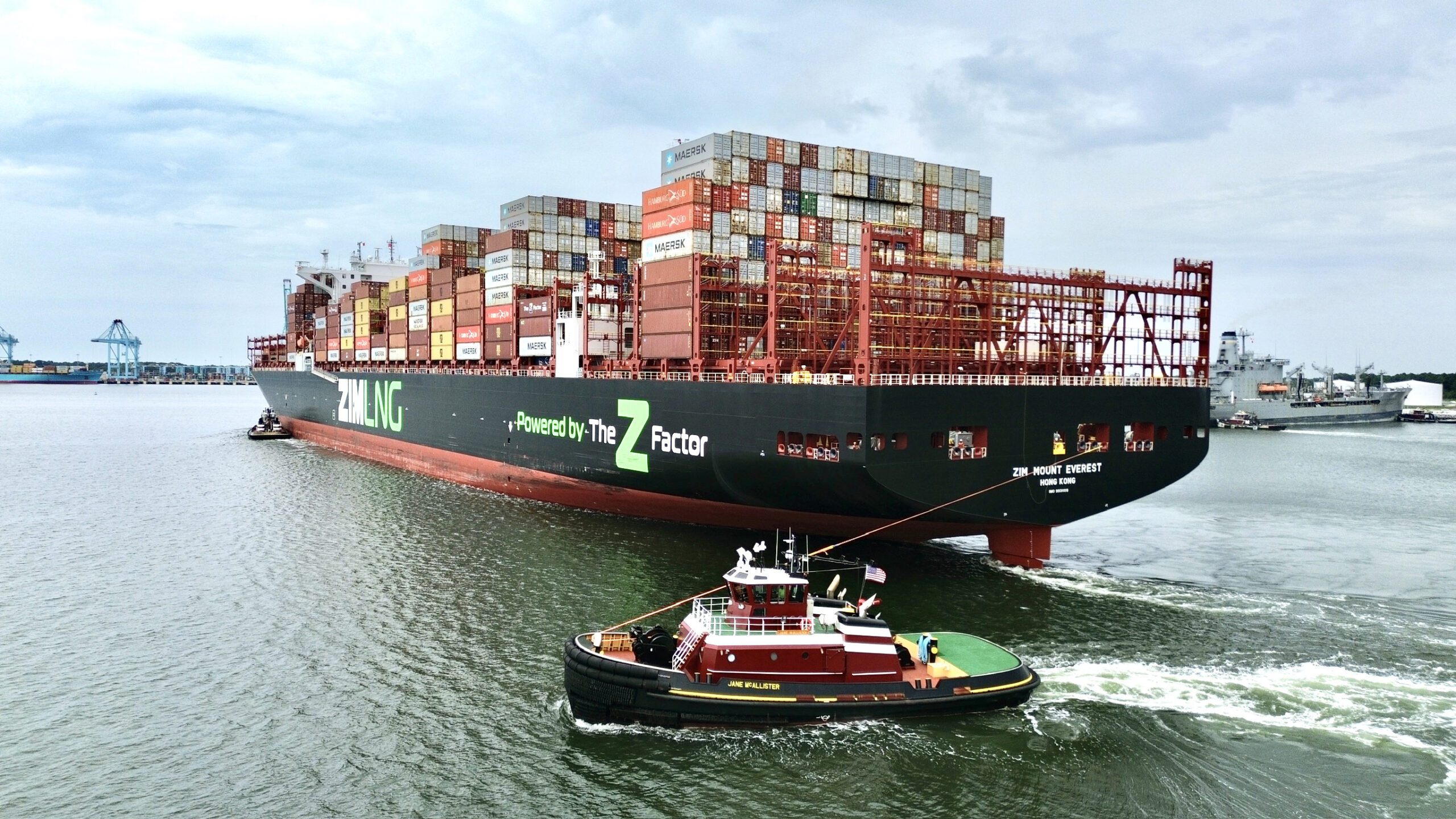
As the global shipping industry navigates the complex path toward decarbonization, methanol is emerging as a practical alternative fuel option, supported by growing investment and established infrastructure. However, significant economic and supply barriers remain before the fuel can achieve widespread adoption, according to a new analysis from classification society DNV.
The maritime sector’s interest in methanol is reflected in concrete numbers: over 450 methanol-capable vessels are currently in operation or on order, with technical solutions now available for all major ship types. Modern dual-fuel engine designs have accumulated more than 600,000 operating hours on methanol, demonstrating the technology’s maturity.
“From a technical perspective, methanol-fuelled engines have demonstrated high reliability,” said Marius Leisner, Senior Principal Consultant at DNV. “Retrofit feasibility is well established, and the use of conventional bunkering systems, unlike cryogenic fuels, means ports can adapt quickly and cost-effectively.”
The fuel offers notable environmental advantages. Methanol is sulfur-free, produces negligible soot, and emits significantly less nitrogen oxides than traditional fuel oil. Certain bio- and e-methanol pathways can deliver very low or even negative lifecycle emissions, while the fuel’s compatibility with existing port infrastructure may reduce complexity and cost for shipowners.
China is positioning itself as a major player in the methanol fuel market, accounting for 43 percent of planned global low-greenhouse gas methanol production capacity. Existing global production sites, storage facilities, and a growing bunker fleet are providing a foundation for broader adoption.
Despite these advantages, economic realities present substantial hurdles. Bio-methanol prices in 2025 average around $2,500 per tonne marine gas oil equivalent—roughly three times the cost of conventional marine gas oil. Global production currently stands at just 2.2 million tonnes, far below the potential demand of up to 60 million tonnes by 2040.
“As the maritime industry explores pathways to a lower-carbon future, it is important to consider a range of practical and scalable solutions,” said Knut Ørbeck-Nilssen, CEO Maritime at DNV. “There is no one-size-fits-all answer, and different shipping segments and geographies will require different approaches. Methanol is one option that draws on established technologies and infrastructure, and it is encouraging to see the industry’s growing interest in a variety of alternative fuels.”
DNV’s analysis models four demand scenarios, suggesting that regulatory frameworks such as the International Maritime Organization’s Net-Zero Framework and the European Union’s FuelEU Maritime initiative could prove decisive in scaling up adoption. The fuel’s versatility also works in its favor: dual-fuel engines can operate on methanol, biodiesel, or conventional fuels, and with minor modifications, on ethanol.
As with other alternative fuels under consideration by the maritime industry, methanol’s future role will ultimately depend on how regulatory, economic, and operational factors evolve in the coming years.
Editorial Standards · Corrections · About gCaptain

 Join The Club