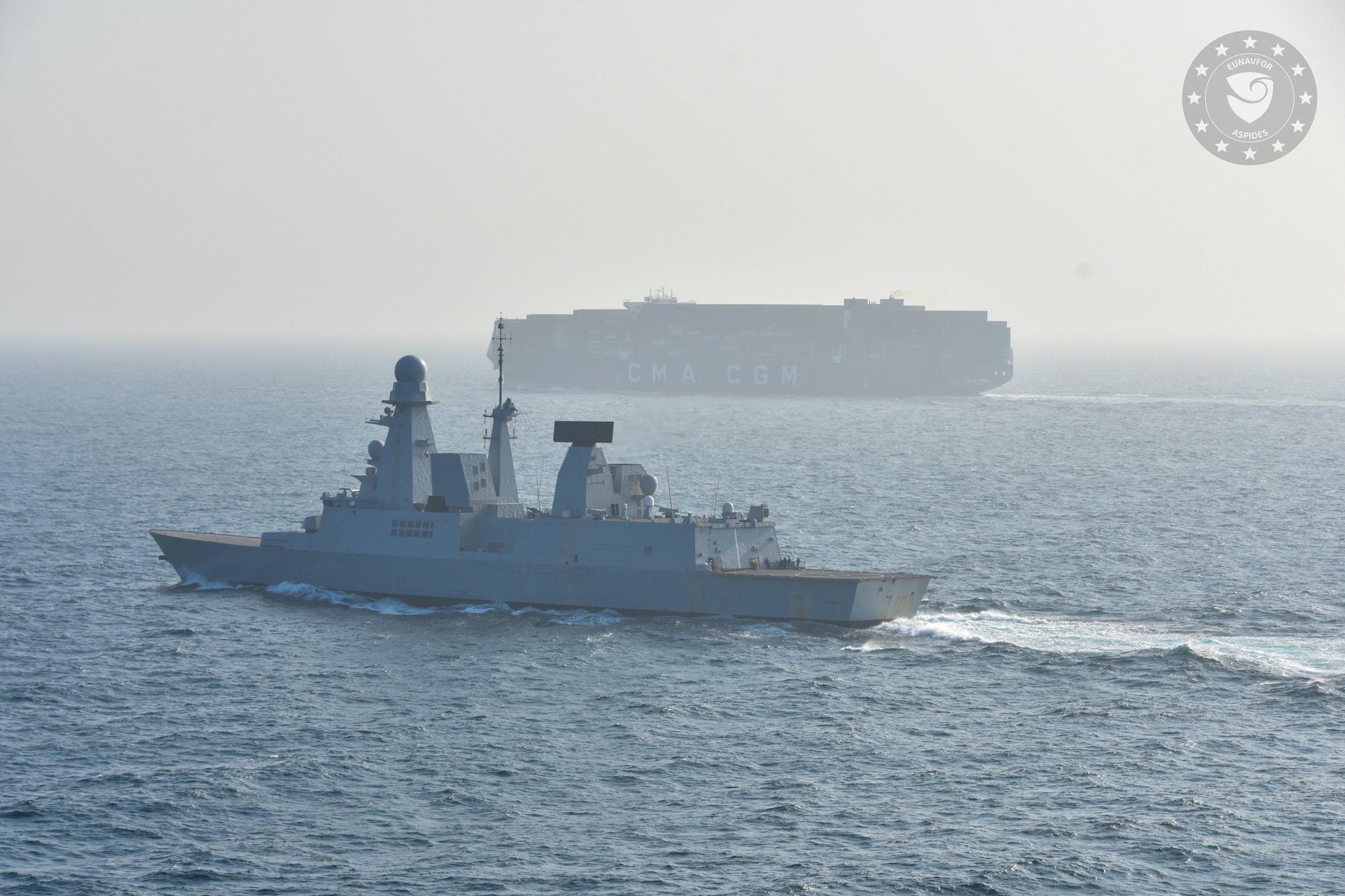
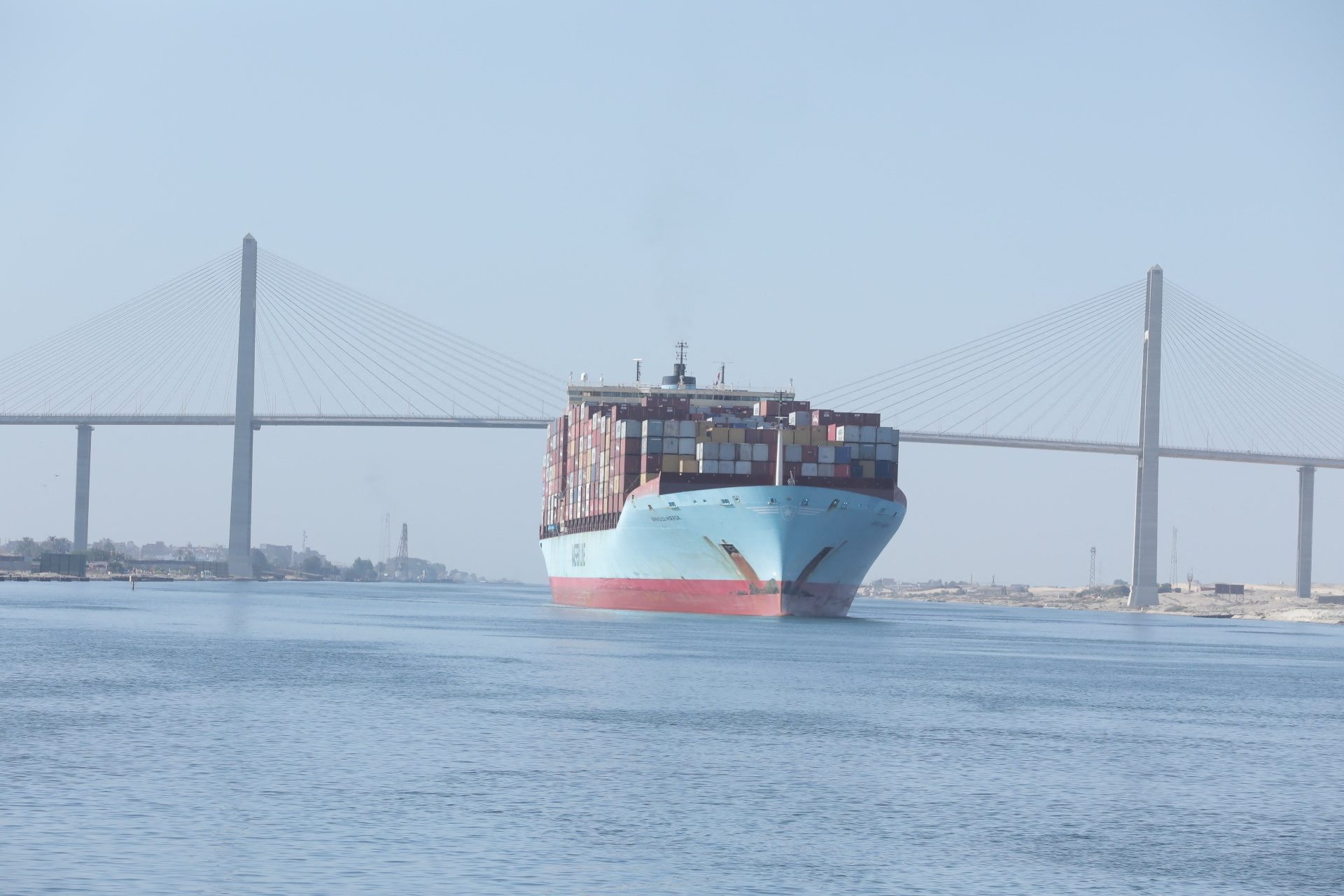
Three additional commercial vessels have been struck by projectiles in and near the Strait of Hormuz over the past 24 hours, as the maritime security situation in the region continues to deteriorate amid the escalating U.S.–Israel conflict with Iran.
According to the latest advisory from the Joint Maritime Information Center (JMIC), the attacks involved the container ship ONE Majesty and the bulk carriers Mayuree Naree and Star Gwyneth, reinforcing warnings that merchant vessels operating in the region remain exposed to stand-off kinetic threats.
The incidents occurred between March 10 and March 11 within the Strait of Hormuz transit corridor and nearby Gulf waters. The latest strikes came after a roughly 72-hour lull in reported incidents, according to the JMIC, which warned that merchant vessels in the region remain exposed to stand-off kinetic threats.
The Thai-flagged bulk carrier Mayuree Naree suffered the most severe damage after an explosive strike triggered a major engine-room fire roughly 11 nautical miles off the Omani coast. The vessel was disabled and its crew abandoned ship as rescue efforts began.
Twenty crew members were rescued by Oman’s navy, while three crew members remain missing and are believed to be trapped in the vessel’s engine-room compartment, according to statements from Thai authorities and the ship’s owner.
The other vessels sustained less severe damage. The container ship ONE Majesty reported minor projectile damage while underway about 50 nautical miles northwest of Dubai, while the bulk carrier Star Gwyneth suffered hull damage from a projectile strike while anchored in the same general area. In both cases, crews were reported safe.
The latest attacks bring the total number of confirmed vessel strikes in the region to 13, according to incident reporting compiled by the UK Maritime Trade Operations (UKMTO) and cited in the JMIC advisory. UKMTO said it has received 17 incident reports affecting vessels since February 28, including 13 confirmed attacks and four reports of suspicious activity.
Meanwhile, the number seafarer fatalities has reached 7, according to the UN International Maritime Organization.
The maritime threat environment across the Arabian Gulf, Strait of Hormuz, and Gulf of Oman remains at a CRITICAL risk level, the advisory said.
“Merchant vessels operating throughout the region remain exposed to stand-off kinetic threats,” the advisory noted, adding that the recent cluster of attacks followed a brief 72-hour lull in activity.
Despite speculation that Iran may deploy naval mines in the strategic waterway, the advisory said there remains no confirmed evidence of mine deployment or detonation in regional shipping lanes.
The pattern of attacks instead suggests a campaign designed to disrupt maritime operations and inject uncertainty into commercial traffic flows through the critical chokepoint.
The IMO estimates that around 20,000 seafarers remain aboard vessels stranded across the Persian Gulf.
“Seafarers are not part of this conflict, yet they are increasingly caught in its path. These are men and women who are simply doing their jobs at sea,” said World Shipping Council President & CEO Joe Kramek. “We share the IMO Secretary-General’s call for urgent action to ensure the protection of seafarers and respect for freedom of navigation – seafarers must not be targets.”
Traffic through the Strait of Hormuz — which normally carries around 20% of the world’s seaborne oil shipments — has slowed dramatically since the conflict erupted.
AIS-based monitoring cited in the advisory shows that only seven commercial cargo vessels transited the strait in the past 24 hours, compared with a historical daily average of about 138 vessels.
The advisory also warned that widespread electronic interference is compounding navigational risks, with more than 600 GNSS disruption events reported across the region over the past 24 hours. These disruptions have produced positional errors, AIS anomalies, and intermittent signal degradation affecting hundreds of vessels.
Beyond attacks on ships themselves, regional energy infrastructure has also come under fire. JMIC reported that multiple fuel storage tanks at the Port of Salalah in Oman were struck by drones, triggering fires in the port’s fuel storage area.
Maritime security officials warn that the next 24–48 hours could bring additional missile or drone strikes against ships, offshore energy infrastructure, or vessels anchored near regional ports.
“Any vessel transiting the Strait of Hormuz does so at their own risk,” the advisory said.
Editorial Standards · Corrections · About gCaptain

 Join The Club